



Vintage French Fine Art
When you search for vintage french fine art, you step into a visual record spanning portraiture, landscape, and modernist abstraction.
Vintage French Fine Art
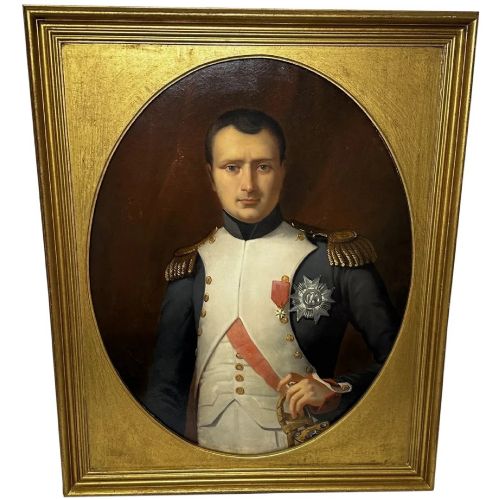
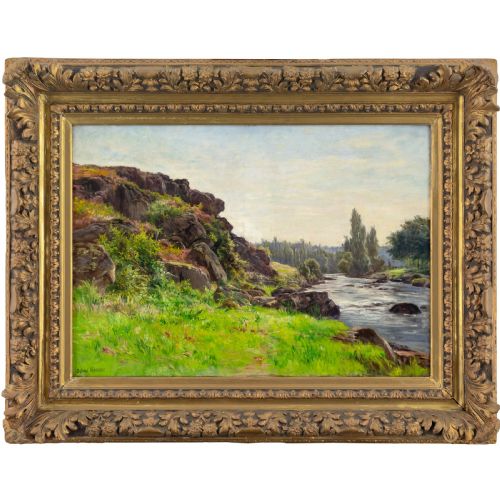
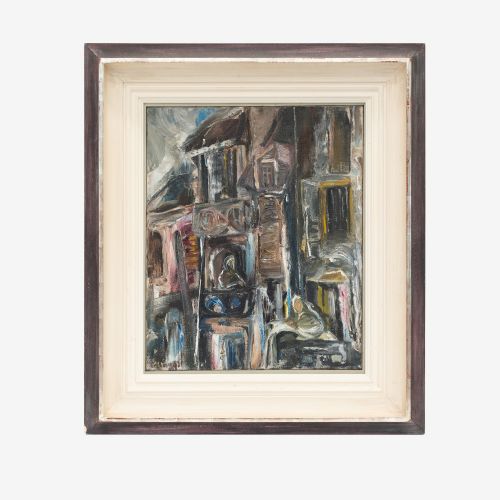
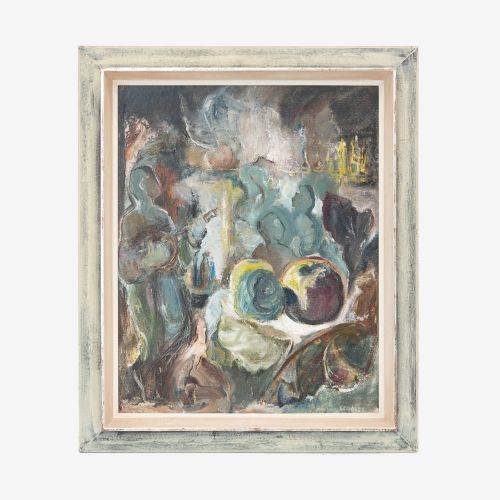
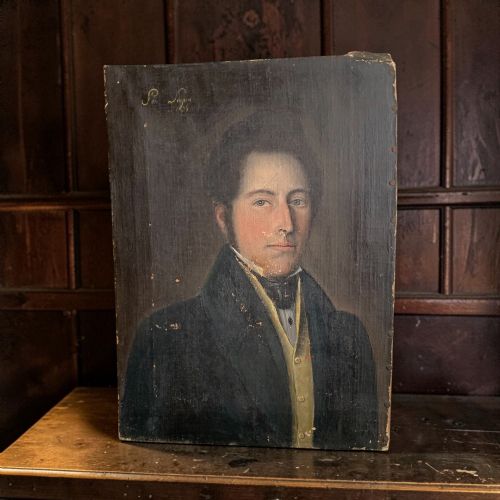
When you search for vintage french fine art, you encounter canvases and panels originating from the nineteenth and twentieth centuries. These works include academic portraiture, impressionist landscapes, and avant-garde compositions reflecting distinct regional schools.
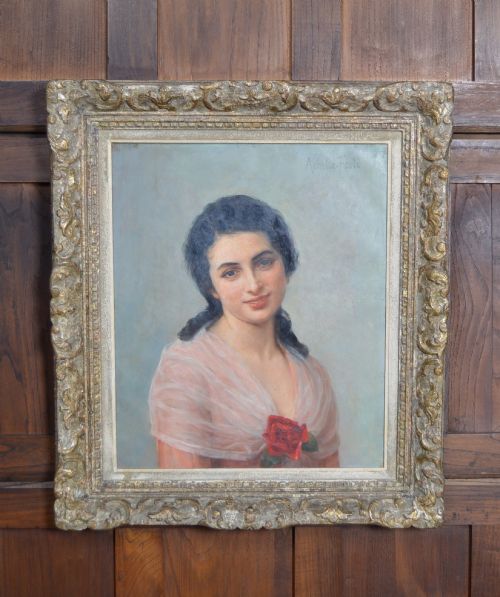
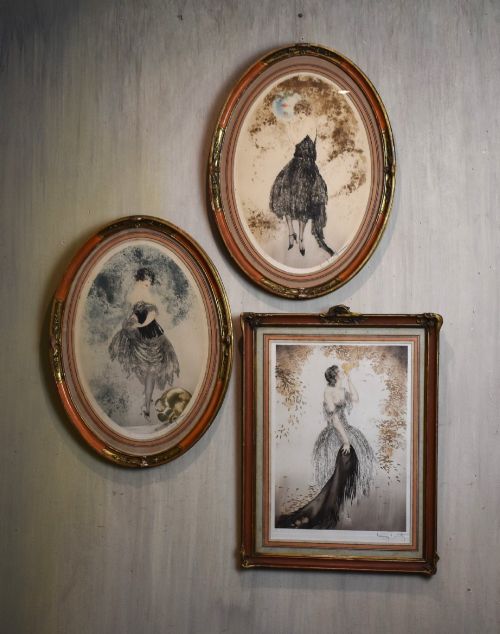
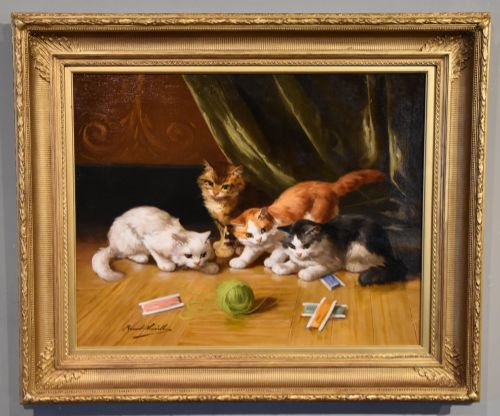
The selection on this page leans heavily toward oil paintings on canvas and board, alongside charcoal drawings and prints. Subjects range from quiet domestic scenes and coastal views of Provence to expressive figure studies.
Makers and painters represented here include documented historical figures as well as regional artists working within recognised movements such as post-impressionism and art deco.
How they were made
The primary technique relies on oil paint applied to stretched canvas, wooden panels, or heavy paper supports. Artists built up textures using brushwork and occasionally encaustic methods to achieve specific surface effects.
Many works retain their period framing, constructed from wood with gesso and giltwood ornamentation. These frames complement the canvases through carved details characteristic of nineteenth and early twentieth-century workshop practices.
Materials recorded include oil on canvas, paper, wood, gesso, and giltwood.
What varies in quality
Quality rests in the confidence of the brushwork and the clarity of the composition, distinguishing academic rigour from hurried production. Stronger pieces demonstrate a deliberate command of light and pigment balance across the primary surface.
The preservation of the original support and pigment layer dictates the visual integrity of each piece. Works that retain their untouched surface texture and period-appropriate framing offer a more direct connection to the artist's initial intent.
Gabriel Mathieu·Achille-Fould·Louis Icart·Alfred Arthur Brunel de Neuville·Émile Gallé·Lilian Colbourn·Edouard Julien·Raymond Moritz·Alexandre Le Bihan·Henri Vincent-Anglade·Jean-Baptiste Olive·Gabriel Dauchot·GEORGES GOURSAT SEM·Mercedes Legrand·Léon Joseph Voirin·Jean-Marc Nattier·William Grant Murray·Alphonse Robert·Thomas Couture·Cecil R Doyly-John·Girieud·Charles E Cundall
The Vintage French Fine Art Glossary
- Oil on Canvas
- Pigments mixed with a drying oil applied to a woven fabric support stretched over a wooden frame. This method became standard for durable, portable easel paintings.
- Gesso
- A plaster-like mixture applied to wood surfaces as a base for gilding or painting. It provides a smooth ground for decorative elements on period frames.
- Post-Impressionism
- An art movement extending roughly from the late nineteenth century into the early twentieth century. Artists concentrated on symbolic content and formal order rather than pure visual recording.
- Encaustic
- A technique involving heated beeswax mixed with coloured pigments. The mixture is applied to a surface and fixed with heat.
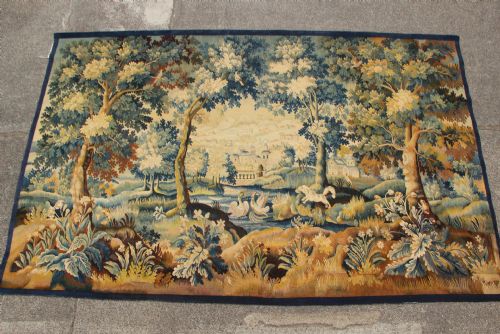
- Verdure Tapestry
- A woven wall hanging featuring botanical motifs and landscape elements. These textiles often depict dense foliage and woodland scenes.
Vintage French Fine Art: Frequently Asked Questions
What periods do these paintings cover?
The inventory spans the nineteenth century through the mid-twentieth century, capturing shifts from academic realism to early modernist abstraction.
You will find works dated across the 1870s, 1890s, and into the 1920s and 1930s.
Are all the paintings oils?
While oil on canvas forms the majority of the works, the selection also includes oil on board, charcoal drawings on paper, and encaustic compositions.
Each medium reflects the distinct technical choices available to artists during their respective decades.
How should I display a giltwood frame?
Period frames featuring gesso and giltwood require stable environmental conditions away from direct sunlight and excessive humidity.
Keeping them in rooms with consistent temperatures protects the delicate carved wooden surfaces from cracking.
How do I identify a post-impressionist work?
Post-impressionist pieces typically exhibit expressive brushstrokes and subjective colour choices that depart from strict academic realism.
Artists from this movement prioritised emotional resonance and structural form over mere visual transcription.