
Vintage French Canvas
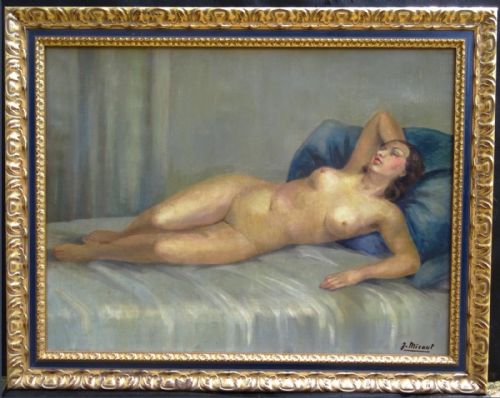
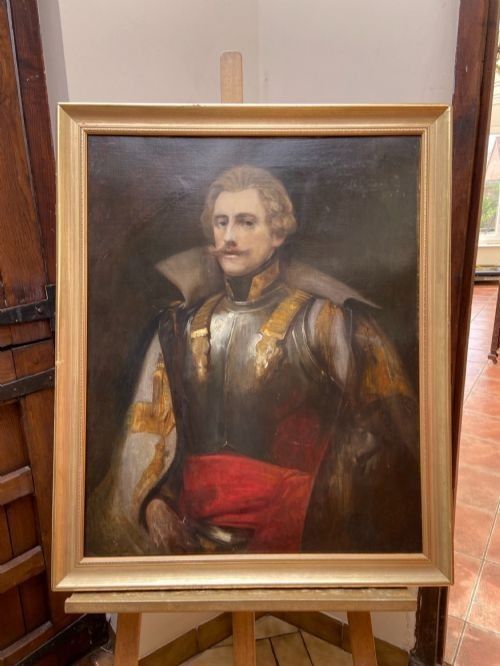
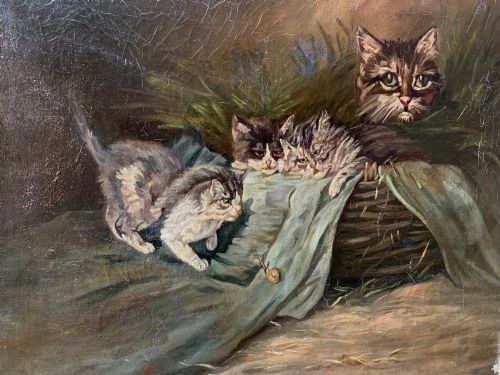
When you search for vintage french canvas, you find oil paintings and travel trunks spanning the nineteenth and twentieth centuries.
Vintage French Canvas
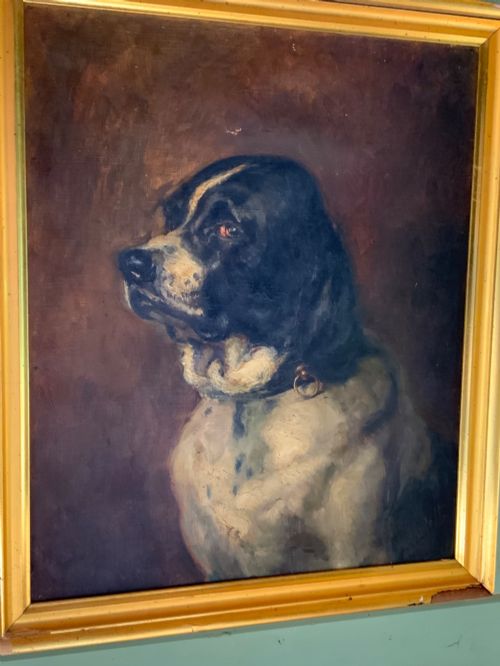
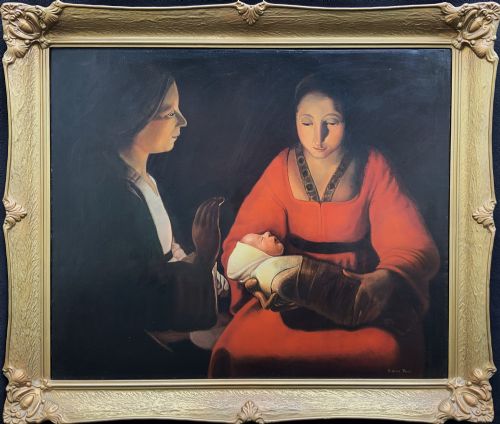
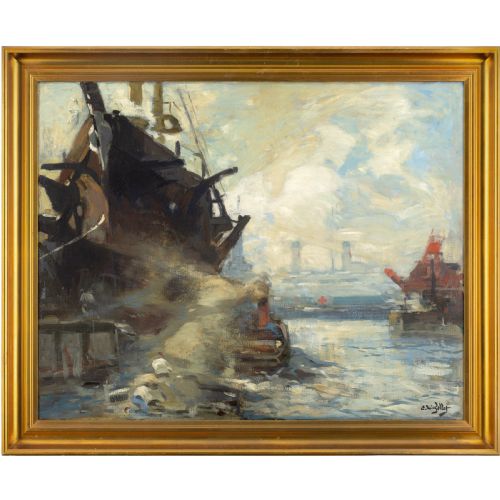
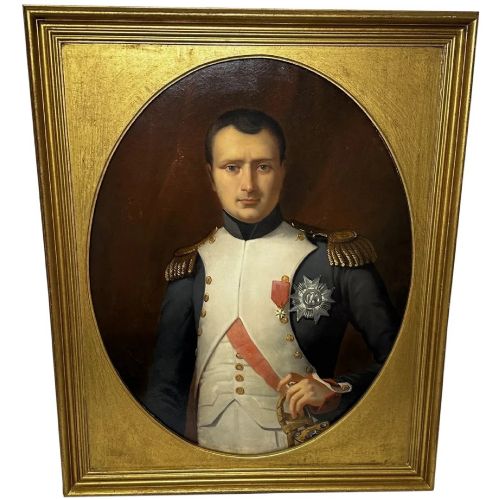
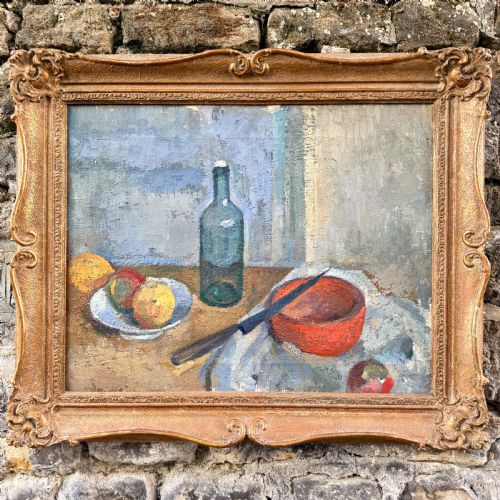
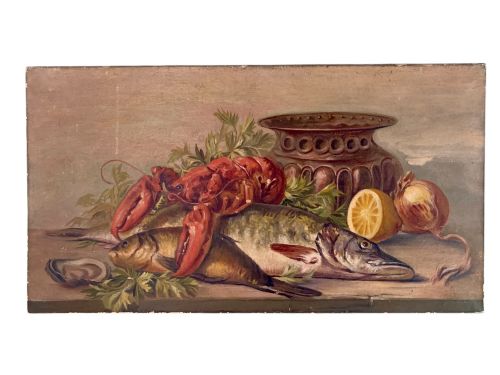
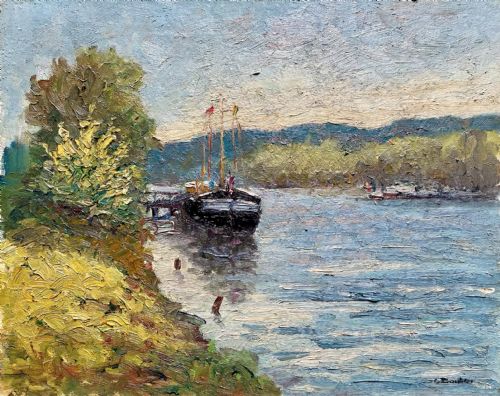
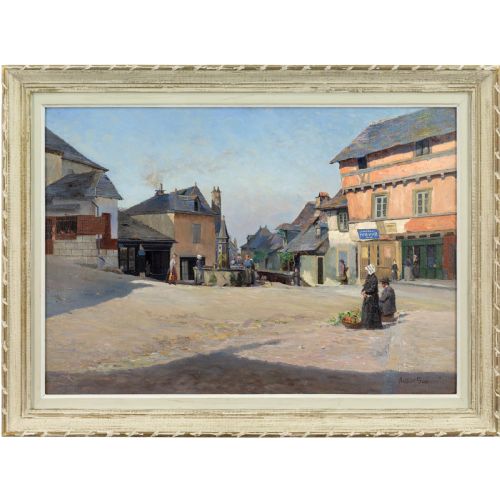
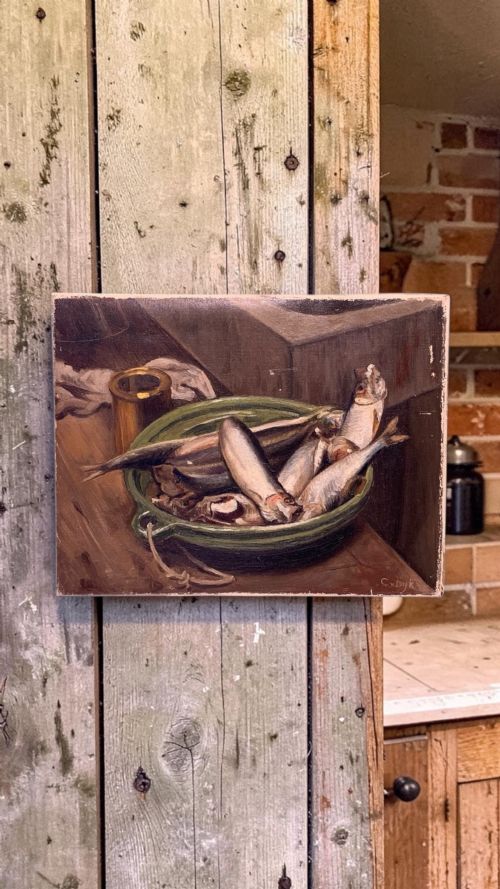
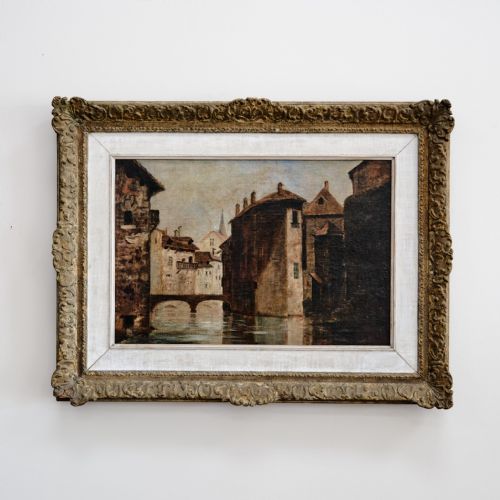
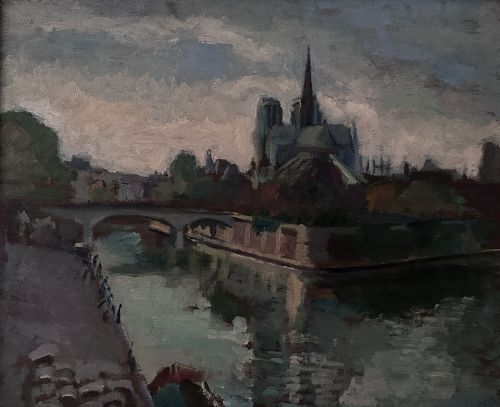
When you search for vintage french canvas, you encounter primarily oil paintings on stretched fabric, alongside occasional travel trunks and wooden easels. The paintings range from nineteenth-century portraits and still lifes to mid-twentieth-century Impressionist cityscapes and rural scenes.
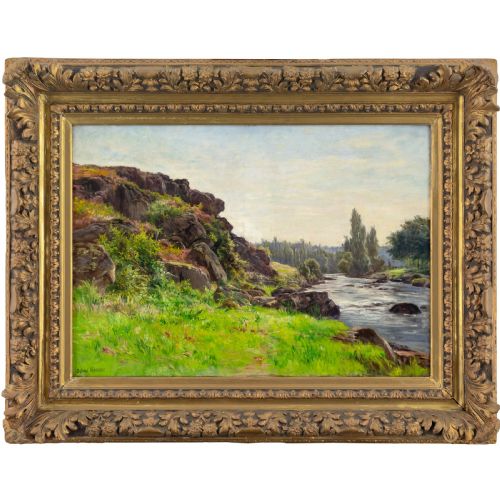
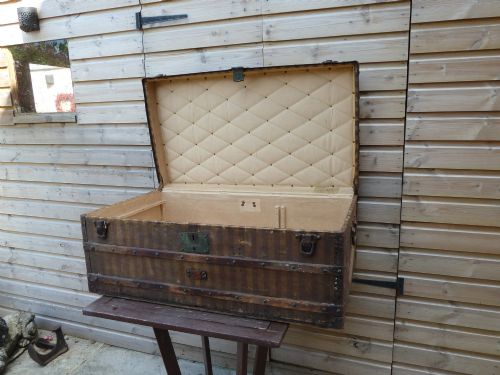
The selection on this page leans heavily towards framed oil paintings executed by French artists or schools. You also find decorative panels, grisaille works, and sturdy steamer luggage built from wood and canvas.
How they were made
The artworks in this collection utilise oil paint applied to woven canvas supports, frequently housed within period wooden frames that sometimes feature gilt or gilded finishes. Trunks combine sturdy wooden frames covered in durable canvas with metal and leather fastenings.
Artists employed traditional brushwork techniques, spanning realist portraiture to loose Impressionist and Post-Impressionist strokes. Canvas preparation involved sizing and priming the textile before pigment application to ensure longevity.
Listings feature canvas, wood, oil paint, and gilt wood across multiple artistic styles.
What varies in quality
Quality rests upon the skill of the brushwork, the expressiveness of the composition, and the preservation of the painted surface. Works by listed artists or established nineteenth and twentieth-century schools display superior draughtsmanship and tonal nuance.
Frame craftsmanship also influences the overall standard, with hand-carved gilt wood settings elevating the presentation of the canvas. Trunks vary according to the preservation of internal fittings and the robustness of the original hardware.
Eugène-Louis Gillot·Gabriel Mathieu·Arthur Gué·Paul Bret·Jean-Gabriel Domergue·Henri Ottmann·Rene Levrel·Achille-Fould·Alfred Arthur Brunel de Neuville·Paul Ehrenberg·Lilian Colbourn·Caroline Burnett·Henri Jaques Delpy·Paul-Jean Anderbouhr
The Vintage French Canvas Glossary
- Canvas
- A heavy woven fabric utilised as a support for oil paintings. It provides a durable texture that holds pigment securely over centuries.
- Oil Paint
- A slow-drying medium composed of pigments suspended in a drying oil. This allows artists to blend colours seamlessly and build rich surface textures.
- Gilt
- A thin layer of gold leaf applied to wood or frame surfaces. It adds a reflective metallic sheen that complements the artwork within.
- Impressionism
- A nineteenth-century art movement characterised by relatively small, thin, yet visible brush strokes. Focus centres on accurate depiction of light and its changing qualities.
- Steamer Trunk
- A large luggage chest designed for travel on ocean liners. These pieces typically feature a canvas exterior over a wooden body with reinforced corners.
Vintage French Canvas: Frequently Asked Questions
What periods do these canvas paintings cover?
The selections span from the nineteenth century through to the mid-twentieth century. You will find works from the eighteen-fifties up to nineteen-sixty.
Most pieces cluster around the late nineteenth century and the early decades of the twentieth century. This era encompasses Impressionist and Post-Impressionist movements.
Are all these items oil paintings?
The majority of the items are oil paintings on canvas, created by various French schools and individual artists. These range from landscapes to portraits.
A small number of listings comprise travel trunks and wooden easels. These objects utilise canvas as a durable outer covering over wood structures.
How should I care for a vintage canvas?
Keep painted canvases away from direct sunlight and dramatic fluctuations in temperature and humidity. Environmental stability prevents the fabric and oil pigments from cracking.
Dust the surface gently with a soft, dry brush when necessary. Avoid using liquids or chemical cleaning agents on the painted canvas.
What is a grisaille painting?
A grisaille is executed entirely in shades of grey or neutral monochrome tones. Artists often utilised this technique for decorative panels or as an underpainting.
Some examples feature camaieu bleu, which employs shades of blue instead of grey. These works serve as striking wall hangings.