

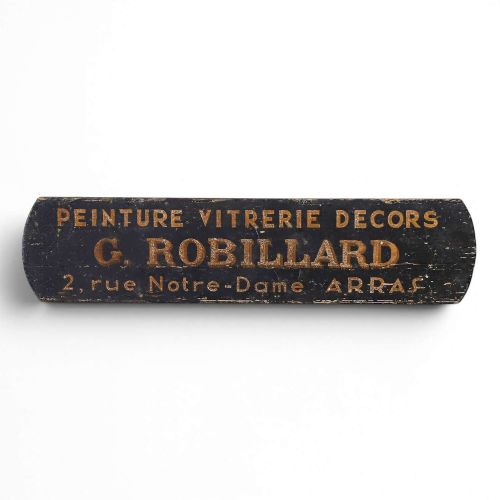


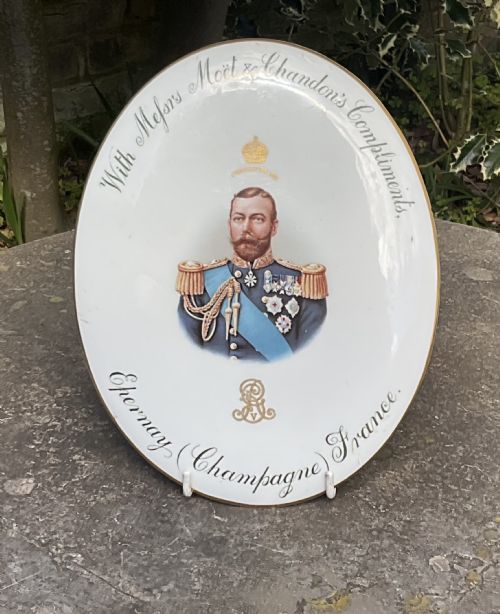


Vintage French Advertising Sign
A vintage french advertising sign carries the weight of past commerce on iron, wood, and porcelain.
Vintage French Advertising Sign
A vintage french advertising sign represents the commercial streetscapes and trade workshops of the nineteenth and early twentieth centuries. These pieces encompass wall signage, hanging signs, and trade plaques originating from periods spanning the Belle Epoque through the nineteen-twenties.
The assortment on this page leans heavily toward functional shop displays, trade signs, and commemorative plaques. Buyers frequently encounter painted sheet metal, carved timber, and porcelain objects bearing the marks of tradesmen, vintners, and local enterprises.
Origins range from provincial rural workshops to industrial centres, bringing together styles such as French provincial, folk art, and early commercial design. Each object preserves a specific fragment of French retail history through surviving lettering and graphics.
Materials and construction methods
Makers utilised durable base materials including cast iron, sheet metal, timber, and porcelain to withstand outdoor elements and daily handling. Surfaces received hand-painted lettering, sometimes enhanced with gold leaf to highlight trade names and product details.
Wooden items display traditional joinery and rustic carving techniques typical of regional folk art and shop display units. Metal components rely on casting, shaping, and painting methods standard to early industrial manufacturing.
Vintage French Advertising Sign Retail Price Guide 2026
Typical asking prices for vintage french advertising sign among the pieces listed under this phrase on Sellingantiques today, from the lower quarter to the upper quarter. They describe what is for sale here now, not the wider market.
A rustic wooden cow trolley stands ready to roll out fresh cuts from a nineteenth-century French butcher shop.
Factors determining quality
The distinction between ordinary and superior pieces rests on the clarity and artistry of the original hand-painted lettering. Signage that retains its authentic surface texture and legible typography holds greater visual presence.
Construction substance also dictates standing, where heavy cast iron or substantial carved timber outperforms thinner sheet alternatives. Original surfaces untouched by later repainting preserve the integrity of the period.
The Vintage French Advertising Sign Glossary
- Belle Epoque
- A period of optimism and commercial expansion in France lasting from the late nineteenth century until the First World War. This era produced ornate advertising graphics and decorative trade displays.
- Gold Leaf
- Extremely thin gold beaten into sheets, utilised on signs to highlight lettering and catch the light. It signifies a higher grade of finish intended for prominent businesses.
- Trade Sign
- A specialised board or object hung outside a shop to indicate the profession or goods sold within. These served an illiterate or fast-moving public.
- Folk Art
- Objects created by self-taught or rural artisans using traditional local methods. In advertising, this results in charmingly idiosyncratic shop displays and carved figures.
Vintage French Advertising Sign: Frequently Asked Questions
Where were these signs displayed?
Most pieces hung outside storefronts, above workshop entrances, or inside trading rooms to attract passing customers. Rural butchers, painters, and pharmacists utilised them to broadcast their specific trades.
Interior spaces also accommodated smaller display boards and commemorative plaques. These served both decorative and informative functions within the commercial premises.
How do I date a sign?
Dating relies on stylistic clues, typography, and the combination of materials used in construction. Pieces from the nineteenth century often show hand-forged ironwork and simpler folk art carving.
Later examples from the nineteen-twenties incorporate industrial sheet metal and distinct early twentieth-century commercial lettering. Comparing the graphic style to known period ephemera helps narrow the timeframe.
Are the painted surfaces original?
Many items retain their original hand-painted layers showing natural wear accumulated over decades of exposure. Patina from age distinguishes authentic period trade pieces from modern reproductions.
Close inspection under natural light reveals the depth of the paint layers and the integration of the pigment with the base material. Original gold leafing displays characteristic gentle fading rather than uniform brightness.
How do I hang a heavy metal sign?
Due to the substantial weight of cast iron and thick timber, secure wall anchors and load-bearing brackets are essential. Fasteners must match the specific composition of the interior or exterior wall.
Consulting a professional installer ensures the piece remains secure without damaging the historic frame or mounting points. Weight distribution must be calculated carefully before suspending any antique metalwork.