


Vintage Framed Miniature
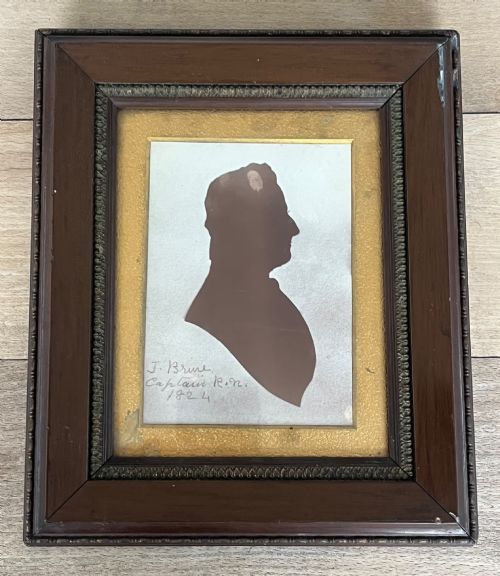
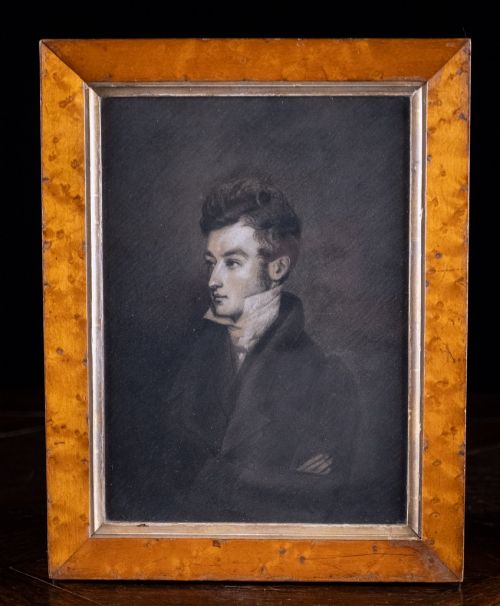
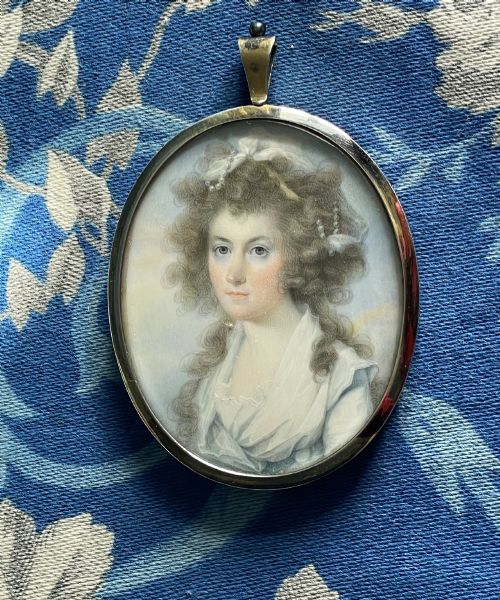
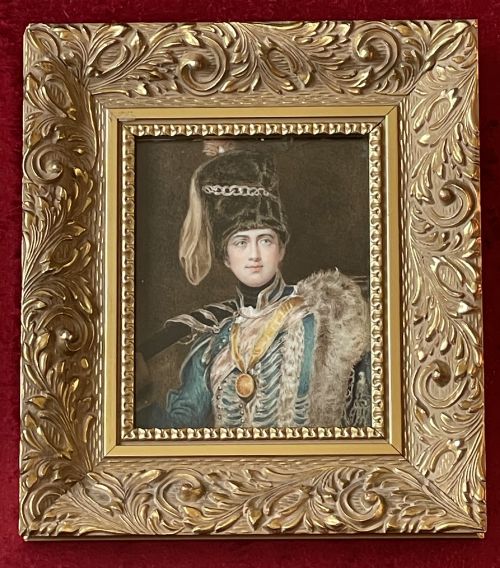
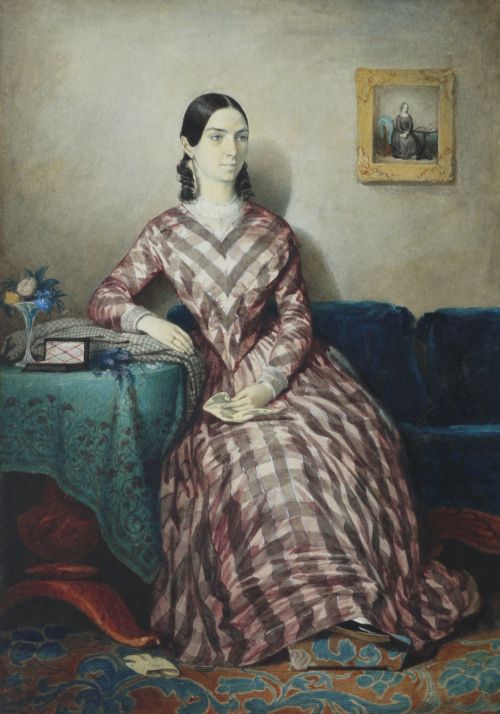
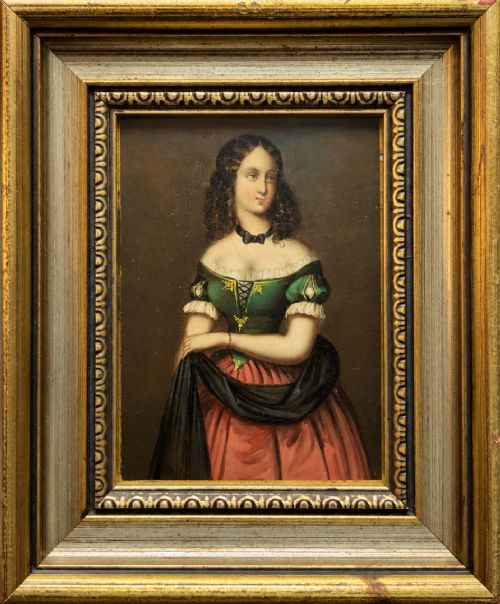
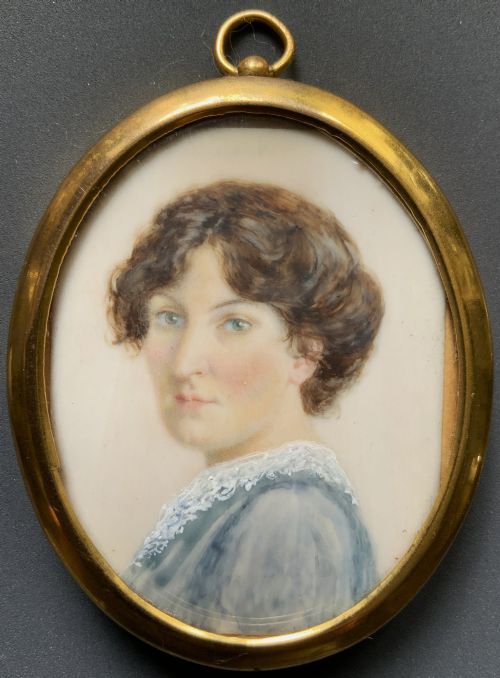
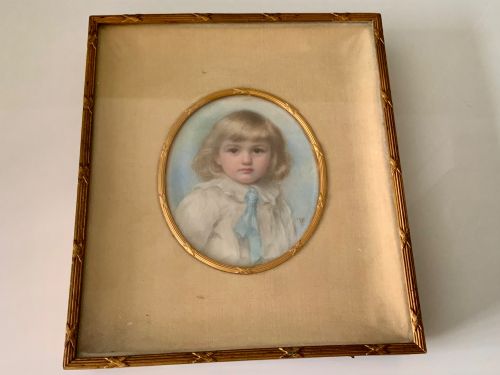
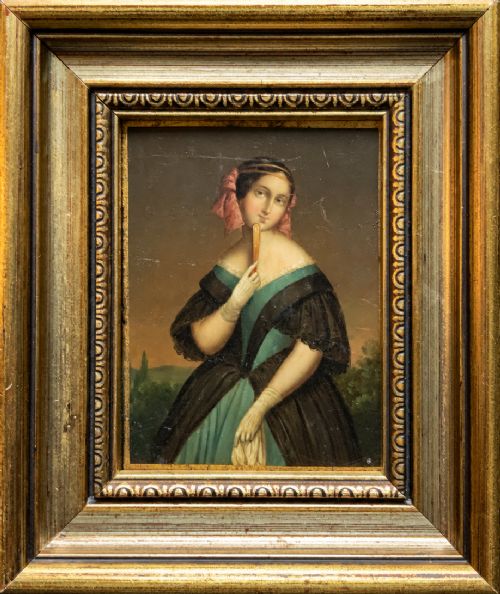
These vintage framed miniature pieces offer intimate portraits and delicate silhouettes spanning several centuries, capturing human likeness and detail on a remarkably small scale.
Vintage Framed Miniature
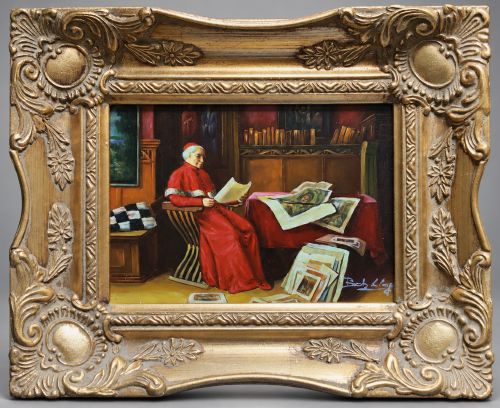
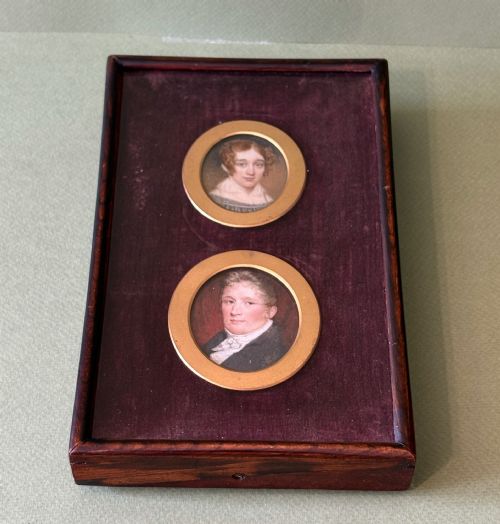
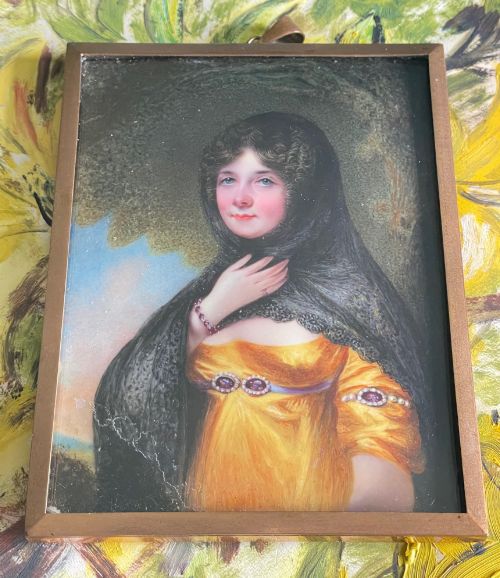
When you search for vintage framed miniature works, you encounter small-scale portraits, watercolours, and silhouettes housed in protective surrounds.
The selections span the Georgian, Regency, Victorian, and Edwardian periods, alongside 18th and 19th-century examples.
Portrait miniatures and framed prints dominate the offerings, often depicting individual sitters in watercolour, ink, or enamel.
Regional works include Anglo-Indian, Mughal, and Chinese pieces alongside European portraiture.
How they were made
Artists painted these delicate subjects on paper, card, or enamel, utilising watercolour, gouache, pencil, and ink.
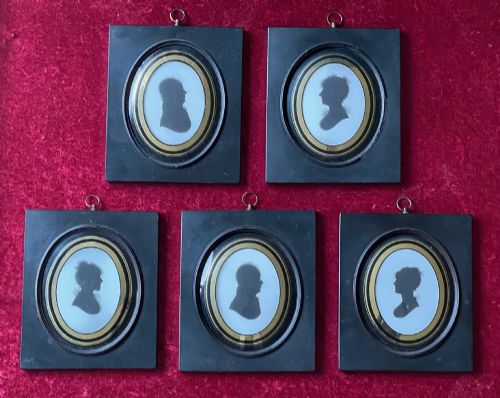
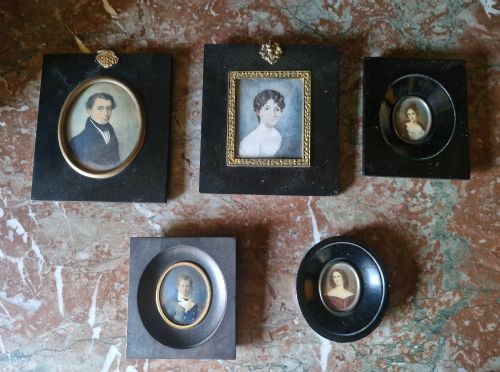
Makers housed the delicate artworks behind glass within wooden frames, frequently utilising ebonised wood, rosewood, brass, or gilt wood.
Silhouettes involved cut paper or precise painting, capturing profiles with sharp contrast.
Vintage Framed Miniature Retail Price Guide 2026
Typical asking prices for vintage framed miniature among the pieces listed under this phrase on Sellingantiques today, from the lower quarter to the upper quarter. They describe what is for sale here now, not the wider market.
Listings feature works across the 18th, 19th, and early 20th centuries, executed in watercolour, gouache, pencil, and enamel.
What varies in quality
The fineness of the brushwork and the precision of the sitter's facial expression set superior portraits apart from simpler works.
The preservation of the paper or enamel beneath the glass determines the visual clarity of the piece.
The original framing, whether ebonised wood or gilt, contributes significantly to the historical integrity of the object.
Alessandro Cittadini·Bateman·Augustin Edouart·Horace Hone·John Smith of Edinburgh
The Vintage Framed Miniature Glossary
- Silhouette
- A solid profile portrait, usually cut from black paper or painted in ink on a light background. This technique gained immense popularity during the Georgian and Regency eras.
- Portrait miniature
- A small, highly detailed painting of a person, executed with fine brushes on paper, card, or enamel. They were often kept as personal tokens of affection.
- Plumbago
- A drawing executed in graphite, taking its name from the Latin word for lead. These monochrome works show remarkable tonal subtlety.
- Gouache
- An opaque water-based paint that provides solid, vibrant areas of colour. It appears frequently in Mughal and Indian miniature traditions.
- Ebonised wood
- Timber treated to resemble ebony, creating a dark, uniform finish. This material is typical of frames housing 19th-century silhouettes.
Vintage Framed Miniature: Frequently Asked Questions
What are vintage framed miniature portraits?
These pieces are small-scale paintings and silhouettes created in past centuries, designed to be held or hung closely on walls.
They record individual likenesses with remarkable intimacy, utilising fine watercolours, ink, and enamel.
How were these miniatures displayed originally?
Owners hung them in small groupings on panelled walls or kept them on desks and dressing tables.
Their compact scale allowed people to carry them while travelling or arrange many pieces within a modest wall space.
How do I care for a framed miniature?
Keep the pieces away from direct sunlight to prevent the watercolours and paper from fading over time.
Maintain a stable indoor climate to protect the historic wood frames and the delicate paper or enamel inside.
How can I tell the period of a miniature?
The clothing and hairstyles of the sitters offer clear clues to the era in which the work was produced.
Frame styles, materials like ebonised wood or brass, and mounting techniques also help date the piece accurately.