






Vintage Fox Print
These vintage fox print works capture British sporting art through framed engravings, watercolours, and chromolithographs.
Vintage Fox Print
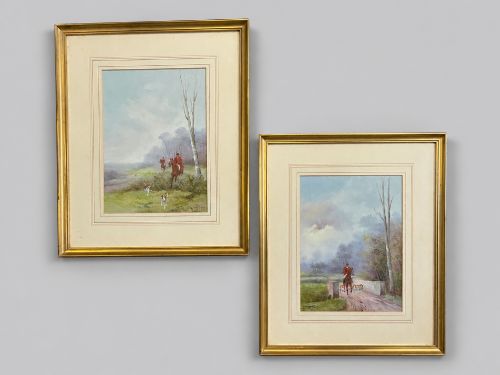
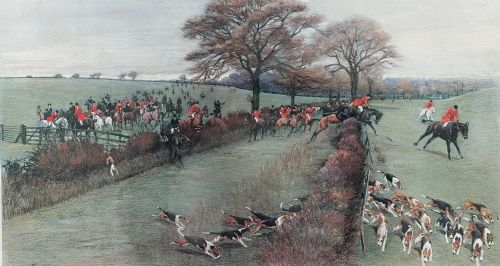
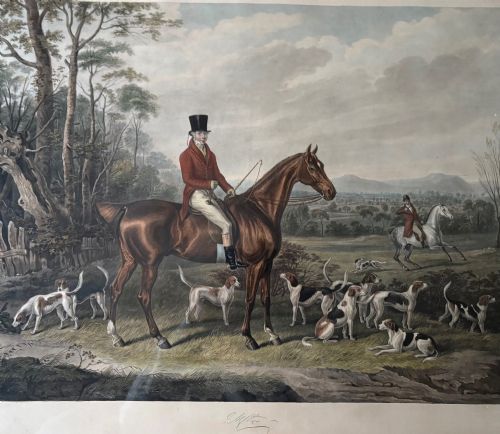
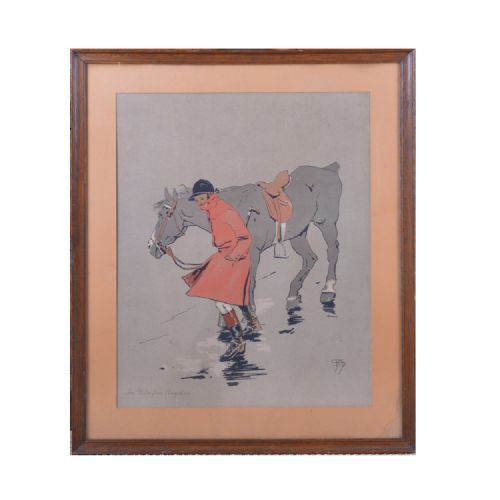
A vintage fox print brings British sporting art into a room through framed engravings, watercolours, and chromolithographs spanning the nineteenth and twentieth centuries. These works record hunting scenes, country house subjects, and equestrian gatherings across paper, cardboard, and card.
Buyers encounter framed prints, framed art prints, and original watercolours from periods including the Victorian era, Edwardian sporting art, and the nineteen-twenties. Subjects often depict specific packs and hunts such as the Quorn, Belvoir, and Cottesmore.
The selection ranges from individual framed art pieces to sets of four engravings and double prints from Vanity Fair. Each piece reflects the enduring appeal of traditional English country pursuits rendered in ink and colour.
Materials and techniques
The works utilise paper and cardboard supports finished with ink, watercolour, and hand colouring. Engravings provide the linear framework, sometimes enhanced with gold leaf accents on associated pieces.
Framing typically involves wood and glass to protect the delicate paper surfaces from environmental damage. Chromolithography and aquatint techniques allow for layered colour reproduction in the published editions.
Original watercolours show direct pigment application by hand, distinguishing them from mechanical print runs. Cardboard backing and vintage frames complete the construction of these period items.
Vintage Fox Print Retail Price Guide 2026
Typical asking prices for vintage fox print among the pieces listed under this phrase on Sellingantiques today, from the lower quarter to the upper quarter. They describe what is for sale here now, not the wider market.
Listings feature paper, glass, wood, watercolour, ink, oak, gold leaf, and cardboard across Victorian and twentieth-century periods.
Judging the range
Quality rests upon the strength of the printing impression and the vibrancy of any hand colouring applied to the paper. Crisp lines in the engraving and well-preserved watercolour pigments elevate an example significantly.
The distinction between a mass-produced print and an original hand-coloured work or watercolour painting dictates the standing of the piece. Associated framing in period wood adds to the integrity of the object.
Charles Johnson Payne Snaffles·Francis Calcroft Turner·Frank Algernon Stewart·Charles Hunt
The Vintage Fox Print Glossary
- Aquatint
- A printmaking technique that produces tonal areas resembling watercolours. It achieves this by acid-biting a resin-coated copper plate before printing onto paper.
- Chromolithography
- A multicolour planographic printing process used to produce coloured prints. It relies on a separate stone for each colour applied.
- Engraving
- A print created by cutting lines into a metal plate with a burin. Ink is held in these recessed lines to transfer the image onto paper.
- Hand coloured
- A print finished with watercolour or ink applied by hand after the initial printing process. This adds individual character to each sheet.
Vintage Fox Print: Frequently Asked Questions
Are these prints original period pieces?
The selection includes original watercolours, hand-coloured engravings, and chromolithographs dating from the nineteenth and twentieth centuries. Each listing records the specific period or date associated with the item.
Buyers should examine the materials and printing techniques noted in each entry to understand the age and method of production for that specific artwork.
How are these artworks usually framed?
Most pieces arrive in wooden frames behind glass to protect the paper, card, and watercolour surfaces from dust and moisture. Some retain their period frames, which can show age-related wear appropriate to their history.
Framing styles vary from simple moulding to more substantial wooden surrounds that complement the traditional equestrian and sporting subjects.
What subjects do these prints show?
The artworks predominantly depict British sporting art, including hunting scenes, equestrian portraits, and country house life. Named hunts such as the Quorn and Belvoir frequently appear in the titles and sequences.
Works also include character studies and humorous depictions related to traditional rural pursuits and canine subjects.
How do I care for a vintage print?
Protect paper and watercolour artworks by hanging them away from direct sunlight to prevent fading of the inks and pigments. Maintaining stable indoor humidity prevents warping of the paper and damage to the wooden frame.
Keep the glass clean with a dry or lightly dampened cloth, avoiding any moisture near the edges where it might seep under the mount.