




Vintage Fox Mount
These vintage fox mount pieces capture traditional sporting life through taxidermy masks, bronze sculptures, and original prints for your country house wall.
Vintage Fox Mount
A vintage fox mount typically brings traditional British sporting character into a room, taking the form of taxidermy masks and related equestrian art. When searching for a vintage fox mount, buyers encounter pieces rooted in Edwardian and early twentieth-century country house aesthetics.
The taxidermy masks within this selection appear mounted for wall display, frequently credited to notable taxidermy firms. Alongside these preserved heads, the category broadens to include bronze animalier studies, framed original watercolours, and hunting whips.
Most examples date from the early decades of the twentieth century, reflecting a distinct period of British sporting culture. Collectors meet variations ranging from mounted fox masks on wooden shields to framed prints by artists such as Snaffles.
Materials and construction
Bronzes are cast using traditional foundry methods, often finished with cold-painted polychrome colours or rich patination. These metal sculptures frequently incorporate natural stone bases such as green onyx to support the weight of the bronze.
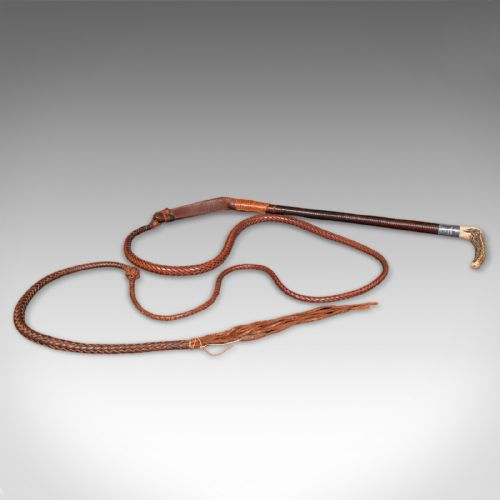
Paper works and prints utilise period printing techniques, watercolours, and card stock, housed within simple timber frames. Equestrian accessories combine carved wood handles, braided English leather, and hallmarked silver collars.
Vintage Fox Mount Retail Price Guide 2026
Typical asking prices for vintage fox mount among the pieces listed under this phrase on Sellingantiques today, from the lower quarter to the upper quarter. They describe what is for sale here now, not the wider market.
Materials represented across the selection include natural fur, glass, bronze, green onyx, silver, English leather, and oak.
Markers of distinction
Taxidermy quality rests upon the skill of the taxidermist in preserving the natural expression and condition of the fur over time. Pieces bearing documented signatures or labels from prominent workshops hold a distinct place within the field.
Bronze sculptures vary according to the crispness of the casting detail and the preservation of the original painted surface or patina. Artworks are judged by the clarity of the print, the presence of original hand-colouring, and the condition of the paper.
Equestrian equipment and hunting whips depend on the integrity of the braided leather and the quality of the silver work on the collar. The choice of mounting materials, from polished oak to fine green onyx, also contributes to the overall finish.
Peter Spicer and Sons·Swaine Adeney
The Vintage Fox Mount Glossary
- Taxidermy mask
- The preserved head and neck of an animal, prepared for wall hanging. These mounts form a central part of traditional sporting decor.
- Cold painted bronze
- A sculpture cast in bronze and painted with non-heat-set paint. This technique allows for detailed polychrome decoration on small figures.
- Vanity Fair print
- A chromolithograph caricature published in the Victorian and Edwardian magazine. These prints frequently depict prominent figures in sporting attire.
- Green onyx
- A decorative banded stone often utilised for sculpture bases. It provides a heavy, polished foundation for bronze animal studies.
Vintage Fox Mount: Frequently Asked Questions
How do I hang a taxidermy fox mask?
Most taxidermy masks feature a secure metal bracket or hanging loop attached to the reverse of the wooden shield. Ensure you use a heavy-duty wall fixing suited to the weight of the timber and plaster.
Position the mount at eye level or slightly above to replicate traditional country house display methods. Keep the piece away from direct sunlight and damp environments to protect the natural fur.
What period do these sporting pieces come from?
The pieces listed span from the Edwardian era through the mid-twentieth century, with a strong representation from the nineteen-twenties and thirties. This timeframe encompasses the height of traditional British sporting art and taxidermy.
Stylistic cues such as wooden shield designs, framing methods, and artist signatures help confirm the age of each individual item.
How should I care for natural fur taxidermy?
Maintain the condition of the fur by gently brushing it with a soft-bristled brush to remove dust. Avoid using water or chemical cleaners directly on the preserved skin.
Check the room humidity regularly, as extreme temperature fluctuations can damage both the natural hair and the taxidermy mount.
Are hunting whips still collectible today?
Vintage hunting whips remain sought-after by collectors of equestrian accessories and country house items. The presence of hallmarked silver collars and fine leather braiding adds to their appeal.
Display them horizontally on wall brackets or keep them gathered in a traditional ceramic umbrella stand.