





Vintage Fox Artwork
Vintage fox artwork captures the brisk energy of the chase through traditional British sporting scenes.
Vintage Fox Artwork
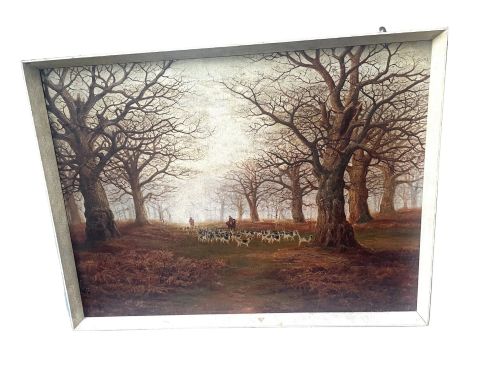
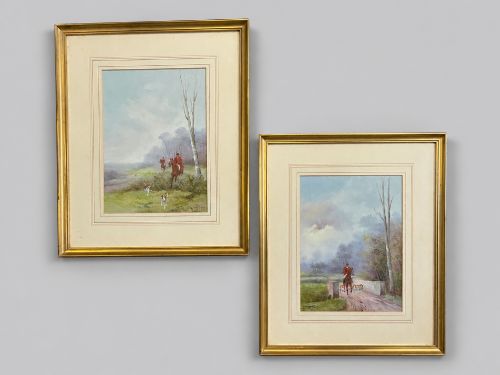
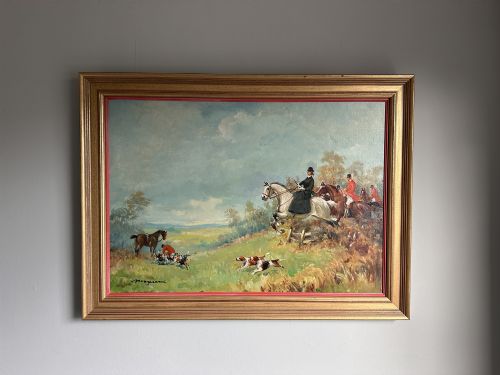
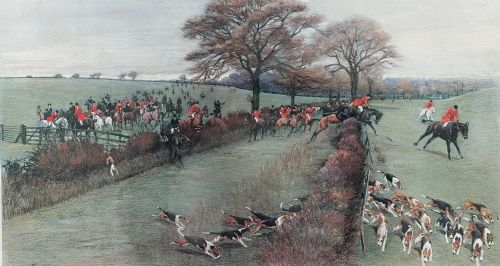
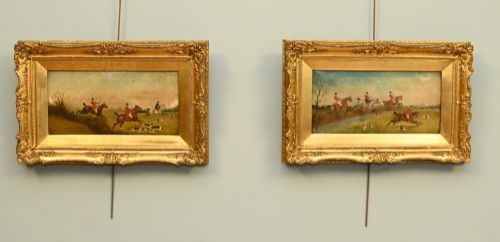
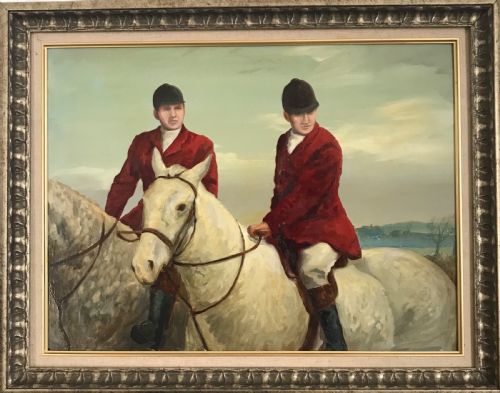
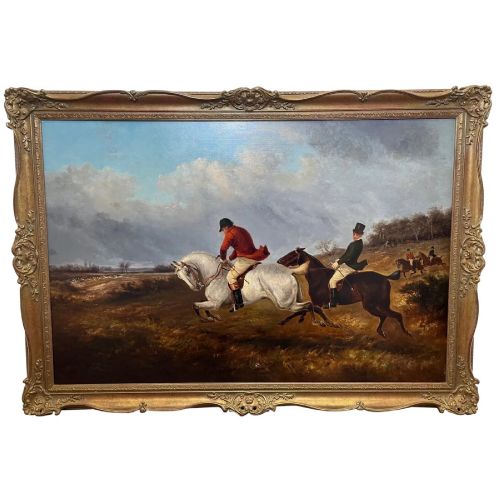
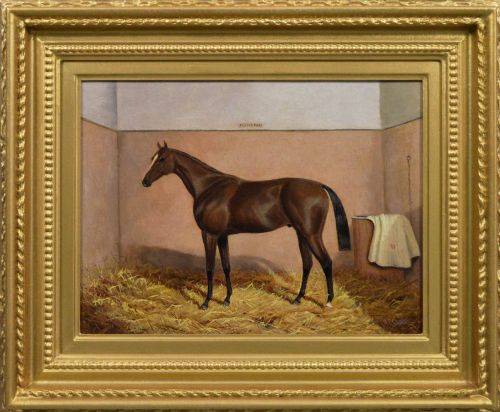
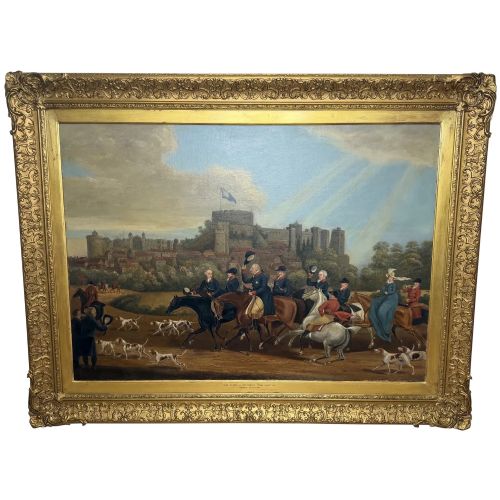
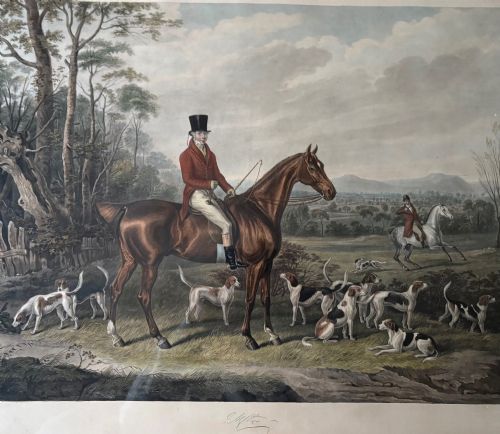
Vintage fox artwork encompasses historical depictions of hunting scenes, hounds, and equestrian subjects associated with traditional British sporting art. These pieces range from Victorian oils on canvas to Edwardian watercolours and mid-century prints.
Collectors encounter framed prints, hand-coloured engravings, and original watercolours bearing the signatures of established sporting artists. The visual focus centres on the motion of the hunt, full-cry sequences, and canine portraits.
The material presentation typically involves period wooden frames, often housing works on paper or canvas panels. The character of these objects reflects the aesthetic preferences of nineteenth and early twentieth-century country life.
Materials and methods of creation
The physical objects rely on traditional media such as oil paint on canvas or wood panels, alongside delicate watercolours and inks on paper. Engravings and prints utilise hand-colouring techniques applied to inked impressions.
Framing frequently incorporates gilt wood and glass to protect works on paper from atmospheric degradation. The physical substrate ranges from heavy woven canvas to dense drawing papers and card.
Vintage Fox Artwork Retail Price Guide 2026
Typical asking prices for vintage fox artwork among the pieces listed under this phrase on Sellingantiques today, from the lower quarter to the upper quarter. They describe what is for sale here now, not the wider market.
Several items preserve the ink signatures and festive greetings of Charles Johnson Payne, known as Snaffles.
Factors influencing execution and refinement
Distinction in these pieces rests upon the surety of the draughtsmanship and the artist's ability to render the dynamic movement of horses and hounds. Superior examples display anatomical precision in both human and animal figures.
The depth of composition and the handling of light across open countryside separate masterworks from routine workshop output. Provenance and the presence of artist signatures further define the standing of individual pieces.
Cecil Charles Windsor Aldin·Thomas Smythe·Albert Clark·Henry Charles Fox·Basil Nightingale·Philip Henry Rideout·Michael Lyne·John Sanderson-Wells·Charles Clifford Turner·Charles Johnson Payne Snaffles·Guillaume Urban Régamey·William J Hodgson·H Alken·Geoffrey Mortimer·J F Herring·Frank Algernon Stewart·Frank Dadd
The Vintage Fox Artwork Glossary
- Watercolour
- A painting method where fine pigment is mixed with water-soluble binders on paper. This medium allows for transparent washes that capture shifting light in outdoor scenes.
- Aquatint
- An intaglio printmaking technique that produces tonal areas resembling watercolour washes. It was frequently utilised to reproduce tonal hunting scenes.
- Chromolithograph
- A multicoloured print produced through lithography using separate stones for each ink. This technique enabled faithful colour reproduction of original sporting paintings.
- Signet ring
- A personal piece of jewellery bearing a carved seal used for stamping wax. These metal bands often accompany historical archival documents.
- Gilt wood
- Carved timber treated with a thin layer of gold leaf. This material frames many period artworks to enhance their visual weight.
Vintage Fox Artwork: Frequently Asked Questions
What periods do these pieces date from?
The inventory spans the nineteenth and twentieth centuries, encompassing Victorian, Edwardian, and later modernist eras.
Production dates cluster heavily around the late Victorian period through to the nineteen-twenties and nineteen-thirties.
How should these framed works be displayed?
Pieces require placement away from direct sunlight to preserve fragile watercolours and tinted paper stocks.
Stable indoor humidity prevents the warping of wooden frames and protects nineteenth-century canvas supports.
Are these works original or printed reproductions?
The selection contains both original hand-painted oils and watercolours alongside period printed engravings and lithographs.
Individual listings specify whether the item is an autograph painting or a published print from the era.
What subjects appear alongside foxes in the art?
Common companion subjects include huntsmen on horseback, packs of foxhounds, and rural landscape views.
Equestrian portraits and depictions of specific historic hunts feature prominently across the available works.