
Vintage Footstool Bench
These vintage footstool bench selections offer low seating and footrests spanning the nineteenth and twentieth centuries.
Vintage Footstool Bench
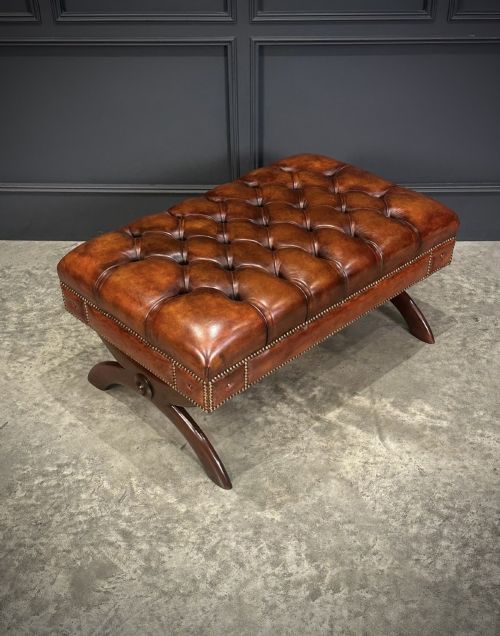
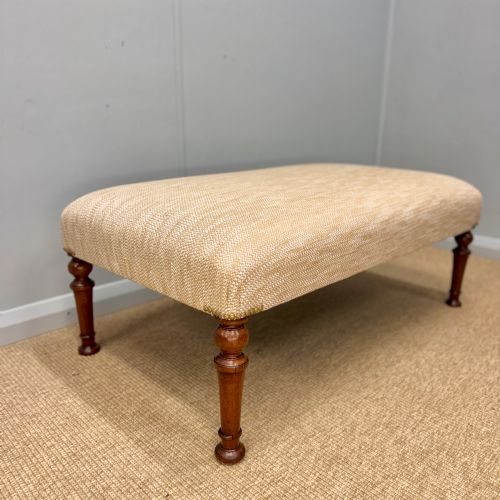
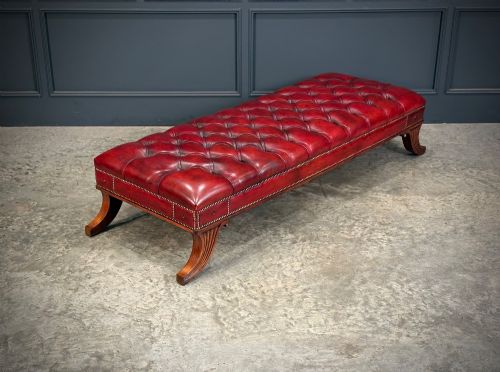
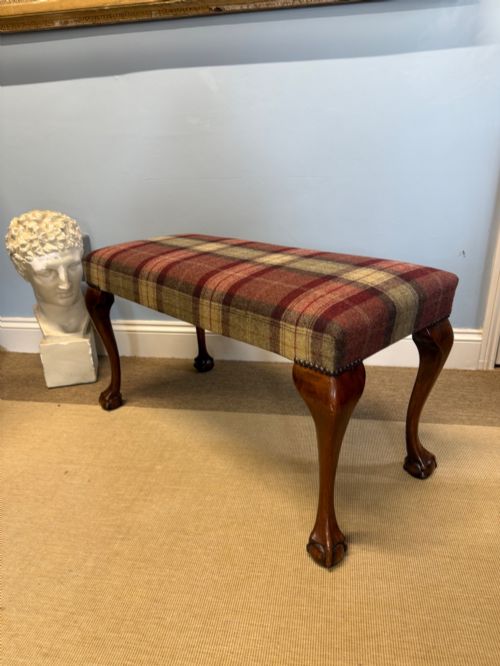
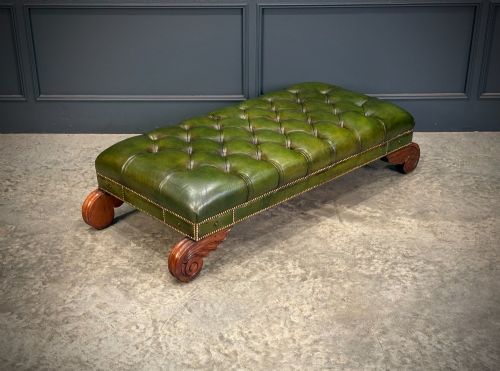
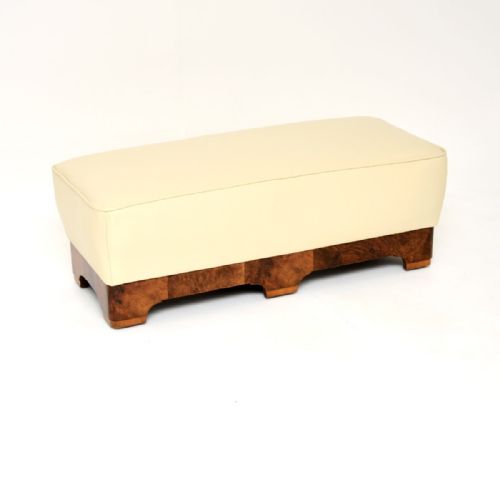
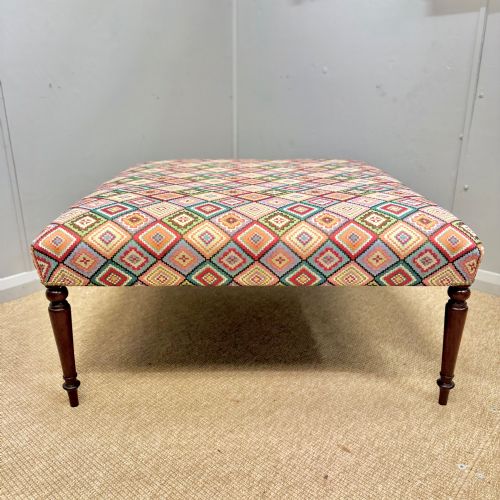
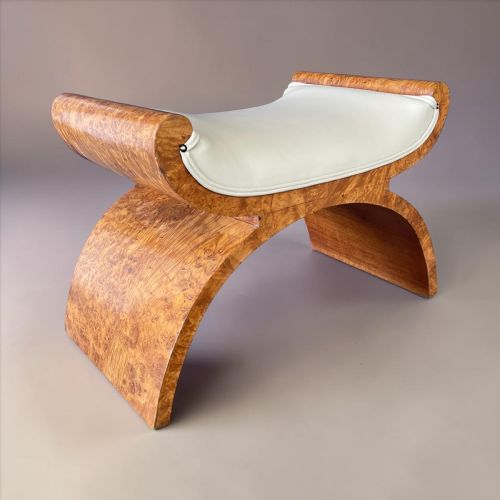
A vintage footstool bench combines low seating and footrests in forms ranging from simple milking stools to large leather hearth seats and upholstered ottomans. Buyers seeking a vintage footstool bench will encounter diverse historical styles including Victorian buttoned leather, Art Deco burr walnut, and Edwardian wood designs.
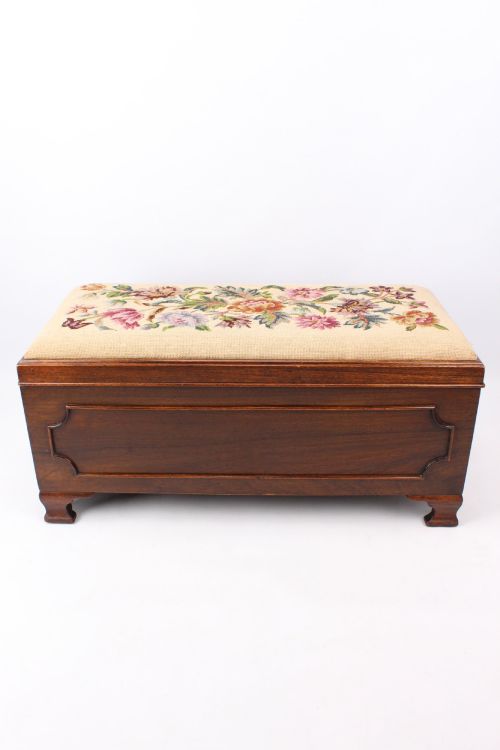
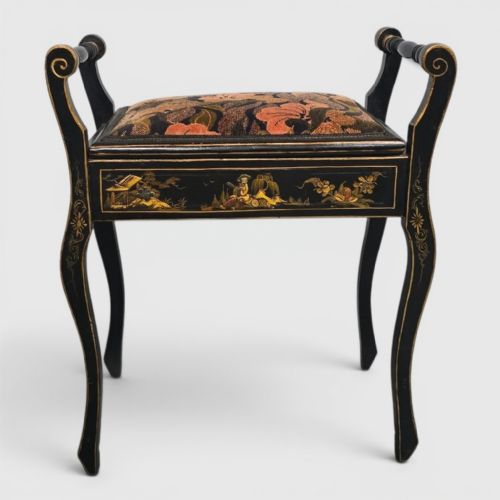
The pieces listed span multiple decades and centuries, incorporating specific functional types such as piano stools, dressing table stools, window seats, and long benches. Many examples feature timber frames paired with period textiles, needlework, or newly applied upholstery.
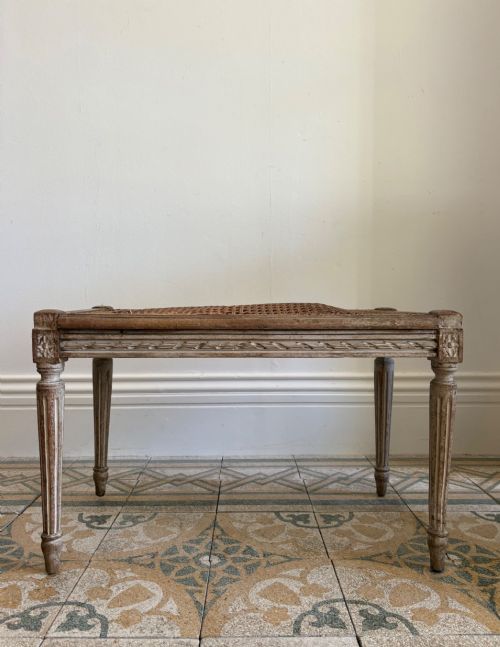
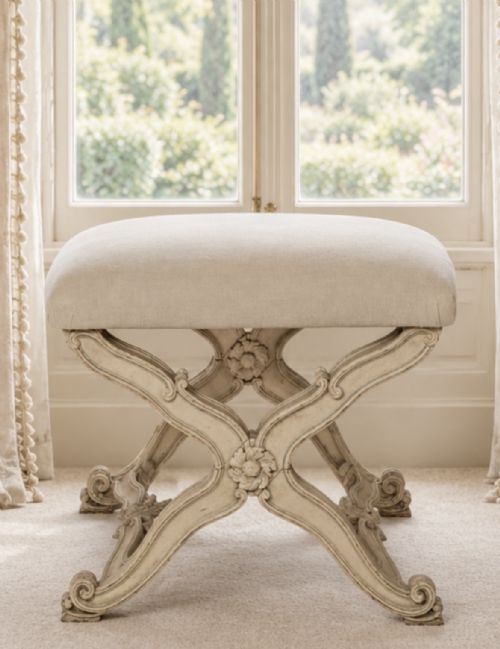
Origins vary widely across the selection, featuring English mahogany and oak pieces alongside French painted frames, Chinese lacquered elm, and Eastern European rustic painted examples. This variety provides numerous options for integrating low seating into traditional or modern interiors.
How they were made
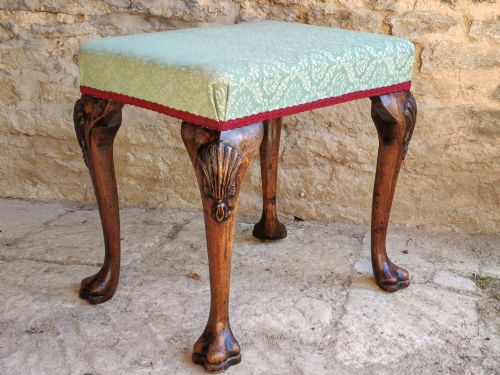
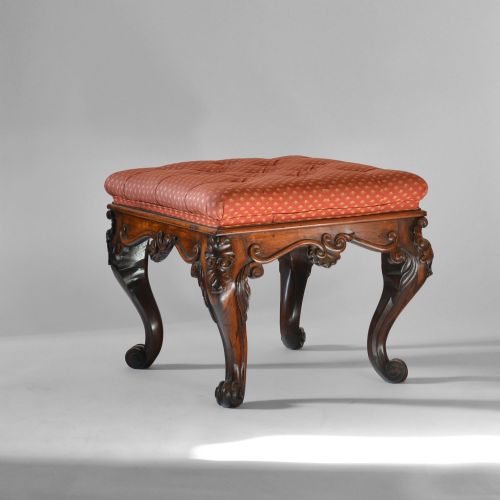
Frames rely principally on traditional timbers such as mahogany, walnut, oak, elm, and rosewood, often shaped with carved cabriole legs, twisted rope supports, or pegged construction. Artisans utilised both formal joinery techniques and simpler rustic methods depending on the origin and intended use of the stool.
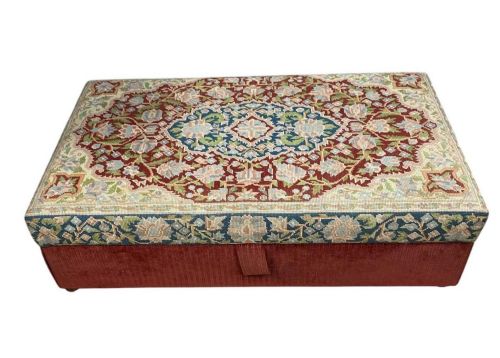
Upholstery methods involve traditional stuffing and springs covered in hand-dyed buttoned leather, wool, chenille, tapestry, and needlepoint textiles. Decorative surface treatments include white or coloured paint finishes, lacquer, and polished wood grains like birds-eye maple and burr walnut.
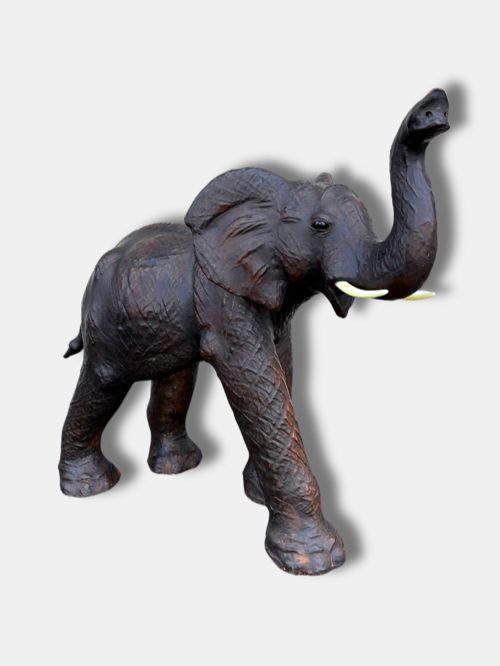
Several rustic milking stools and elephant bench seats wait patiently to support tired feet.
What varies in quality
The calibre of a piece depends heavily on the integrity of the timber frame and the sophistication of its carving, turning, or painted finish. Finer examples display crisp detail in woodwork, such as pegged joints or well-proportioned cabriole legs, whereas simpler pieces show robust utilitarian construction.
Materials and upholstery execution also dictate the tier of the piece, ranging from simple rustic elm boards to intricate hand-dyed buttoned leather and specialised needlework or tapestry tops. The historical significance of specific design movements, such as Art Deco burr walnut or Regency styling, further distinguishes individual pieces.
Harry and Lou Epstein
The Vintage Footstool Bench Glossary
- Cabriole leg
- An S-shaped furniture leg curving outward at the knee and tapering inward toward the foot. This form appears frequently on Victorian and eighteenth-century style dressing table stools.
- Needlepoint
- Embroidery stitched onto canvas mesh to create decorative floral or geometric patterns. It provides durable and colourful seat covers for period walnut stools and ottomans.
- Burr walnut
- Timber sliced from walnut tree growths, producing swirling, highly figured grain patterns. Art Deco designers utilised this veneer to create striking decorative surfaces on dressing stools.
- Pegged construction
- A traditional joinery method using wooden pins to secure joints without metal fasteners. English oak and rustic pieces often employ this technique for structural stability.
Vintage Footstool Bench: Frequently Asked Questions
What is a vintage footstool bench used for?
These pieces serve primarily as low seats, dressing table companions, piano benches, or supports for resting feet. Larger formats function effectively as hearth seats or coffee table substitutes in living spaces.
Their compact dimensions allow them to fit easily beneath tables, beside windows, or at the foot of a bed while providing functional everyday utility.
How do I identify the period of a stool?
Dating relies on examining the timber species, joinery methods, upholstery styles, and decorative motifs present on the frame. Victorian and Regency pieces often feature heavy mahogany or walnut with turned legs, while Art Deco examples showcase geometric lines and exotic veneers.
Comparing construction details against established historical styles helps narrow down the decade of manufacture.
Are the upholstery coverings original?
Many listings feature newly applied upholstery or restored fabric covers placed over traditional frames to ensure usability. Other pieces retain period leather, needlepoint, or painted finishes as noted in their individual descriptions.
Buyers should check specific descriptions to determine whether the textile surface is a modern replacement or a preserved antique fabric.
How do I care for leather and wood stools?
Wooden frames benefit from occasional polishing with appropriate waxes to maintain the finish and prevent the timber from drying out. Leather upholstery requires gentle cleaning and conditioning to preserve suppleness and prevent cracking over time.
Keeping pieces away from direct sunlight and extreme temperature fluctuations protects both the wooden structure and the textile or leather coverings.