


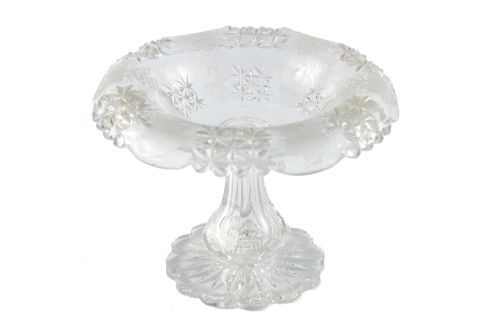


Vintage Footed Fruit Dish
A vintage footed fruit dish brings height and presence to a table, combining practical serving with decorative display across styles from the nineteenth century to the twentieth.
Vintage Footed Fruit Dish
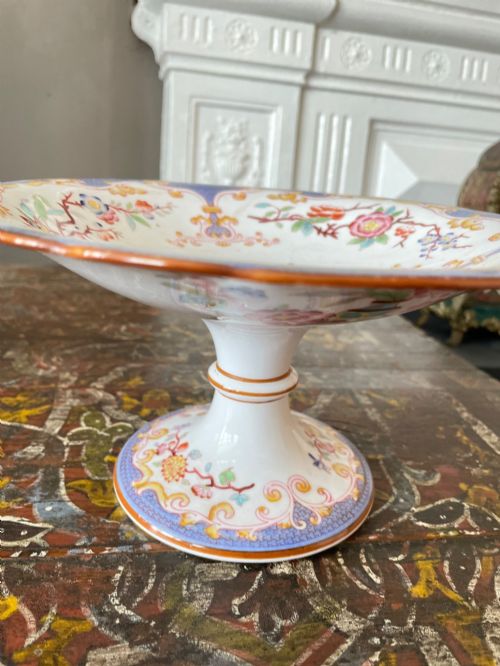
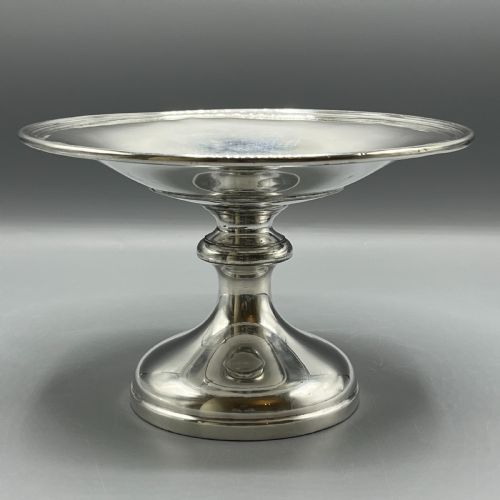
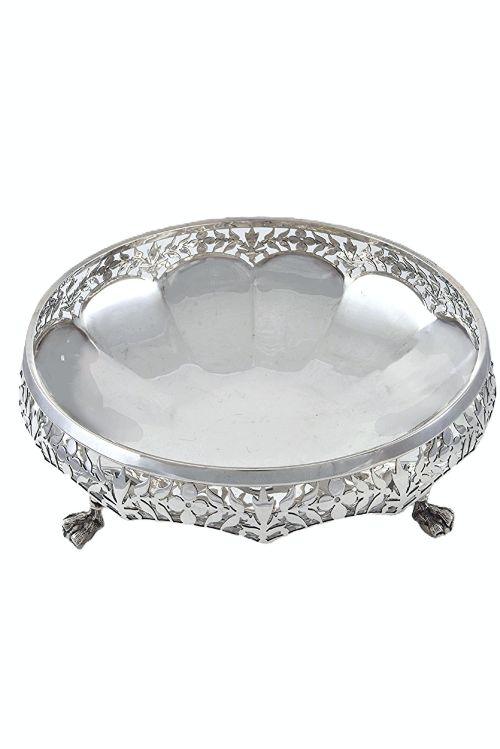
When you search for a vintage footed fruit dish, you encounter pedestal bowls, tazzas, comports and centrepieces designed to elevate fruit above the surface of a dining or side table. These pieces range from robust nineteenth-century ironstone to delicate crystal and glass vessels raised on stems or small feet.
The selections span distinct historical periods including the Georgian era, Victorian times, Edwardian years, and the Art Nouveau and Art Deco movements. Forms vary from simple earthenware comports to elaborate table centrepieces adorned with applied figures or intricate etched patterns.
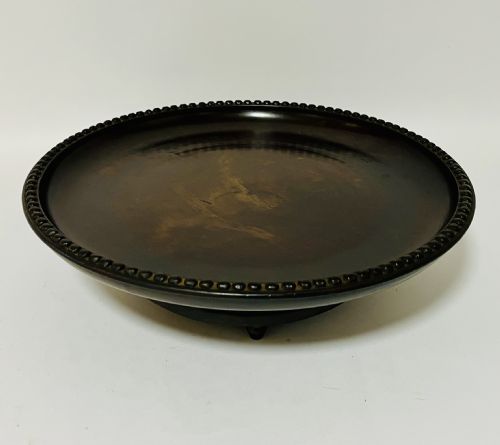
You will find regional variations among these raised bowls, such as Swiss musical wooden pieces, English ironstone and Continental crystal works. Each object serves the traditional purpose of presenting fruit while operating as a substantial decorative focal point in a room.
Materials and construction
Makers utilised heavy cut glass and lead crystal to achieve deep refractive facets and crisp etched patterns on pedestal bowls. These glass pieces often involved intricate mould-blowing and hand-cutting techniques.
Ceramic examples rely on ironstone and porcelain bodies, decorated with transfer printing, hand-painting in Imari palettes, or gold leaf accents. Metal components incorporate silver plating, hammered pewter, and gilt details to form mounts and supportive feet.
Vintage Footed Fruit Dish Retail Price Guide 2026
Typical asking prices for vintage footed fruit dish among the pieces listed under this phrase on Sellingantiques today, from the lower quarter to the upper quarter. They describe what is for sale here now, not the wider market.
One exceptional piece incorporates a Swiss musical movement inside a wooden fruit bowl, entertaining diners while holding their apples.
Distinctions in quality
Quality in these raised fruit dishes rests on the crispness of the moulding and the depth of the cut glass or detail in the ceramic transfer and hand-painting. Superior examples maintain sharp definition in decorative motifs and applied elements like roses and putti.
The weight of the material and the stability of the foot relative to the bowl contribute to the physical substance of the piece. Finer works display balanced proportions and precise execution from established glassworks and potteries.
St Louis glassworks·Schierholz Plaue·Masons Ironstone·R Lalique·Loetz·Royal Worcester
The Vintage Footed Fruit Dish Glossary
- Comport
- A raised dish on a stem or foot, traditionally used for serving fruit or sweetmeats at dessert.
- Tazza
- A small, broad, saucer-like dish set on a pedestal foot, often used interchangeably with a comport.
- Centrepiece
- A large decorative bowl or vessel placed in the middle of a dining table, frequently matched with pedestals.
- Ironstone
- A type of durable heavy earthenware developed in the nineteenth century as a robust alternative to porcelain.
- Lead crystal
- Glass containing metal oxide that increases weight, brilliance and clarity, allowing for deep decorative cutting.
Vintage Footed Fruit Dish: Frequently Asked Questions
How were footed fruit dishes used originally?
These dishes occupied the centre of the dining table during dessert courses, holding fresh or preserved fruit to conclude a meal.
Their elevated design allowed them to sit above other tableware, improving visibility and adding architectural height to the table arrangement.
What is the difference between a comport and a tazza?
A comport generally refers to a deeper bowl raised on a pedestal, suited specifically for holding quantities of fruit.
A tazza is typically shallower and flatter, resembling a stemmed saucer intended for display or lighter service.
How do I care for an antique glass fruit dish?
Wash glass and crystal pieces by hand in lukewarm water using mild soap, avoiding sudden temperature changes that can crack the material.
Dry them gently with a soft cloth to preserve the clarity and prevent water spots on cut or etched surfaces.
Can I use these bowls for daily dining?
Sturdier ironstone and thick glass vessels handle everyday use well, provided they are washed carefully and kept away from rough handling.
Delicate porcelain or gilt-decorated pieces demand a gentler approach and suit occasional display or gentle serving duties.