



Vintage Food Safe
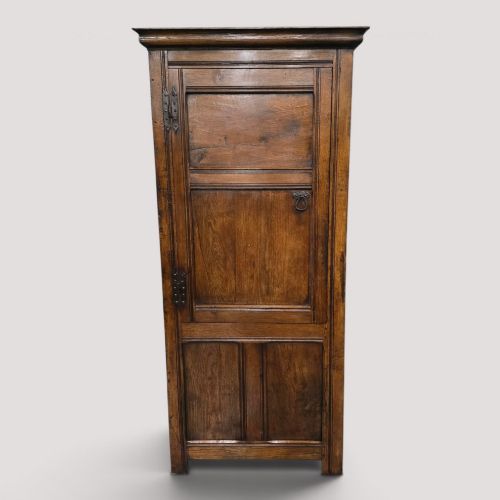
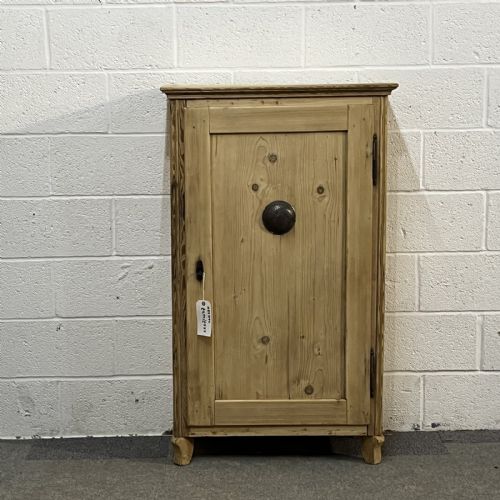
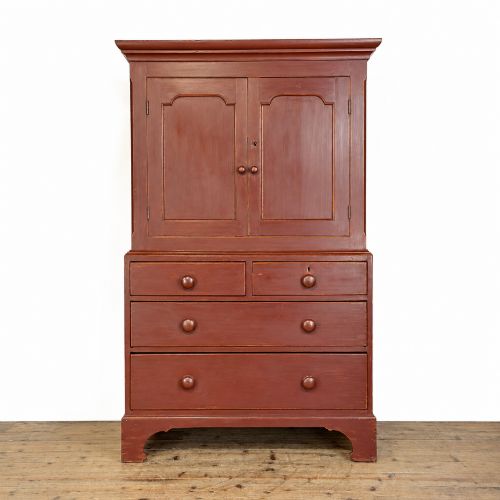
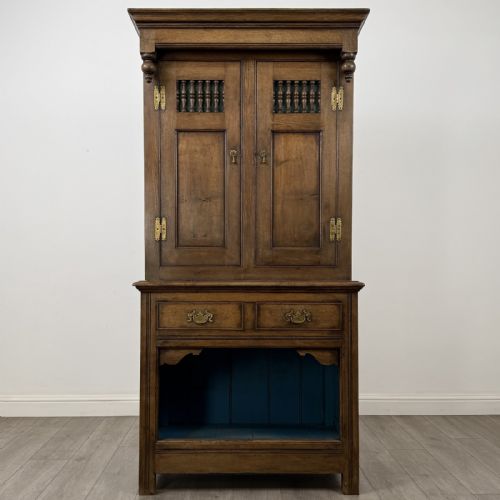
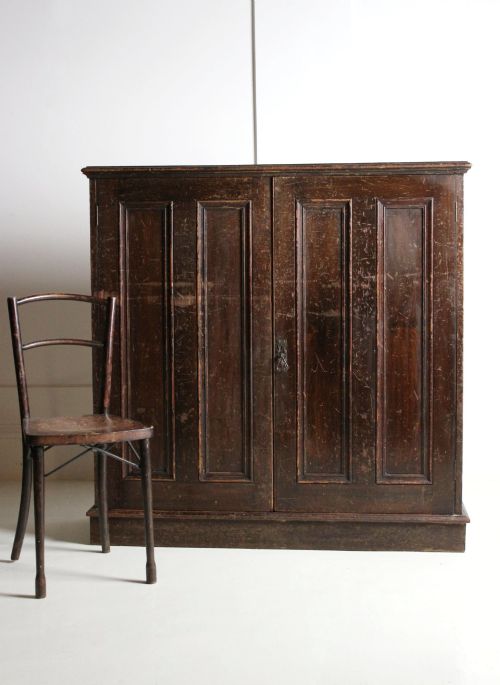
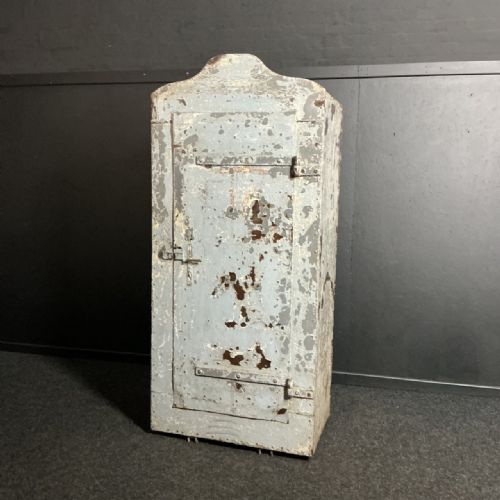
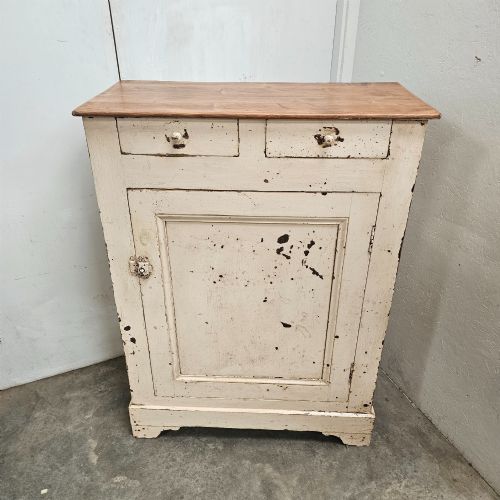
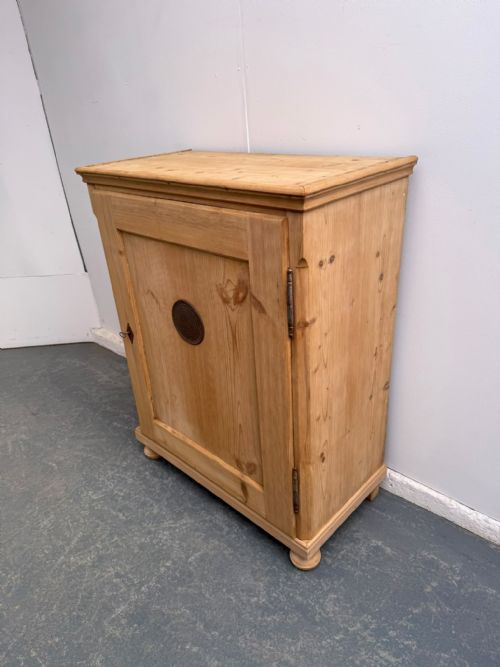
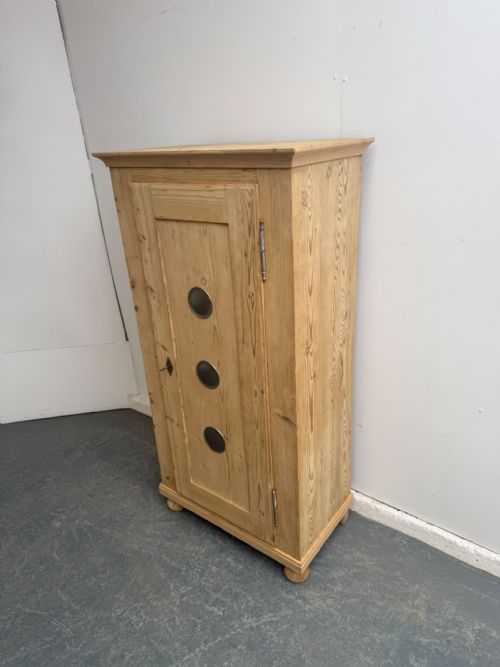
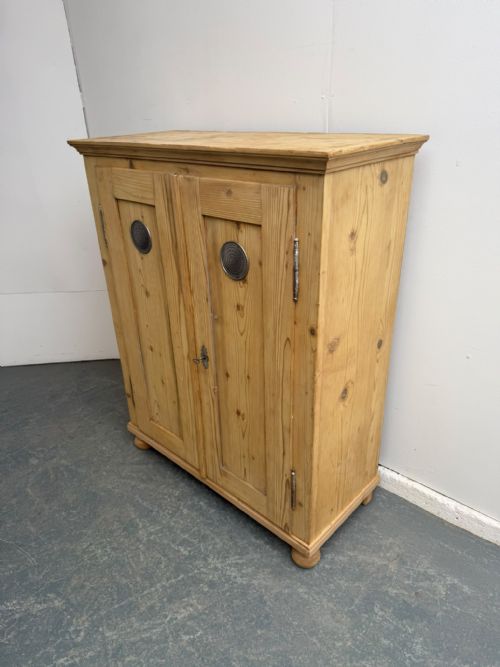
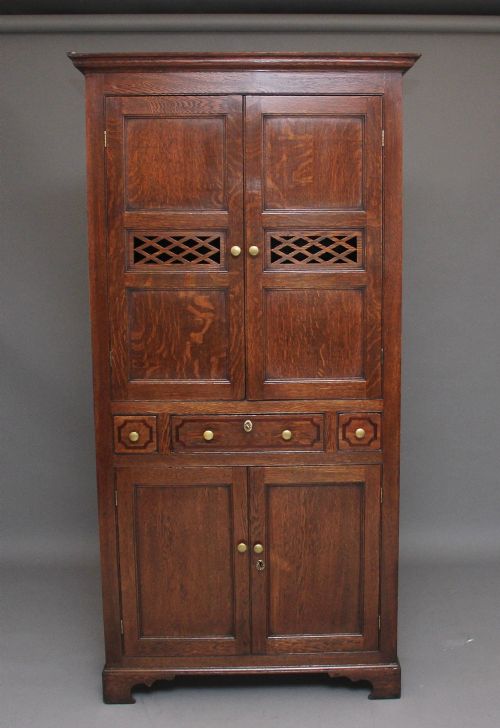
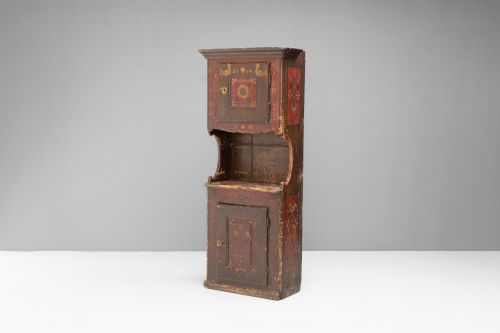
These vintage food safe pieces are practical kitchen and larder storage cupboards designed to protect provisions, built from honest pine, oak, and painted wood.
Vintage Food Safe
When you search for a vintage food safe, you find sturdy storage pieces designed for domestic provisions before mechanical refrigeration became common. The selections span vernacular forms from the seventeenth century through to the early twentieth century, including larder cupboards, housekeeper cupboards, and wall cabinets.
You are most likely to encounter painted pine and oak examples originating from English, French, and Scandinavian country houses and farmsteads. These practical cabinets range from modest single-door vented cupboards to large multi-door kitchen storage units.
Regional variations appear across the collection, from French confituriers and walnut panetières to Scottish and East European cupboards. Each piece reflects the local domestic needs and rural woodworking traditions of its origin.
How they were made
Carpenters built these utility cupboards using solid native timbers like pine, oak, and walnut, joined with traditional framing and panel methods. Iron and brass hinges, locks, and handles fastened the doors, while wrought iron fixtures reinforced structural points.
Many storage pieces received coats of paint or stained finishes to protect the wood from kitchen dampness and grease. Ventilation panels utilised pierced metal mesh or carved slats to keep perishable provisions aired while excluding insects.
Vintage Food Safe Retail Price Guide 2026
Typical asking prices for vintage food safe among the pieces listed under this phrase on Sellingantiques today, from the lower quarter to the upper quarter. They describe what is for sale here now, not the wider market.
Listings feature pine and oak timber across periods from the seventeenth century to the twentieth century.
What varies in quality
The distinction between standard utility furniture and finer pieces lies in the choice of timber and the restraint of the joinery. Selected oak and well-figured walnut examples display greater cabinet-making skill than basic pine boxes.
Original surface treatments, whether aged paint or untouched patinated wood, separate unrestored pieces from those heavily reworked over generations. Subtle details such as carved pillar panels or original pierced metal ventilation grilles elevate certain cupboards.
The Vintage Food Safe Glossary
- Panetière
- A traditional wall-mounted or freestanding cabinet used in France for storing bread. These pieces often feature spindle-turned galleries to allow air circulation.
- Confiturier
- A small French storage cupboard originally intended for confit jars and preserves. They typically present a single door above a compact footprint.
- Housekeeper's Cupboard
- A large storage cabinet traditionally kept in the domestic quarters of a substantial country house. These pieces served to organise household linens, dry goods, and provisions.
- Vented
- Fitted with perforated metal panels, wire mesh, or slatted wood to permit airflow. This construction kept stored food fresh in domestic larders.
- Patina
- The surface sheen and softening of edges developed by wood and paint over decades of use. Collectors value this visual record of age.
Vintage Food Safe: Frequently Asked Questions
What is a vintage food safe?
A vintage food safe is a ventilated cabinet designed to store bread, cheese, and perishable provisions in domestic kitchens before electric refrigerators existed.
These pieces use mesh panels, pierced metal, or louvred slats to maintain air circulation while keeping pests away from food.
How were food safes used?
Households placed them in pantries, larders, or cool kitchen corners to hold daily provisions away from flies and dust.
Their ventilated doors allowed fresh air to reach stored items, helping to prevent mould in damp conditions.
How do I clean a painted pine cupboard?
Use a soft, dry cloth to remove dust from the surfaces, avoiding harsh chemical cleaners that strip aged paint.
Apply a gentle wax or appropriate furniture balsam if the pine timber feels dry, testing any product on an inconspicuous area first.
How can I tell the period of an oak cupboard?
Examine the construction methods, tool marks on the timber, and the style of any carved panels or mouldings.
Earlier seventeenth-century pieces display heavier pegged joinery and vernacular detailing, whereas twentieth-century examples show more standardised machine-cut elements.