

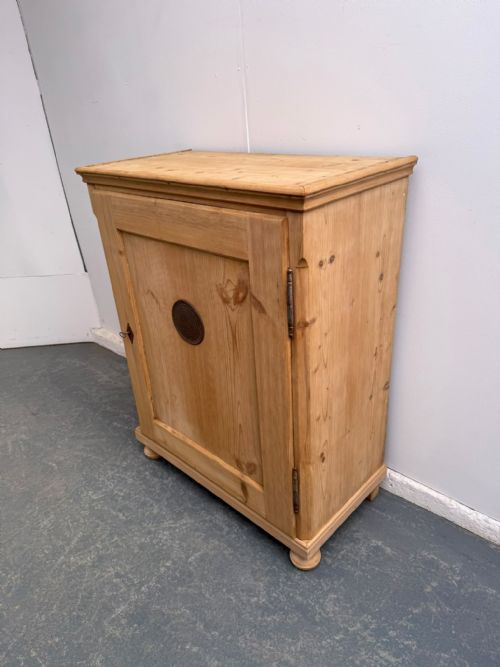
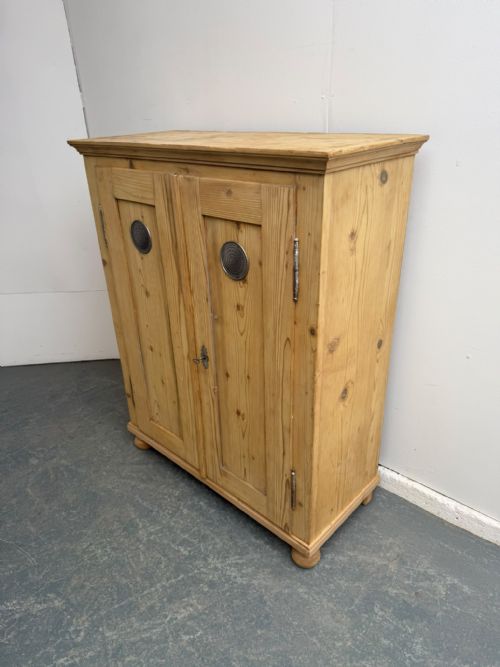
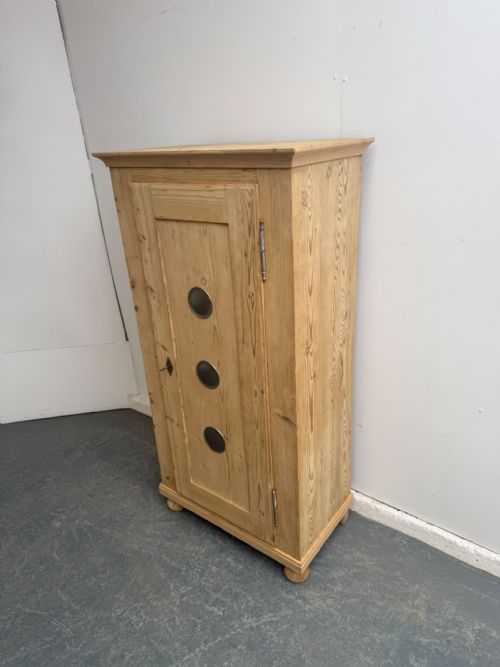

Vintage Food Cupboard
A vintage food cupboard brings practical storage and rustic character to a room, offering sturdy shelves originally built to keep provisions fresh.
Vintage Food Cupboard
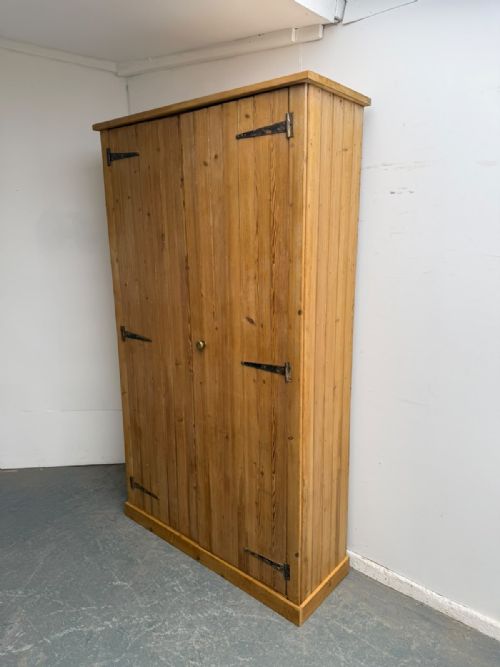
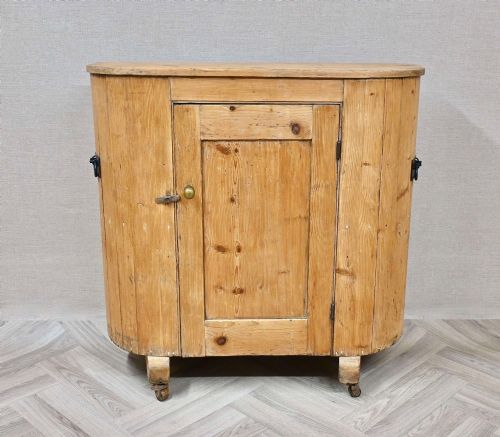
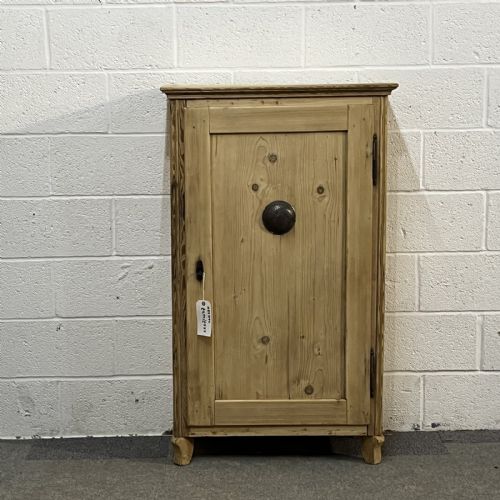
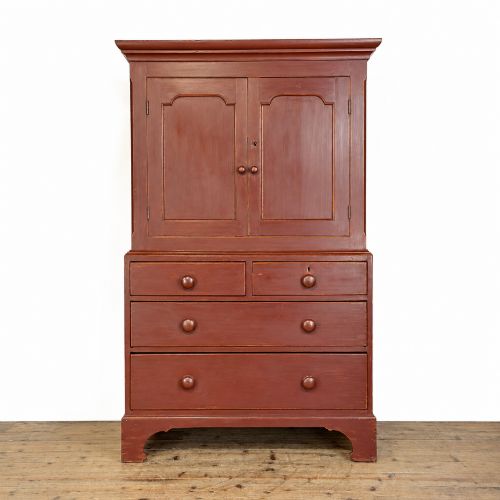
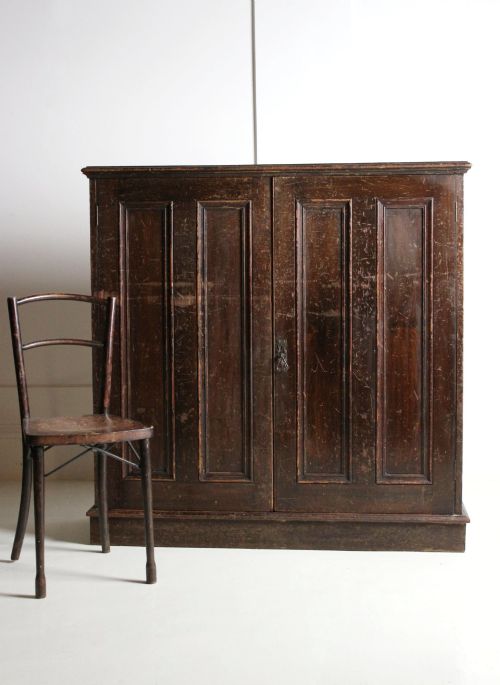
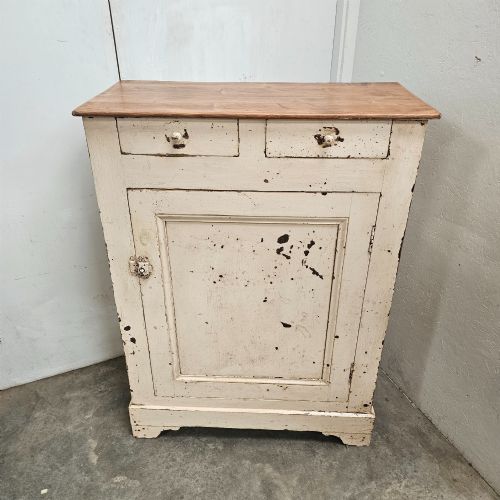
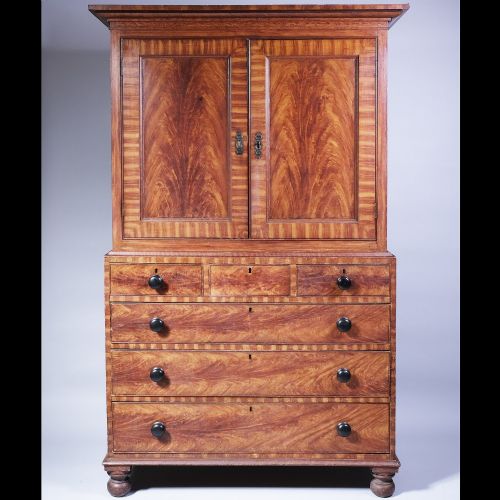
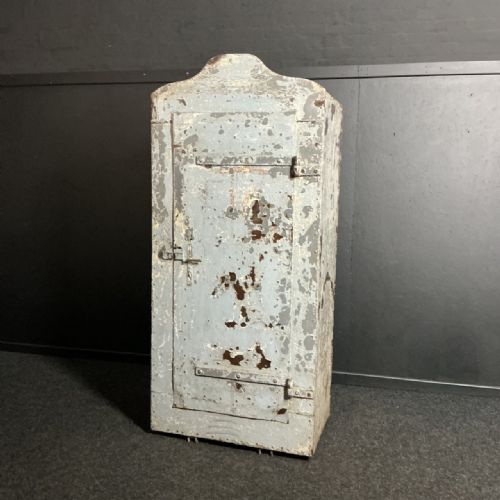
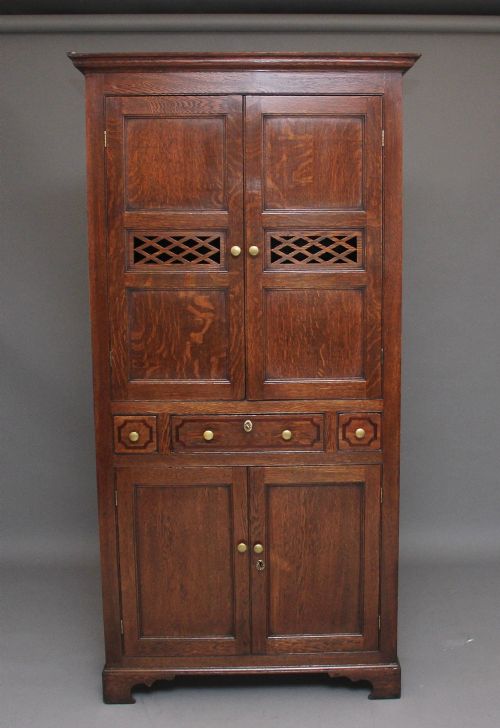
A vintage food cupboard is a utilitarian storage piece designed for domestic provisions, ranging from traditional larder units to smaller wall cabinets. Buyers searching for a vintage food cupboard will find diverse regional forms, including British housekeeper's cupboards, French confituriers, and Scandinavian painted cupboards.
The selections span multiple centuries, incorporating robust examples from the seventeenth, eighteenth, and nineteenth centuries alongside early twentieth-century variations. These pieces often feature ventilated doors, panelled construction, and deep shelving suited for storing dry goods and kitchenware.
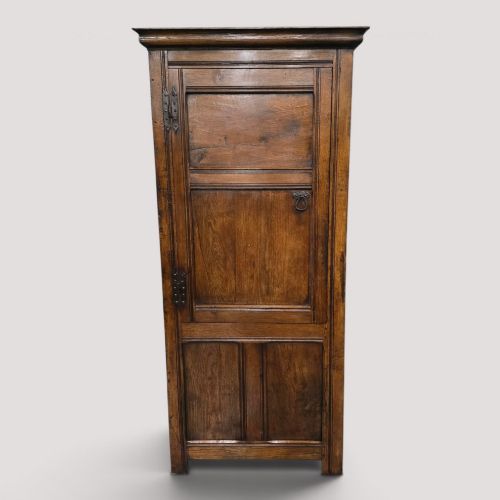
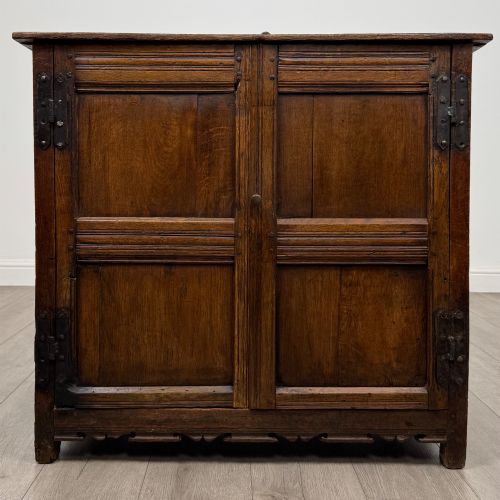
Originating from various domestic traditions, these cupboards include oak court cupboards, pine linen stores, and painted country storage units. Each piece reflects the functional requirements of historic kitchens, pantries, and rural farmhouses.
How they were made
Traditional makers relied on solid timbers such as oak, pine, elm, and walnut, constructing carcases with pegged joints and panelled doors. Many regional examples utilise local softwood or hardwood, finished with historic paint layers, scumble glazes, or natural wax.
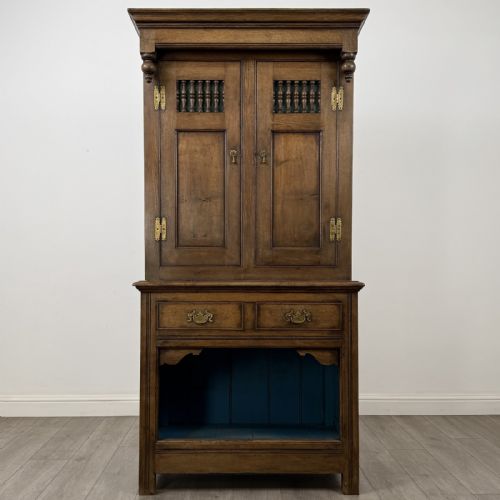
Hardware components typically consist of wrought iron hinges, brass handles, and heavy metal latches designed for daily domestic utility. Ventilation details, such as pierced panels or vented doors, were built directly into the timber framework to maintain airflow around stored provisions.
Vintage Food Cupboard Retail Price Guide 2026
Typical asking prices for vintage food cupboard among the pieces listed under this phrase on Sellingantiques today, from the lower quarter to the upper quarter. They describe what is for sale here now, not the wider market.
Listings feature regional variations in pine, oak, and elm, including French confituriers, Swedish ragwork painted pieces, and British housekeeper's cupboards.
What varies in quality
Quality in these storage pieces depends on the integrity of the original timber, the retention of period hardware, and the survival of early painted or scumble surfaces. Superior examples display careful joinery, such as joined or carved panels, and minimal structural alteration over time.
The proportion and scale of the cabinet also influence its standing, with smaller wall-mounted or scullery units differing substantially from large, multi-door housekeeper's larders. Surface patination, honest wear, and the presence of original feet or cornices separate utilitarian workshop pieces from finer domestic furniture.
The Vintage Food Cupboard Glossary
- Housekeeper’s cupboard
- A large storage cabinet traditionally used in country houses for storing linens, dry goods, and household provisions. These tall pieces often combine upper shelving with lower drawers or cupboards.
- Confiturier
- A French provincial jam cupboard, typically compact in size with a single door enclosing internal shelves. These pieces were originally utilised for storing jars of preserved fruit and confit.
- Court cupboard
- An antique two-stage storage piece, often constructed from oak, featuring enclosed upper and lower sections sometimes supported by carved pillars. This form dates back to the seventeenth century and earlier.
- Scumble paint
- A decorative surface technique where a translucent coloured glaze is manipulated over a lighter base coat to imitate the grain of more expensive timbers. It appears frequently on nineteenth-century country furniture.
- Panetière
- A traditional French wall or floor cabinet designed specifically for storing and ventilating loaves of bread. These structures often feature turned spindles or pierced panels to allow air circulation.
Vintage Food Cupboard: Frequently Asked Questions
What is a vintage food cupboard?
A vintage food cupboard is a historic storage unit originally built for a kitchen, pantry, or scullery to hold provisions, linens, and domestic utensils.
These cabinets reflect regional woodworking traditions across Britain, France, Scandinavia, and beyond, utilising solid timbers like pine and oak.
How were food cupboards ventilated?
Historic food cupboards often featured ventilated doors or pierced panels to allow air circulation around perishable goods kept before modern refrigeration.
Craftsmen incorporated wire mesh, turned spindles, or slatted wood into the door panels to keep provisions cool and fresh.
Where should I place a food cupboard?
These versatile storage cabinets suit modern kitchens, dining rooms, or hallways as functional larders, linen stores, or display units.
Their deep shelves and generous proportions accommodate dinnerware, dry goods, or household items while adding historic character to a room.
How do I care for painted pine?
Painted and scumble-glazed pine requires gentle maintenance to preserve historic surface layers and original patination.
Dust with a dry cloth and avoid harsh chemical cleaners or excessive moisture to protect the aged timber and decorative paintwork.