



Vintage Food Cover
A vintage food cover protects your dining table from stray insects and dust with undeniable period elegance.
Vintage Food Cover
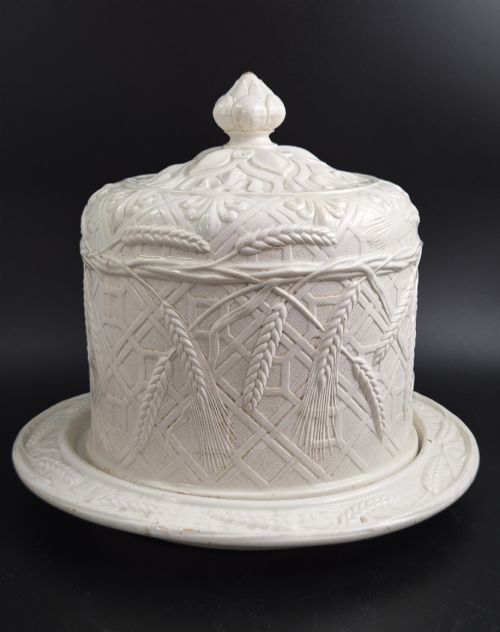
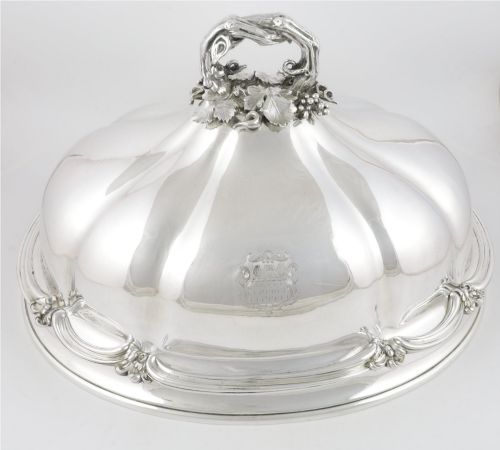
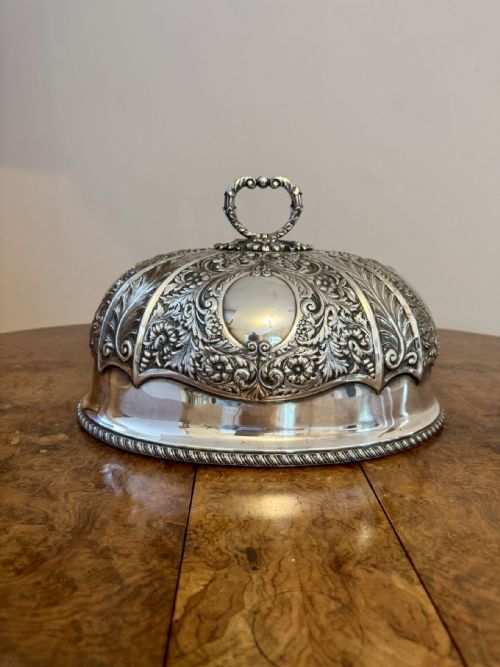
A vintage food cover serves as a practical table accessory designed to keep meals warm and protected before serving. When you search for a vintage food cover, you will encounter diverse forms including large meat domes, cheese domes, game covers, cloches, and rectangular entree dishes.
The selections span from the Georgian era through the Victorian and Edwardian periods, showcasing both ceramic and plated metal constructions. You are most likely to meet silver plated or old Sheffield plate metal domes alongside white ironstone and earthenware ceramic covers on this page.
Makers and silversmiths of past centuries produced these items as essential serveware for formal dining rooms. Each piece reflects the social dining habits of the nineteenth and early twentieth centuries, offering functional utility alongside decorative charm.
How they were made
Metal versions utilise base metals such as copper or nickel silver, coated with silver plate or manufactured through the old Sheffield plate technique. Silversmiths shaped these durable sheets into domed profiles to trap heat above roast meats and entrees.
Ceramic examples rely on ironstone and glazed earthenware, moulded into substantial domes and matching stands with relief decoration. Potters applied intricate motifs like wheat and lattice patterns directly into the clay before firing and glazing the pieces.
Vintage Food Cover Retail Price Guide 2026
Typical asking prices for vintage food cover among the pieces listed under this phrase on Sellingantiques today, from the lower quarter to the upper quarter. They describe what is for sale here now, not the wider market.
Victorian diners relied on these gleaming metal domes to trap steam and suspense until the host finally lifted the lid.
What varies in quality
The distinction between standard utility items and superior examples lies in the crispness of the applied decoration and the weight of the metal or ceramic body. Heavier gauge metals and deeply carved ceramic mouldings indicate a higher standard of manufacture.
Makers' marks and stamps from known silversmiths elevate the standing of a metal dome, whereas clean, uniform glazing distinguishes finer earthenware and ironstone cheese covers.
Roberts Cadman·Henry Wilkinson
The Vintage Food Cover Glossary
- Old Sheffield Plate
- A fused composite material made by melting a sheet of silver onto a heavier copper core. This technique was widely utilised before the invention of electroplating.
- Ironstone
- A heavy, durable type of ceramic developed as a tougher alternative to porcelain. It forms thick, sturdy bodies suitable for large cheese domes and stands.
- Cloche
- A bell-shaped cover traditionally placed over individual plates or serving dishes. The design keeps food warm and shields it until the moment of consumption.
- EPNS
- Electroplated Nickel Silver, a common base metal composition for plated serveware produced from the mid-nineteenth century onwards. It provided a bright silver finish at a lower cost than solid silver.
Vintage Food Cover: Frequently Asked Questions
What were vintage food covers used for?
These covers kept roasted meats, game, and cheeses warm on the dining table while protecting them from insects and household dust.
Servants would lift the domes at the table to reveal the dish to diners during formal meals.
How do I clean a silver plated meat dome?
Use a soft cloth and a gentle silver polish formulated specifically for plated items to maintain the shine.
Avoid abrasive pads that might wear through the thin silver layer to the copper or nickel base beneath.
Can I use an ironstone cheese dome for daily meals?
Ironstone is remarkably durable and handles regular use well, making it suitable for serving cheese or bread.
Hand washing is recommended to preserve the antique glaze and any delicate surface decorations.
How do I distinguish old Sheffield plate from EPNS?
Old Sheffield plate often reveals a thin line of copper showing through where the silver has worn down on high points.
Electroplated nickel silver usually shows a dull greyish base metal where the silver plate has worn away.