





Vintage Folk Art Textile
A vintage folk art textile carries the direct touch of traditional makers, offering textured wall hangings and domestic pieces shaped by regional heritage.
Vintage Folk Art Textile
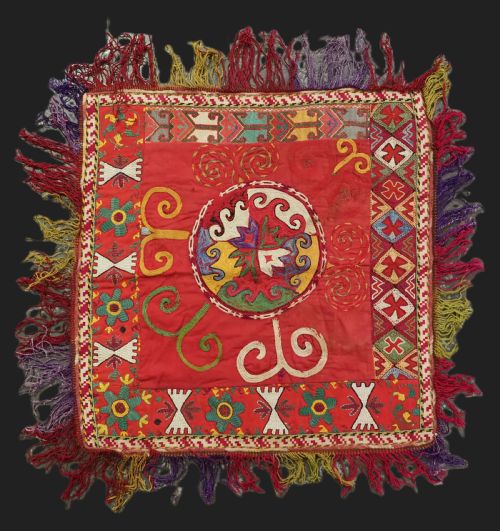
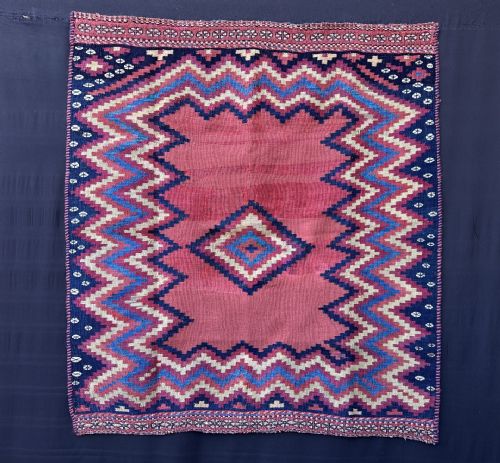
When you search for a vintage folk art textile, you encounter works created for domestic use or community ceremony across diverse global regions. These range from Central Asian dowry embroideries and wall hangings to European samplers, quilts, and tapestries.
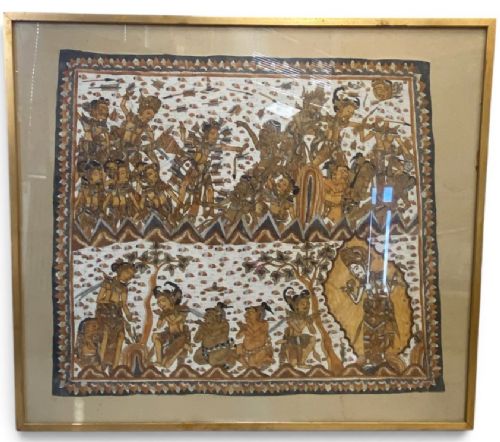
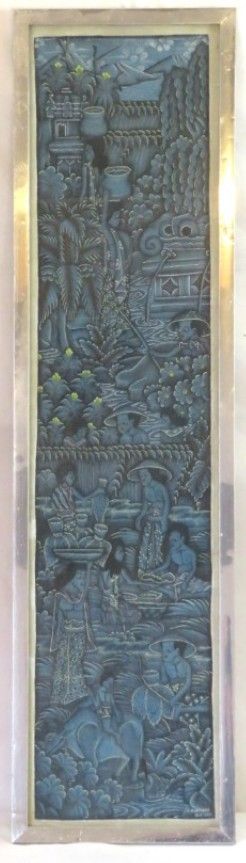
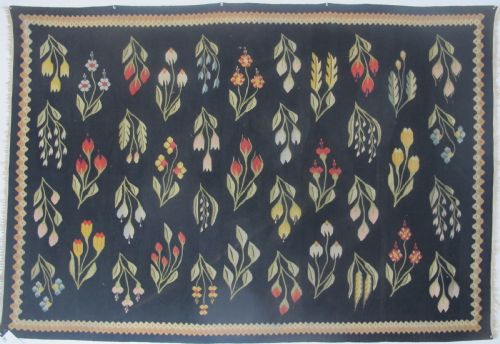
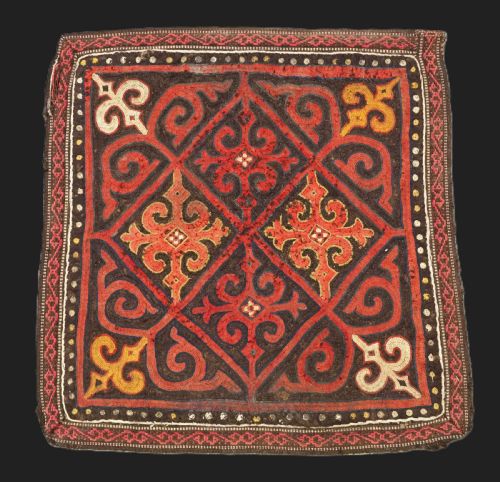
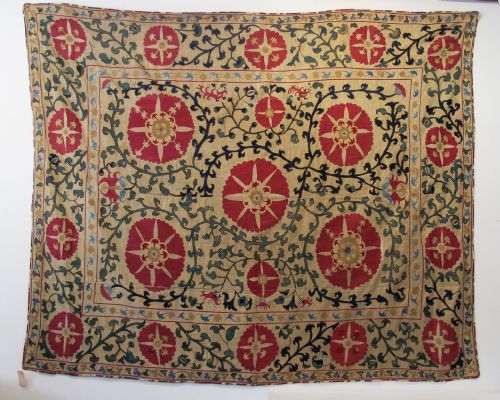
The objects frequently take the form of panels designed for interiors, such as framed wool work, nomadic tobacco bags, and painted temple cloths. Many pieces reflect specific regional traditions, from Uzbek Suzanis to Scandinavian Rya rugs and Welsh reversible quilts.
You also discover utilitarian implements associated with textile production, including carved hardwood distaffs, bobbin winders, and knitting sheaths. These wooden implements sit alongside fabric works, sharing the same vernacular aesthetic rooted in local craftsmanship.
Materials and construction
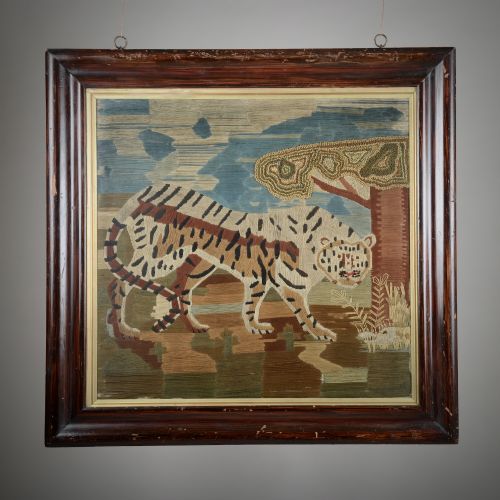
Makers utilised natural fibres, mounting silk embroidery onto cotton or linen grounds, and working heavy wool yarns on woven foundations. Felt panels and wool work pictures demonstrate the reliance on durable animal fibres for warmth and decoration.
Needlework techniques vary from precise cross-stitch samplers and tambour embroidery on Suzanis to hooked rug construction and patchwork assembly. Artisans also applied pigments directly to fabric bases, producing painted wall cloths and water colours on textile.
Vintage Folk Art Textile Retail Price Guide 2026
Typical asking prices for vintage folk art textile among the pieces listed under this phrase on Sellingantiques today, from the lower quarter to the upper quarter. They describe what is for sale here now, not the wider market.
Sailors spent long months at sea stitching woolie embroideries of their ships, proving that even the saltiest mariners enjoyed a spot of domestic craft.
Evaluating textile quality
The distinction between ordinary and exceptional pieces lies in the density of the stitch work and the complexity of the composition. Fully embroidered surfaces, such as dense Palak Suzanis, demonstrate a higher commitment of labour than sparsely decorated grounds.
Material preservation and the vibrancy of natural dyes dictate the standing of a textile. Works that retain their original scale, clear iconography, and structural integrity without excessive conservation intervention hold greater visual impact.
The Vintage Folk Art Textile Glossary
- Suzani
- An embroidered tribal hanging from Central Asia, typically worked in silk on a cotton ground. These large textiles served as dowry pieces or decorative wall coverings.
- Sampler
- A piece of needlework produced to demonstrate proficiency in various stitches and alphabets. They often record names, dates, and traditional motifs.
- Rya
- A traditional Scandinavian knotted pile rug. Originally utilised for warmth, these textiles evolved into decorative folk art hangings.
- Distaff
- A handheld tool used in spinning to hold flax or wool fibres. Folk art examples often feature intricate carved woodwork.
- Woolie
- A picture embroidered in wool yarn by nineteenth-century sailors. These works typically depict maritime scenes using varied stitch techniques.
Vintage Folk Art Textile: Frequently Asked Questions
How do I hang a textile safely?
Support heavy wall hangings and embroideries across their entire width using a sleeve or a padded batten rather than hanging them from isolated points.
Keep textiles away from direct sunlight to prevent the fading of natural dyes and vulnerable silk threads.
What is a Suzani?
A Suzani is a large, needle-embroidered textile originating from Central Asia, traditionally made as part of a bride's dowry.
They feature botanical and geometric motifs stitched in vibrant silk threads on cotton or linen foundations.
How are wooden textile tools distinguished?
Items like distaffs and knitting sheaths display hand-carved folk art details that reflect the personal touches of rural makers.
Their forms are dictated by their functional role in holding fibres or securing spinning implements during domestic work.
Can I wash vintage textiles?
Water cleaning is generally avoided for antique and vintage pieces due to the risk of dye run and the fragility of aged fibres.
Surface dust is best managed through gentle suction with a vacuum through a protective mesh screen.