





Vintage Folding Tray
A vintage folding tray brings portable utility to any room, combining sturdy stands with removable surfaces for effortless serving and living.
Vintage Folding Tray
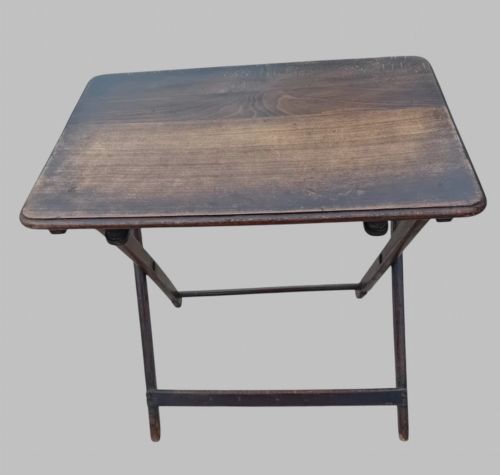
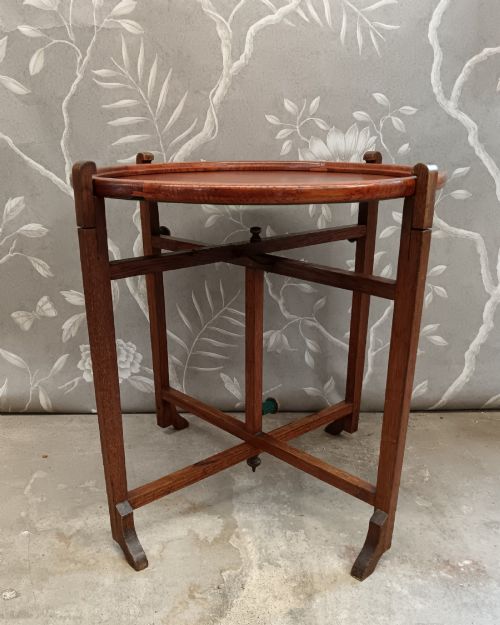
A vintage folding tray typically combines a removable top with a collapsible X-frame stand, serving as a flexible table for drinks, dining, or display. When searching for a vintage folding tray, buyers encounter numerous variations spanning the eighteenth, nineteenth, and early twentieth centuries, alongside revival pieces.
Makers ranged from standard English cabinetmakers to specialised workshops in Sorrento, France, and Sweden, producing items intended for domestic service, garden parties, or travel. These pieces transition easily between storage and daily use in modern living spaces.
Materials and Construction
Construction relies heavily on dense timbers such as mahogany, oak, walnut, beech, and assorted hardwoods, selected for their structural integrity and capacity to bear weight on folding joints. Many examples utilise traditional joinery for the tray edges and the hinged mechanics of the supporting stands.
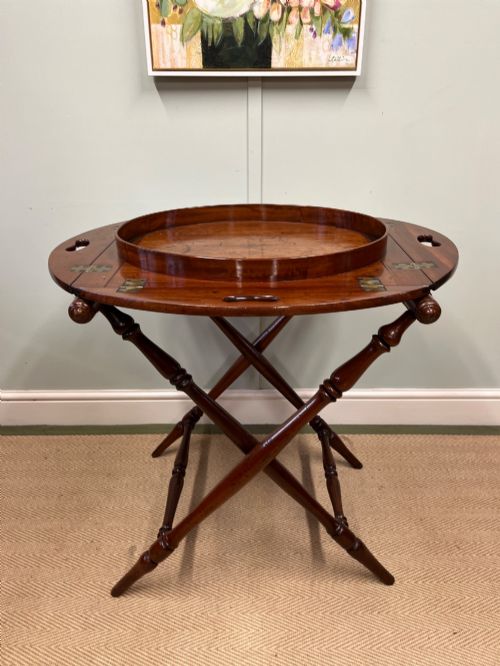
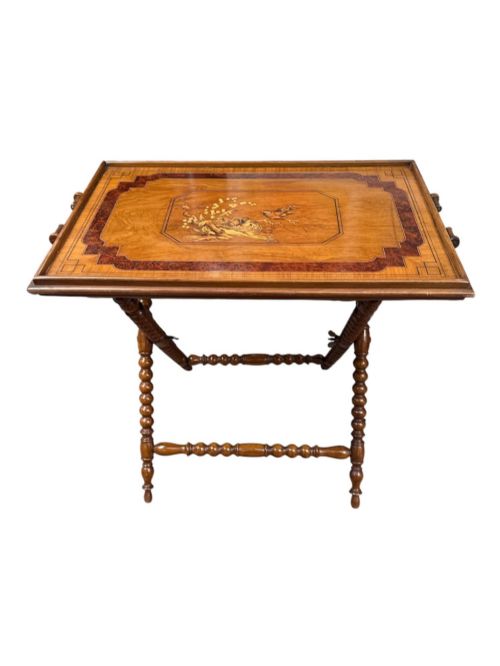
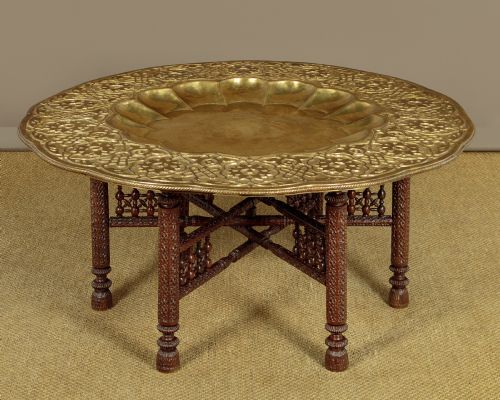
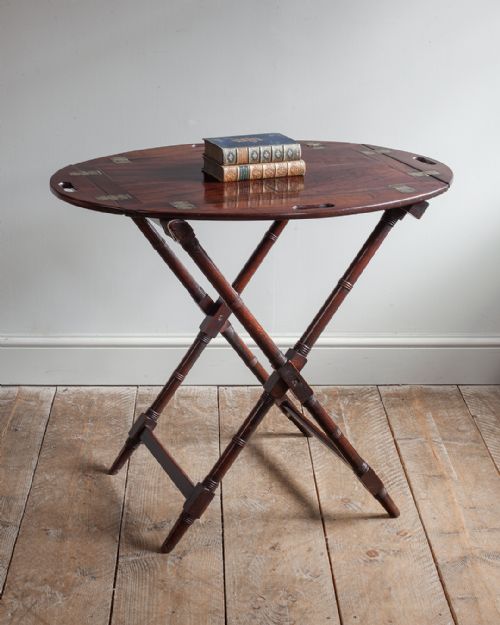
Metalwork plays a defining role in specific traditions, utilising brass and copper for engraved tray tops, decorative handles, and structural hinges. Marquetry in Sorrento Ware introduces intricate inlaid wood patterns, while painted finishes appear on select regional European pieces.
Vintage Folding Tray Retail Price Guide 2026
Typical asking prices for vintage folding tray among the pieces listed under this phrase on Sellingantiques today, from the lower quarter to the upper quarter. They describe what is for sale here now, not the wider market.
Listings span the eighteenth to the twentieth centuries, featuring oak, mahogany, walnut, brass, and copper across English, French, Swedish, and Anglo-Indian traditions.
Factors of Quality
Quality rests in the crispness of the timber carving, the precision of the folding mechanism, and the retention of original stands paired with their correct trays. Superior examples display thoughtful grain selection in the mahogany or oak, tight joinery at the corners, and well-fitted hinges that operate smoothly without excessive play.
The distinction between standard utility items and finer pieces lies in decorative execution, such as hand-engraved brass surfaces, detailed marquetry inlay, or unusual configurations like reversible tops and tiered stands. Original hardware and untouched surface patination elevate an ordinary folding tray into a sophisticated furnishing.
The Vintage Folding Tray Glossary
- Butler's Tray
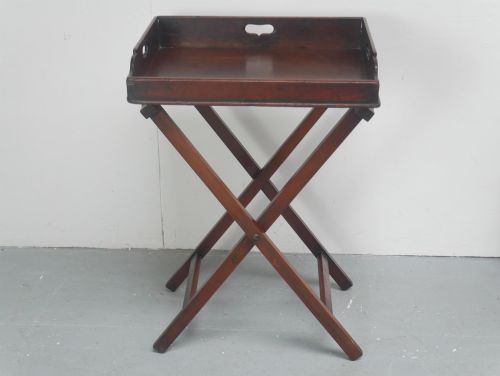
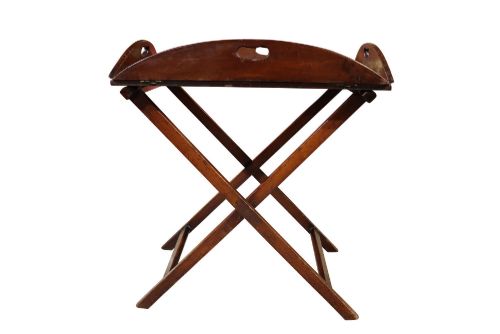
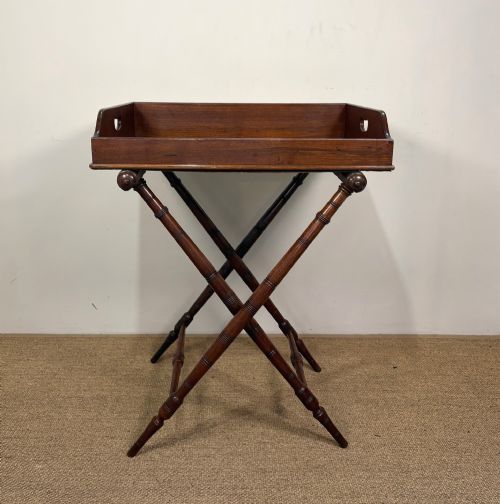
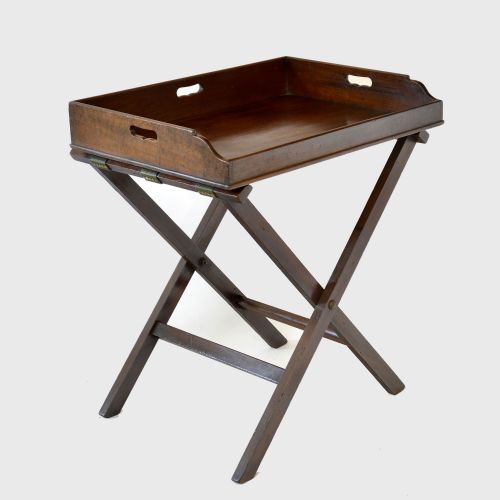
- A removable wooden tray with hinged or shaped sides, designed to lift off its folding stand for carrying service. It functions today as a low coffee table or side table.
- Campaign Style
- Furniture designed for portability by military officers, characteristically featuring folding frames, recessed brass handles, and robust construction. These pieces dismantle or fold flat for transport.
- Sorrento Ware
- Decorative wooden items featuring intricate micro-mosaic marquetry, originating from the Italian town of Sorrento during the nineteenth century. These trays display elaborate geometric or pictorial inlaid scenes.
- Revertable
- A dual-purpose tabletop designed to flip or reverse, often combining a serving surface on one side with a card table or coffee surface on the reverse.
- Dumb Waiter
- A multi-tiered stand used for holding dishes or serving items without the need for immediate attendant service. These freestanding units frequently incorporate folding elements for compact storage.
Vintage Folding Tray: Frequently Asked Questions
How were butler trays originally used?
Butler trays served primarily in large households for carrying food and drink from the kitchens to the dining rooms or parlours. The removable tray lifted directly off the stand, allowing servants to clear tables efficiently.
Once brought to the room, the folding stand provided a stable temporary surface for tea service or dining. This practical design allowed households to set up dining spaces anywhere in the house and clear them away quickly afterward.
Can I use a folding tray as a coffee table?
These folding trays make excellent coffee tables because their proportions suit modern seating layouts and their removable tops offer convenient mobility. Many nineteenth-century and early twentieth-century examples sit at an ideal height for living room use.
Placing one before a sofa provides a stable surface for books and cups while retaining the ability to fold the stand flat if floor space is needed. Their historical character adds distinct personality to contemporary interiors.
How do I distinguish between Georgian and Victorian trays?
Georgian trays, dating from the eighteenth and early nineteenth centuries, generally feature restrained classical lines, premium mahogany timbers, and elegant hand-cut dovetail joints on the tray rims. Their stands often display simple, graceful proportions.
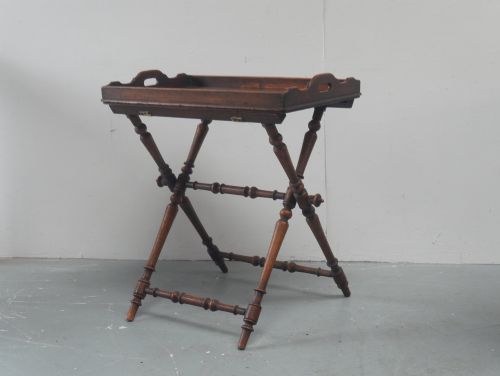
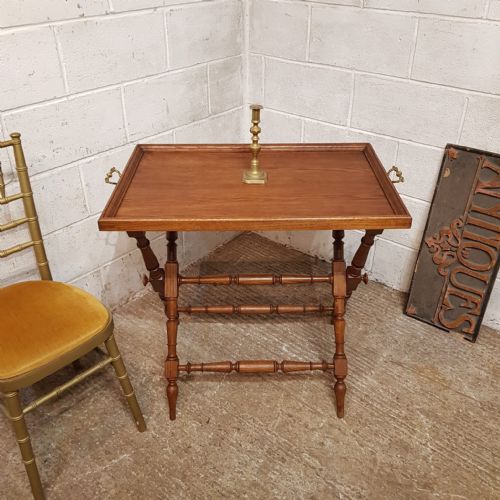
Victorian pieces from the later nineteenth century tend toward heavier ornamentation, sometimes incorporating carved oak, extensive brass mounts, or marquetry inlay. The turned legs and hinges on Victorian stands often appear bulkier and more robust than their Georgian predecessors.
What is the difference between an English butler tray and an Anglo-Indian tray?
English butler trays rely on timber construction in mahogany, oak, or walnut, focusing on clean woodworking, folding wooden stands, and functional utility. They reflect traditional domestic service in British homes.
Anglo-Indian pieces typically feature heavily carved hardwood frames paired with removable brass or copper top trays decorated with intricate chased or engraved patterns. These items reflect nineteenth-century trade and craftsmanship from the Indian subcontinent.