




Vintage Folding Seat
A vintage folding seat is a portable piece of furniture designed for travel or compact rooms, offering clever mechanisms and sturdy frames.
Vintage Folding Seat
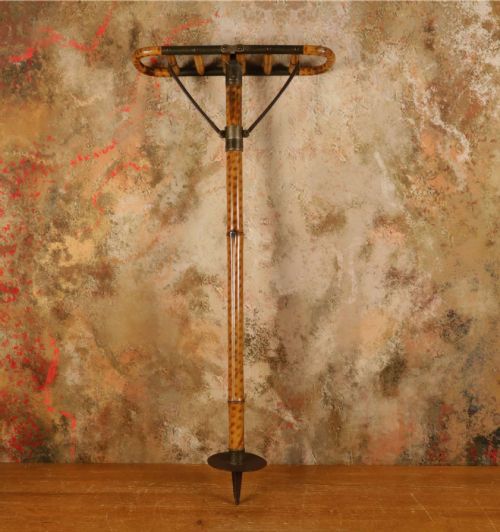
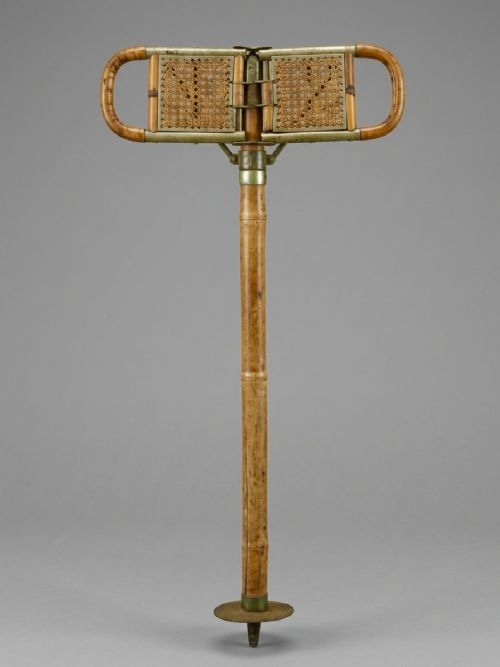
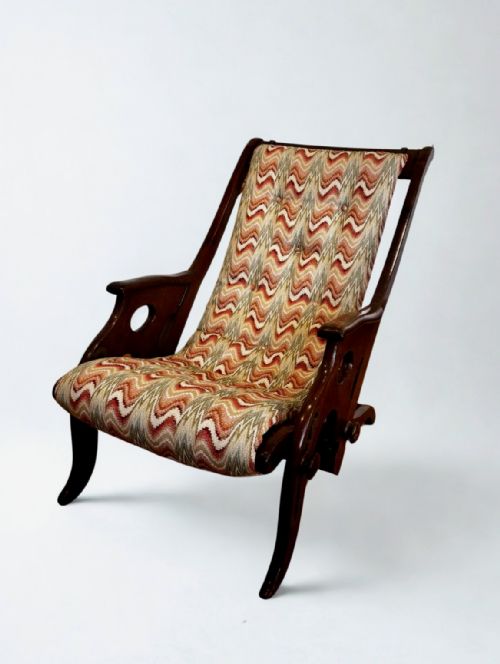
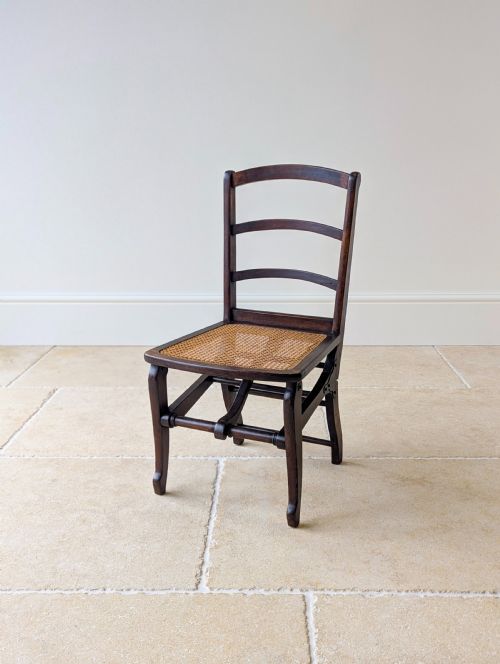
A vintage folding seat brings together portable engineering and domestic comfort, spanning the nineteenth century through the Edwardian period and into the nineteen-twenties. When you search for a vintage folding seat, you encounter forms that range from bamboo sporting canes and shooting sticks to campaign armchairs and garden seating.
The pieces on this page draw from diverse traditions, including English campaign furniture, French Louis Philippe designs, Burmese folding chairs, and rustic folk art. These items were built for travellers, officers, and gardeners who required a mobile resting place without sacrificing stability.
You are most likely to meet campaign chairs and steamer chairs alongside occasional tables that double as folding furniture, reflecting the pragmatic needs of past eras. Each object shows how makers solved the problem of portability using clever hinges, pivoting frames, and collapsible structures.
Materials and construction
Makers utilised resilient timbers such as solid oak, mahogany, rosewood, and bamboo to build frames that could withstand repeated folding and transport. These woods were often polished or left in their natural state depending on whether the piece was destined for a formal interior or outdoor use.
Support systems relied on woven cane, supple leather, and heavy textiles, secured to the frames with brass fittings, iron hinges, and metal pins. The combination of flexible seating surfaces and rigid joints allowed these chairs to collapse flat while remaining secure under weight.
Vintage Folding Seat Retail Price Guide 2026
Typical asking prices for vintage folding seat among the pieces listed under this phrase on Sellingantiques today, from the lower quarter to the upper quarter. They describe what is for sale here now, not the wider market.
Listings feature oak, mahogany, rosewood, and bamboo alongside iron and brass hardware.
Measures of quality
The distinction between standard examples and the finest work lies in the precision of the mechanical joints and the integrity of the folding action. High-quality pieces operate smoothly without excessive play in the hinges, showing careful alignment of metal pins and wooden struts.
Material selection also dictates the standing of a piece, particularly where solid rosewood, finely turned oak, or hand-woven cane are employed. Superior examples retain their original structural hardware and leather or textile upholstery rather than relying on modern replacements.
J. Herbert McNair
The Vintage Folding Seat Glossary
- Campaign chair
- A portable folding chair designed for military officers and travellers during the nineteenth century. These items feature collapsible wooden frames and removable canvas or leather seats.
- Shooting stick
- A hybrid walking cane and seat used outdoors for field sports and spectating. The top unfolds into a small saddle or circular platform supported by metal legs.
- Bergère
- An enclosed upholstered armchair with wooden framing and woven cane panels. In folding variants, this style offers padded comfort within a collapsible structure.
- Sutherland table
- A narrow drop-leaf table with hinged flaps supported by swing legs. It folds down to a minimal footprint when not in use for dining.
Vintage Folding Seat: Frequently Asked Questions
What is a vintage folding seat?
A vintage folding seat is a collapsible chair, stool, or bench designed for easy transport and storage. These pieces date from the nineteenth and early twentieth centuries.
They utilise ingenious wooden frames and metal hinges that allow the furniture to fold flat when not in use.
How were campaign folding chairs used?
Campaign chairs served military officers, diplomats, and travellers who required comfortable seating on long journeys. They were built to pack down into compact bundles for carriage on horses, ships, or trains.
Upon arrival at a camp or temporary residence, they unfolded quickly to provide a stable armchair or lounger.
Are these folding seats sturdy enough to use?
Most vintage folding seats remain robustly constructed from hardwoods like oak and mahogany, supported by strong iron or brass fittings. They are fully capable of regular daily use if handled with reasonable care.
Checking the joints and hardware before sitting ensures the historical mechanism operates correctly and safely.
How do I date a folding chair?
Dating relies on identifying the timber, the style of the turned woodwork, and the type of metal fasteners used in the folding mechanism. Victorian and Edwardian examples often feature specific brass stampings or patent hinges.
Comparing the construction methods to known nineteenth-century campaign pieces helps narrow down the decade of manufacture.