




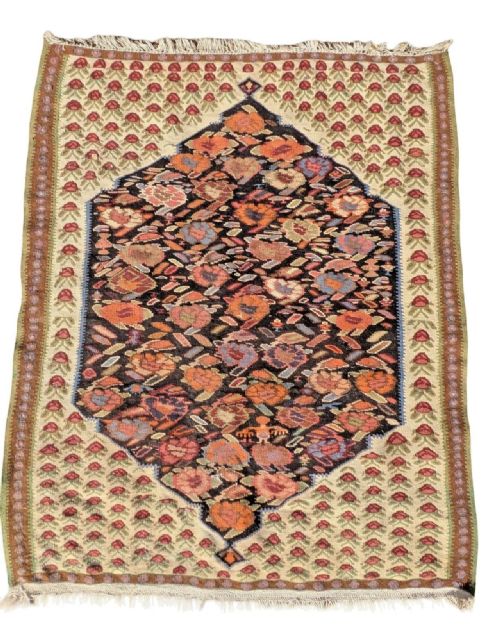
Vintage Floral Tapestry
When you search for vintage floral tapestry, you find upholstered seating, wall hangings and carpets shaped by centuries of textile craft.
Vintage Floral Tapestry
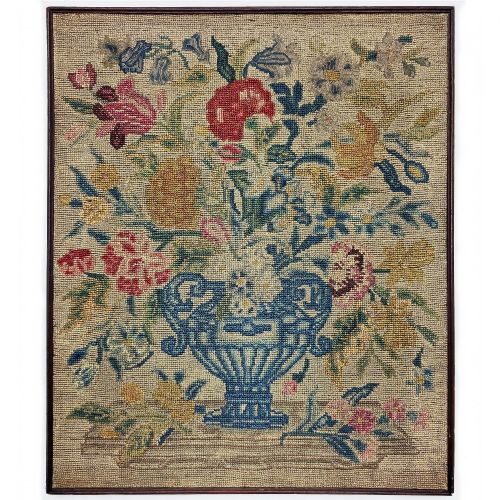
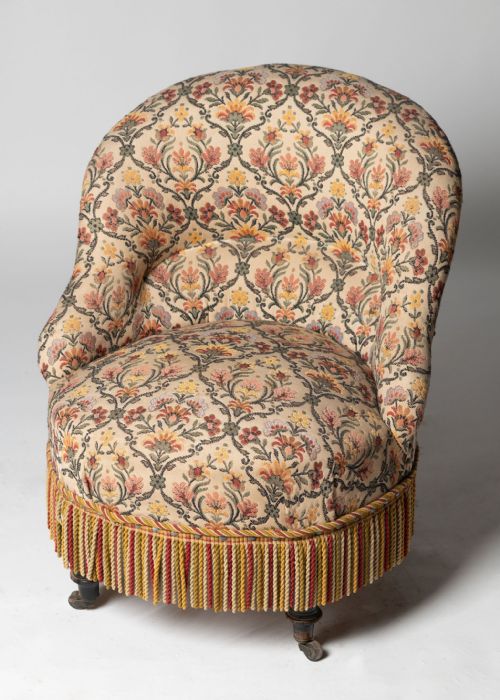
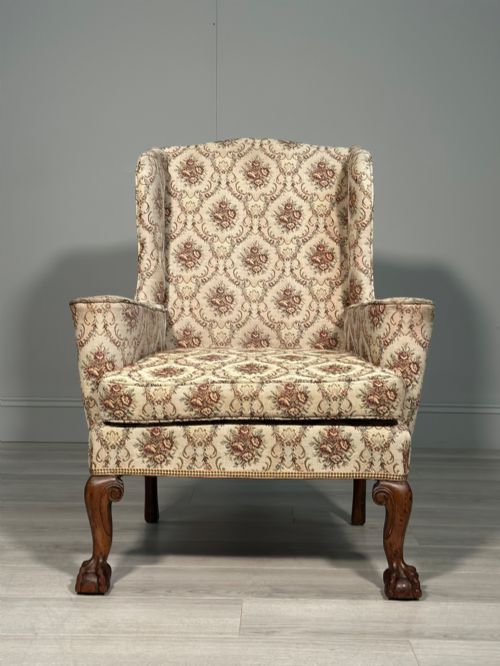
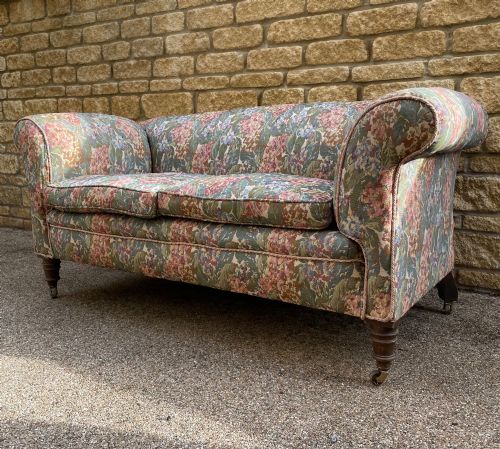
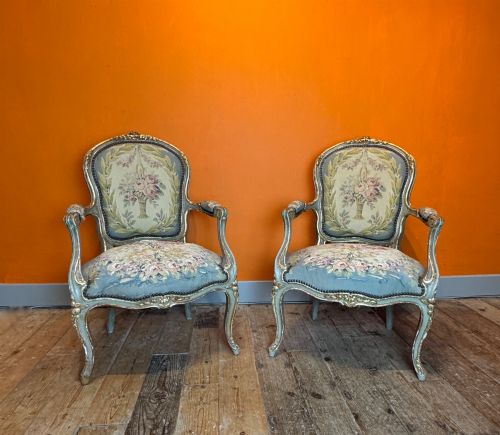
A vintage floral tapestry search yields a diverse selection of antique furnishings and decorative textiles, primarily consisting of nineteenth-century stools, armchairs and wall hangings.
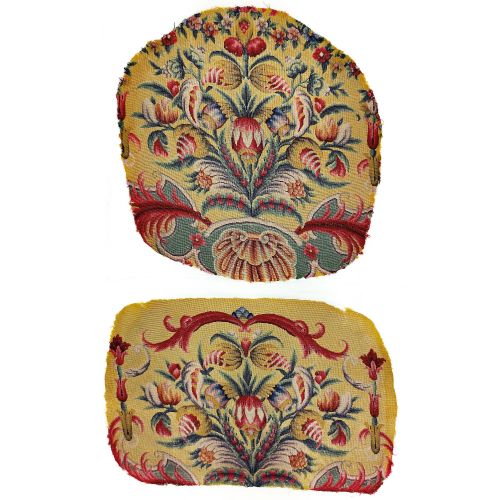
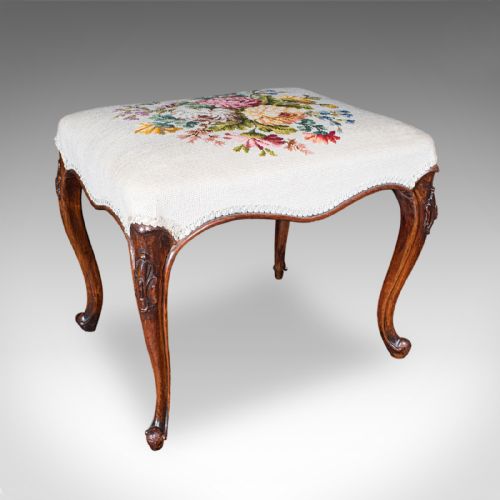
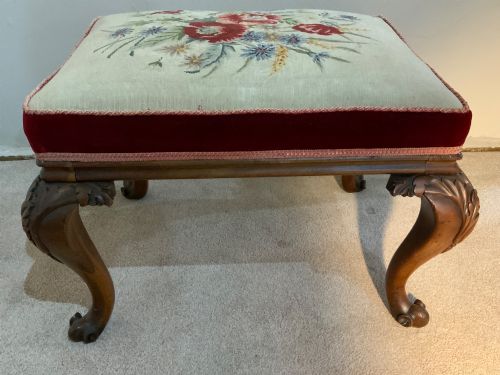
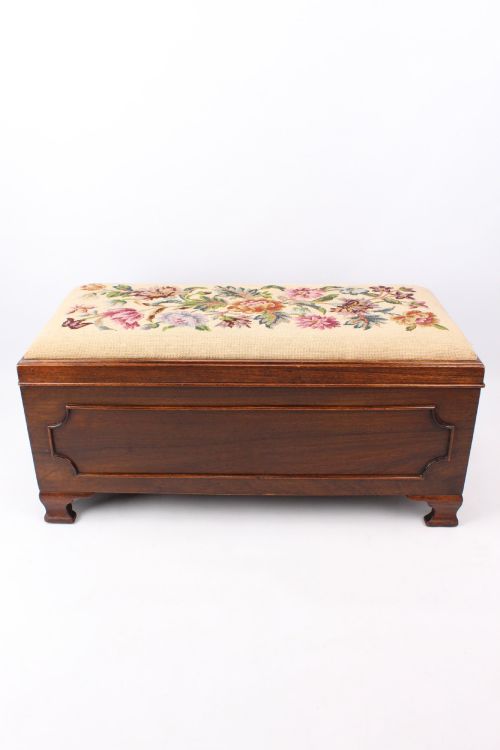
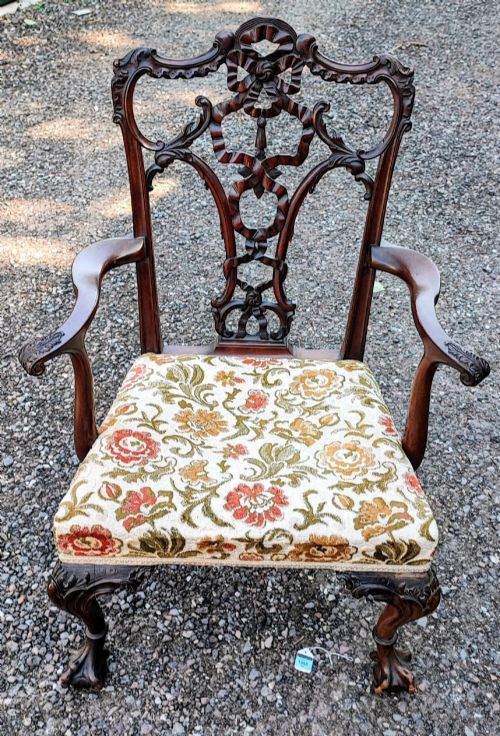
Buyers are most likely to encounter Victorian mahogany and walnut footstools or fireside chairs upholstered in needlepoint or wool tapestry.
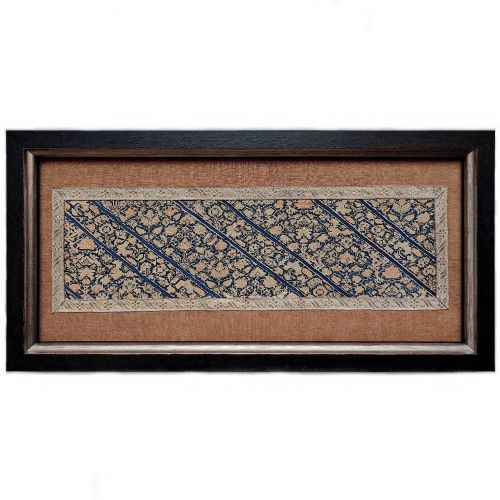
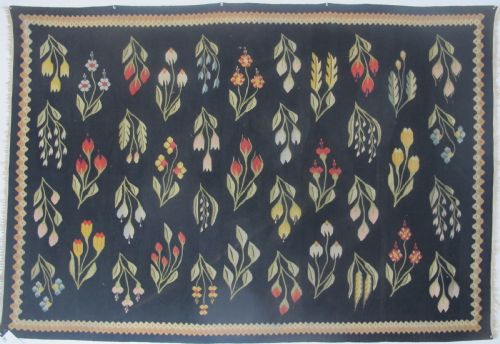
The category also extends to embroidered Suzanis, crewelwork panels and traditional rugs originating from various periods including the seventeenth and early twentieth centuries.
Materials and construction methods
The structural frames rely on hardwoods such as mahogany, walnut, beech and rosewood, shaped into cabriole legs, carved armchairs and dressing stools.
Surface decoration employs wool, silk and cotton textiles, utilising needlepoint, crewelwork and traditional tapestry weaving techniques executed on wooden or upholstered foundations.
Vintage Floral Tapestry Retail Price Guide 2026
Typical asking prices for vintage floral tapestry among the pieces listed under this phrase on Sellingantiques today, from the lower quarter to the upper quarter. They describe what is for sale here now, not the wider market.
Listings incorporate nineteenth-century Victorian seating alongside seventeenth-century crewelwork panels and twentieth-century Central Asian Suzanis.
Factors determining quality
The refinement of the wooden frame carving and the tightness of the joinery set apart the finest seating from standard utility pieces.
The density of the textile weave and the complexity of the botanical design dictate the visual depth and longevity of the tapestry work.
The Vintage Floral Tapestry Glossary
- Needlepoint
- A type of canvas work embroidery stitched with wool or silk thread to create dense floral patterns. This technique frequently covers the seats of Victorian stools and armchairs.
- Crewelwork
- Embroidery executed with wool yarn on a plain-weave cotton or linen foundation, often featuring flowing floral motifs. Early English examples demonstrate considerable textural depth.
- Suzani
- A type of embroidered tribal textile originating from Central Asia, typically worked in silk on a silk or cotton ground. These pieces display intricate botanical and architectural compositions.
- Cabriole leg
- A furniture leg that curves outward and then tapers inward to a foot, characteristic of mid-nineteenth-century seating forms. It provides an elegant silhouette beneath upholstered tapestry seats.
Vintage Floral Tapestry: Frequently Asked Questions
How do I care for antique tapestry upholstery?
Keep textile pieces away from direct sunlight to prevent the wool and silk threads from fading over time. Gentle vacuuming through a mesh screen helps remove dust without damaging the delicate weave.
Avoid applying liquid cleaners directly to the surface of antique needlework or crewelwork panels. Professional textile conservation is recommended for deeper cleaning needs.
Where were these floral textiles produced?
The pieces span various regions, including English workshops, French ateliers, Portuguese needlepoint studios and Central Asian communities. Each area utilised distinct regional motifs and colour palettes.
European pieces frequently feature naturalistic floral bouquets, while Central Asian textiles display bold geometric and botanical symmetries.
How are different periods identified?
Cabinetwork styles, wood species and framing techniques offer primary clues to the date of manufacture. Victorian pieces often employ mahogany or walnut with heavier turned or cabriole supports.
Earlier seventeenth-century textile fragments display distinct crewelwork densities and stitching methods that separate them from later nineteenth-century revivals.
Can these stools and chairs be used daily?
Sturdier nineteenth-century mahogany and walnut frames with tight joints easily accommodate regular seating use. Antique needlepoint seats benefit from supportive internal padding and careful weight distribution.
Lighter decorative chairs and delicate wall hangings are better suited for display rather than heavy everyday lounging.