


Vintage Floral Plate
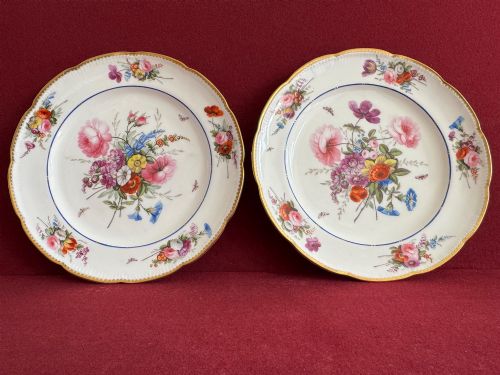
A vintage floral plate brings botanical colour and painterly craft straight to the table from periods spanning the eighteenth century to the early twentieth.
Vintage Floral Plate
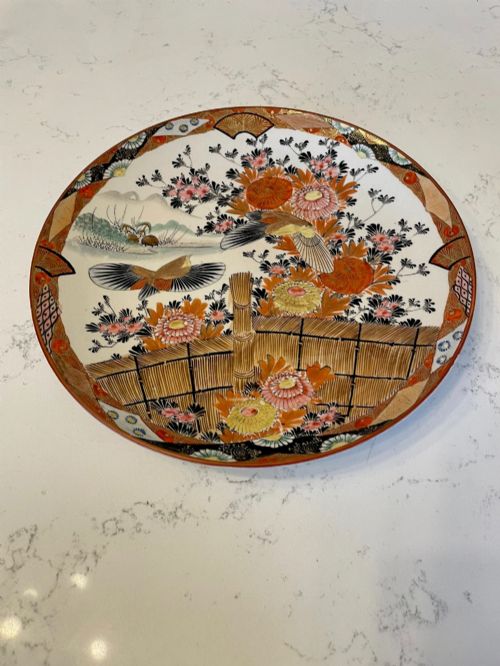
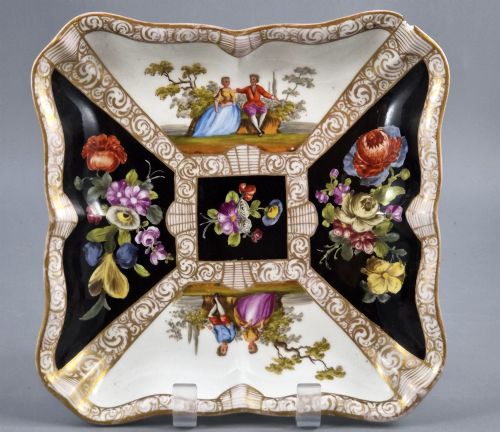
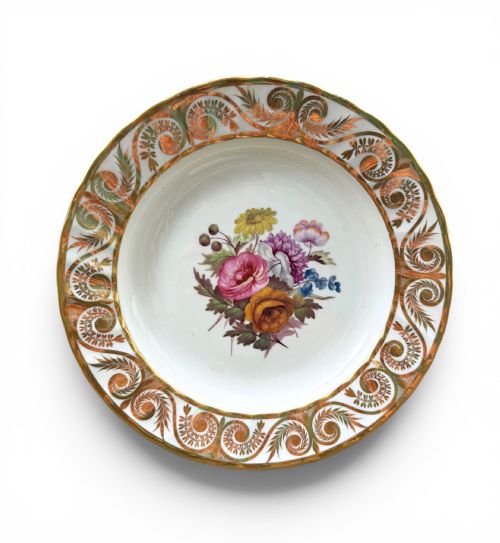
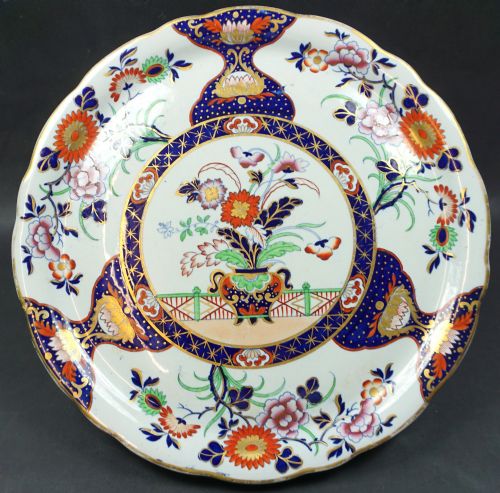
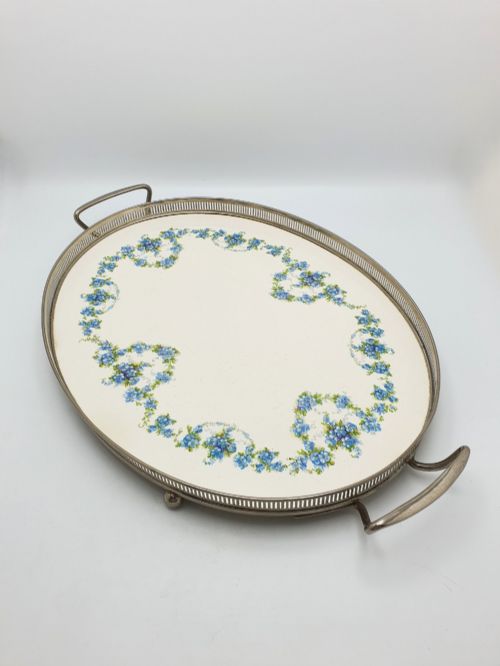
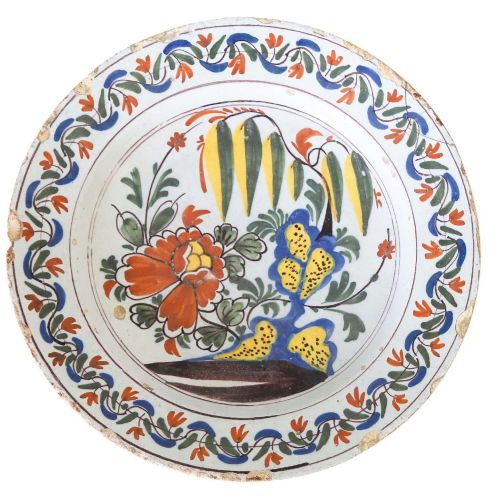
A vintage floral plate encompasses decorative dishes, chargers, and cabinet pieces adorned with botanical motifs produced across multiple centuries. These items emerge from diverse traditions, ranging from English porcelain factories to Japanese export kilns.
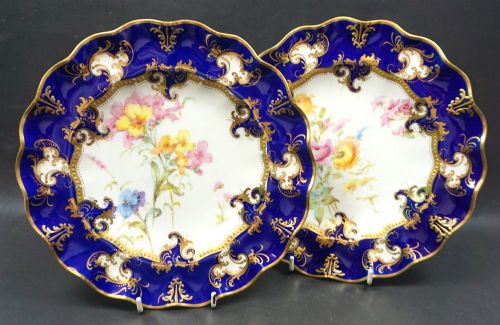
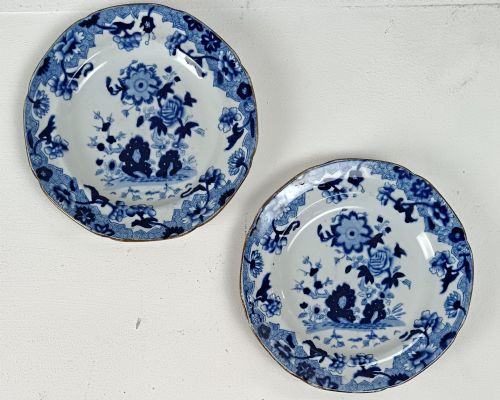
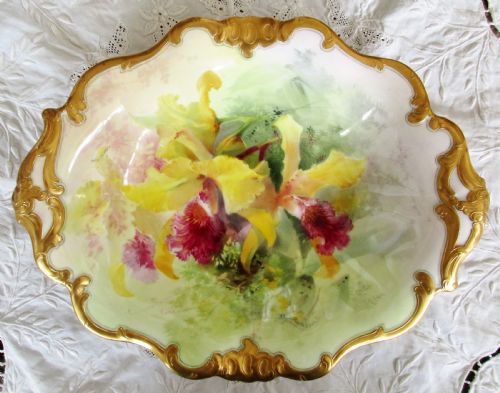
The selections available bring together items shaped in porcelain, earthenware, and ironstone, featuring hand-painted floral decoration, transfer printing, and polychrome glazes. Examples appear from Victorian, Edwardian, and Georgian eras alongside nineteenth-century Japanese Meiji production.
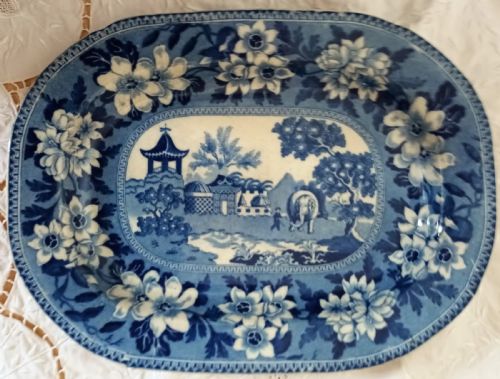
Buyers encounter everything from cabinet plates made for specific retailers to serving platters bearing blue and white transfer patterns. Each piece demonstrates the enduring appeal of floral ornamentation across ceramic history.
Materials and methods
Potters utilised hard-paste and soft-paste porcelain, earthenware, and ironstone as the primary bodies for these plates, shaping them on wheels or pressing them into moulds. Artisans then applied underglaze blue, enamel colours, and sometimes gold leaf or gilt highlights.
Decoration relied heavily on meticulous hand-painting by named artists or skilled workshop painters, while others utilised transfer printing to achieve intricate repeating patterns. Firing took place in kilns at high temperatures to vitrify the ceramic body and fuse the coloured glazes.
Some nineteenth-century artisans painted botanical subjects with such botanical accuracy that modern botanists can identify the exact garden weeds.
Assessing the execution
Quality rests primarily in the crispness of the ceramic form and the dexterity of the painted or transferred botanical detail. Pieces decorated by documented painters or produced by premier kilns show superior brushwork and more harmonious colour palettes.
The stability of the glaze and the precision of the firing distinguish finer items from simpler domestic wares. Preserved gilding and minimal distortion in the ceramic body further separate standard items from exceptional cabinet pieces.
The Vintage Floral Plate Glossary
- Charger
- A large decorative plate or dish traditionally used for presentation rather than dining. These substantial pieces frequently display the most ambitious floral designs.
- Transfer printing
- A method of applying a printed design to ceramic ware from an engraved copper plate via tissue paper. This technique allowed for complex repeating patterns like blue and white florals.
- Polychrome
- Decoration employing multiple distinct colours, typically applied by hand over or under the glaze. Such palettes bring vibrant botanical subjects to life.
- Ironstone
- A heavy, durable type of earthenware patented in the nineteenth century to imitate porcelain. It provides a robust body for everyday utility and transfer-printed decoration.
- Cabinet plate
- A decorative plate intended for display in a cabinet or on a wall rather than active table service. These items usually feature high-status artistry and fine gilding.
Vintage Floral Plate: Frequently Asked Questions
How do I date a floral plate?
Dating relies on examining the ceramic paste, glaze characteristics, and any factory marks stamped or painted on the reverse. Stylistic clues such as border patterns and colour palettes also align pieces with Victorian, Georgian, or earlier manufacturing eras.
Comparing the manufacturing technique, whether hand-painted or transfer-printed, helps narrow the production window alongside registry marks or specific maker attributions.
Were these plates used for dining?
Many sturdy earthenware and ironstone examples saw active service on dining tables for food presentation or daily meals. Finer porcelain cabinet plates and large chargers remained strictly decorative, intended for display on walls or sideboards.
Checking for utensil marks or wear on the well of the plate often reveals whether an item served a practical culinary function or simply acted as ornament.
How should I display them safely?
Plates fitted with secure, non-scratch wall hangers or placed upright in stable plate stands allow for safe visual appreciation. Keeping them away from direct sunlight prevents fading in hand-painted enamel colours and gilt highlights.
Cabinets with glass doors also protect delicate ceramic surfaces from dust and accidental knocks while keeping the botanical decoration visible.
What is the difference between earthenware and porcelain?
Porcelain is fired at higher temperatures, resulting in a vitrified, non-porous body that often rings when struck and can appear translucent. Earthenware is more opaque, softer, and requires a glaze to become entirely impervious to liquids.
Historical plates utilise both, with porcelain reserved for finer cabinet wares and earthenware chosen for robust domestic platters and dishes.