



Vintage Floral Pendant Light
These vintage floral pendant light options bring botanical charm and illumination to a room, spanning delicate glass shades and elaborate multi-bulb chandeliers.
Vintage Floral Pendant Light
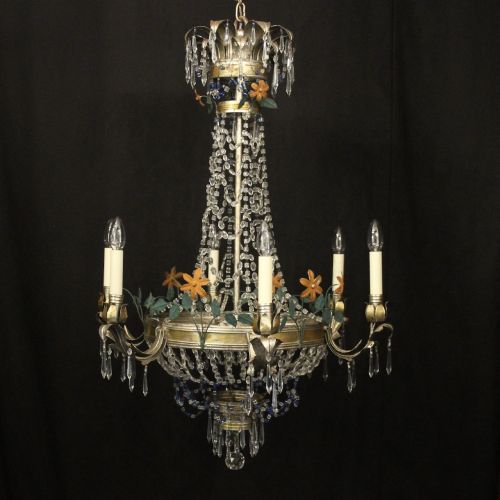
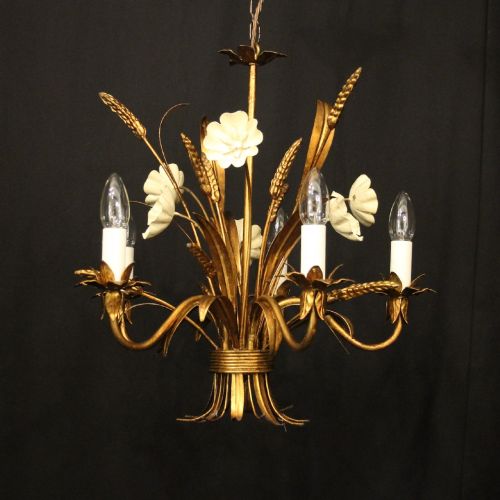
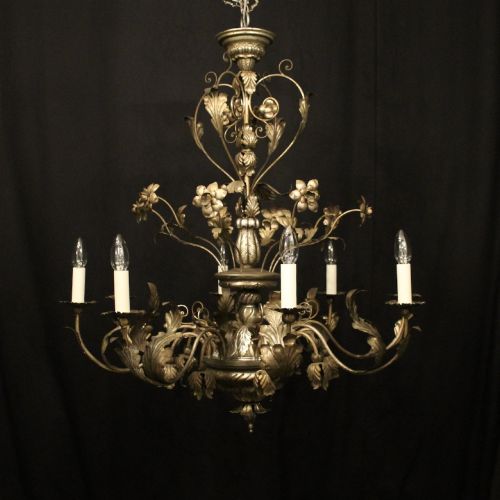
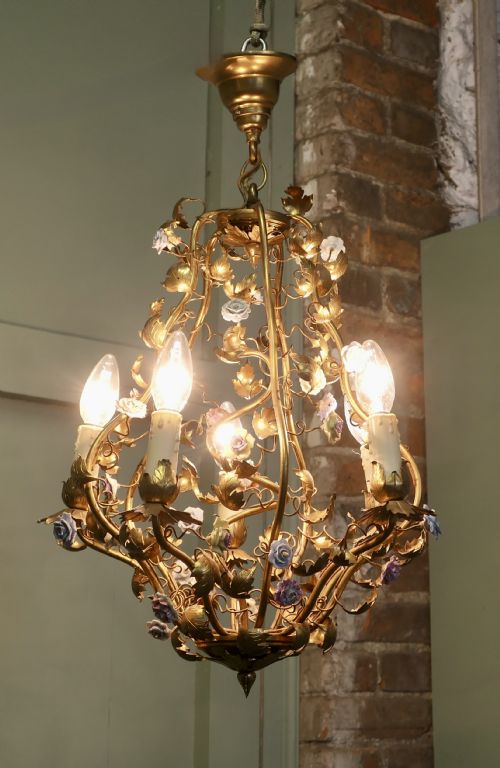
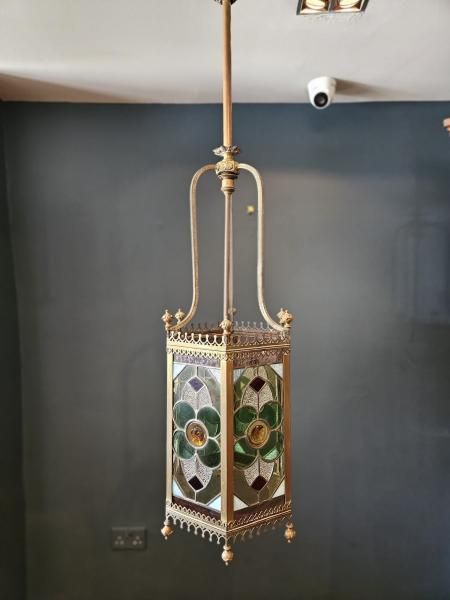
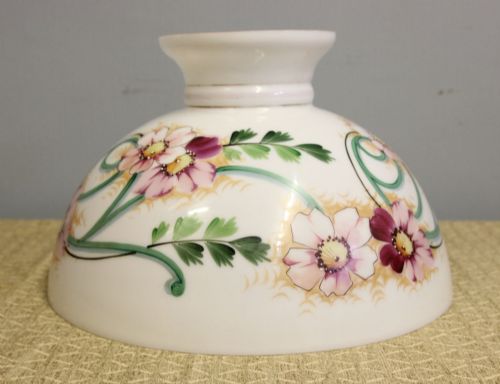
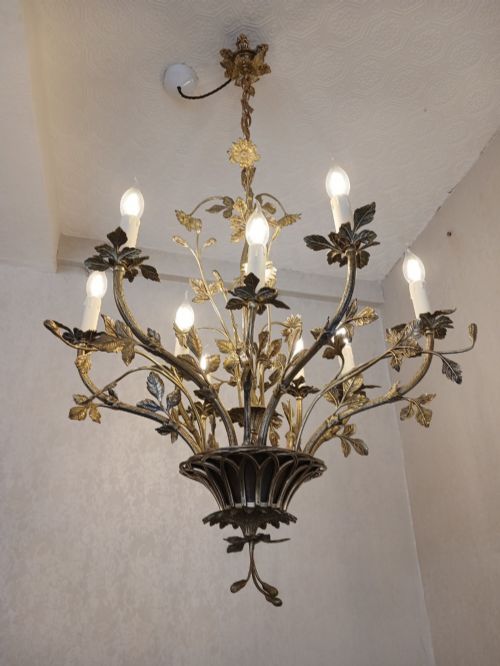
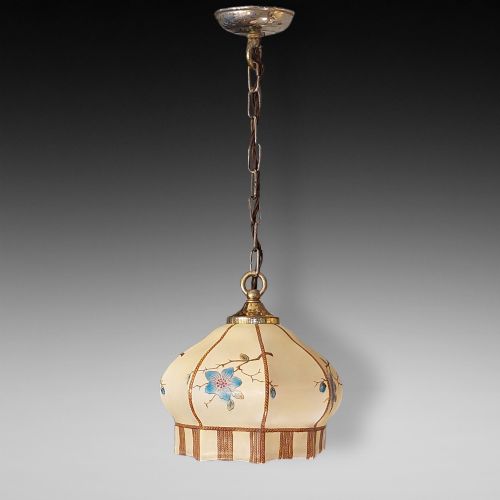
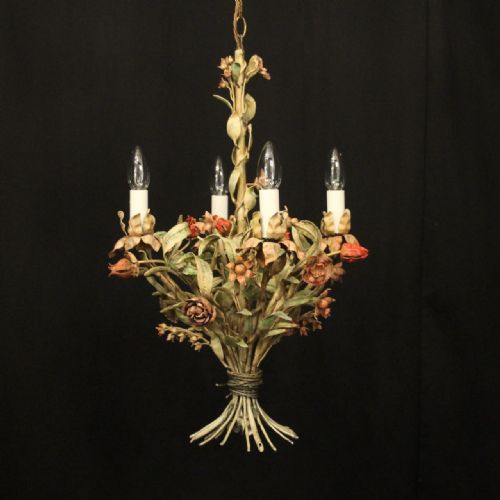
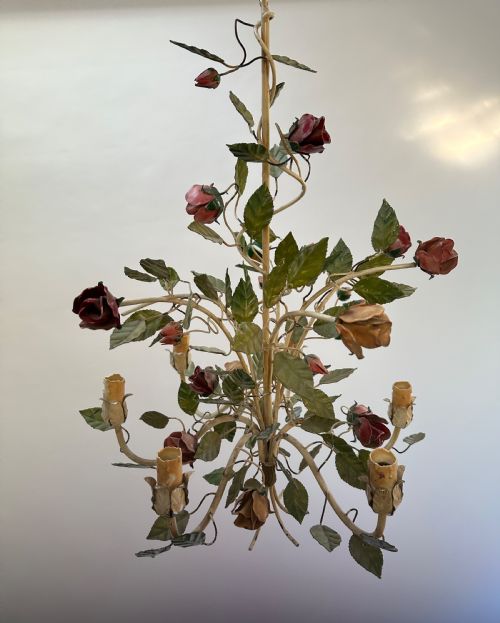
When you search for a vintage floral pendant light, you encounter a diverse array of ceiling fixtures spanning the Victorian, Edwardian, and Art Deco eras, alongside early twentieth-century Continental designs. These pieces range from single hand-painted glass shades and hall lanterns to multi-branch chandeliers adorned with porcelain and ceramic flowers.
Materials and construction
Makers utilised a combination of metals such as brass, gilt metal, wrought iron, and bronze to form the structural branches and frames of these ceiling lights. Hand-painted glass, opaline glass, leaded glass, and carved alabaster were shaped into shades and bowls to diffuse the light.
Decorative elements frequently include ceramic and porcelain flowers, often paired with crystal drops or toleware polychrome finishes. These varied components were soldered, wired, or riveted together to create cohesive botanical lighting structures.
Vintage Floral Pendant Light Retail Price Guide 2026
Typical asking prices for vintage floral pendant light among the pieces listed under this phrase on Sellingantiques today, from the lower quarter to the upper quarter. They describe what is for sale here now, not the wider market.
Listings feature fixtures from the Victorian and Edwardian periods up to the 1930s, utilising brass, gilt metal, glass, and porcelain.
Quality and execution
The distinction between tiers largely rests on the finesse of the metalwork and the hand-application of colour on the ceramic petals and glass shades. Pieces featuring finely sculpted brass or bronze alongside meticulously hand-painted toleware demonstrate superior craftsmanship compared to simpler wire frameworks.
The integration of decorative components also marks the division in standard. Higher-quality examples seamlessly combine crystal elements, opaque grapes, and intricate porcelain flowers into a unified sculptural form rather than relying on sparse ornamentation.
Schneider·Capodimonte
The Vintage Floral Pendant Light Glossary
- Toleware
- Painted or lacquered metalware, typically tin or steel, used extensively in the creation of decorative floral chandeliers and light fixtures. This technique allows for rich polychrome finishes that mimic natural petals.
- Plafonnier
- A ceiling-mounted light fixture with a glass or alabaster bowl that sits flush or close to the ceiling surface. These shades often display painted floral or Neo-Classical motifs.
- Opaline glass
- A type of semi-translucent milk glass that diffuses light softly, frequently utilised for hanging oil lamp shades and period light covers. It can be found in plain white or painted with botanical designs.
- Florentine
- A regional Italian style known for ornate gilt or silver-gilded woodwork and metalwork, often incorporating cascading crystal and floral motifs. These fixtures emphasise lavish decoration and traditional craftsmanship.
Vintage Floral Pendant Light: Frequently Asked Questions
How do I hang a heavy floral chandelier?
These multi-branch metal and crystal fixtures require secure anchoring into ceiling joists using a suitable mounting bracket and steel ceiling box to support the total weight safely.
Professional electrical installation is strongly recommended for vintage wiring setups to ensure compliance with modern safety standards before operation.
How do I clean delicate porcelain flowers?
Dust the ceramic and porcelain botanical elements gently using a soft, dry artist's brush or a feather duster to prevent dislodging fragile petals.
Avoid submerging painted metal or toleware parts in water, opting instead for a slightly damp cloth on robust glass components only.
How do I date a glass lampshade?
Examine the rim for manufacturing characteristics such as pontil marks, hand-blown irregularities, and the specific composition of opaline or leaded glass typical of early twentieth-century production.
Stylistic cues like painted motifs and the presence of Art Nouveau or Art Deco geometry also assist in narrowing down the decade of manufacture.