



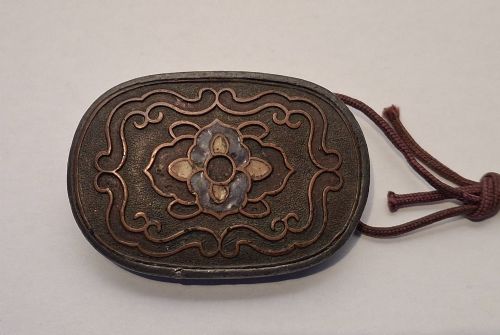
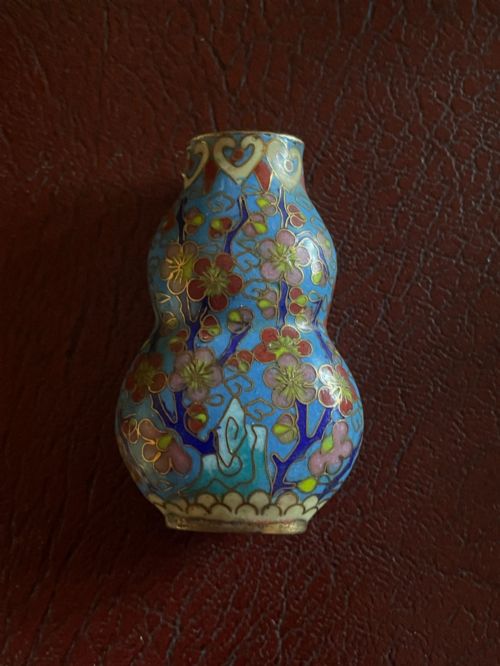


Vintage Floral Ornament
These vintage floral ornament examples span porcelain, enamel, glass, and tolework, bringing traditional botanical motifs into domestic interiors.
Vintage Floral Ornament
When you search for vintage floral ornament pieces, you encounter a diverse selection of decorative objects ranging from porcelain figures and centrepieces to cloisonné vases and carved urns. These pieces incorporate botanical and floral themes across various forms, serving primarily as decorative accents within domestic spaces.
The objects represented span multiple periods including the Victorian era, the Edwardian period, and the early twentieth century. Common physical manifestations on this page include porcelain baskets, glass lustres, painted ewers, and decorative boxes featuring plant motifs.
Geographic origins vary widely across the items listed, encompassing English potteries, French porcelain houses, German factories, Japanese metalwork, and Italian glassworks. Buyers are most likely to meet Victorian porcelain items, Japanese cloisonné and enamel pieces, and European decorative vessels.
How they were made
Manufacturing methods rely heavily on traditional craft techniques suited to each material, such as hand-painting on porcelain earthenware and moulding glass in Italian furnaces. Metal items utilise techniques like champlevé and cloisonné enamel work applied to copper, brass, or pewter bases.
Wood and other organic materials appear in carved formats, whilst toleware pieces employ painted metal to simulate natural botanical forms. Gold leaf and enamels frequently provide surface decoration and colour highlights across ceramic and metallic substrates.
Vintage Floral Ornament Retail Price Guide 2026
Typical asking prices for vintage floral ornament among the pieces listed under this phrase on Sellingantiques today, from the lower quarter to the upper quarter. They describe what is for sale here now, not the wider market.
Gentlemen once carried tiny carved netsuke as functional toggles, accidentally inventing a miniature portable garden for their pockets.
What varies in quality
The refinement of hand-painted details and the crispness of moulding separate finer items from simpler production pieces. In ceramics and glass, the clarity of the glaze, the precision of the enamel work, and the absence of firing distortions dictate the overall standard.
For metalwork and cloisonné items, the regularity of the wirework cells and the depth of the enamel fill determine the quality. Maker attribution and the preservation of original surface finishes, such as gilding or patination, also influence the standing of each piece.
Royal Worcester·Samson, Paris·Rockingham·Staffordshire
The Vintage Floral Ornament Glossary
- Cloisonne
- Enamelwork in which enamel is applied to compartments created by soldered wires on a metal base. This technique produces detailed patterns defined by thin metallic lines.
- Champleve
- Enamelwork where troughs or cells are carved or etched into a metal surface and filled with enamel powder before firing. The surrounding metal remains visible as part of the design.
- Toleware
- Painted or lacquered sheet metal items popular for domestic decoration. They often take the form of floral arrangements or decorative vessels.
- Lustre
- A type of glass or ceramic finish that produces an iridescent metallic sheen. It reflects light to create shifting colour effects across the surface.
- Centrepiece
- A large decorative object placed in the middle of a table or sideboard. These often take the form of elaborate porcelain bowls or figural arrangements.
Vintage Floral Ornament: Frequently Asked Questions
What materials are used in vintage floral ornaments?
The materials span porcelain, earthenware, glass, pewter, copper, and brass. Enamel and gold leaf frequently appear as surface embellishments.
Wood and painted metal toleware also represent the range of substances utilised by makers across different periods.
How do I identify a Victorian floral ornament?
Victorian pieces often display Rococo Revival influences, heavy moulding, and hand-painted floral motifs on porcelain or earthenware bodies.
Look for characteristic forms such as cottages, ewers, baskets, and centrepieces dating from the nineteenth century.
Where were these decorative items made?
The origins span English potteries, French porcelain manufacturers, German ceramic works, and Italian glasshouses. Japanese workshops also contributed metal enamel pieces.
Each region employed distinct regional techniques and stylistic conventions during its respective era.
How should I display a decorative floral vase?
These vessels suit placement on mantelpieces, sideboards, or display cabinets where their form and surface detail remain visible. Pairs look balanced when flanking a central mirror or clock.
Ensure stable placement away from heavy foot traffic to protect delicate enamel or glass elements.