




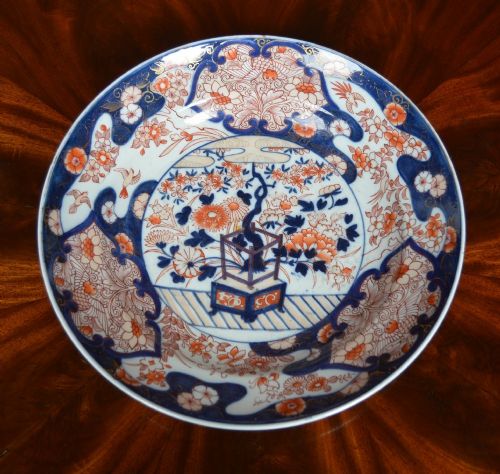
Vintage Floral Dish
When you search for a vintage floral dish, you find painted plates, bowls, and platters spanning several centuries of ceramic history.
Vintage Floral Dish
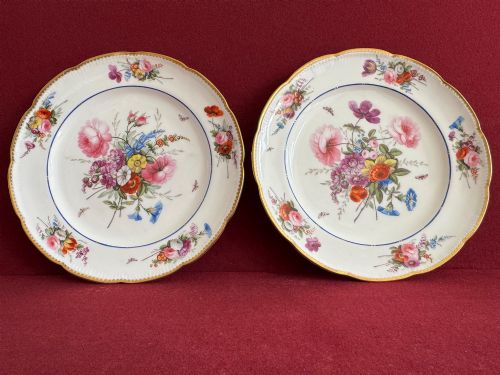
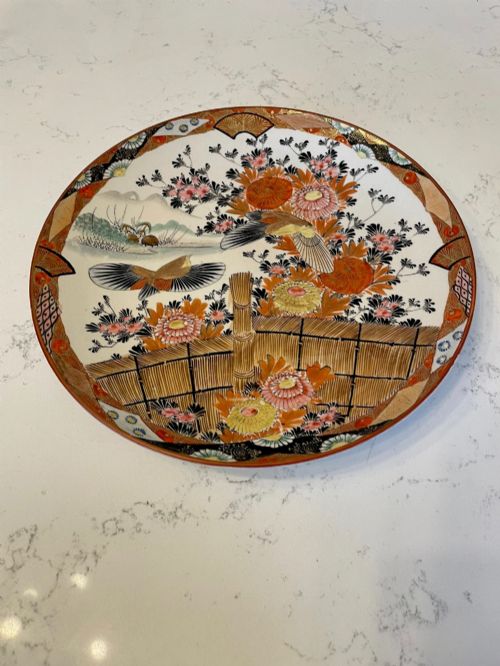
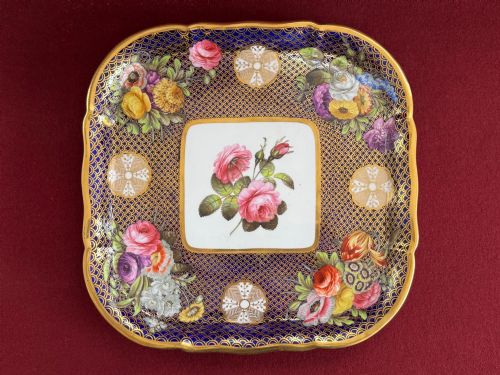
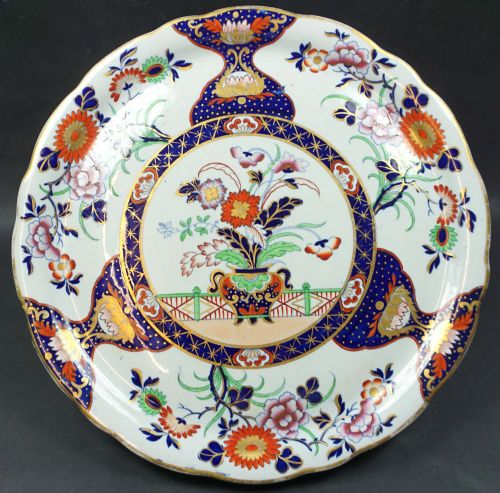
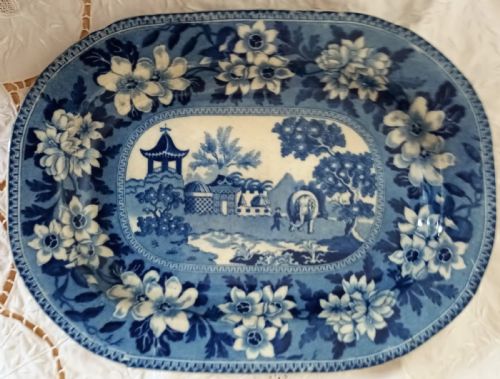
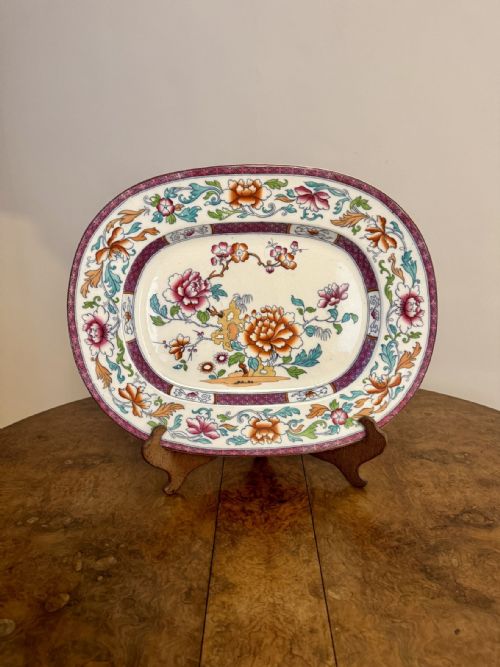
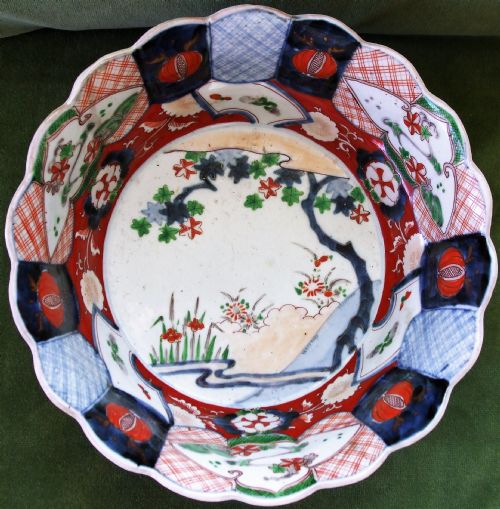
A vintage floral dish encompasses a diverse selection of ceramic and porcelain tableware, ranging from eighteenth-century English Delftware chargers to nineteenth-century Japanese Imari bowls and Edwardian cabinet pieces. Buyers searching this phrase most commonly encounter transfer-printed pottery, hand-painted porcelain plates, and large serving platters decorated with botanical motifs.
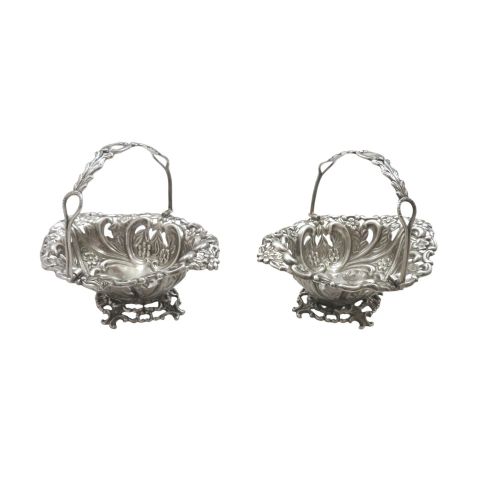
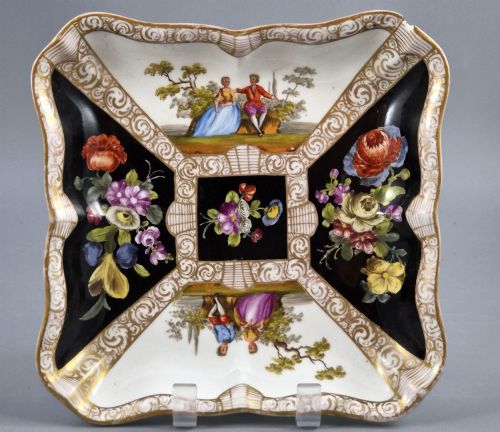
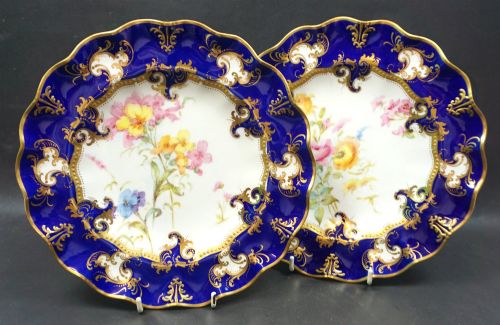
The selection includes specialised forms such as cheese dishes, heavy chargers, scalloped bowls, and decorative baskets created across various periods including the Georgian, Regency, and Victorian eras. Continental factories and English potteries alike produced these items for both practical table service and decorative display.
How they were made
Maker's workshops utilised traditional ceramic bodies including earthenware, stoneware, and fine porcelain, shaping items on wheels or pressing them into moulds. Artisans applied glazes, gold leaf, and gilding to enrich the surfaces before firing.
Decoration relied heavily on hand-painting and transfer printing. Many pieces feature polychrome pigments, enamel work, and detailed blue and white designs applied beneath or over the glaze.
Vintage Floral Dish Retail Price Guide 2026
Typical asking prices for vintage floral dish among the pieces listed under this phrase on Sellingantiques today, from the lower quarter to the upper quarter. They describe what is for sale here now, not the wider market.
Materials represented across the inventory include porcelain, earthenware, ceramic, enamel, silver plate, and sterling silver with gold leaf accents.
What varies in quality
The standard of a piece rests upon the crispness of the painted or transferred botanical detail and the skill of the brushwork. Early hand-painted examples demonstrate greater individual artistry than mass-produced transfer wares.
The weight, fineness, and translucency of the porcelain or pottery body also distinguish finer output from standard domestic items. Preserved gilding and clear, bright glaze without excessive firing flaws mark higher manufacturing standards.
Nantgarw·Spode·Meissen·Royal Crown Derby·Derby·Hicks and Meigh·John Rogers and Son·Royal Doulton·Desvres Rouen·Quimper·New Hall·Mann and Co·Minton·Paul Muller Selb
The Vintage Floral Dish Glossary
- Imari
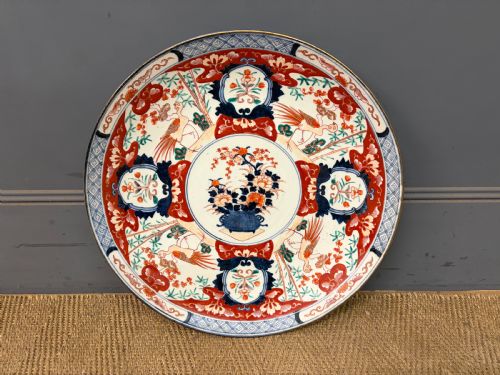
- A style of Japanese export porcelain characterised by a palette of underglaze blue, iron red, and gilt highlights. It appears frequently on nineteenth-century bowls and plates.
- Delftware
- Tin-glazed earthenware produced in England and the Netherlands, typically featuring painted blue or polychrome designs on an opaque white background. Eighteenth-century examples often take the form of wall chargers.
- Transferware
- Pottery decorated by applying a printed design from an engraved copper plate onto the ceramic surface via tissue paper. This technique allowed for intricate patterns on nineteenth-century platters and dishes.
- Majolica
- A type of colourful lead-glazed earthenware popular during the Victorian period, known for its vibrant relief decoration and botanical motifs.
- Repoussé
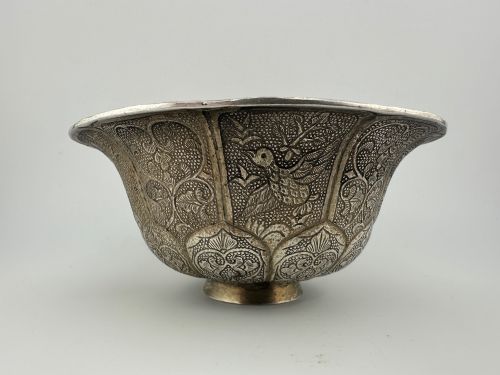
- A metalworking technique where a design is hammered into relief from the reverse side. This finish appears on silver and silver-plated baskets and trays.
Vintage Floral Dish: Frequently Asked Questions
How do I identify a vintage floral dish?
Examine the materials, glaze, and decoration style to determine the likely period of manufacture. Makers often included backstamps, painted signatures, or specific pattern numbers on the underside.
Botanical motifs vary from eighteenth-century tin-glazed flowers to nineteenth-century Japanese Imari patterns and Victorian transfer-printed designs. Comparing the weight and ceramic body to known examples helps confirm the origin.
Were these dishes used for food?
Many items were originally created for practical dining table use, including cheese dishes, meat platters, sauceboats, and serving bowls. Other forms, such as cabinet plates and chargers, were primarily intended for display.
Care should be taken with older earthenware and porcelain, as modern dishwashers can damage delicate glazes, hand-painted enamels, and gold leaf.
What is Japanese Imari?
Japanese Imari refers to porcelain manufactured in the town of Arita and exported through the port of Imari. These pieces are easily recognised by their distinctive palette of iron red, underglaze blue, and gold.
Such wares remained popular in Europe throughout the nineteenth century, influencing domestic ceramic production and appearing on numerous decorative bowls and plates.
How should I clean antique porcelain?
Wash delicate porcelain and earthenware by hand in lukewarm water using a mild, non-abrasive detergent. Avoid soaking pieces, particularly those with old repairs or exposed ceramic bodies.
Dry them immediately with a soft, lint-free cloth to protect the glaze and any delicate surface gilding or enamel decoration.