





Vintage Floral China
These vintage floral china pieces bring painted blooms to the table through porcelain, earthenware, and ironstone decorated across centuries.
Vintage Floral China
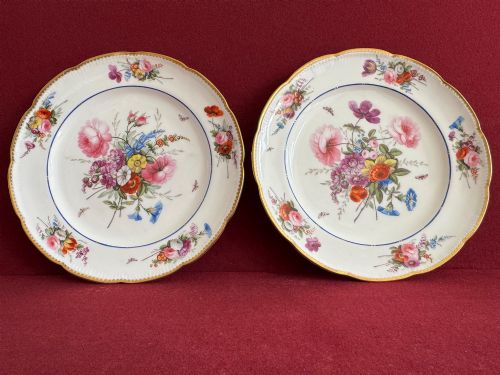
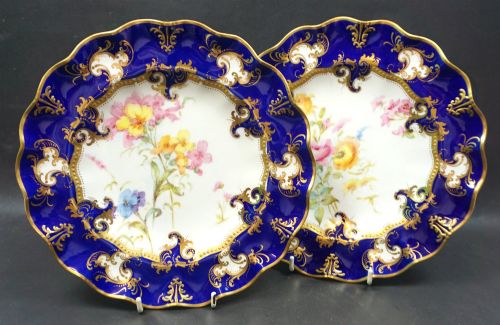
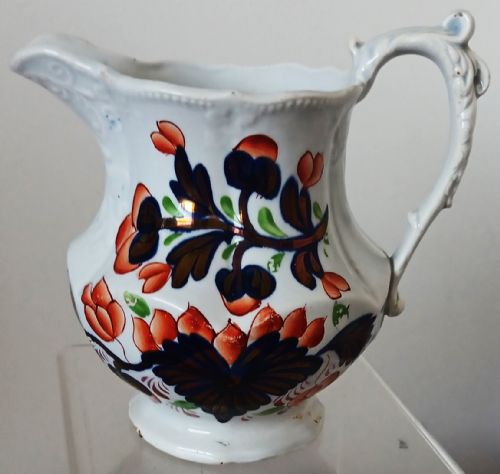
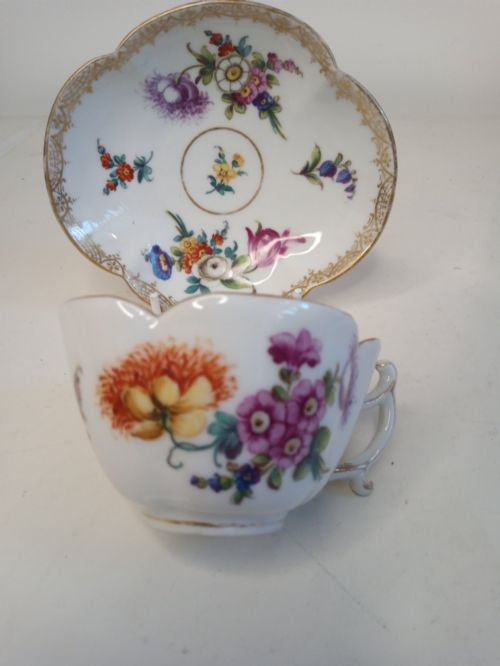
When buyers search for vintage floral china, they encounter tableware and display items ranging from delicate eighteenth-century Worcester and Sevres plates to nineteenth-century dinner services and nineteenth-century Gaudy Welsh pottery jugs. The selection spans tea sets, cabinet dishes, and tureens decorated with botanical motifs.
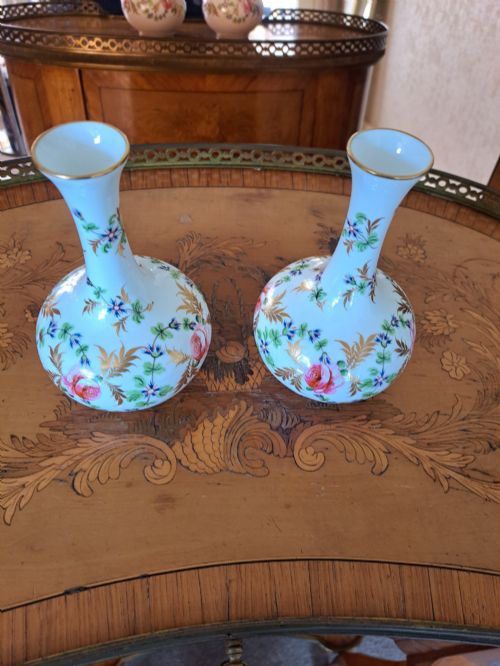
Most pieces on this page originate from English and European potteries operating through the Georgian, Victorian, and Edwardian eras. Dinner services, decorative plates, and vases carry hand-painted or transferred floral patterns rendered in enamel and glaze.
How They Were Made
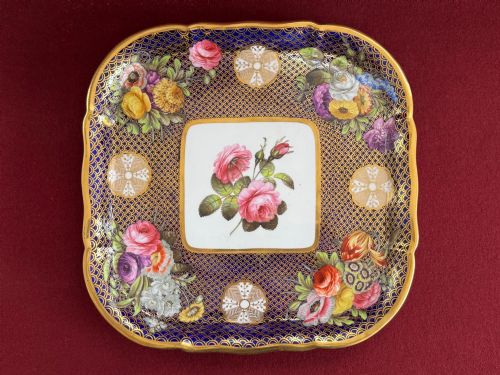
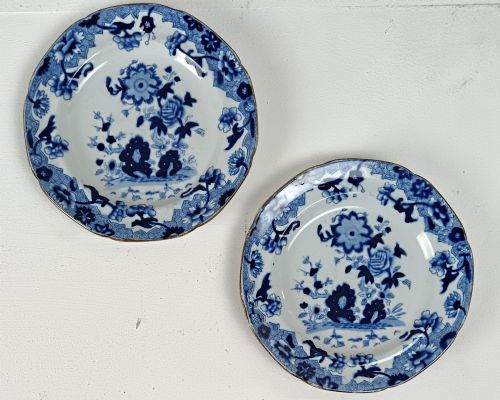
Makers shaped porcelain, earthenware, and ironstone into tableware before applying underglaze blue, enamel colours, and gilt highlights. Artisans used hand-painting techniques alongside transfer printing to render botanical subjects onto ceramic bodies.
Kiln firing fixed the ceramic body and glaze, after which gilders applied gold leaf or liquid gilding to rims and handles. Some items received supplementary London decoration or specialised patterns before final firing.
Vintage Floral China Retail Price Guide 2026
Typical asking prices for vintage floral china among the pieces listed under this phrase on Sellingantiques today, from the lower quarter to the upper quarter. They describe what is for sale here now, not the wider market.
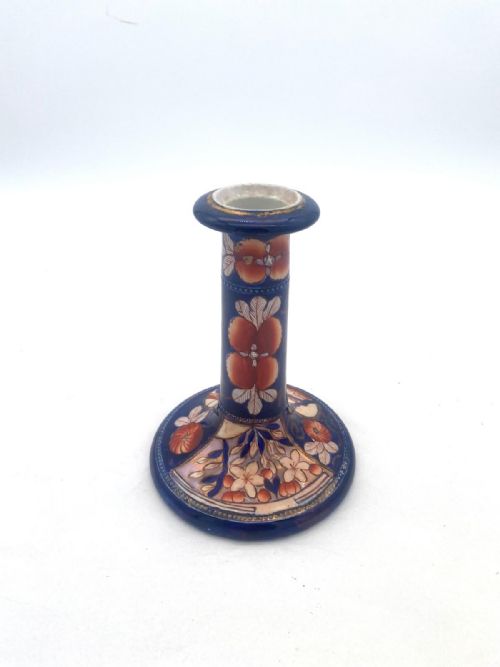
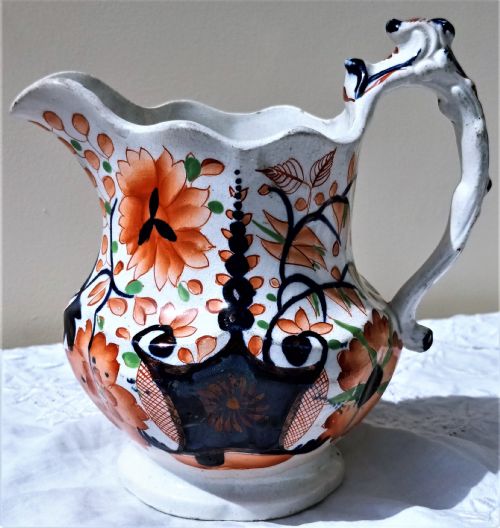
Some nineteenth-century makers named their vibrant floral styles with enthusiasm, including the wonderfully spirited Gaudy Welsh patterns.
What Varies in Quality
The standard of painting defines the division between ordinary production and superior artistic output, with delicate brushwork and detailed botanical studies commanding greater attention. Hand-painted compositions by named artists represent the highest tier of ceramic decoration.
The integrity of the ceramic body and the preservation of gilt highlights and enamel colours determine the overall retention of quality. Early porcelain bodies and robust ironstone services show distinct manufacturing standards across different periods.
Nantgarw porcelain·Spode·Royal Crown Derby·Royal Doulton·Booths·Masons·Minton·Royal Worcester·Coalport
The Vintage Floral China Glossary
- Ironstone
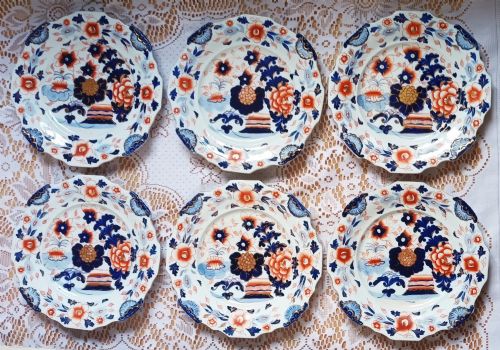
- A dense, durable type of earthenware patented in the nineteenth century to rival true porcelain. It provided a strong surface for colourful enamel patterns and daily use.
- Gilding
- The application of gold leaf or powdered gold to ceramic surfaces. It added decorative richness to rims, handles, and borders.
- Enamel
- Opaque glass used to paint colours over the glazed ceramic surface. Subsequent low-temperature firing fused the pigments to the glaze.
- Cabinet Plate
- A decorative plate intended for display in a cabinet rather than for dining. These often feature finer hand-painted botanical or pictorial subjects.
- Sauce Boat
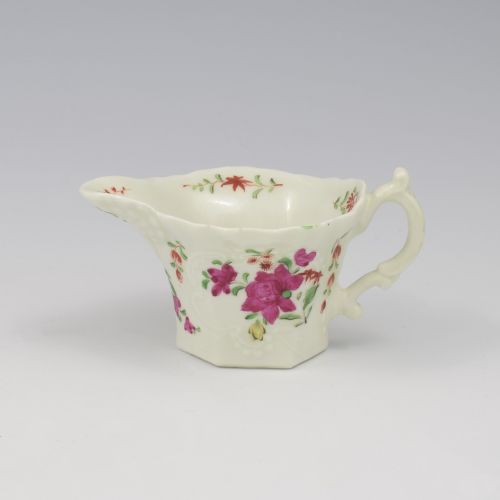
- A small jug or boat-shaped vessel used for serving sauces at the table. They frequently match larger dinner services.
Vintage Floral China: Frequently Asked Questions
Can I use these plates for dining?
Many nineteenth-century ironstone and earthenware services were made for practical dining use and remain sturdy enough for occasional meals. Examine the glaze for wear before serving food.
Cabinet plates and eighteenth-century porcelain pieces are best reserved for display. Their delicate enamel and soft pastes risk damage from modern cutlery.
How do I identify the maker?
Look underneath the base for printed stamps, impressed marks, or hand-written pattern numbers. Different potteries changed their marks across reigns and decades.
Match the style of the mark and the ceramic body to known reference guides. Some pieces carry the name of the decorator alongside the factory mark.
What is the difference between porcelain and ironstone?
Porcelain is a fine, vitrified ceramic that often transmits light when held up to a lamp. It has a smooth, glass-like body common in tea sets and cabinet dishes.
Ironstone is a heavy, opaque earthenware developed for durability. It provides a robust ground for bold patterns on large platters and dinner services.