




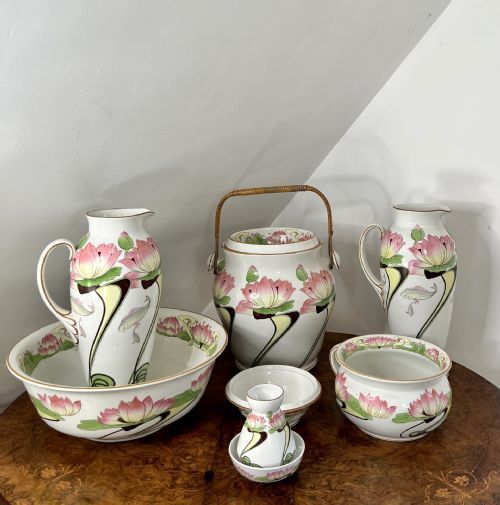
Vintage Floral Bowl
A vintage floral bowl brings botanical motifs and domestic history together, offering functional charm for modern interiors.
Vintage Floral Bowl
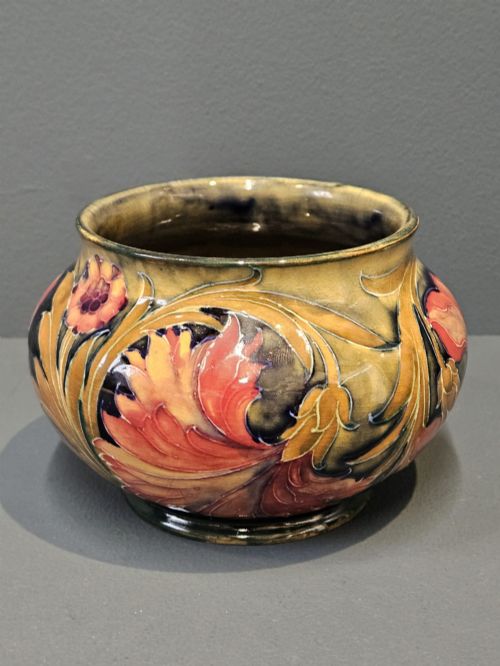
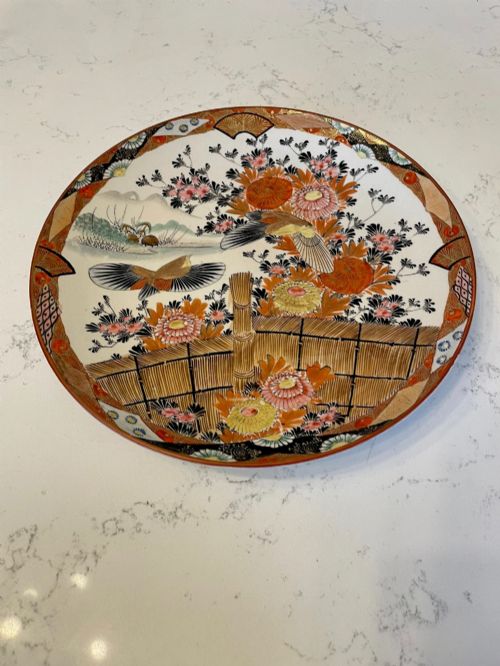
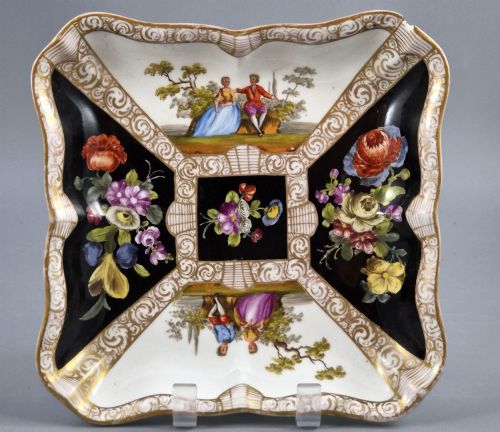
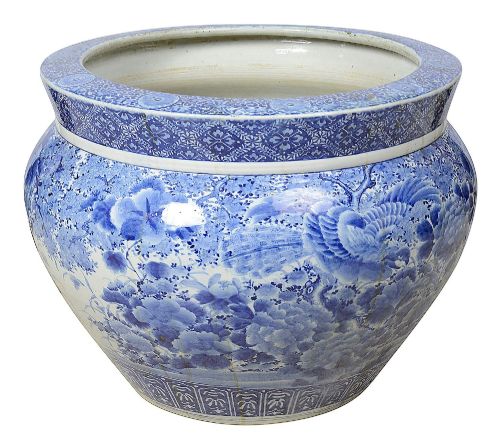
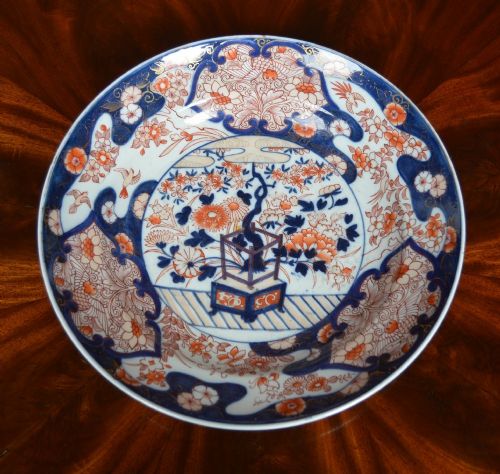
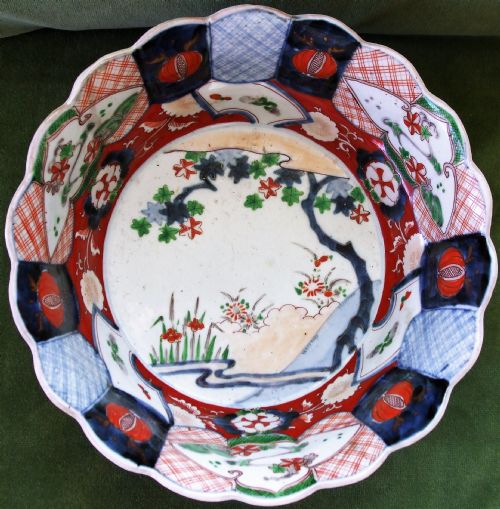
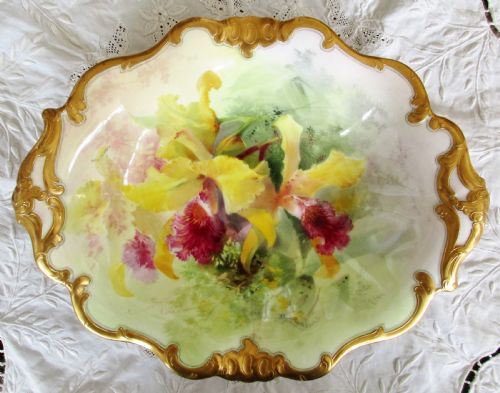
A vintage floral bowl encompasses a diverse group of vessels decorated with botanical motifs, spanning periods from the eighteenth century to the mid twentieth century. Buyers encounter forms ranging from porcelain cabinet dishes and earthenware fruit bowls to large Japanese Imari porcelain scallop edge pieces.
The selection includes items shaped by Victorian, Edwardian, Art Nouveau, and Art Deco aesthetics, alongside items originating from English potteries, German factories, and Japanese kilns. Many examples function as decorative centrepieces, washstand sets, or table dishes rather than simple kitchenware.
How they were made
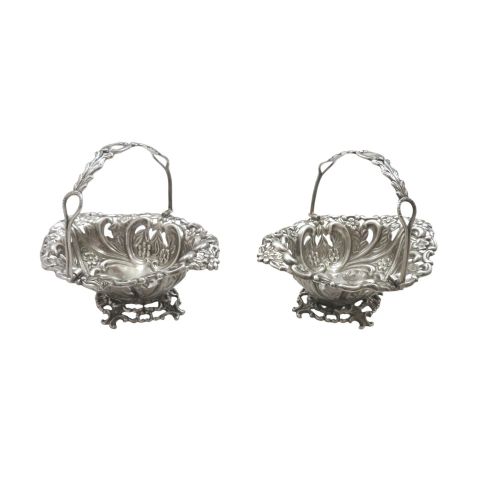
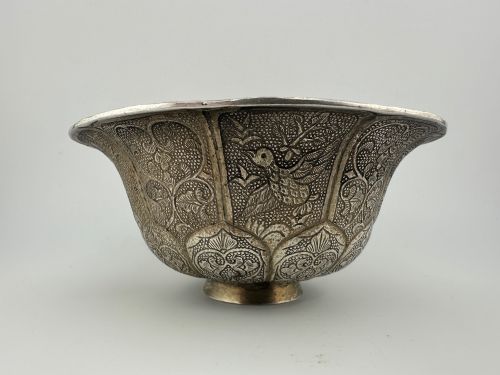
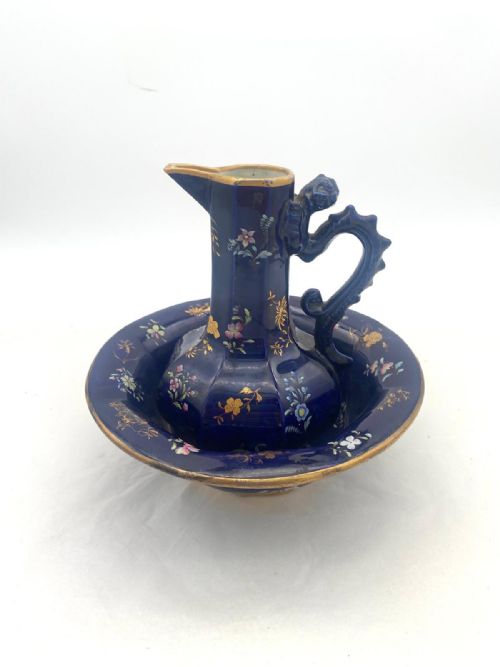
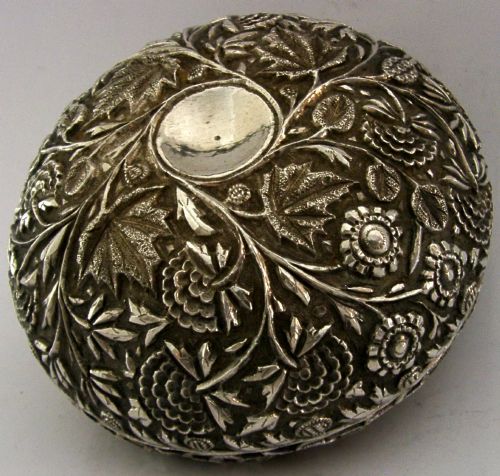
Potters and artisans utilised ceramic materials such as porcelain, earthenware, and ironstone, shaping vessels through throwing or moulding before applying cobalt blue glaze or enamel painting. Metal items incorporate sterling silver, silver plating, and white metal shaped with repoussé rims or combined with gilt bronze frames.
Glass pieces demonstrate techniques involving crystal cutting, etching, enamelling, gilding, and opalescent moulding. Many ceramics combine hand-painted floral details with applied elements like ceramic roses or structural gilt accents.
Vintage Floral Bowl Retail Price Guide 2026
Typical asking prices for vintage floral bowl among the pieces listed under this phrase on Sellingantiques today, from the lower quarter to the upper quarter. They describe what is for sale here now, not the wider market.
Musical putti figures cheerfully cling to the rims of nineteenth-century German porcelain centrepieces, supervising the floral arrangements within.
What varies in quality
The distinction between tiers rests on the execution of the painting and the crispness of the moulding, where hand-painted botanical studies by named artists or skilled decorators command greater attention. The preservation of applied details, such as delicate porcelain petals or fine gilding on the rim, dictates the overall integrity of the piece.
Subtleties in body composition also separate standard domestic wares from cabinet pieces, as seen in the translucency of fine porcelain versus heavier earthenware. The weight and stability of mounts on silver-plated baskets or bronze frames contribute to the lasting character of the vessel.
Meissen·Royal Doulton·Lalique·Spode·Paul Müller Selb
The Vintage Floral Bowl Glossary
- Imari
- A style of Japanese porcelain decorated in underglaze blue and contrasting iron red, supplemented by gold and other colours. These items often display intricate panel designs and floral motifs.
- Repoussé
- A metalworking technique where the artisan hammers the design from the reverse side to form a raised pattern on the front. This method frequently appears on silver and silver-plated rims.
- Jardiniere
- A large ornamental pot or bowl designed to hold a plant or floral arrangement. These substantial vessels often sit on tables or pedestals as interior centrepieces.
- Sucrier
- A small bowl or vessel intended for holding lump sugar as part of a tea service. They match the ceramic body and decorative theme of the accompanying tea ware.
- Spongeware
- Pottery decorated by dabbing pigment onto the biscuit body using a sponge or similar porous material. This technique creates a distinctive mottled pattern common on nineteenth-century kitchen and table wares.
Vintage Floral Bowl: Frequently Asked Questions
What periods do these bowls come from?
The listings span from the eighteenth century through the Victorian and Edwardian eras up to the mid twentieth century. Production dates often align with stylistic revivals like Rococo or movements such as Art Nouveau.
Items reflect the prevailing manufacturing techniques and artistic preferences of their decade of origin, ranging from hand-painted English porcelain to Japanese export porcelain.
How were these decorative bowls used?
These vessels served various domestic functions, from holding fruit and flowers on dining tables to functioning as washstand components in bedrooms. Cabinet dishes were displayed in parlours to showcase fine ceramic artistry.
Larger jardiniere and centrepiece forms were specifically designed to anchor interior table settings or hold indoor botanical displays.
How do I identify Japanese Imari ware?
Japanese Imari pieces typically feature a palette combining cobalt blue underglaze with iron red and gold overglaze. The patterns often incorporate dense floral arrangements and panel designs.
These vessels generally date from the nineteenth or early twentieth century and display distinctive scallop edges or heavy porcelain bodies.
Are silver baskets and bowls hallmarked?
Sterling silver items and silver-plated baskets often carry manufacturer marks or date letters indicating their year of production. Silver-plated pieces frequently feature specific trade marks on the base or rim.
Examining these stamps helps determine the manufacturing period and the firm responsible for the metalwork.
How should I clean antique porcelain and glass?
Gentle washing with warm water and mild soap is generally suitable for glazed ceramic and glass surfaces without delicate gilding. A soft cloth prevents scratching on painted enamel or gold leaf details.
Items with applied porcelain flowers or fragile painted scenes require extra care to avoid damaging the delicate decorative elements.