





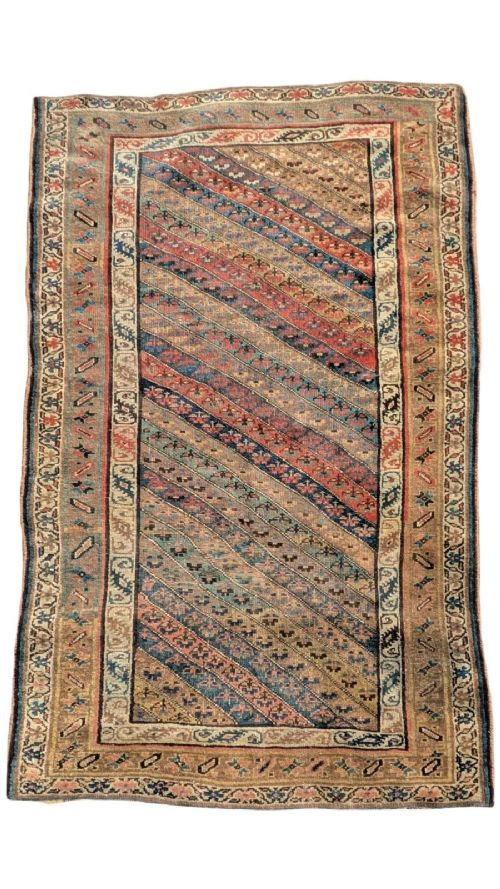
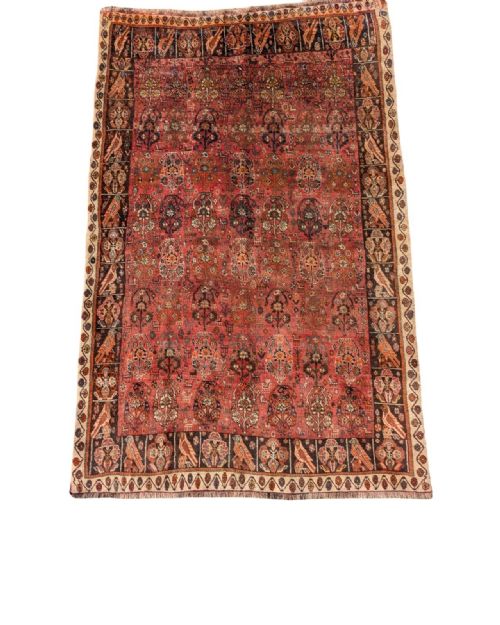
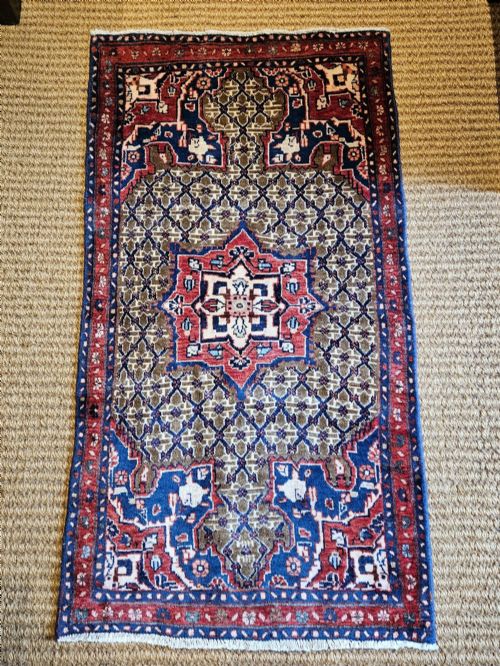
Vintage Floor Runner
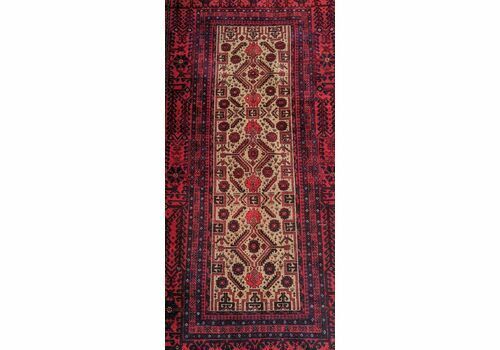
These vintage floor runner pieces bring warmth and pattern to long corridors through woven wool and cotton constructions.
Vintage Floor Runner
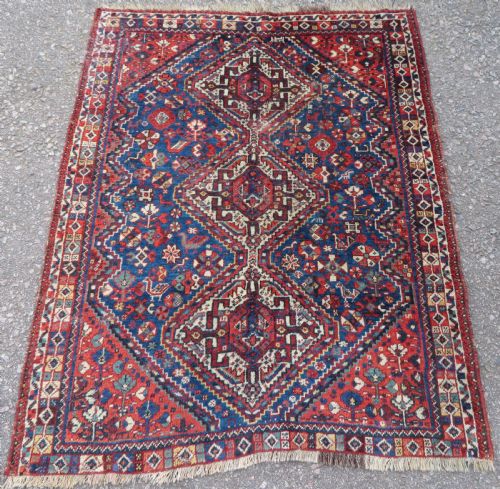
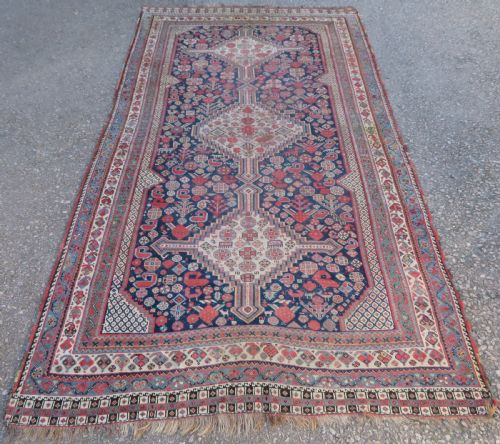
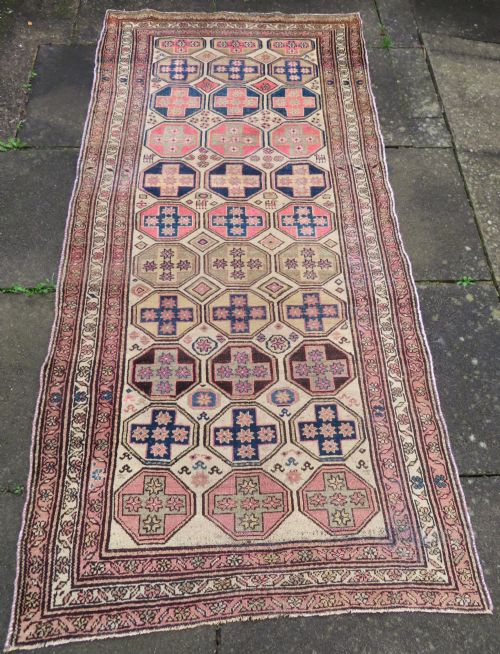
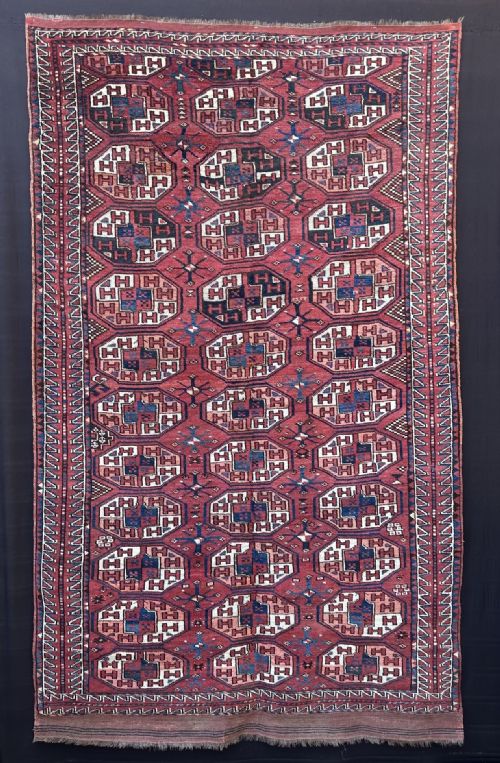
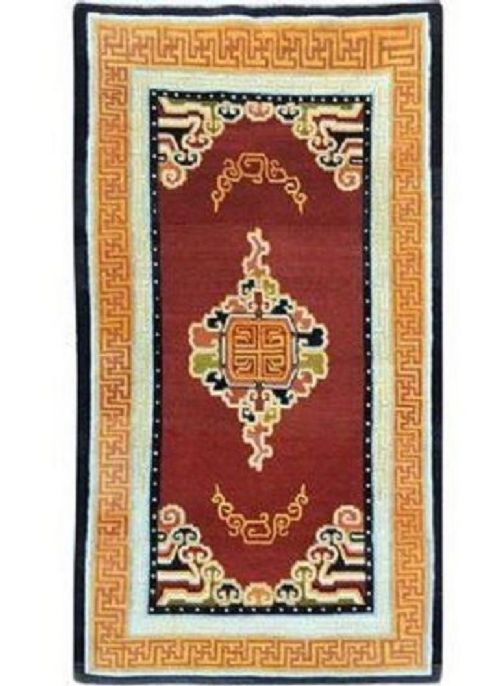
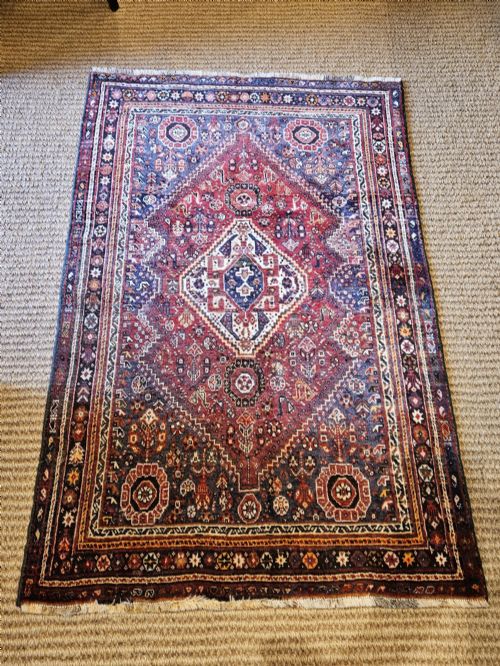
A vintage floor runner provides a narrow, elongated textile surface suited for hallways and corridors. These examples emerge from various weaving traditions including Persian, Caucasian, and Turkmen tribal workshops.
The selections span periods from the Victorian era through the early twentieth century, incorporating styles like Persian Tribal and Caucasian alongside traditional runners. Buyers encounter pieces originating from Central Asia, Turkey, and the Caucasus.
Makers utilised wool, cotton, silk, and hand-spun wool to construct these long formats. The category includes specific regional forms such as Ushak runners, Karaja runners, and general hallway runners.
Materials and construction
Materials comprise wool, cotton, silk, and hand-spun wool, providing the foundation and pile for these textiles. Artisans knotted or wove these materials together by hand during the Victorian era and early twentieth century.
The physical build relies on traditional weaving methods originating from Persian, Turkish, and Caucasian centres. These techniques result in durable floor coverings designed for heavy foot traffic in domestic spaces.
Some weavers tucked stray animal hairs straight into the pile, leaving a small secret from the workshop floor.
Variations in quality
Quality differentiates through the density of the knotting and the fineness of the materials utilised. Hand-spun wool and pure silk demonstrate superior material selection compared to standard commercial wool.
Design complexity and regional authenticity set apart the finest examples. Pieces originating directly from named tribal groups or specific weaving regions command greater attention from collectors.
The Vintage Floor Runner Glossary
- Runner
- A long, narrow carpet designed specifically for hallways and corridors. It guides movement through domestic spaces.
- Pile
- The upright yarn loops or cut ends that form the usable surface of a carpet. It provides cushioning underfoot.
- Knot
- The individual loop of yarn tied onto the warp threads by hand. Knot density determines the clarity of the pattern.
- Warp
- The vertical threads stretched across a loom before weaving begins. Weft threads are passed across them horizontally.
- Prayer rug
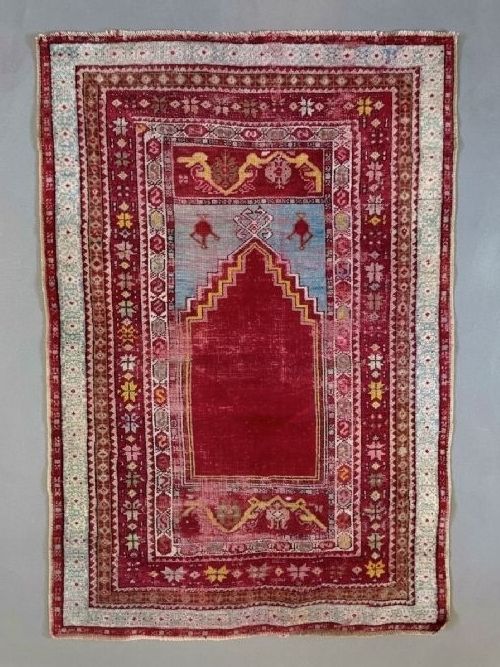
- A small textile featuring a mihrab or niche design used for daily devotions. These pieces often display floral vase or geometric motifs.
Vintage Floor Runner: Frequently Asked Questions
Where should I place a runner?
These long carpets suit narrow corridors, hallways, and entryways where foot traffic concentrates.
They protect wooden flooring while adding colour and pattern to transitional spaces in a home.
How do I clean my textile?
Regular gentle vacuuming without a rotating brush roll removes surface dust from the wool or cotton fibres.
Professional specialist cleaning is required for older hand-knotted pieces to preserve the natural dyes.
What materials were used?
Weavers utilised natural fibres including sheep wool, hand-spun wool, cotton, and occasional silk.
These materials provide the durability required for long narrow floor coverings subjected to daily use.
How do I identify the period?
Dating relies on stylistic elements, structural materials, and regional weaving characteristics recorded across the nineteenth and twentieth centuries.
Victorian and early twentieth-century examples often display specific dye palettes and tribal motifs typical of their origin.