

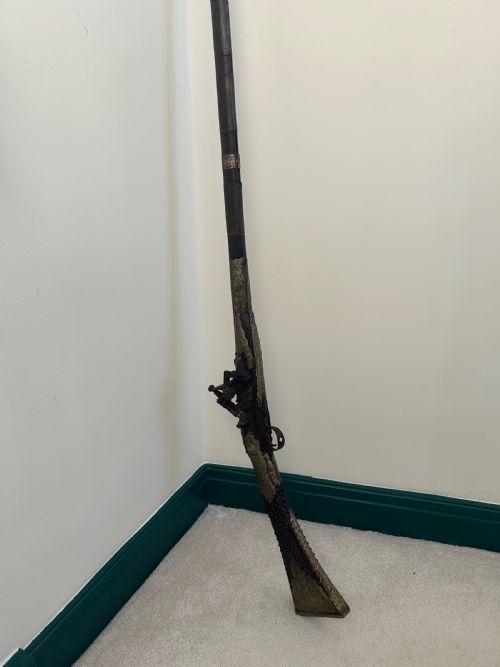


Vintage Flintlock Firearm
A vintage flintlock firearm is a working piece of history, combining mechanical ingenuity with centuries of martial heritage.
Vintage Flintlock Firearm
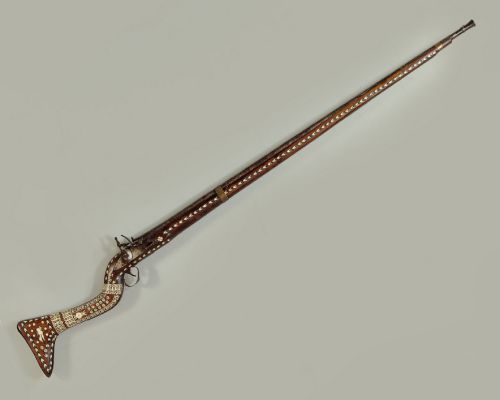
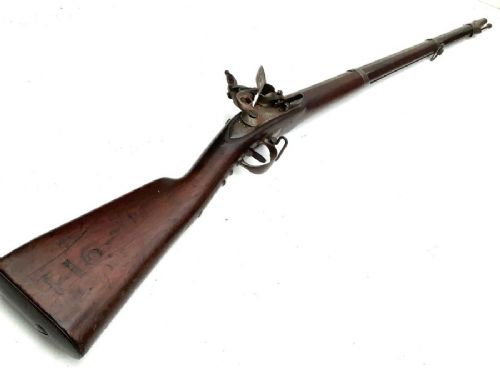
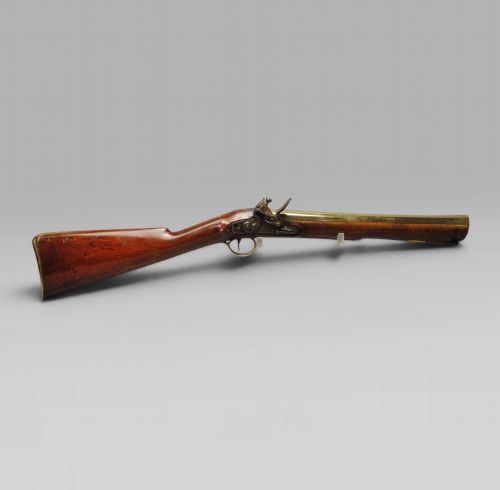
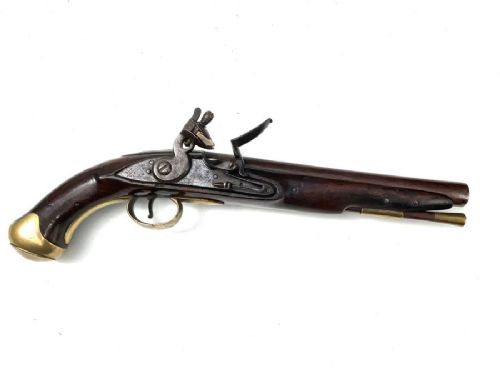
A vintage flintlock firearm represents a tangible link to the military campaigns, travel hazards and duelling culture of the eighteenth and nineteenth centuries. These pieces encompass everything from compact pocket pistols and heavy cavalry arms to long rifles and blunderbusses.
Buyers searching this phrase will find a diverse array of forms originating from British, French, American and Ottoman workshops. Pistols and muskets form the bulk of the selection, frequently spanning the Georgian, Regency and Napoleonic eras.
Regional variants such as Afghan jezails, Balkan holster pistols and Irish silver-mounted arms demonstrate the global spread of the mechanism. Each item reflects the specific tactical requirements and aesthetic tastes of its place of origin.
Materials and Construction
Makers relied on forged steel and iron for the locks, barrels and internal springs, ensuring the durability required for striking a spark. Stocks were shaped from dense hardwoods like walnut, chosen to withstand the concussive force of discharge.
Mounts, trigger guards and decorative elements incorporated brass, cast or beaten into shape, alongside silver wire and bone inlays. These contrasting materials served both structural reinforcement and ornamental purposes across European and tribal pieces alike.
Listings feature 18th-century and 19th-century periods, utilising walnut, steel, brass, iron, wood, silver, and bone.
Judging Quality and Finish
The distinction between ordinary and exceptional pieces lies in the crispness of the lock mechanism and the finesse of the metal engraving. Master makers signed their work on lock plates and barrels, elevating the status of the piece through documented provenance.
Harrison of London·Timothy Hughes·Meyer and Mortimer·Barber of Newark·Dutton·Wilson
The Vintage Flintlock Firearm Glossary
- Flintlock
- A firearm ignition mechanism that uses a piece of flint held in a cock to strike a steel frizzen, creating sparks to ignite the priming powder.
- Frizzen
- The vertical steel plate struck by the flint to produce sparks, positioned directly over the priming pan.
- Bore
- The interior diameter of the barrel, determining the size of the projectile the firearm was designed to discharge.
- Miquelet
- A distinct form of flintlock mechanism common in Spain, Italy, and the Ottoman Empire, featuring an external mainspring and combined steel and frizzen.
- Jezail
- A type of long-barrelled flintlock or matchlock rifle utilised across the Middle East and Central Asia, often distinguished by a heavily curved stock.
Vintage Flintlock Firearm: Frequently Asked Questions
How do I care for a vintage flintlock firearm?
Keep the metal lightly oiled to prevent oxidation and store the piece in a dry, stable environment away from direct sunlight.
Avoid aggressive cleaning agents that might strip historical patina from the wood and steel surfaces.
Are these firearms legally safe to fire?
Most antique pieces are sold as historical artefacts or wall art rather than functional weapons.
Professional inspection by a qualified gunsmith is mandatory before any attempt to load or discharge an antique mechanism.
How can I identify the origin of a pistol?
Examine the lock plate for maker signatures, town names, and government proof marks.
Stylistic details like brass mounts, silver inlay patterns, and stock shapes point directly toward specific regional workshops.
What is the difference between a musket and a pistol?
Muskets and rifles feature long barrels designed for shoulder firing during infantry combat or hunting.
Pistols are scaled down for one-handed operation, serving as personal defence weapons for travellers, officers, and gentlemen.