

Vintage Flatweave
When you search for vintage flatweave, you enter a world of unpiled textiles woven by nomadic and village makers across Persia, Anatolia, and the Caucasus.
Vintage Flatweave
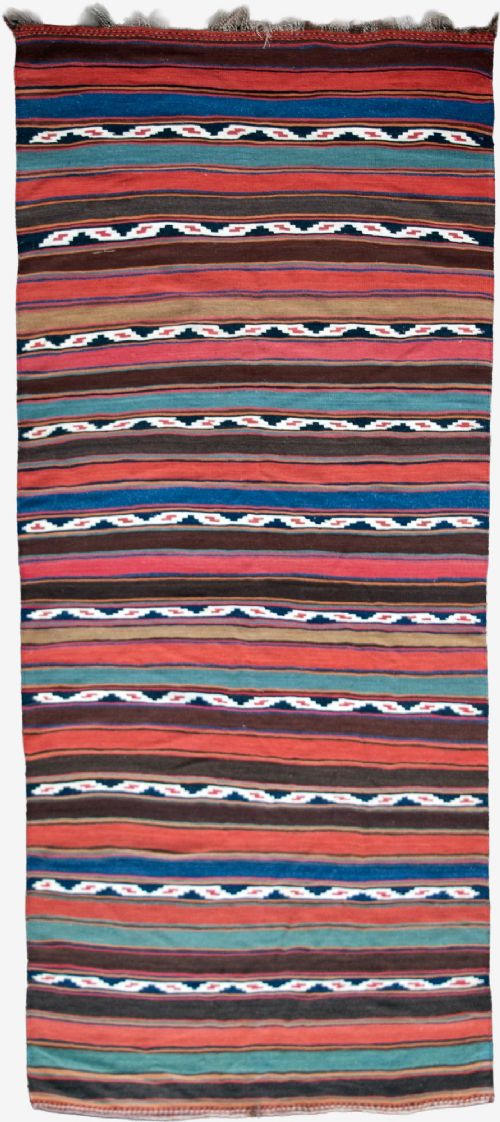
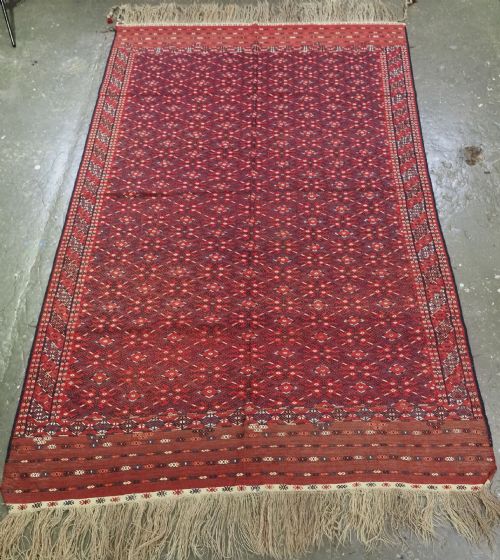
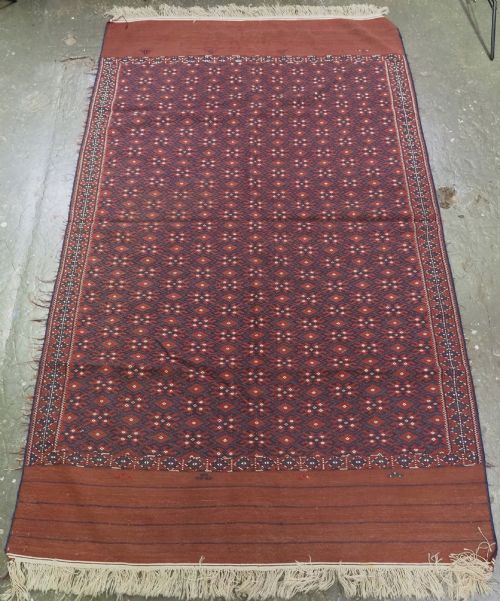
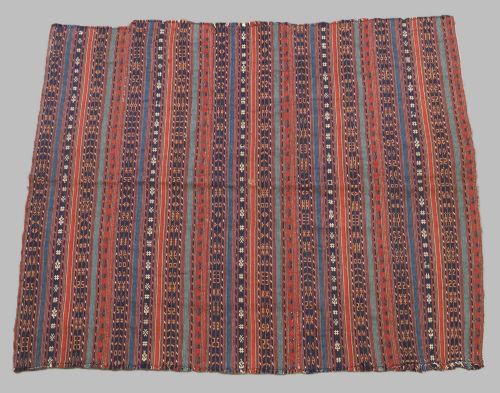
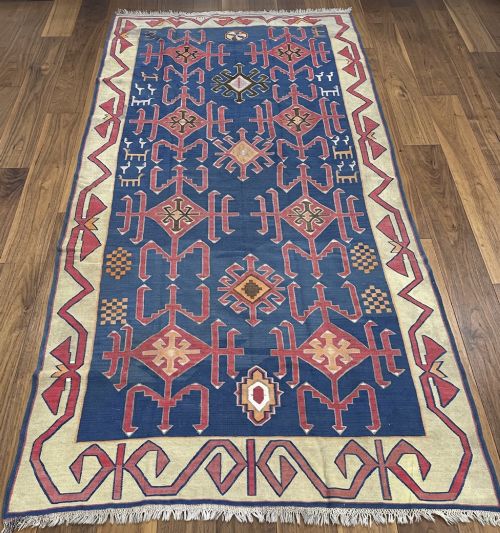
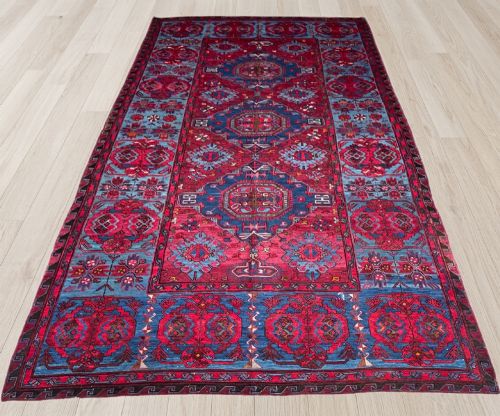
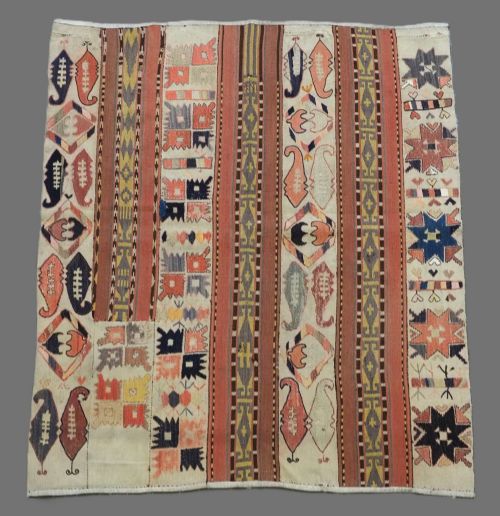
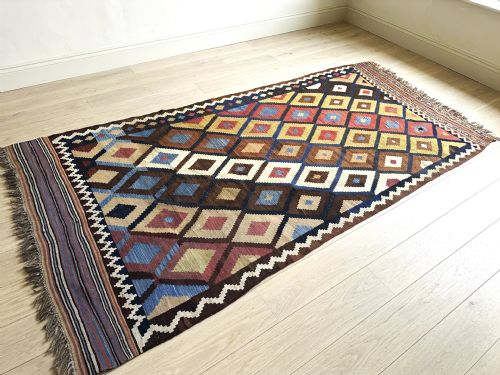
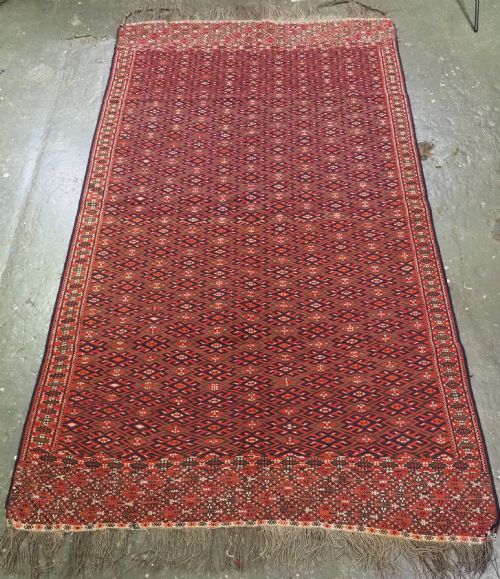
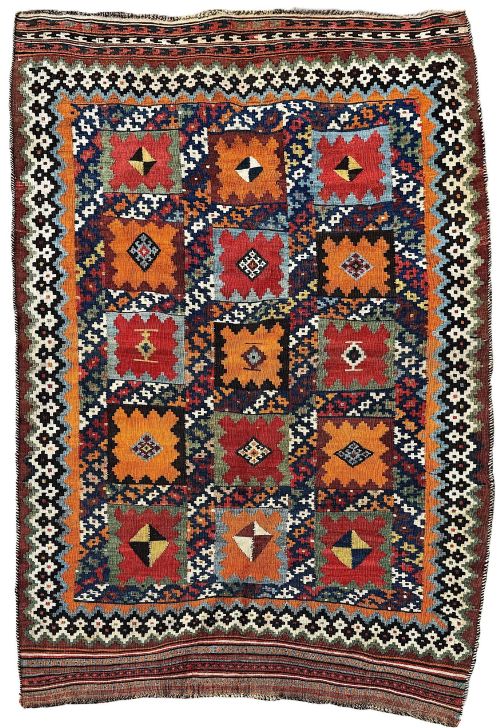
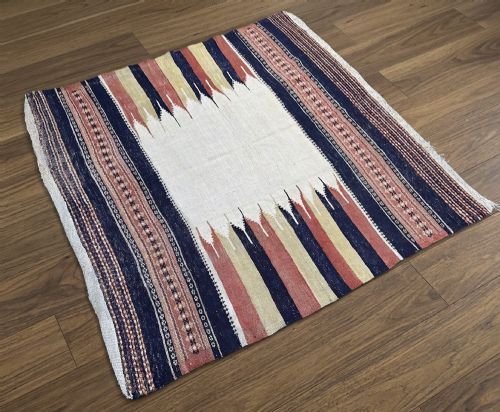
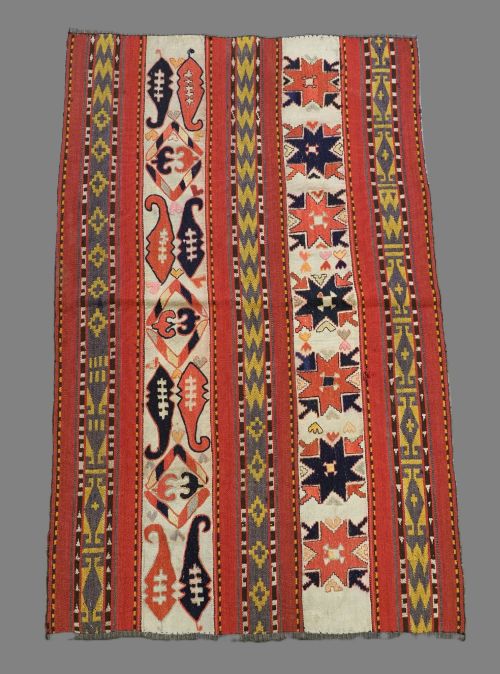
Vintage flatweave textiles comprise a diverse range of unpiled floor coverings, animal trappings, bags, and storage pieces created by tribal and village makers. These items include rugs, runners, cushions, and sofreh dining cloths originating from regions such as Persia, Anatolia, and the Caucasus.
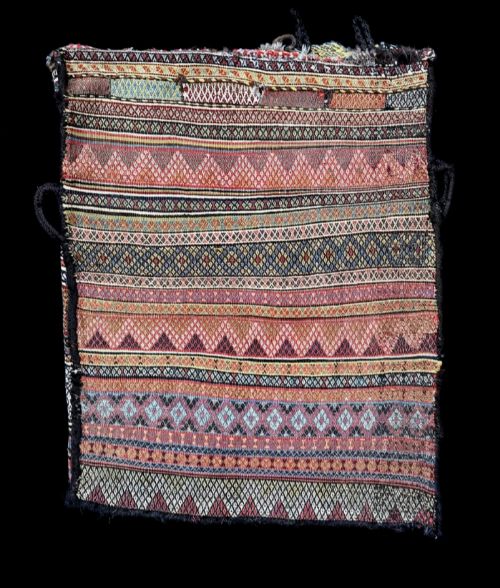
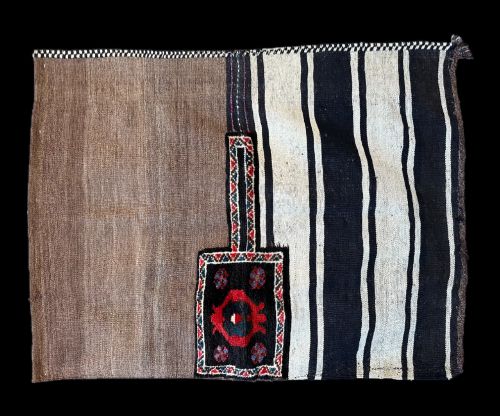
The pieces on this page span from the nineteenth century through the early twentieth century, showing the practical domestic and nomadic output of specific tribal groups. Buyers encounter everything from large room-sized carpets and runners to smaller bags, salt-bags, and ceremonial horse covers.
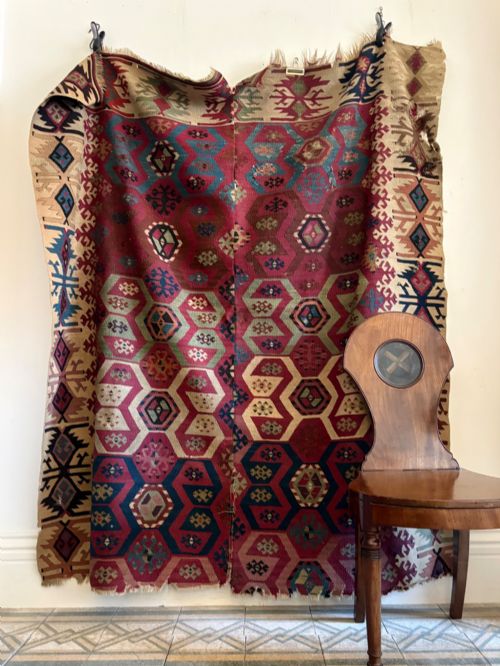
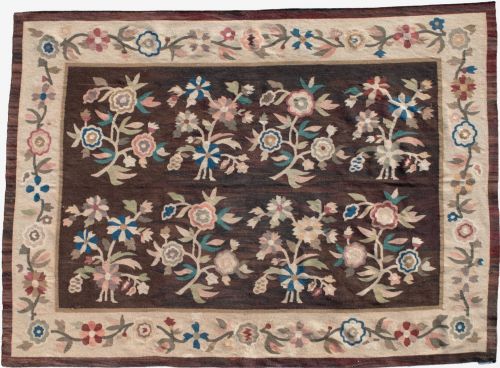
Forms range from geometric Anatolian and Caucasian kilims to Persian tribal weavework, Romanian floral tapestries, and Scandinavian country runners. Each type reflects the distinct utilitarian traditions and decorative vocabulary of its specific region of origin.
Materials and Construction
Makers constructed these textiles predominantly using wool and hand-spun wool, often combined with cotton and linen foundations depending on the regional tradition. Natural dyes provided the palette, producing rich, enduring tones across Persian, Turkish, and Caucasian examples.
Techniques relied on slit-tapestry weaving and related flatweave methods without pile, sometimes incorporating supplementary weft-wrapping as seen in Soumak pieces. Specialised items also utilise plant fibres such as cactus silk and sabra fibre, alongside mixed techniques involving camel wool.
Vintage Flatweave Retail Price Guide 2026
Typical asking prices for vintage flatweave among the pieces listed under this phrase on Sellingantiques today, from the lower quarter to the upper quarter. They describe what is for sale here now, not the wider market.
Listings demonstrate materials spanning hand-spun wool, cotton, linen, cactus silk, and sabra fibre across nineteenth and early twentieth-century periods.
Evaluating Quality
Quality in these textiles rests upon the precision of the weave, the handling of the geometric or floral motifs, and the depth of the natural dyes. Tightly beaten wefts and crisp structural lines indicate skilled hands working within established tribal traditions.
The integrity of the wool and the vibrancy of the dye palette distinguish finer examples from standard utility pieces. Sophistication in colour transition and structural balance elevate specific tribal rugs and trappings above everyday domestic items.
The Vintage Flatweave Glossary
- Kilim
- An unpiled flatwoven textile produced by interweaving warp and weft strands to create a flat surface. These pieces often display sharp geometric patterns resulting from the slit-tapestry technique.
- Sofreh
- A flatwoven spread or cloth traditionally used for eating, kneading bread, or food preparation among nomadic and village households. They frequently feature minimalist central fields surrounded by striking tribal borders.
- Soumak
- A flatweaving technique utilising a wrap-and-weft method that leaves trailing threads on the reverse side while producing a textured, durable face. Pieces employing this method often originate from the Caucasus and Persia.
- Mafrash
- A large tribal storage bag or bedding sack, typically woven in flatweave or mixed techniques. Surviving panels and complete pieces show intricate banded designs characteristic of Turkmen and Shahsevan makers.
- Tacheh
- A specific type of grain or baggage sack woven by nomadic groups such as the Lori-Bakhtiari. These functional items served for transport and storage within pastoral camps.
Vintage Flatweave: Frequently Asked Questions
What is a flatweave rug?
A flatweave rug is a textile constructed without pile by interlocking warp and weft threads together directly on a loom.
This method produces a lighter, thinner covering compared to knotted pile carpets, making these textiles versatile for various interior uses.
How were tribal bags used?
Tribal bags served practical storage roles in nomadic daily life, holding household goods, salt, grain, or bedding during seasonal migrations.
Over time, many complete bags and individual face panels were separated from their original nomadic contexts to survive as decorative textiles.
How do I care for a flatweave?
Care involves gentle vacuuming without a beating brush roll and using appropriate underlays to prevent slipping and uneven wear.
Professional cleaning tailored to antique wool textiles ensures natural dyes and hand-spun fibres remain preserved.
Where did these textiles originate?
These pieces originate from nomadic and village communities across Persia, Anatolia, the Caucasus, and parts of Europe and Scandinavia.
Specific tribes and regions imparted distinct regional palettes, motifs, and weaving structures to their work.