
Vintage Fireside Bucket
A vintage fireside bucket brings functional warmth to a hearth, holding coal or logs in brass, copper, or oak.
Vintage Fireside Bucket
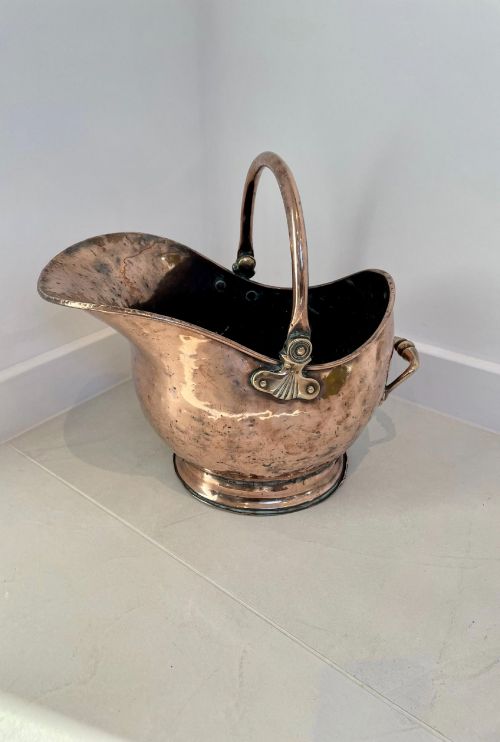
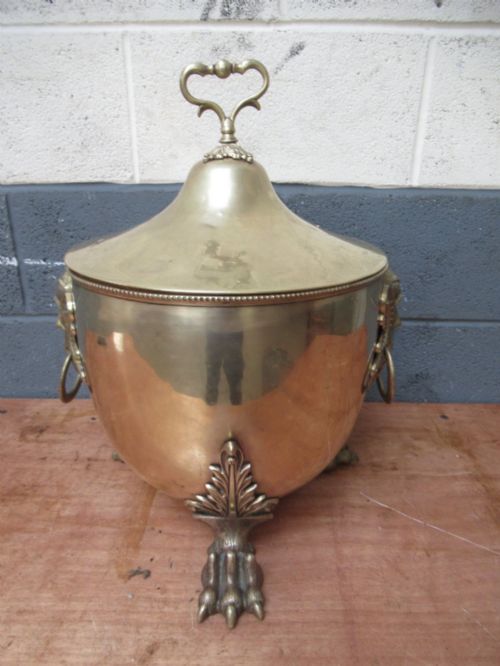
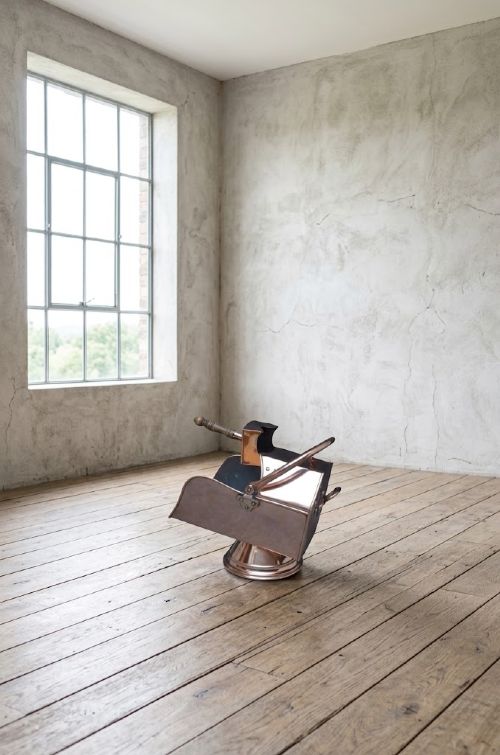
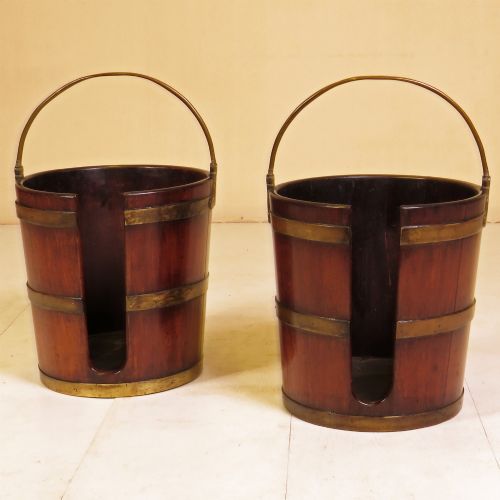
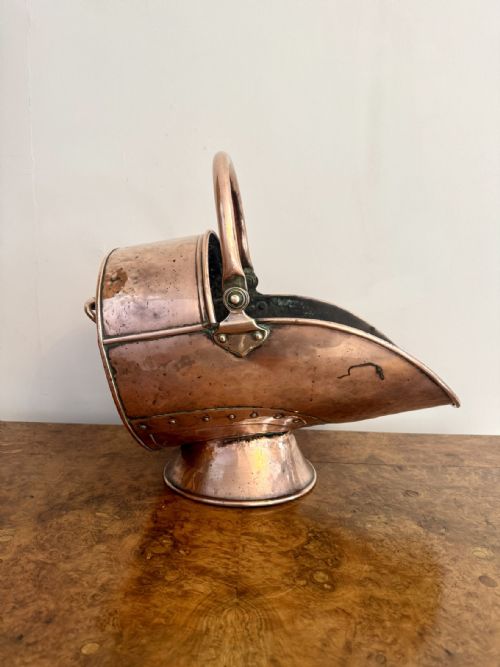
A vintage fireside bucket serves as a hearthside container for coal, logs, or peat, combining utility with domestic display. These pieces range from Georgian plate buckets and George III vessels to Victorian and Edwardian coal scuttles, helmets, and log bins.
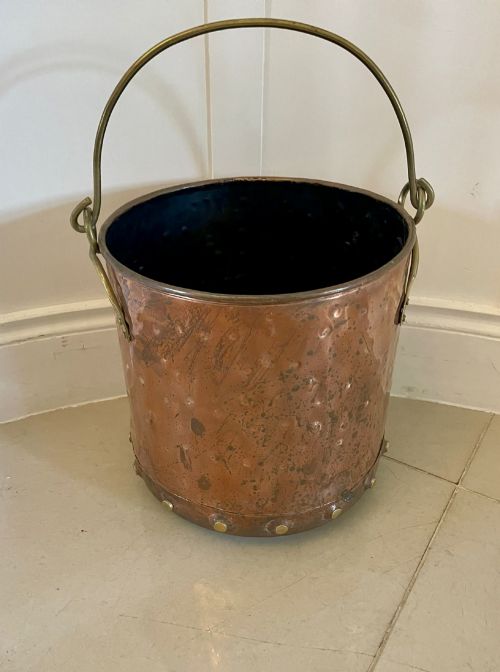
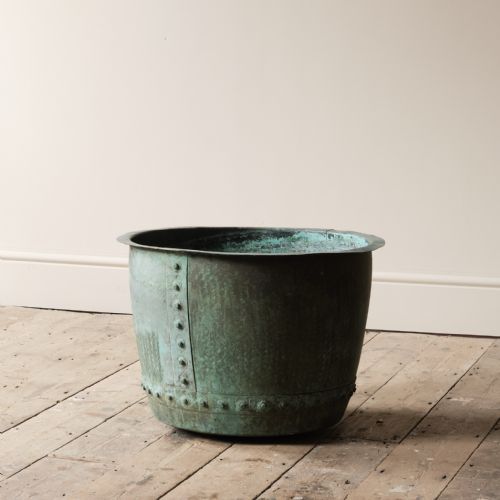
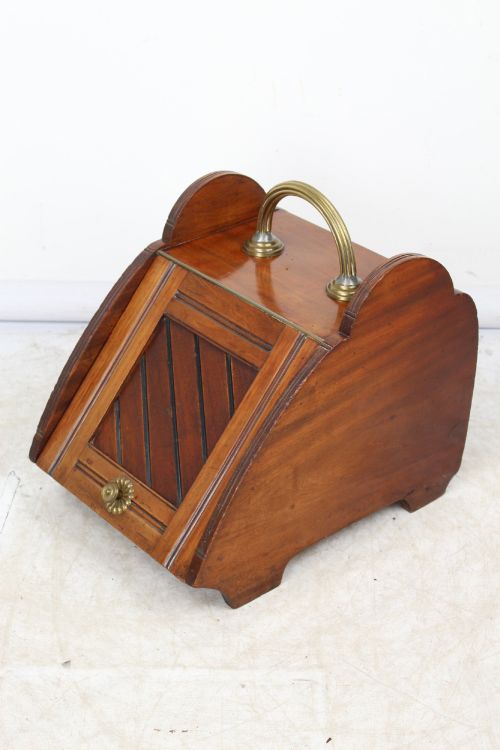
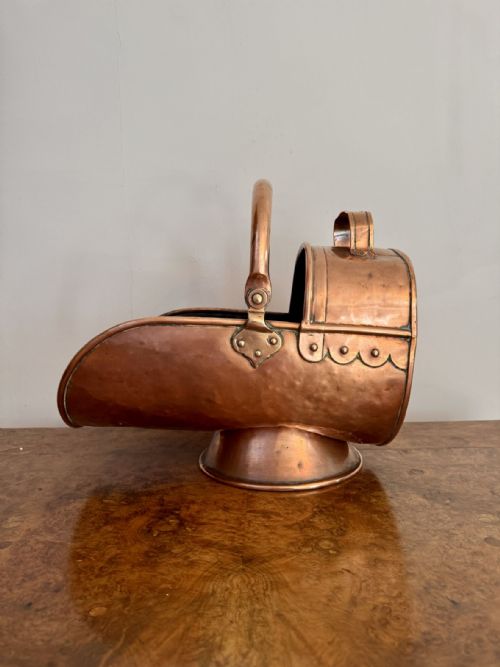
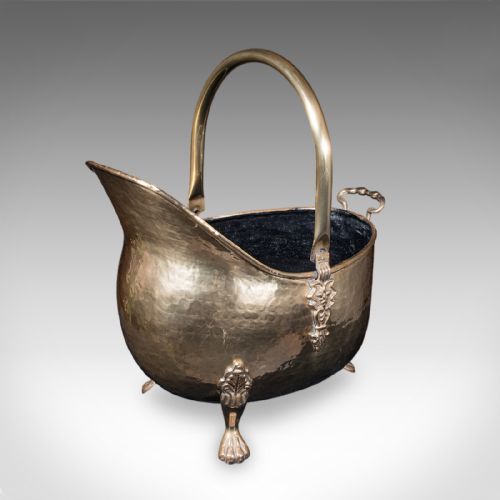
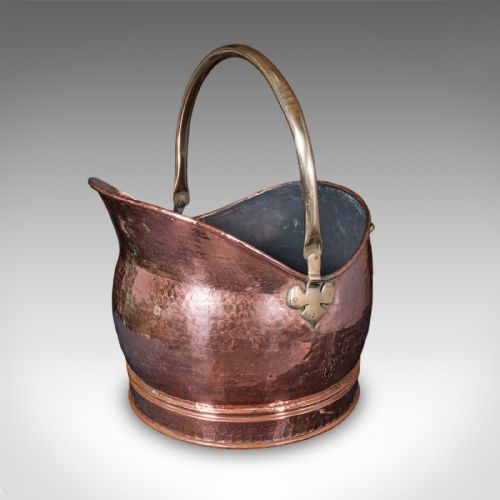
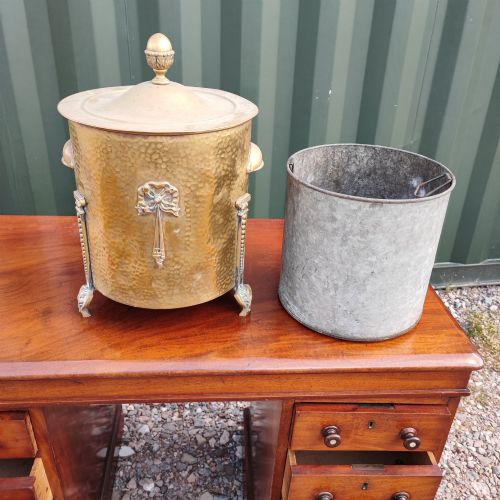
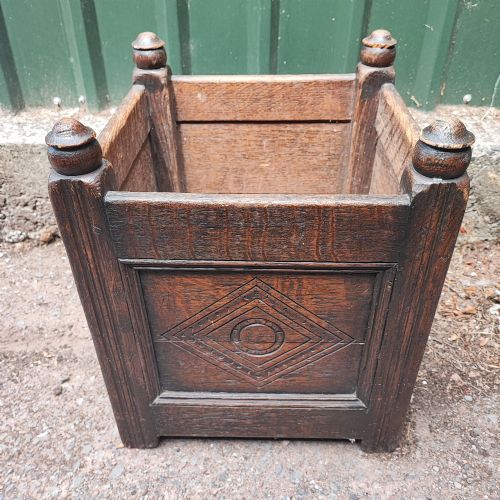
The version most commonly encountered on this page is the Victorian copper or brass coal bucket, often featuring riveted seams, swing handles, and embossed detailing. Alongside these metal vessels, wooden forms in oak and mahogany appear across the Georgian and Victorian periods.
How they were made
Makers utilised heavy sheet metals such as brass and copper, joining plates with visible rivets or smooth soldered seams, and fitted them with sturdy wrought iron or brass swing handles. Wooden examples in oak and mahogany were coopered using traditional stave and hoop techniques, sometimes augmented with brass bands.
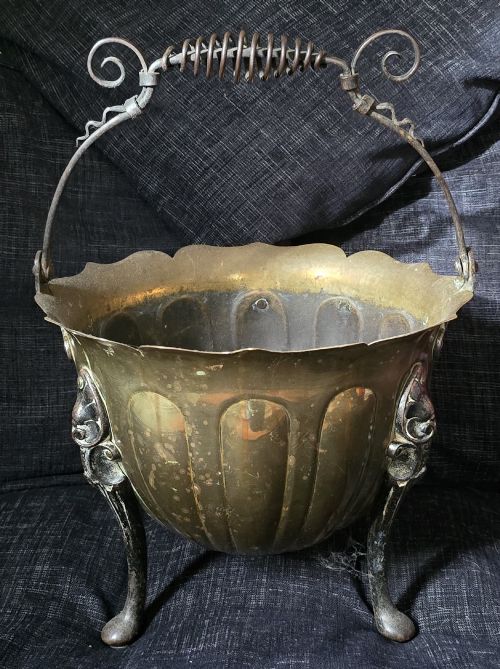
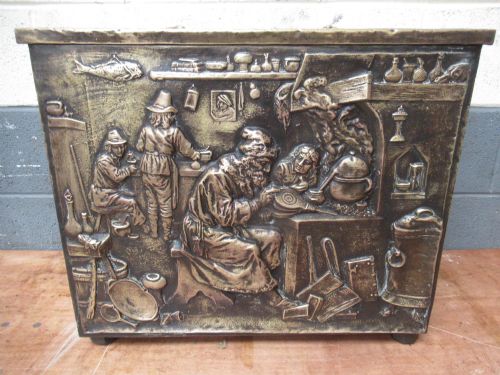
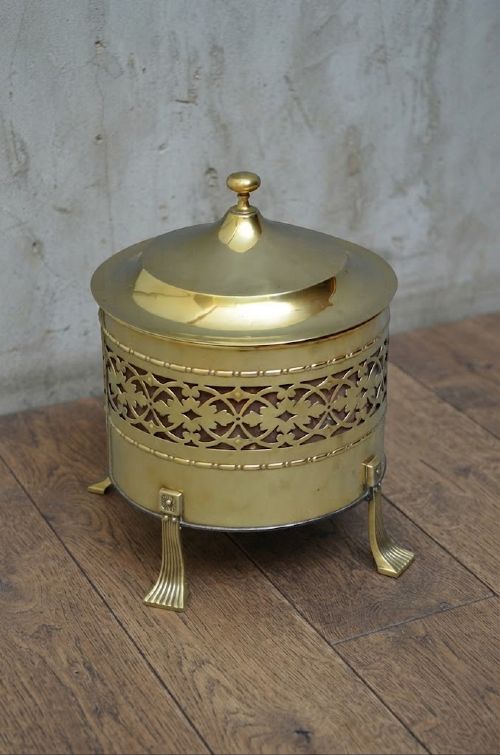
Surface ornamentation involved hand-beating, embossing, fretwork cutting, and toleware painting, while Arts and Crafts and Art Nouveau pieces displayed stylized motifs and hammered textures.
Materials span copper, brass, oak, mahogany, wrought iron, and toleware across multiple centuries.
What varies in quality
Quality rests in the weight and gauge of the metal and the integrity of the construction, such as tightly fitted wooden staves or neatly aligned hand-hammered rivets. Thicker gauge brass and copper hold their structural form better under the daily weight of fuel.
The distinction between standard utility items and finer pieces lies in the crispness of embossed decoration, the retention of original matching shovels or iron frames, and the quality of joinery in wooden bins.
Benham and Froud
The Vintage Fireside Bucket Glossary
- Coal scuttle
- A container designed to hold coal for a fireplace, typically featuring a sloping mouth or a helmet shape for easy pouring. Many include a swing handle and a matching shovel stored in a back keeper.
- Log bin
- A deep cylindrical or bucket-shaped vessel intended for storing firewood beside the hearth. These often appear in riveted copper, iron-framed designs, or coopered oak.
- Toleware
- Japanned or painted sheet metal items produced to imitate oriental lacquerware. Toleware coal scuttles introduce painted surface decoration to the fireside.
- Coopered
- Built using wooden staves joined edge-to-edge and bound with metal hoops, a technique traditionally used for casks and applied to wooden log buckets.
Vintage Fireside Bucket: Frequently Asked Questions
How do I tell copper from brass?
Copper has a distinct pinkish or deep reddish-brown hue, whereas brass presents a brighter golden-yellow metallic tone. Both metals were widely used for fireside vessels.
Many antique buckets combine both materials, pairing a copper body with brass handles, rims, or riveted accents.
Were these buckets used for coal or logs?
Both fuels determined the vessel shape, with smaller helmet-shaped scuttles and coal boxes serving coal fires, and wider cylindrical bins holding logs.
Oak and mahogany pieces often function as log or peat bins, while riveted copper and brass vessels accommodated coal or firewood depending on their capacity.
How do I clean a metal bucket?
Metal fireside buckets acquire a darker patina over decades of domestic use, which many collectors prefer to leave undisturbed. Vigorous polishing removes this aged surface character.
Dusting with a soft dry cloth is usually sufficient for maintenance, avoiding abrasive chemical cleaners that strip the original finish.