
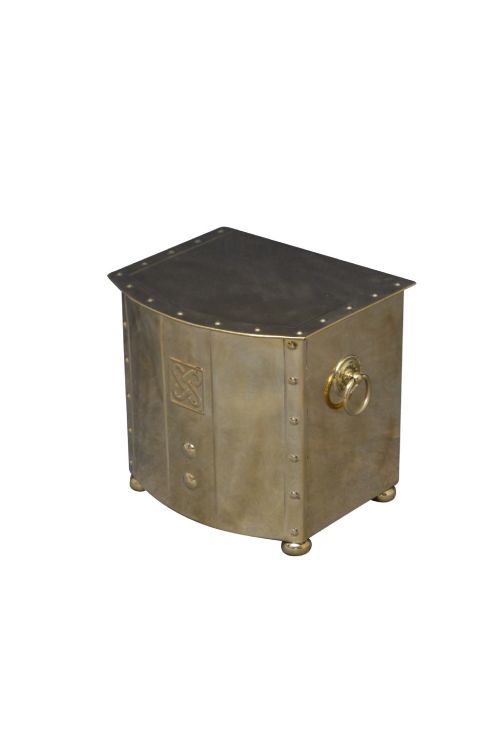


Vintage Fireplace Coal Container
A vintage fireplace coal container brings tactile warmth and hearth-side character to a room through practical metal and wood storage.
Vintage Fireplace Coal Container
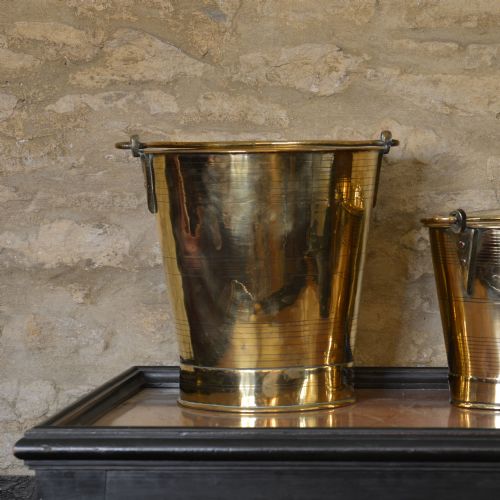
A vintage fireplace coal container serves as a functional receptacle for hearth fuel, taking the form of buckets, helmets, boxes, and bins. These vessels hold solid fuel near the fireplace while keeping the hearth tidy.
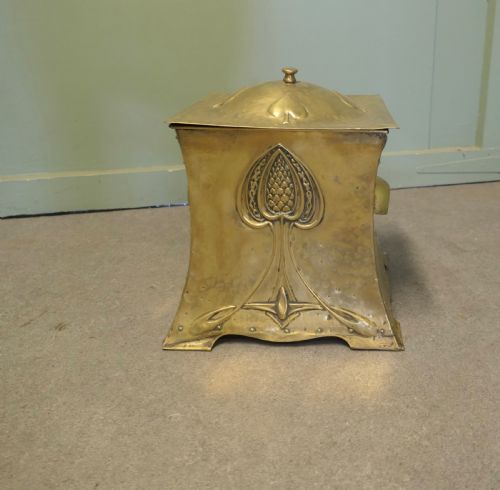
The pieces on this page span the nineteenth and early twentieth centuries, covering Victorian, Edwardian, and Art Deco periods. Styles range from plain utilitarian country oak boxes to decorative Arts and Crafts and Art Nouveau designs.
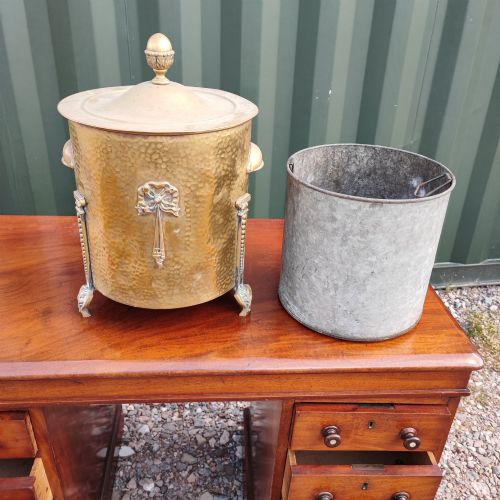
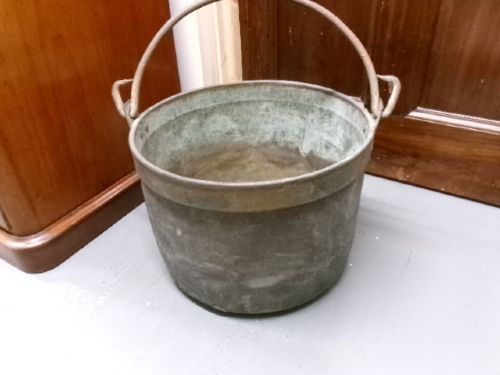
Common material combinations include polished brass, heavy copper, and wrought iron. Many examples incorporate swing handles, original liners, and matching shovels for daily use.
Materials and construction methods
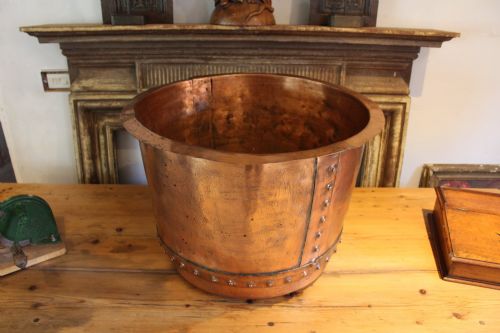
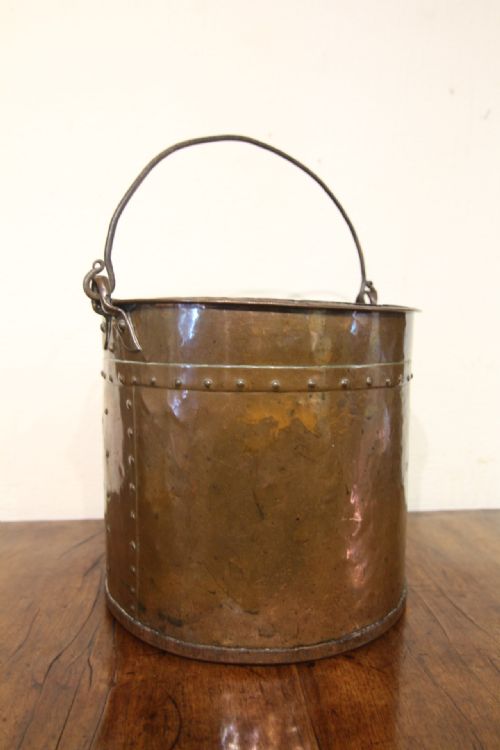
Makers utilised sheet brass and copper, often joining the metal plates with visible rivets for structural strength. Wrought iron and galvanised metal provide robust framing for heavy-duty buckets and log bins.
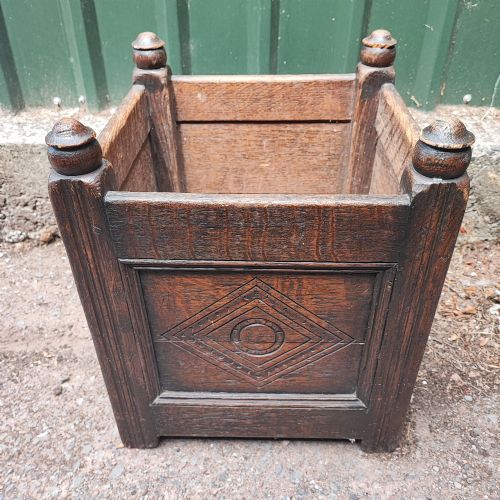
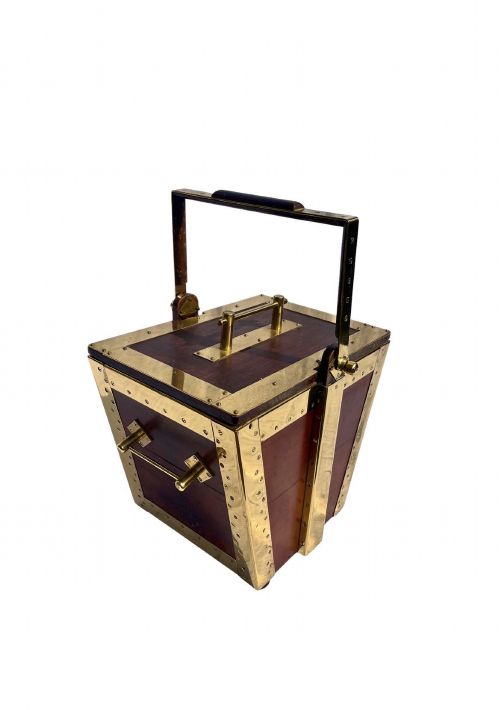
Wooden items rely on sturdy timber such as oak, shaped into lidded coal boxes and rustic country log bins. Metal components like swing handles and decorative plaques are securely fastened to withstand regular lifting.
Distinguishing quality across the range
Quality rests in the heaviness of the gauge of metal and the integrity of the construction, such as hand-riveted seams rather than modern machine joins. Thicker brass and copper retain their structural rigidity over decades of heavy service.
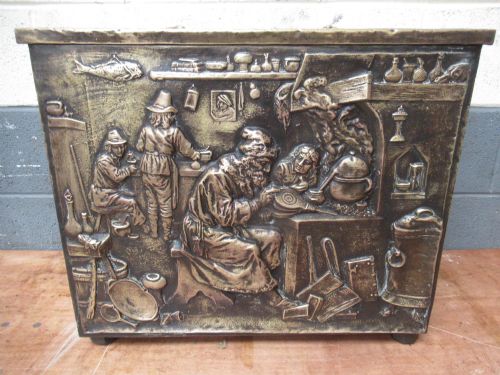
Finishing touches separate standard utility items from finer examples, including chased tavern scenes, embossed patterns, and matched original brass shovels. The presence of makers' marks adds historical substance to the piece.
Benham and Froud·Henry Loveridge
The Vintage Fireplace Coal Container Glossary
- Coal scuttle
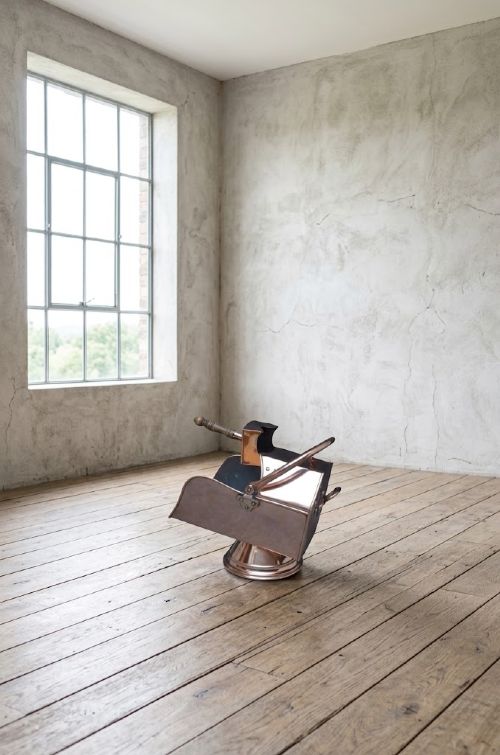
- A bucket or helmet-shaped vessel designed for carrying and holding coal by the hearth. Most feature a tilted opening and a swing handle for pouring.
- Coal helmet
- A specific helmet-shaped coal bucket with a wider mouth at the back tapering toward the front lip. This profile aids in channeling fuel directly into the grate.
- Log bin
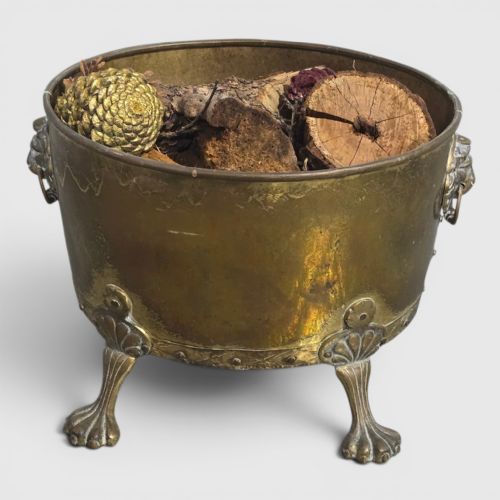
- A larger cylindrical or rectangular container used for storing firewood rather than small coal. These often appear in oak, brass, or riveted copper.
- Jardiniere
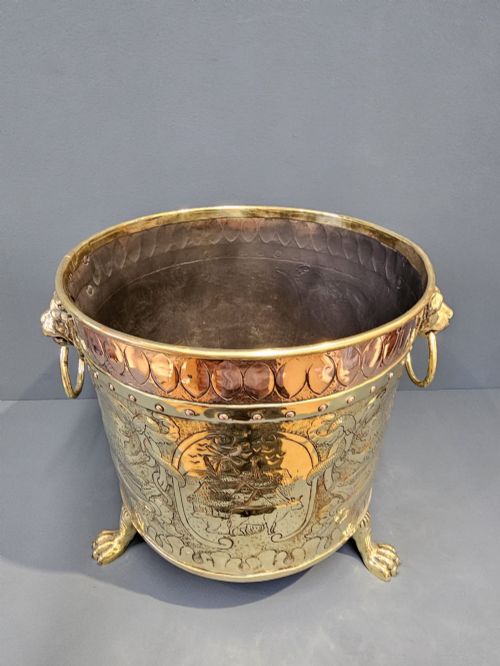
- An ornamental pot or container for plants, though many robust metal versions served double duty as coal buckets or log bins.
- Embossed
- Decorated with raised patterns or designs pressed into the metal surface using dies or manual hammering. This technique defines many Arts and Crafts pieces.
Vintage Fireplace Coal Container: Frequently Asked Questions
How do I clean an antique brass coal bucket?
Use a soft cloth and mild soapy water to remove dust and soot from the surface. Avoid harsh abrasive cleaners that strip the natural aged patina.
Dry the metal thoroughly after cleaning to prevent water spots. Light application of appropriate metal polish maintains the lustre without removing historical wear.
What is the difference between a coal scuttle and a log box?
Coal scuttles are typically portable metal vessels shaped like helmets or buckets with handles for carrying loose fuel. They focus on portioning coal into the hearth.
Log boxes are generally larger wooden or heavy metal containers with lids designed to store a supply of firewood. They sit quietly beside the fireplace as furniture.
Are these containers still suitable for actual fireplace use?
Many solid metal buckets and wooden boxes remain entirely robust for holding logs or coal by an active fireplace. Checking for sound construction and intact bases ensures safe utility.
Some fragile or highly decorative examples function better as decorative plant planters or umbrella stands. This preserves their delicate embossed details from heavy fuel wear.
How do I date a copper coal bucket?
Examine the construction methods, such as hand-hammered riveted seams common in nineteenth-century pieces. Machine-stamped joints often point toward later twentieth-century production.
Stylistic cues like Arts and Crafts motifs or Victorian floral embossing provide clear chronological markers. Makers' marks stamped on the base offer definitive dating evidence.