




Vintage Filing Unit
A vintage filing unit organises papers with character, bringing period materials and clever compartment design straight into a modern study.
Vintage Filing Unit
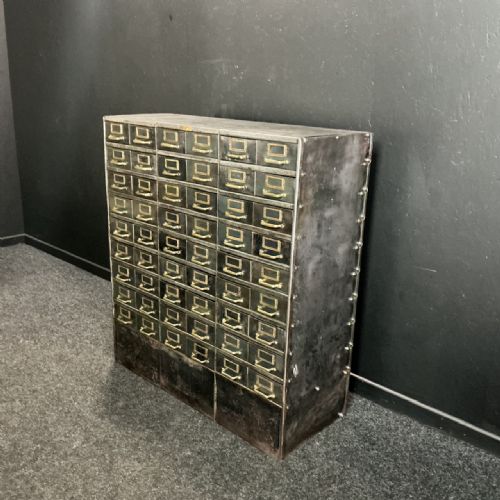
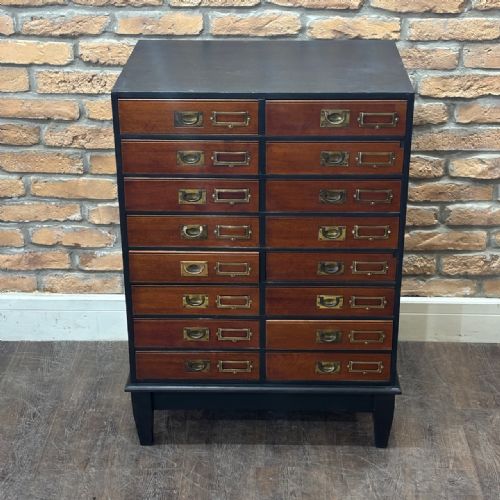
A vintage filing unit serves practical storage through banks of drawers, plan chests, and tambour cabinets designed for offices and libraries. These pieces range from nineteenth-century mahogany pieces to 1950s utility designs.
Oak and pine versions dominate the offerings, often featuring multiple small drawers or roll-front shutters. Buyers regularly encounter pieces spanning the Edwardian era through the mid-twentieth century.
Forms include industrial metal chests, library card catalogues, and compact desk organisers. Each type reflects the specific filing needs of past administrative spaces.
How they were made
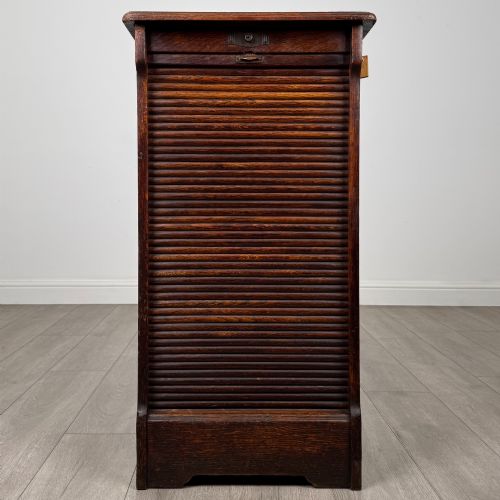
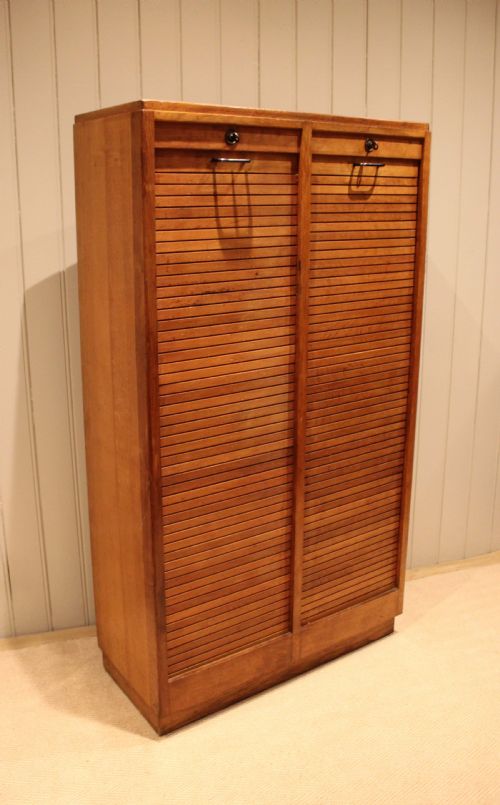
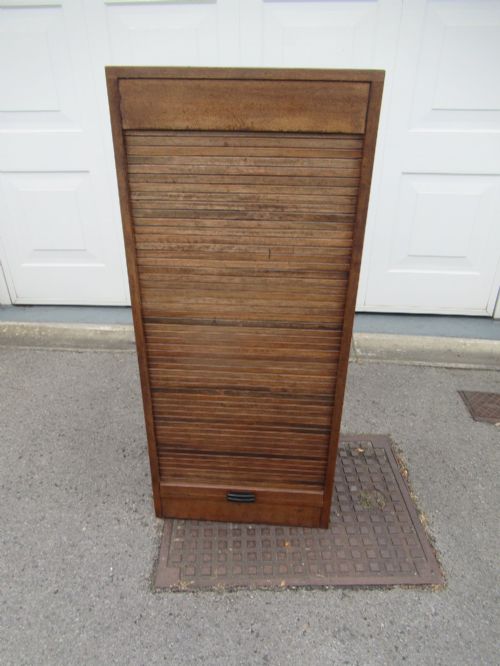
Cabinet makers utilised solid oak, mahogany, and pine for carcases and drawer construction, often pairing them with steel or cast iron mechanisms. Slatted tambour doors relied on canvas backings to slide smoothly around curved tracks.
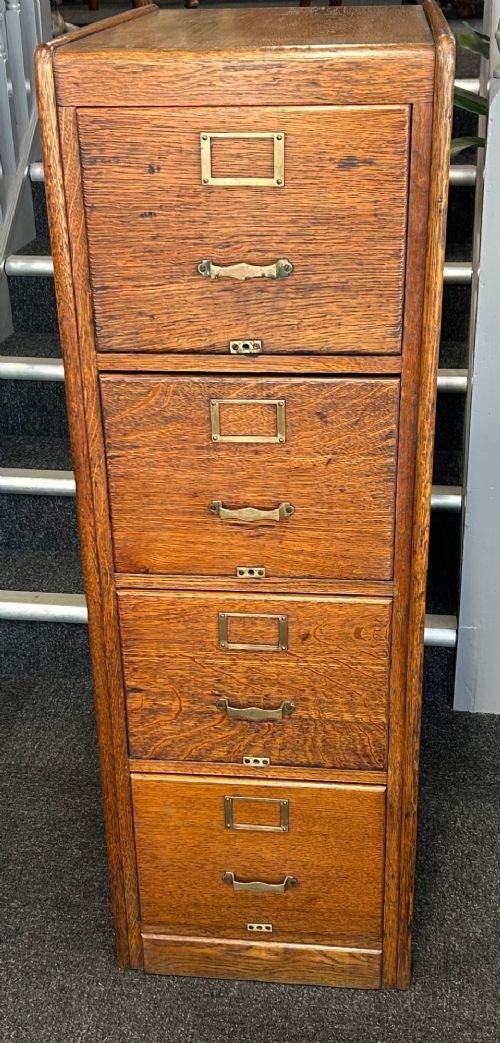
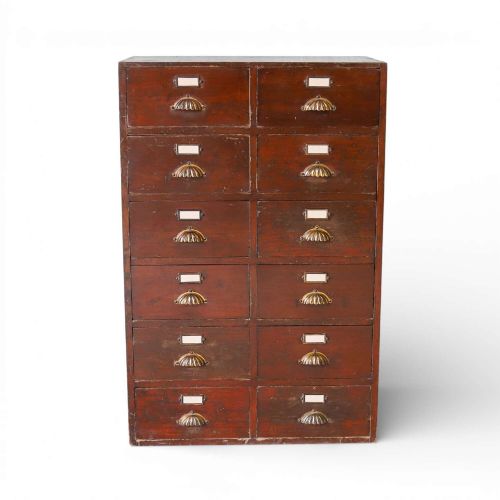
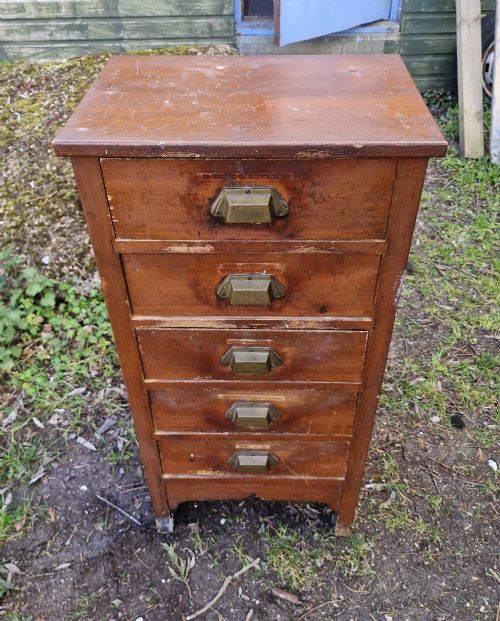
Hardware details included brass shell pulls and label holders fitted to drawer fronts for easy categorisation. Polished finishes protected the timber while highlighting the natural grain of walnut, beech, and oak.
Vintage Filing Unit Retail Price Guide 2026
Typical asking prices for vintage filing unit among the pieces listed under this phrase on Sellingantiques today, from the lower quarter to the upper quarter. They describe what is for sale here now, not the wider market.
Listings feature oak, pine, mahogany, and metal across periods from the nineteenth century to the 1950s.
What varies in quality
The sophistication of the internal mechanisms and the selection of timber dictate the tier of a piece. Original patent hardware and matching brass pulls elevate the standing of a cabinet.
Construction methods such as finely dovetailed drawer joints and integrated slat shutters distinguish utilitarian workshop items from fine office furniture.
Amberg·Shannon
The Vintage Filing Unit Glossary
- Tambour
- A flexible shutter door constructed from narrow slats of wood glued to canvas backing. This mechanism slides along recessed tracks to conceal interior shelving.
- Plan chest
- A large, shallow chest of drawers built specifically for storing architectural drawings and maps flat. These units typically feature numerous wide, low drawers.
- Shell pull
- A semi-circular metal handle shaped like a shell that incorporates an open frame for paper labels. They appear frequently on nineteenth and early twentieth century office furniture.
- Cartonnier
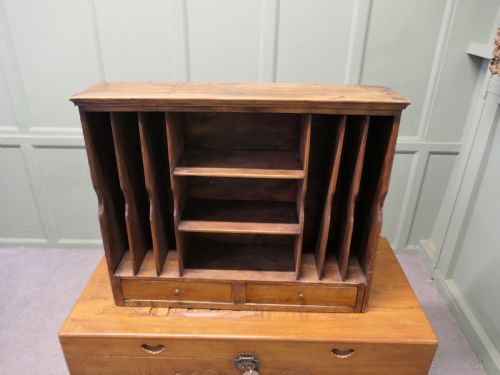
- A desktop or freestanding cabinet fitted with upright compartments or drawers for holding papers and files. French versions often incorporate leather accents.
- Bank of drawers
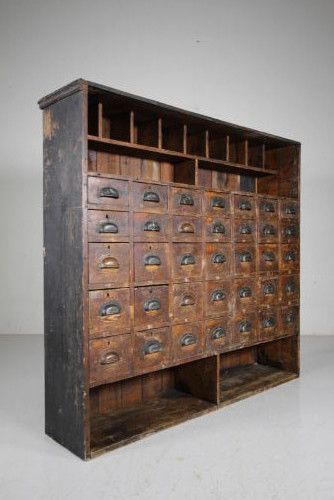
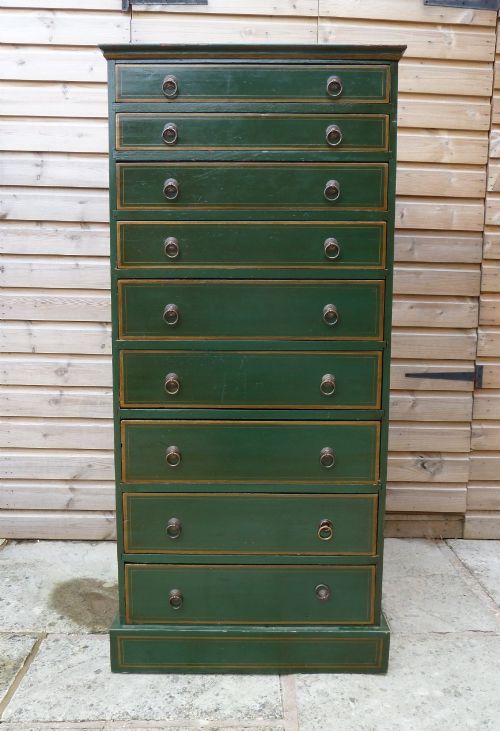
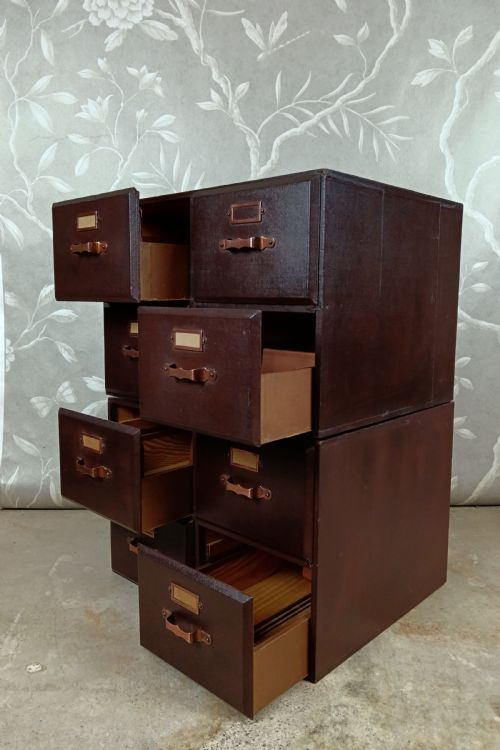
- A modular stack of multiple small drawers designed for sorting correspondence or index cards. These formations maximise vertical storage space.
Vintage Filing Unit: Frequently Asked Questions
How do tambour doors operate?
Slats of timber attached to a flexible canvas backing slide along internal grooves to curve around the cabinet sides.
Regular cleaning of the tracks keeps the mechanism moving smoothly without sticking.
Where were plan chests used?
Architects, cartographers, and printmakers relied on these wide, shallow drawers to store oversized documents flat.
They function well in contemporary homes for organising art supplies or large papers.
How do I identify an Edwardian piece?
Edwardian items frequently display light oak timbers, satin walnut accents, and polished brass hardware.
Cabinet proportions from this period lean towards refined proportions rather than heavy Victorian mass.
Can these cabinets hold modern paper?
Many vintage filing units and card catalogues accommodate modern paper sizes within their adjustable shelves and multi-drawer banks.
Measuring internal drawer dimensions ensures standard documents fit comfortably inside.