
Vintage Filing Chest
A vintage filing chest brings order to cluttered paper with deep drawers and handsome timber that rewards daily contact.
Vintage Filing Chest
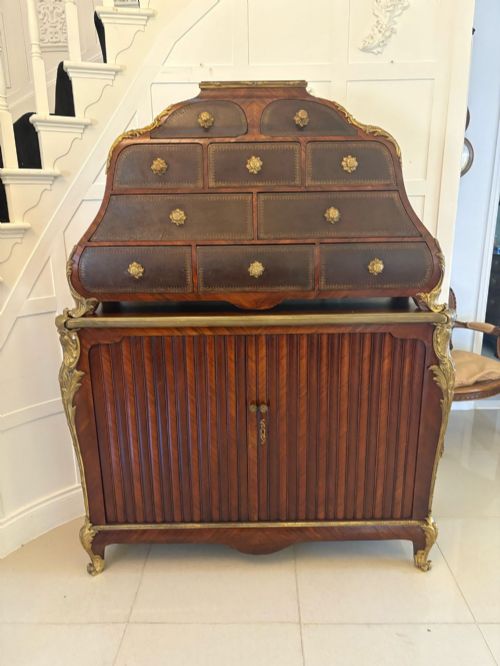
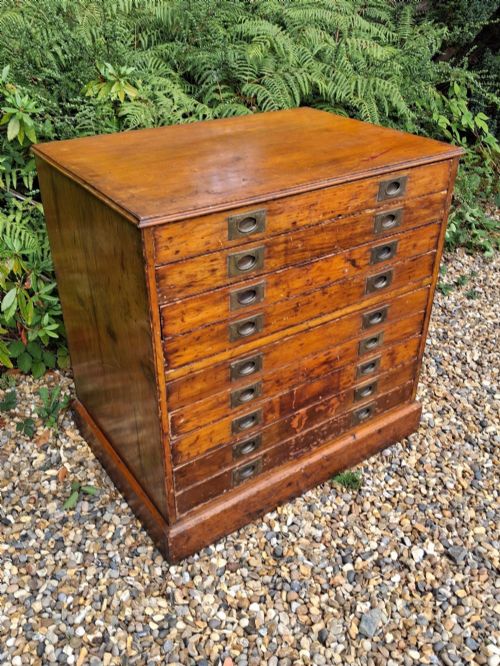
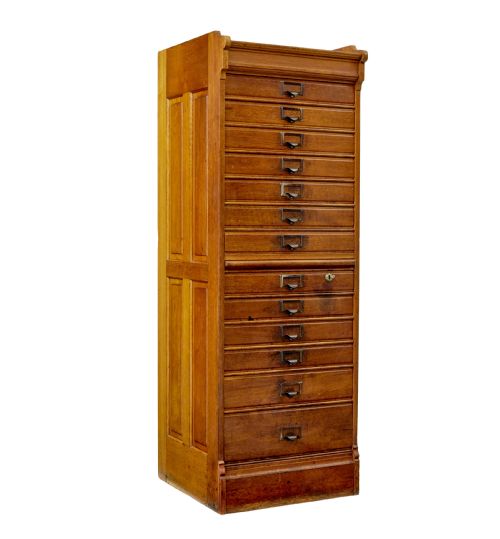
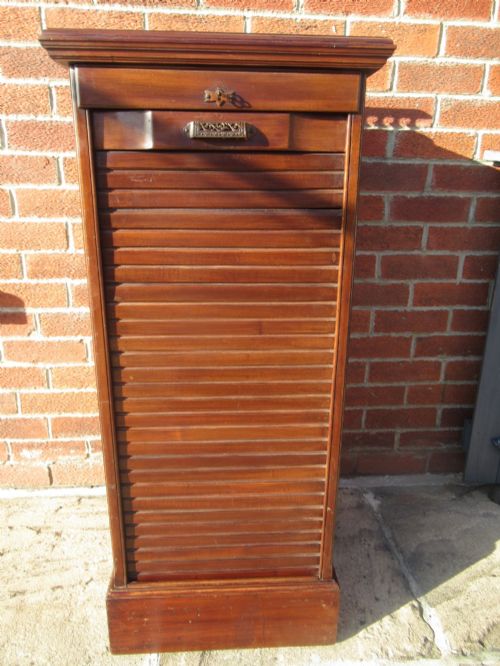
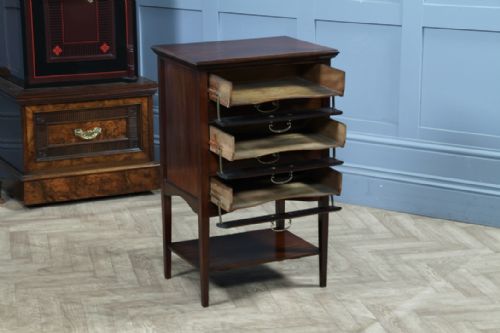
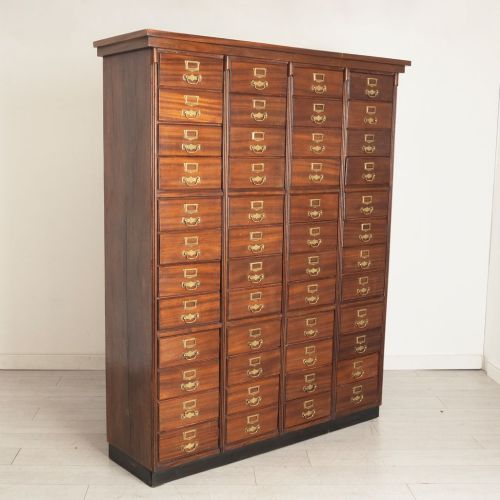
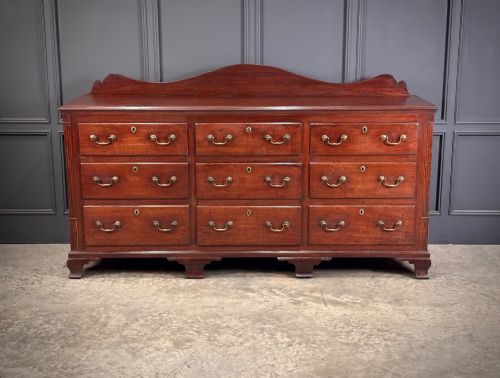
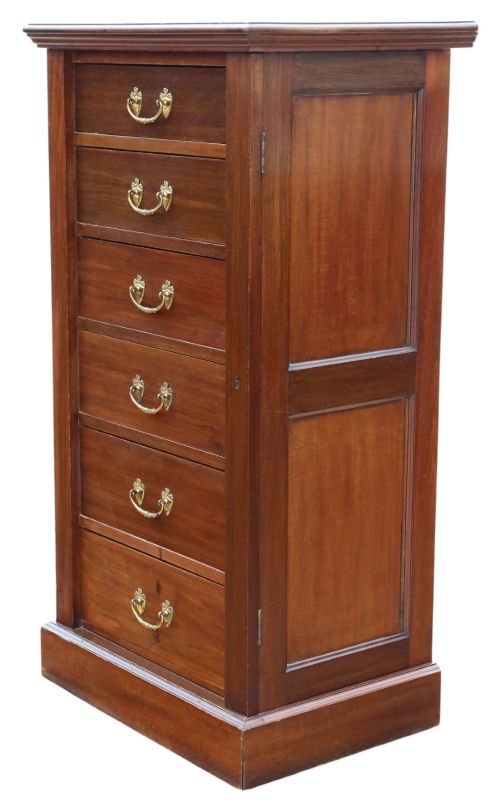
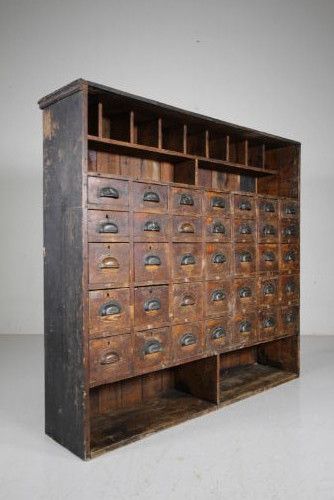
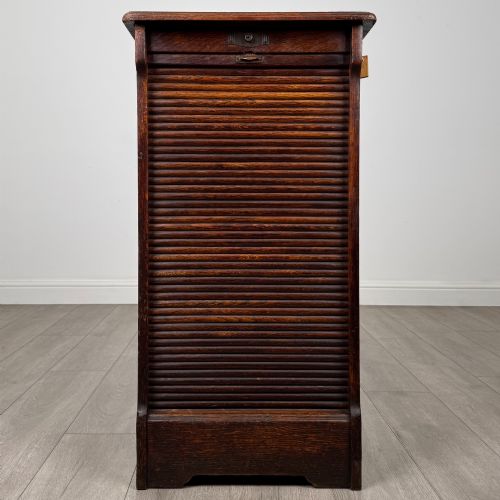
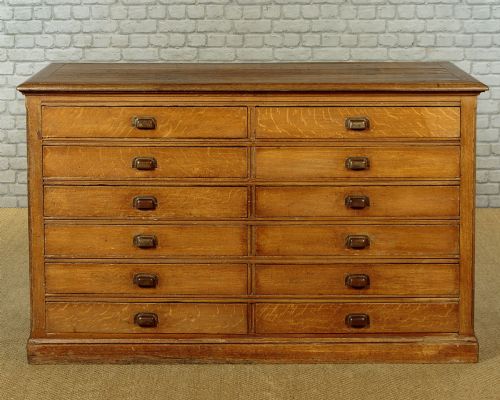
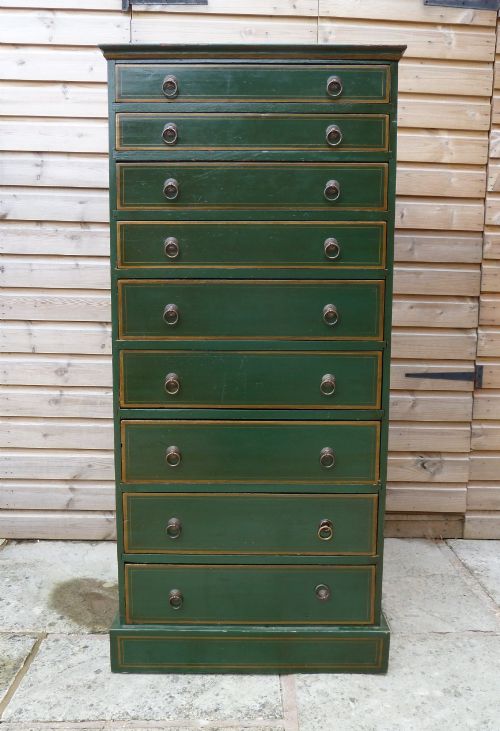
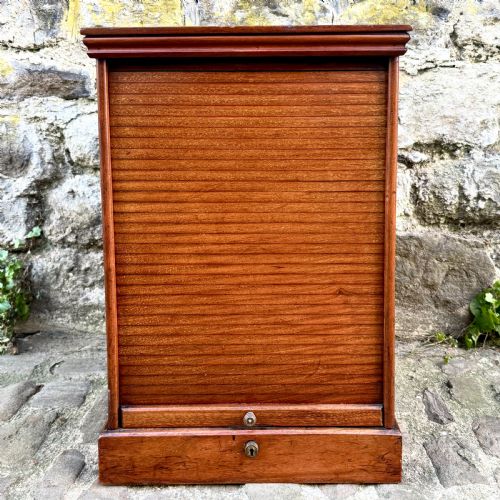
A vintage filing chest encompasses tall banks of drawers, tambour front cabinets, and shallow plan chests designed to sort documents. These pieces stem from workshops, offices, and domestic studies, dating from the eighteenth century through the early twentieth century.
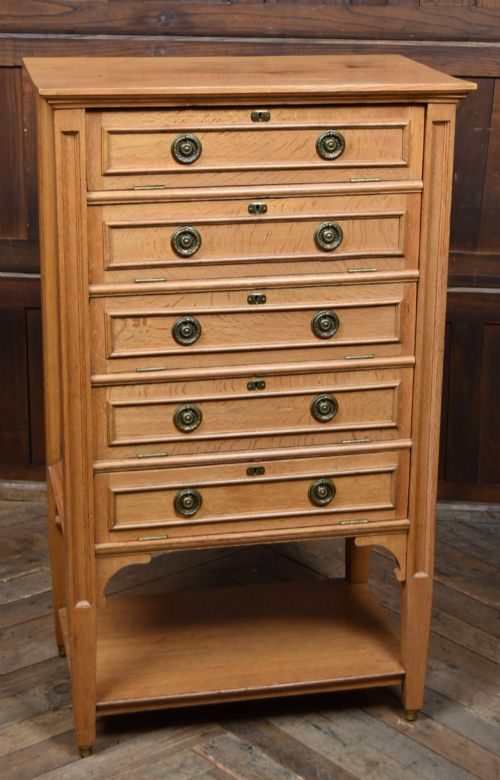
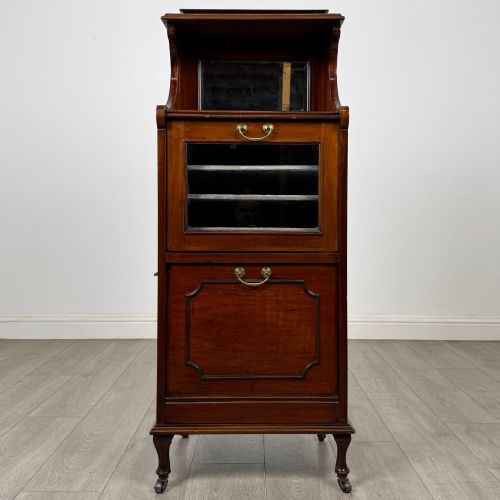
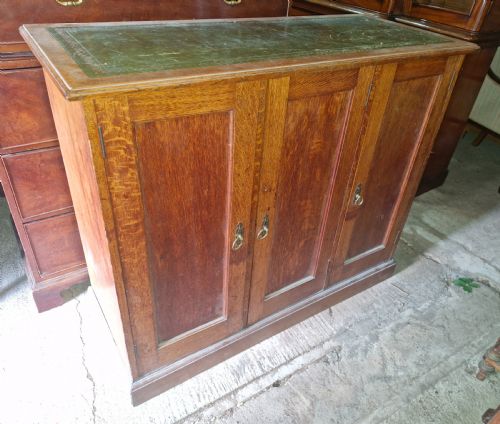
The most frequent encounters on this page are oak and mahogany specimens from the Edwardian era and the nineteen-tens. They take the form of multi-drawer units, music cabinets adapted for files, and heavy bankers' drawers built for rigorous utility.
What varies in quality
The calibre of a filing chest rests on the selection of timber and the integrity of its hardware. Original brass shell pulls, functional label holders, and smooth-running drawer runners distinguish superior examples from standard office utility furniture.
Fine quality appears in dense mahogany figuring, well-fitted tambour doors that glide without binding, and substantial oak frames designed for heavy service. Simpler painted pine or utilitarian workshop pieces sit lower on the scale of finish.
Original brass label holders still retain faded handwritten tags from past clerks and musicians.
The Vintage Filing Chest Glossary
- Tambour front
- A flexible door constructed from narrow vertical strips of wood glued to a canvas backing, allowing it to slide smoothly around a curved track to conceal interior shelves or files.
- Plan chest
- A wide, shallow multi-drawer cabinet originally designed by architects and mapmakers to store large sheets of paper flat without folding.
- Wellington chest
- A tall, slender chest of drawers secured by a hinged vertical locking bar on one side that fastens with a padlock or key.
- Bank of drawers
- A multi-drawer cabinetry unit housing numerous small compartments built for intensive sorting and filing tasks.
Vintage Filing Chest: Frequently Asked Questions
How do I date a wooden filing chest?
Dating relies upon timber selection, hardware style, and construction methods visible inside the drawers. Edwardian and early twentieth-century pieces often display distinct brass label holders and specific patent mechanisms.
Earlier eighteenth and nineteenth-century examples reveal hand-cut dovetailing and heavier proportions. Comparing the secondary woods inside the carcase provides further clues to the period of manufacture.
Can these fit modern paper sizes?
Many vintage filing chests and plan chests offer internal drawer dimensions well suited to modern paper formats. Shallow pine drawers and multi-drawer office cabinets accommodate documents easily.
Music cabinets and smaller Victorian variations may require measuring internal drawer depths before storing standard modern files.
What is the difference between a plan chest and a filing chest?
Plan chests are built wide and shallow specifically to keep large architectural drawings and maps flat. Filing chests feature narrower, deeper stacks of drawers designed for vertical letters, music sheets, or ledgers.
Both forms utilise robust timbers like oak and mahogany to endure heavy daily clerical use.
How do I maintain the timber surface?
Routine maintenance involves dusting with a dry lint-free cloth and applying occasional quality beeswax to nourish the polished wood. Avoid placing wooden chests in direct sunlight or near heat sources to prevent timber splitting.
Original brass handles and label holders should be cleaned gently without abrasive metal polishes.