



Vintage Figurine Set
These vintage figurine set pieces bring together matched groupings of sculpted figures in bronze, porcelain, marble, and spelter spanning the nineteenth and twentieth centuries.
Vintage Figurine Set
A vintage figurine set gathers multiple small sculptural figures into a single cohesive grouping, often united by a shared subject or artistic style. When searching for a vintage figurine set, collectors encounter diverse configurations ranging from animal groupings and musical bands to sporting figures and miniature carvings.
The selections on this page span several distinct periods, including Victorian, Edwardian, and Art Deco eras. Material choices are similarly varied, featuring bronze, porcelain, spelter, marble, and cast iron.
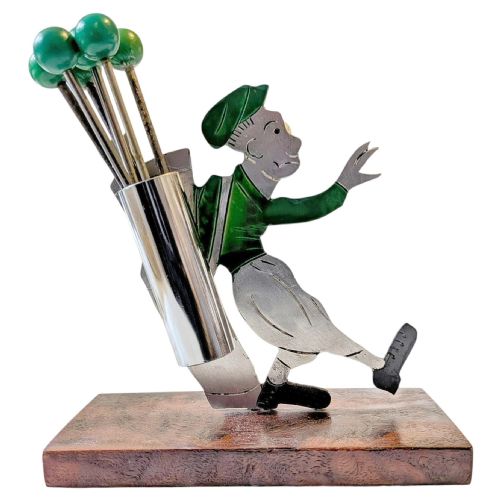
Compositions range from pairs of figural inkwells to larger groupings of fifteen miniature carved bears or seven glazed pottery statues. These sets frequently serve decorative purposes or combine utility with sculpture, such as companion sets and cocktail stick holders.
Materials and construction
Metal sculptures utilise traditional casting methods, employing bronze, spelter, and cast iron to achieve detailed forms. Many pieces incorporate secondary materials, mounting metal figures upon marble and onyx bases or adding gold leaf highlights.
Ceramic examples rely on porcelain and glazed pottery techniques, with some pieces receiving hand-painted decoration or specialised sancai glazes. Miniature wooden carvings demonstrate meticulous hand-carving traditions, seen in collections of small animal figures.
Makers integrated various decorative techniques across different mediums, including enamelling on metal work and detailed surface carving on pottery and stone.
Vintage Figurine Set Retail Price Guide 2026
Typical asking prices for vintage figurine set among the pieces listed under this phrase on Sellingantiques today, from the lower quarter to the upper quarter. They describe what is for sale here now, not the wider market.
Object types range from miniature carved wooden bears and porcelain fairings to functional inkwells, barware, and fireplace companion sets.
Assessing quality in multi-piece groupings
Quality rests upon the crispness of the casting or carving, where finer examples preserve intricate facial expressions, textures, and anatomical details without blurring. The cohesion of the grouping matters greatly, distinguishing purpose-made matched sets from assembled collections.
Material selection and mounting contribute significantly to a piece, with dense marbles, heavy bronzes, and well-preserved surface finishes elevating the work. The skill evident in hand-painted details or specialised glazing distinguishes standard production from superior artistry.
Edmé Samson·Sudre
The Vintage Figurine Set Glossary
- Animalier
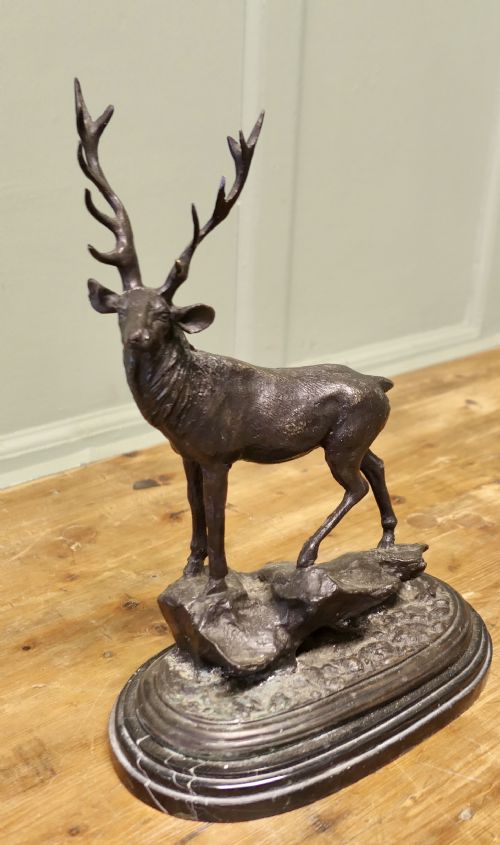
- A nineteenth-century artistic movement focusing on the realistic portrayal of animals, frequently rendered in bronze. This style captures beasts in motion or repose.
- Spelter
- A zinc alloy commonly utilised as a less costly alternative to bronze for sculptural casting during the Art Deco period. It often received patination to simulate heavier metals.
- Sancai
- A traditional three-colour glaze used on pottery, characteristic of Tang Dynasty ceramics and later revival styles. It produces characteristic mottled green, amber, and cream tones.
- Opium weight
- Small calibrated weights cast in bronze, often in the form of animals, used in Southeast Asian trade. These pieces frequently survive as collected sets.
- Fairing
- Small Victorian porcelain ornaments, often humorous or domestic in theme, originally sold at annual county fairs. They provide a glimpse into nineteenth-century popular culture.
Vintage Figurine Set: Frequently Asked Questions
What defines a vintage figurine set?
A vintage figurine set consists of multiple sculpted figures produced together as a matched grouping or collected series. These groupings share a common material, maker, or thematic subject.
They may include animals, human characters, or sporting figures created in mediums such as bronze, porcelain, and spelter across various historical periods.
How were these figurine sets used?
Many sets served a dual decorative and functional purpose on nineteenth and twentieth-century desks and mantelpieces. Examples include inkwells, cocktail stick holders, and fireplace companion sets.
Other groupings were purely ornamental, designed to be displayed together as cabinet pieces or mantel decorations.
How do I care for bronze and spelter figures?
Metal sculptures require gentle dusting with a soft, dry cloth to prevent the accumulation of grit in crevices. Avoid using harsh chemical cleaners or polishes that can strip original patination.
menjaga stable humidity levels helps protect any accompanying marble or onyx bases from moisture damage.
How can I tell Art Deco sets apart from Victorian pieces?
Victorian sets tend to feature naturalistic details, ornate mounts, and classical or animalier subjects executed in bronze, marble, or porcelain. They often emphasise texture and traditional craftsmanship.
Art Deco sets embrace streamlined geometries, stylized animal forms, and modern materials like spelter mounted on contrasting black marble or onyx bases.