




Vintage Figural Art
Vintage figural art captures human and animal forms in sculpture, lamps, paintings and decorative objects spanning the nineteenth and twentieth centuries.
Vintage Figural Art
Vintage figural art encompasses pieces representing people and animals across varied periods from the mid-nineteenth century through the mid-twentieth century. Buyers seeking this category encounter sculptures, table lamps, paintings, wall art and decorative objects.
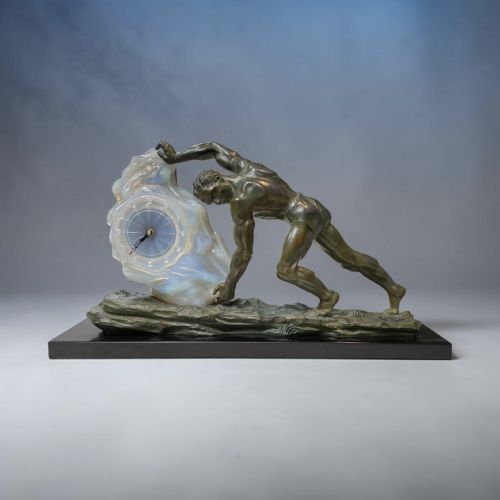
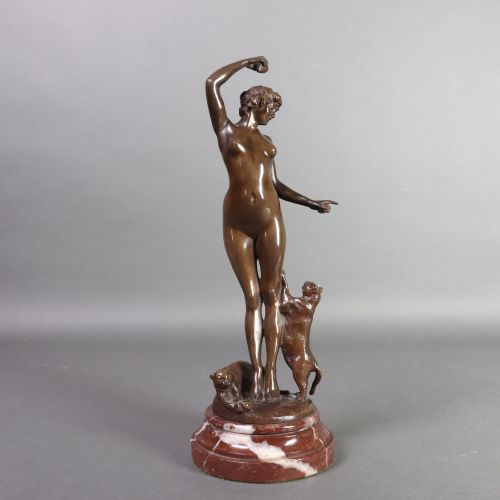
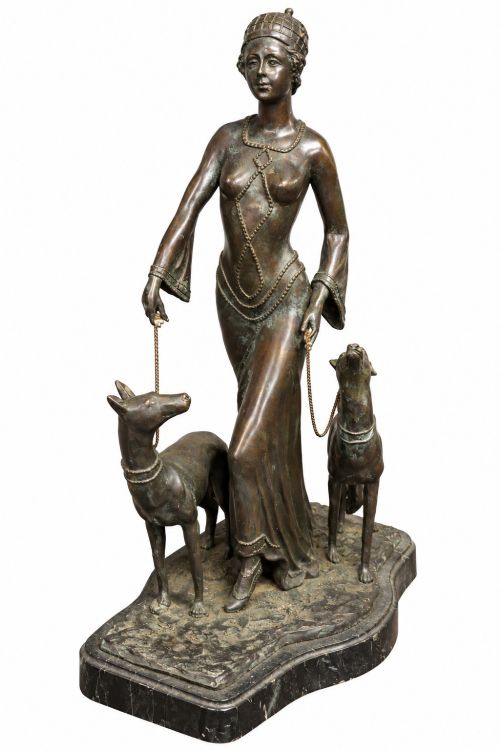
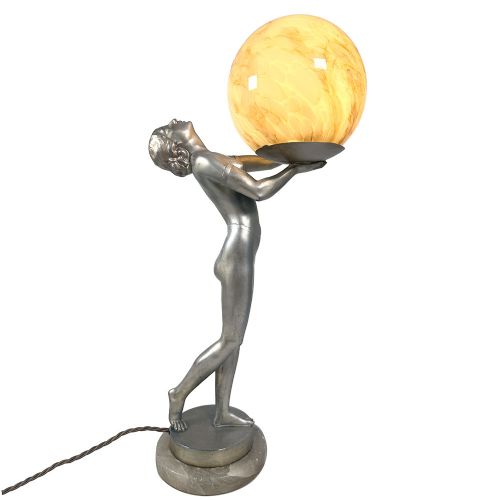
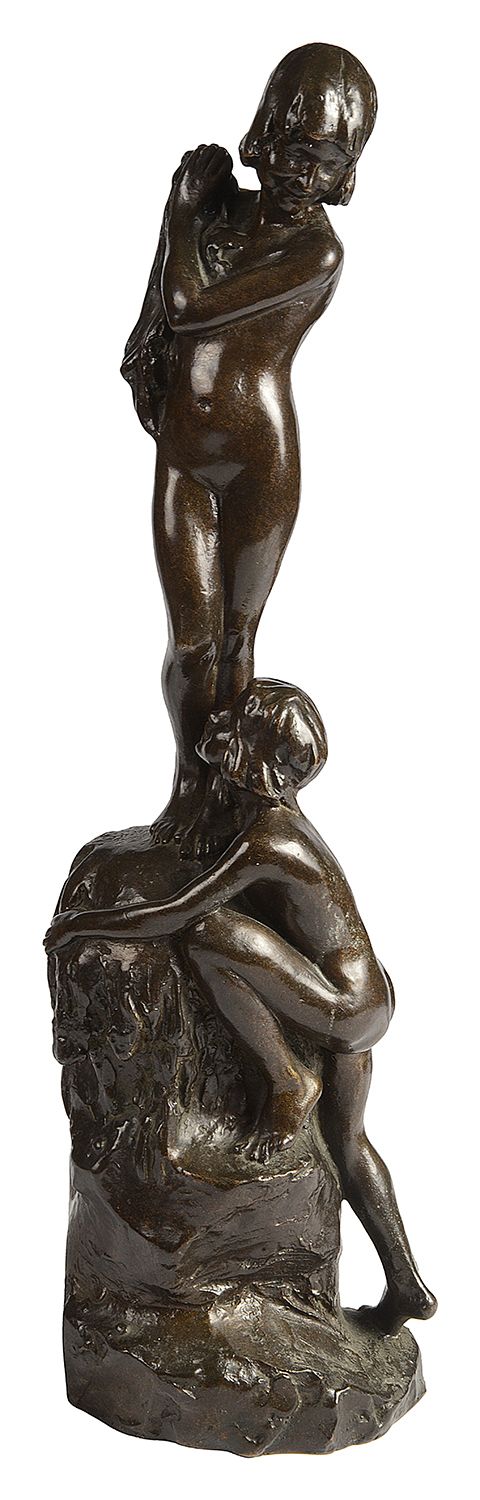
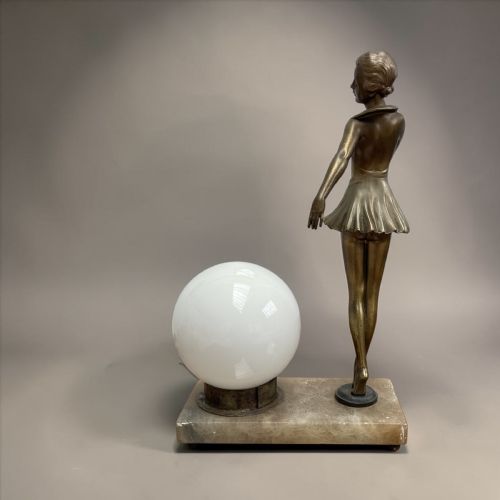
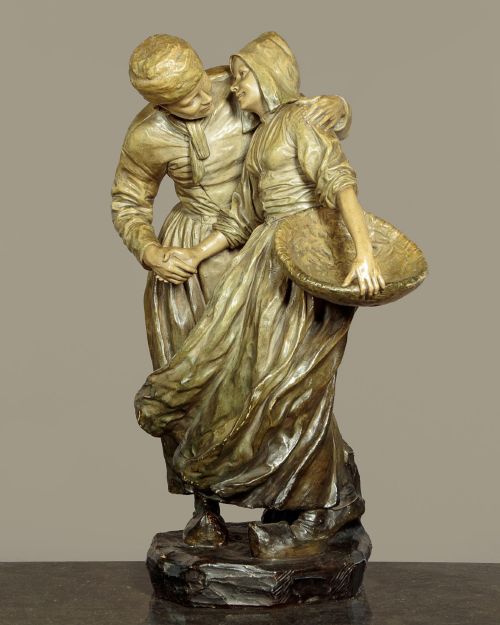
The selection on this page leans toward Art Deco and Art Nouveau aesthetics, alongside nineteenth-century works and early twentieth-century pieces. Common forms include lady lamps, bronze and spelter figures, painted portraits and carved wood objects.
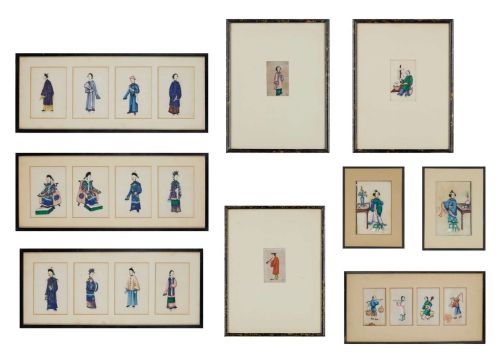
Origins span European workshops, British makers and international traditions including Chinese pith paintings and African tribal art. This diversity means buyers choose between utilitarian items like mantel clocks and lamps and purely decorative sculptures.
Materials and construction
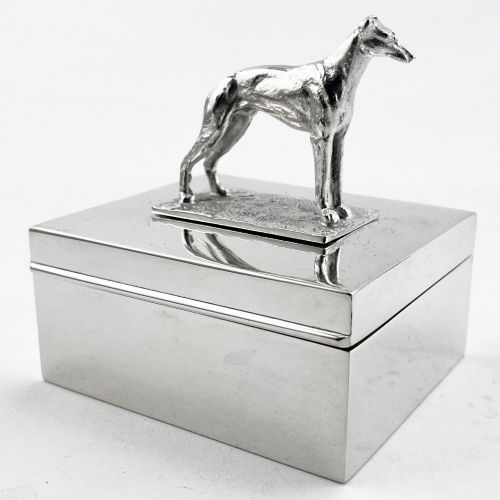
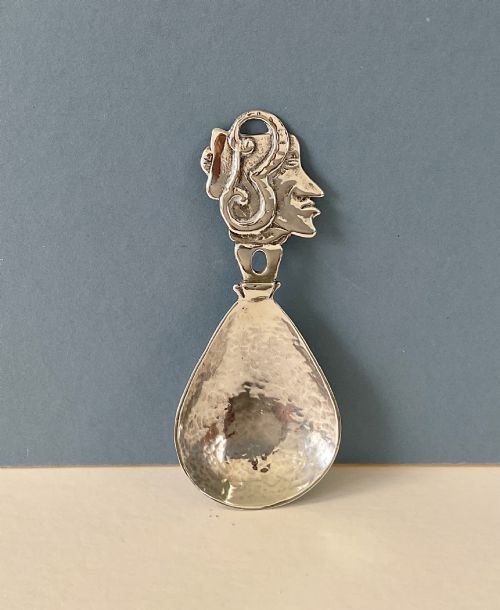
Metals form a core material group, utilising bronze, brass, silver plating and spelter for cast figures and sculptural bases. Spelter appears frequently in Art Deco mood lamps and figures, often paired with marble, onyx and frosted glass components.
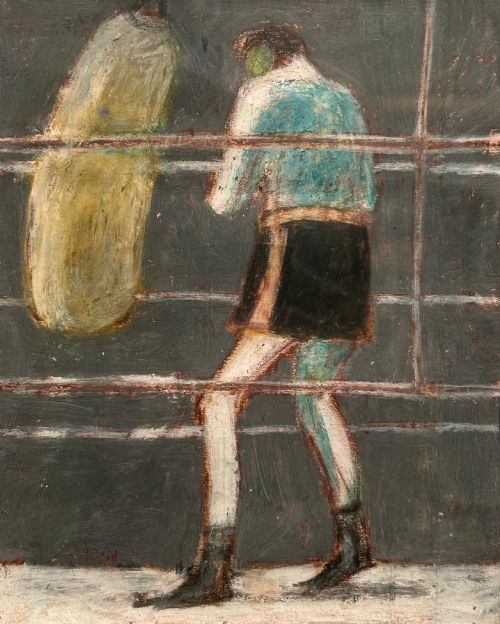
Works on canvas, paper and silk utilise oil paint, watercolour and collotype printing techniques to render portraits and narrative scenes. Carved items employ wood, bone and root wood for detailed nutcrackers and table lamps.
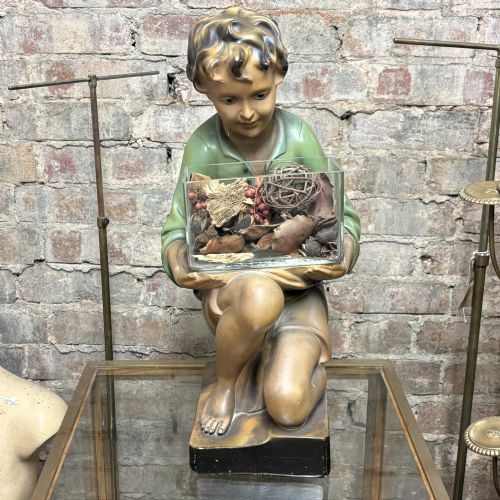
Ceramic and glass items incorporate porcelain, terracotta and moulded glass, seen in figures and illuminated lamp bodies. Tapestries utilise wool gros-point embroidery to create detailed pictorial wall hangings.
Vintage Figural Art Retail Price Guide 2026
Typical asking prices for vintage figural art among the pieces listed under this phrase on Sellingantiques today, from the lower quarter to the upper quarter. They describe what is for sale here now, not the wider market.
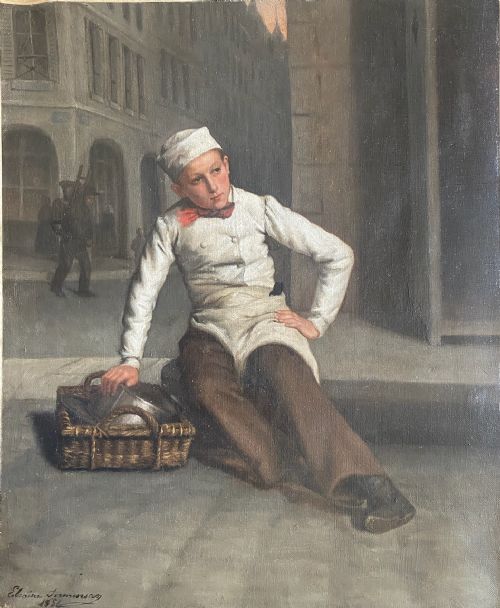
An apprentice cook resting in Paris meets Little Red Riding Hood in wool tapestry.
Assessing quality and execution
The integration of materials dictates overall execution, particularly in illuminated pieces where glass shades, marble bases and metal figures meet harmoniously. Intact original patination and signed works by recognised modellers elevate the standing of a piece.
Georges Gori·Gustave Dussart·Goldscheider·Libochovice·WMF·Georges Goursat·Karl Ens·Anton Buschelberger
The Vintage Figural Art Glossary
- Spelter
- A zinc alloy used as a cost-effective substitute for bronze in decorative figures and lamps. It accepts patination well to simulate heavier metals.
- Patinated metal
- Metal treated with chemicals, heat or paint to produce a coloured surface finish. This technique highlights sculptural contours and protects the base metal.
- Collotype print
- A planographic printing process using gelatin that produces continuous tone reproductions without a dot screen. It captures the subtle gradations of photographic and artistic works.
- Pith paintings
- Watercolours painted on the spongy internal pith of the Tetrapanax papyrifer plant. These delicate works were produced in nineteenth-century China for export.
- Gros-point
- A type of needlepoint embroidery using wool yarn on canvas to create durable pictorial tapestries. It produces a bold textured surface suitable for wall hangings.
Vintage Figural Art: Frequently Asked Questions
What is vintage figural art?
Vintage figural art comprises decorative objects, sculptures, lamps and paintings that depict human or animal subjects. These pieces originate primarily from the nineteenth and twentieth centuries.
The category highlights craftsmanship across diverse materials including bronze, ceramic, glass and wood. It serves both functional and decorative roles in interior spaces.
How do I identify Art Deco lamps?
Art Deco lamps typically feature stylized female figures, geometric bases and materials like spelter, onyx and frosted glass. They reflect the design sensibilities of the interwar period.
Many incorporate integrated lighting elements such as glowing glass globes or torchere fixtures. The focus centres on sleek lines and theatrical human poses.
Where were these pieces made?
The items originate from various European centres, particularly France, Britain and Germany, alongside international traditions. Workshops and factories across these regions produced distinct sculptural and decorative styles.
Asian and African examples also appear, representing traditional carving and painting techniques. Each region contributes specific material combinations to the category.
How should I care for figural lamps?
Care depends on the specific materials, requiring gentle dusting for bronze and spelter surfaces. Glass shades benefit from careful hand washing using mild soap.
Electrical components in vintage lamps should be inspected by a qualified professional to ensure safety. Avoid harsh chemical cleaners that can damage patinated metal or painted finishes.