

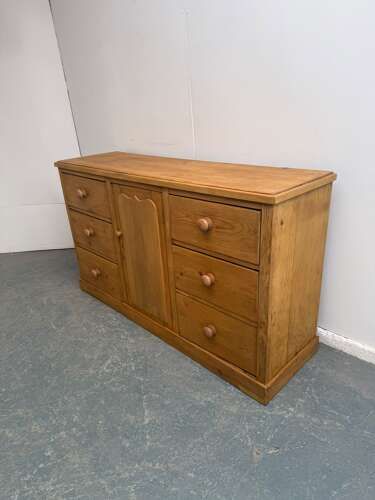


Vintage Farmhouse Dresser
These vintage farmhouse dresser examples bring honest utility and regional character into a room, offering robust storage built for daily country life.
Vintage Farmhouse Dresser
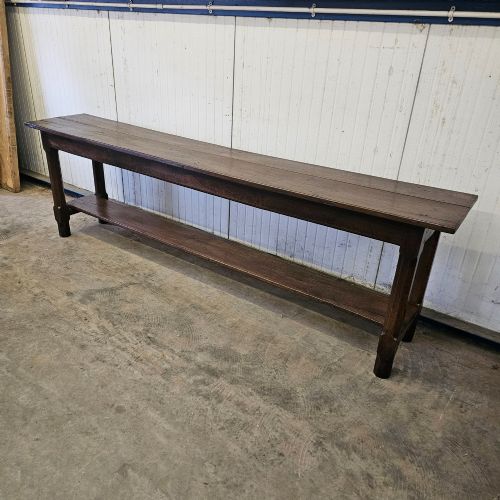
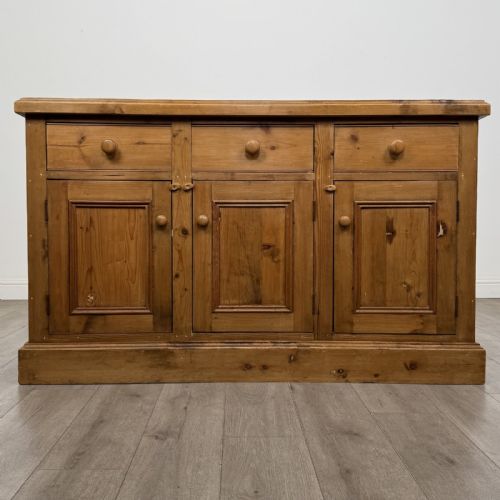
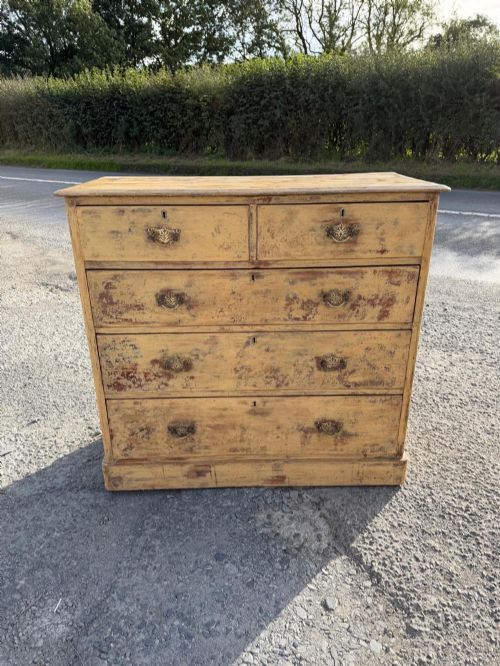
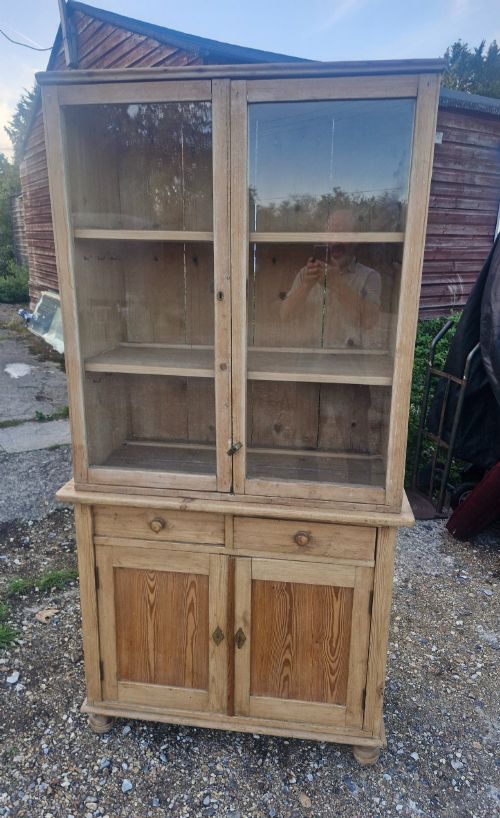
A vintage farmhouse dresser encompasses practical storage furniture originating from rural homes, including kitchen cupboards, dresser bases, and chests of drawers. These pieces date across several periods, stretching from the Georgian era through the Victorian age and into the turn of the twentieth century.
Regional variations dominate this selection, featuring Scottish vernacular designs, English country styles, and rustic farmhouse forms. Buyers frequently encounter two-part kitchen cupboards, long sideboard bases, and drawer chests fitted with gallery backs.
The objects serve as working furniture created for domestic service, food preparation, and linen storage. Their utilitarian origins mean utility dictates their straightforward forms, making them adaptable additions to modern rustic interiors.
How they were made
Surfaces frequently display original paint finishes, scumbled decoration, or simple waxed treatments rather than complex veneers. Workshops utilised straightforward joinery techniques suited to provincial cabinet making, prioritising structural strength over decorative flourish.
Vintage Farmhouse Dresser Retail Price Guide 2026
Typical asking prices for vintage farmhouse dresser among the pieces listed under this phrase on Sellingantiques today, from the lower quarter to the upper quarter. They describe what is for sale here now, not the wider market.
Listings span the eighteenth, nineteenth, and early twentieth centuries, constructed primarily from solid pine and oak.
What varies in quality
Proportion and timber selection set apart the superior examples from more utilitarian workshop output. Grain pattern in oak and the warmth of patinated pine alter the visual weight of a base or cupboard.
Survival of original painted surfaces or scumbled finishes significantly influences the character of a piece. The presence of untouched brass handles and integrated gallery backs maintains the historical integrity of the cabinet.
The Vintage Farmhouse Dresser Glossary
- Dresser base
- A low sideboard or cabinet featuring drawers and cupboards, originally used for food preparation and storing kitchen utensils. These units often lack the upper plate rack associated with taller kitchen dressers.
- Scumbled paint
- A decorative surface technique where a translucent topcoat is manipulated over a lighter ground to simulate the appearance of richer timber or grain. This finish appears on several Victorian pine pieces.
- Gallery back
- A raised timber barrier running along the rear edge of a chest of drawers or sideboard top. This feature prevents items from sliding off the working surface.
- Vernacular style
- Domestic architecture and furniture built by local craftsmen using traditional regional materials and methods, without academic architectural influence. Scottish and English country examples demonstrate these local traits.
Vintage Farmhouse Dresser: Frequently Asked Questions
What is a farmhouse dresser base?
A farmhouse dresser base is a low storage unit equipped with drawers and lower cupboards, designed for heavy kitchen tasks and utility storage. These sturdy wooden pieces served as central work surfaces in rural homes.
Unlike tall dressers with upper shelving, the base offers a flat top surface suitable for food preparation or display. They appear in both oak and pine across Georgian and Victorian periods.
How do I care for waxed pine furniture?
Care for waxed pine involves applying a natural beeswax polish periodically to nourish the timber and maintain a soft sheen. Avoid placing these pieces near direct heat sources or strong sunlight to prevent the wood from drying out.
Cleaning should be done with a dry or lightly damp cloth, avoiding harsh chemical detergents that strip the traditional wax finish. Regular gentle buffing preserves the patinated surface acquired over decades of use.
Are these pieces original or restored?
The inventory includes items retaining their original paint, scumbled finishes, and traditional waxed surfaces acquired through generations of domestic use. Provincial workshops built these cabinets for hard work rather than display, meaning honest wear often remains visible.
Buyers will find pieces that maintain their early hardware and timber components. Each item reflects the specific period of its construction, from eighteenth-century oak to late-nineteenth-century pine.
Where were regional styles made?
Regional styles originate from specific domestic traditions across the British Isles, including Scottish vernacular workshops and English country joinery shops. Local timber availability heavily influenced whether makers selected pine, oak, or mixed woods for construction.
Characteristics such as proportion, drawer configuration, and paint treatment often point to the geographic origin of a cupboard or base. This regional diversity gives country furniture its distinct character.