


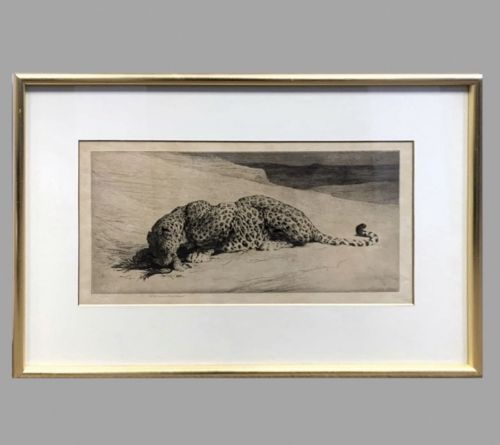
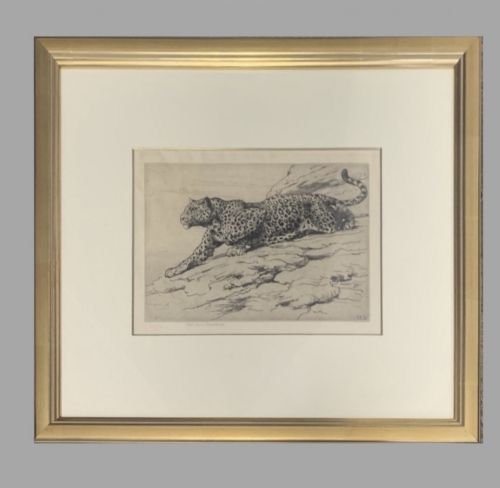
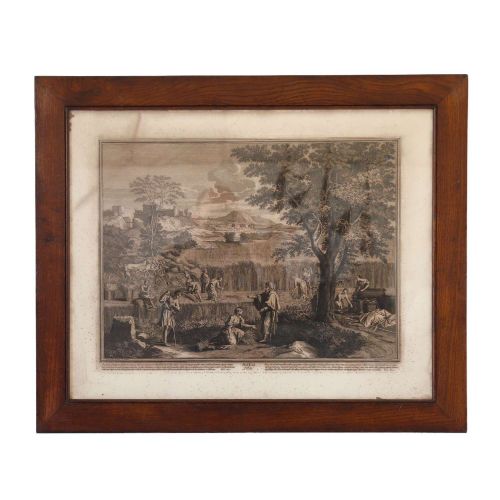
Vintage Etching Print
A vintage etching print brings centuries of fine illustrative work into modern rooms through delicate ink lines and period paper.
Vintage Etching Print
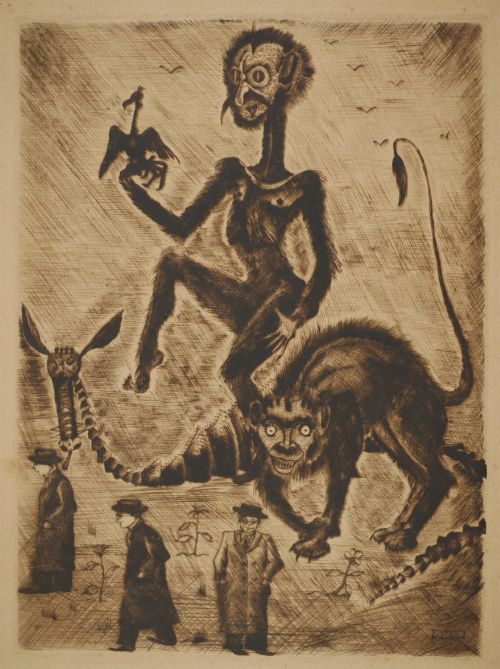
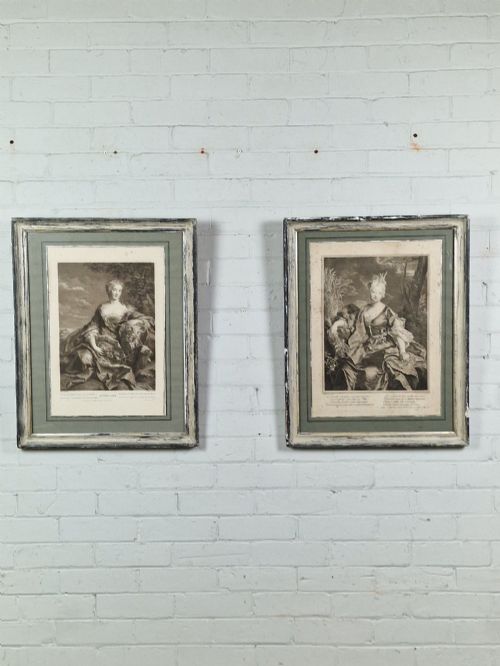
A vintage etching print encompasses works created through traditional intaglio processes alongside related engravings, mezzotints and drypoints from centuries past. When searching for a vintage etching print, buyers encounter everything from eighteenth-century sporting scenes to twentieth-century animal studies and surrealist compositions.
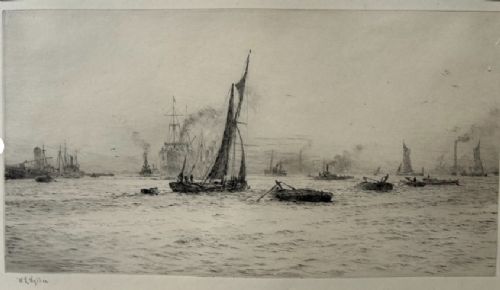
The selection ranges across distinct historical periods, spanning seventeenth-century classical subjects, eighteenth-century equine plates, nineteenth-century topographical views and early twentieth-century artist proofs. Works by named printmakers sit alongside decorative French engravings and grand tour souvenirs.
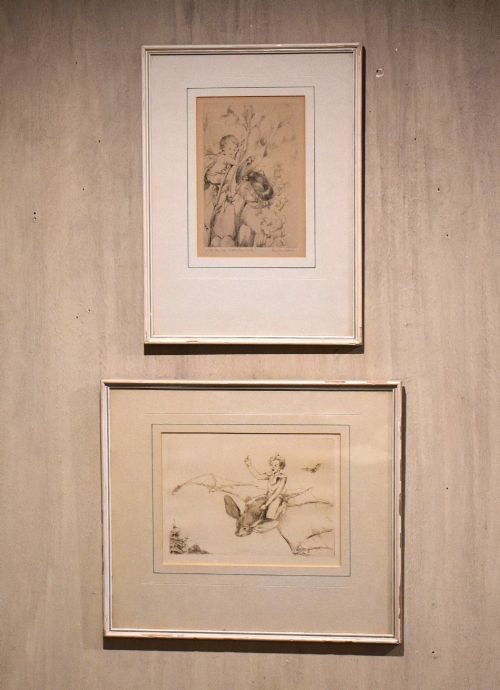
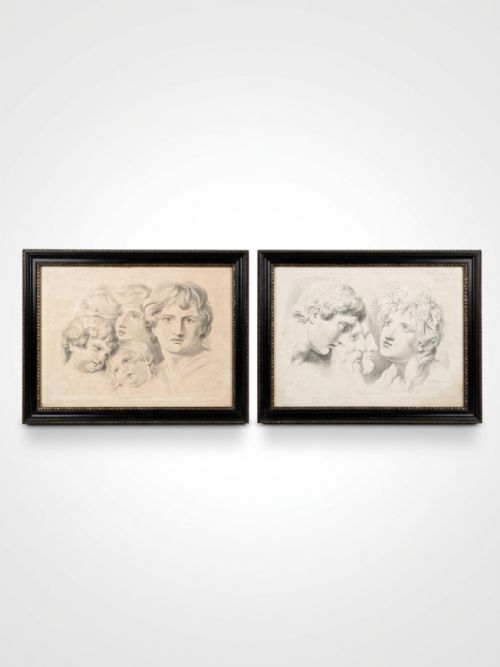
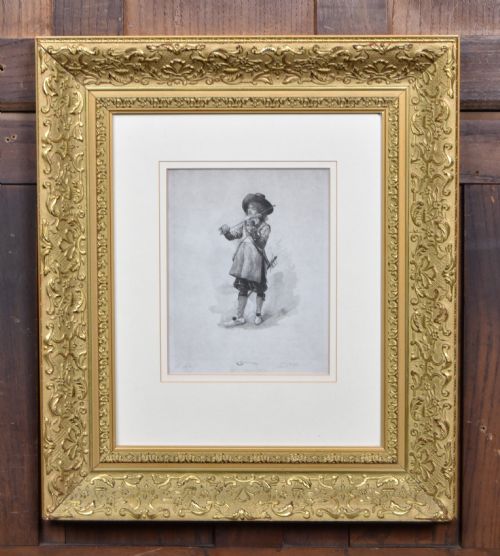
Most examples arrive ready for display, housed behind glass within wooden or gilded frames appropriate to their era. These pieces function as historical documents as much as decorative wall art, recording subjects from theatrical scenes to architectural elevations.
How they were made
Printmakers worked ink into incised lines on metal plates, applying heavy pressure via a rolling press to transfer the image onto damp paper or vellum. Some sheets received subsequent watercolour washes by hand, adding colour to equestrian and architectural plates.
Artists utilised drypoint needles to scratch directly into metal, creating the characteristic rich burr that catches ink and yields velvety dark tones. Other plates relied on acid baths to bite the design into the copper or zinc surface.
Framing materials reflect the period of production, utilising oak, gilt wood, and protective glass to preserve fragile paper sheets from atmospheric damage over the decades.
Vintage Etching Print Retail Price Guide 2026
Typical asking prices for vintage etching print among the pieces listed under this phrase on Sellingantiques today, from the lower quarter to the upper quarter. They describe what is for sale here now, not the wider market.
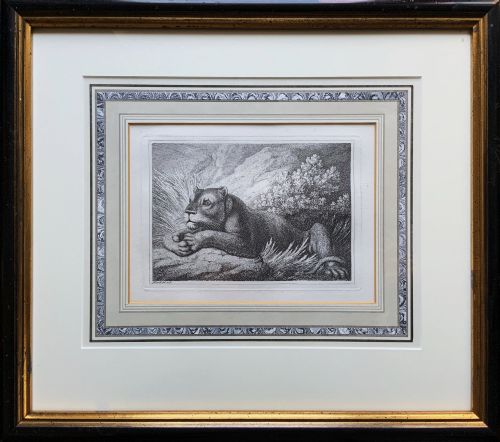
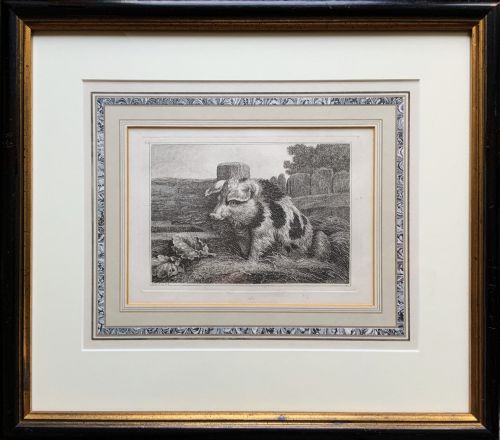
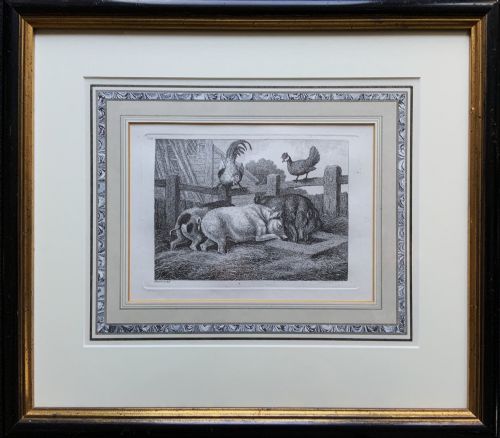
Even centuries ago, cats and pigs shared the spotlight with grand nobility on the printing press.
What varies in quality
The clarity of the plate impression dictates visual impact, with early pulls showing crisp line work while worn plates yield softer, shallower details. Artist proofs signed in pencil by the hand of the maker carry greater scarcity and direct connection to the creator than later posthumous editions.
The preservation of the paper support heavily influences desirability, as clean margins, stable vellum and minimal foxing maintain the integrity of the work. Contemporary framing that protects the sheet without causing acid burn preserves the longevity of the print.
Marjorie L Davies·Samuel Howitt·William Woollett·George Stubbs·Kurt Lorein Victor Peiser·Edward Fisher·Sir Joshua Reynolds·Kurt Meyer-Eberhardt·William Lionel Wyllie·John Faber Jr·Sir Godfrey Kneller·Herbert Dicksee·Louis Icart·William Hogarth·Gilray·Anne Goldthwaite·T.A Prior·John Merrifield·E.L. Riepenhausen
The Vintage Etching Print Glossary
- Etching
- A print produced by using acid to cut lines into a metal printing plate protected by a wax ground. The exposed metal holds the ink during the printing process.
- Drypoint
- An intaglio printmaking technique where the artist scratches directly into the metal plate with a sharp needle. This action raises a rough ridge of metal called a burr that holds extra ink for rich, dark lines.
- Mezzotint
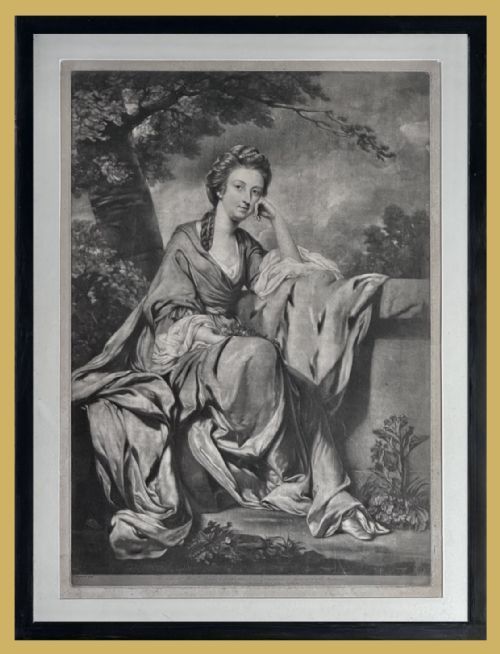
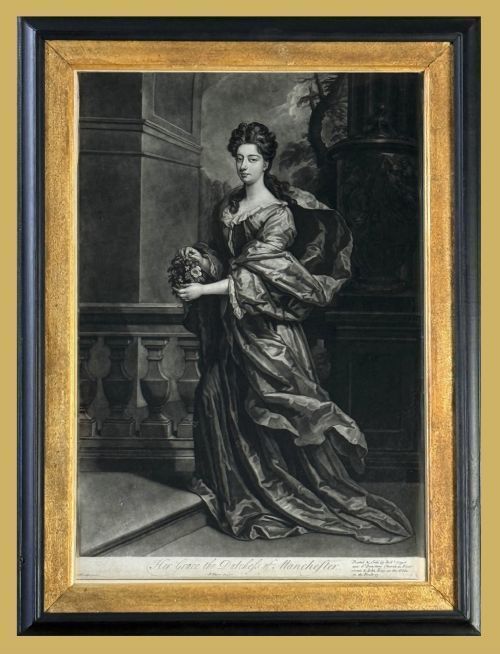
- A tonal printmaking method where the copper plate is roughened evenly all over to produce solid black, and areas are scraped back to create lighter tones and highlights. Portraits frequently utilised this technique for subtle gradations of shadow.
- Engraving
- A process where an artist cuts lines directly into a metal plate using a hardened steel tool called a burin. The resulting lines possess sharp, clean edges unlike the softer quality of an etched line.
- Artist Proof
- An impression printed for the artist's own use or approval, typically pulled before the main commercial edition. These carry high collector standing due to their direct association with the creator.
Vintage Etching Print: Frequently Asked Questions
How do I care for an old paper print?
Keep works away from direct sunlight and damp environments to prevent fading and foxing on the paper surface. UV-protective glass helps shield delicate ink and watercolour pigments during daily display.
Ensure framing materials remain acid-free so the paper does not discolour over time. Professional framing protects the sheet from environmental pollutants.
What is the difference between an etching and an engraving?
Etchings rely on acid to bite lines into the metal plate, producing fluid, freehand strokes. Engravings use a sharp tool pushed directly into the metal, creating precise, clean lines with tapered ends.
Under magnification, etched lines show slightly rounded edges from the acid, while engraved lines display crisp, V-shaped cuts.
Are these prints original antiques?
The listings include original antique prints produced during the seventeenth, eighteenth, and nineteenth centuries, alongside early twentieth-century artist proofs. Each piece was pulled from a historical printing plate during its designated era.
Examination of the paper stock, plate marks, and ink characteristics helps confirm the period of production.
How should I display framed prints at home?
Hang pieces on interior walls away from heat sources, kitchens, and bathrooms to protect the paper and wooden frames from humidity fluctuations. Consistent indoor climates prevent the paper from warping inside the frame.
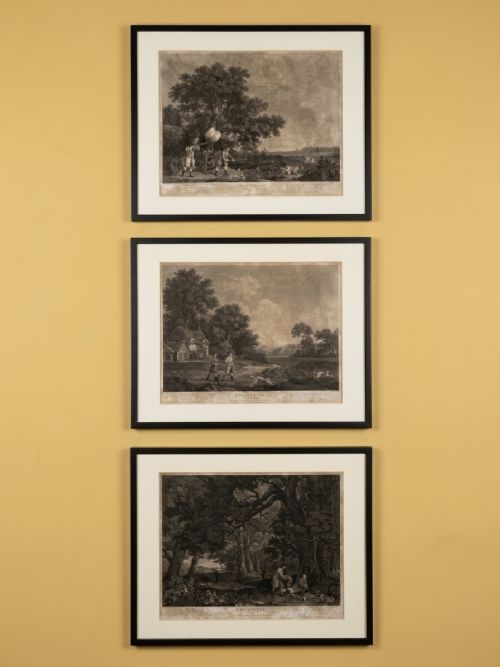
Pair complementary subjects together, such as equestrian scenes or architectural plates, to create balanced wall groupings.