



Vintage Etched Wall Mirror
A vintage etched wall mirror brings reflective depth and decorative glasswork into a room, spanning styles from Venetian production to Art Deco geometric forms.
Vintage Etched Wall Mirror
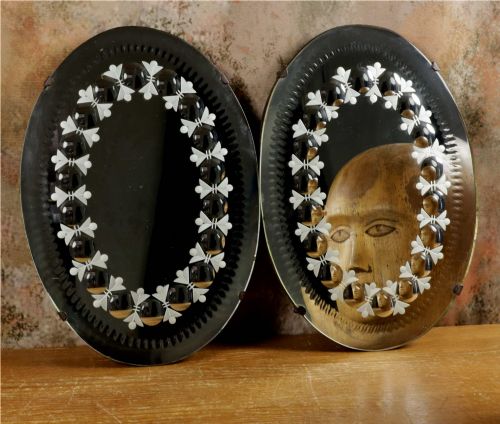
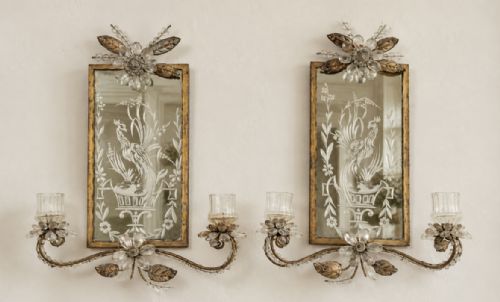
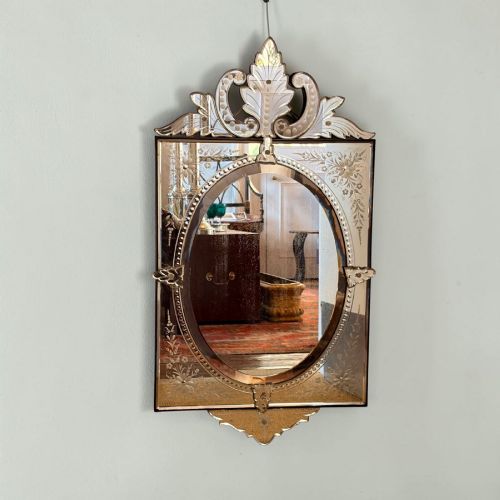
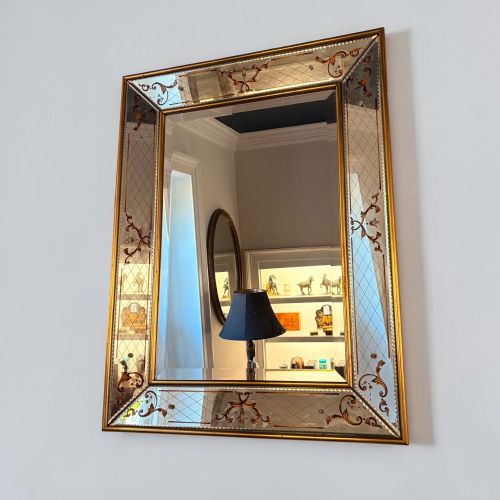
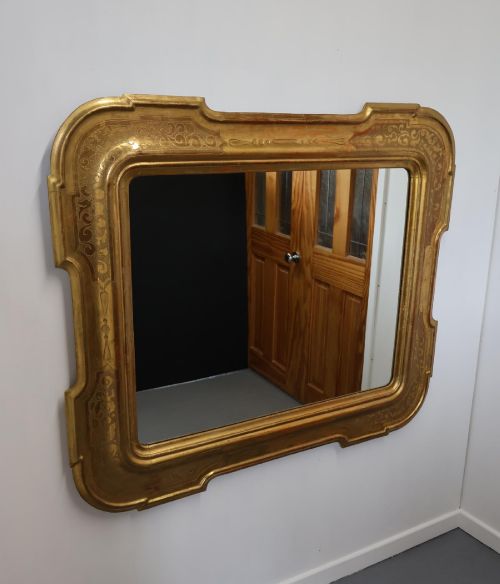
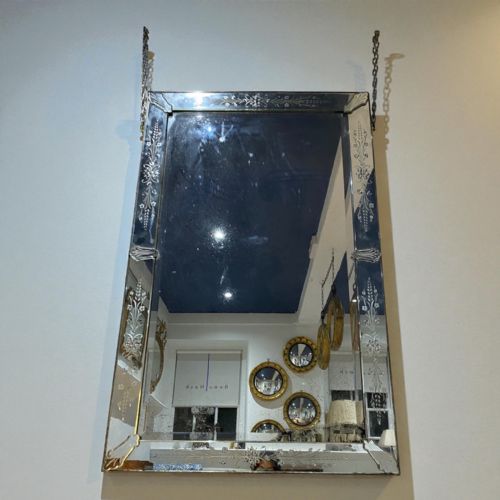
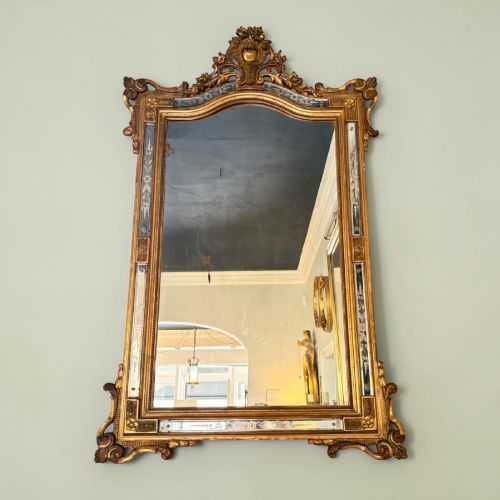
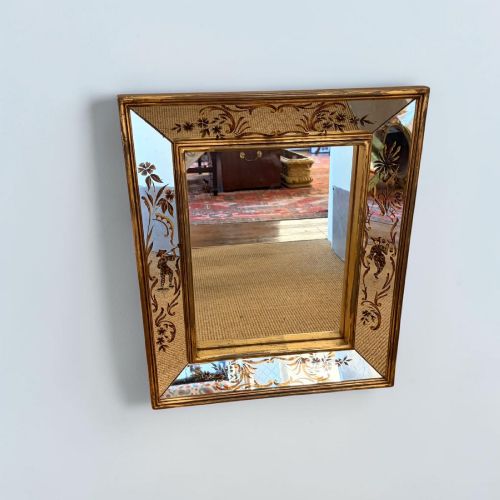
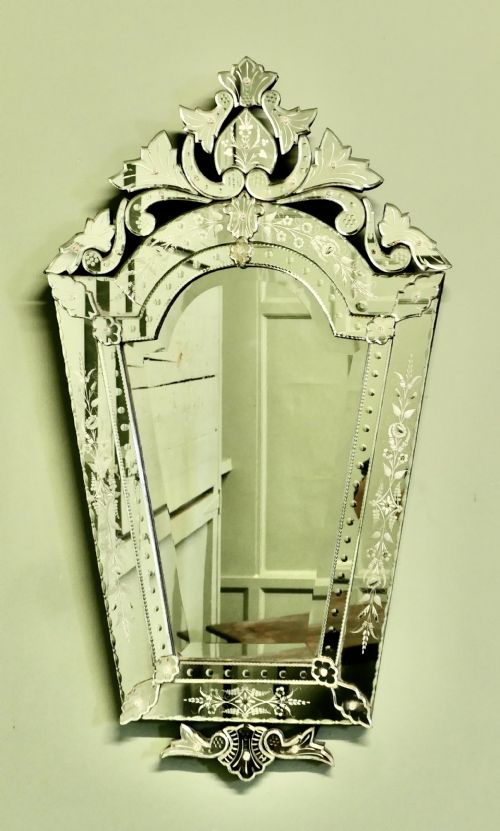
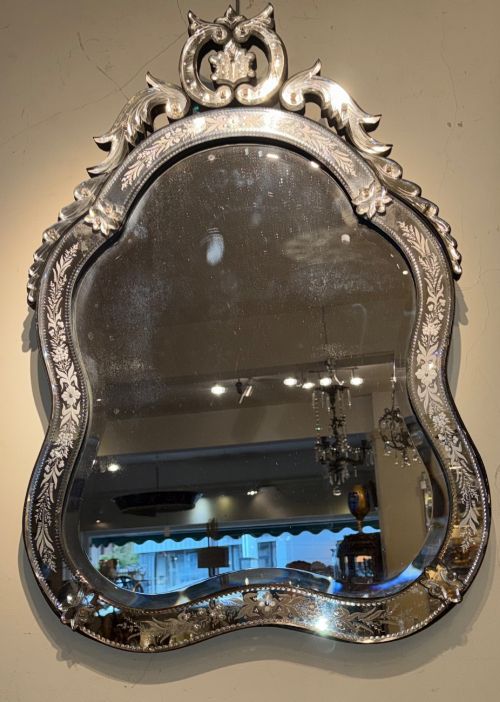
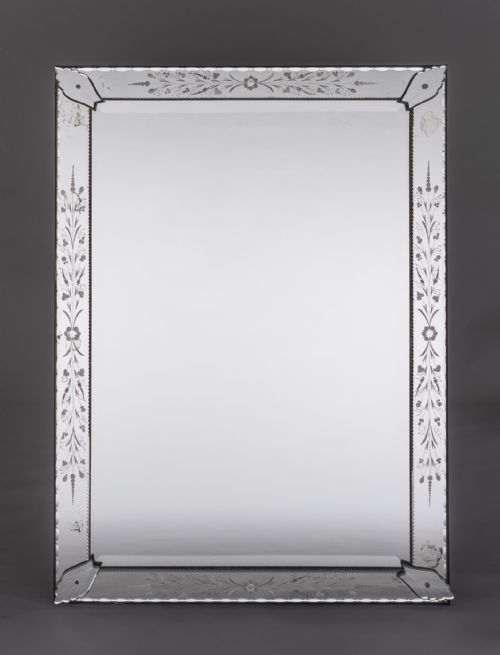
A vintage etched wall mirror encompasses items designed for hanging on domestic or commercial walls, utilising reflective plates worked with surface decoration. The selections here include nineteenth-century Venetian cushion pieces, Edwardian examples, and geometric Art Deco forms.
Buyers meet variations ranging from large overmantel formats to round and rectangular plates framed in wood, metal, or coloured glass. Venetian origins and twentieth-century interpretations dominate the selection.
Materials and construction methods
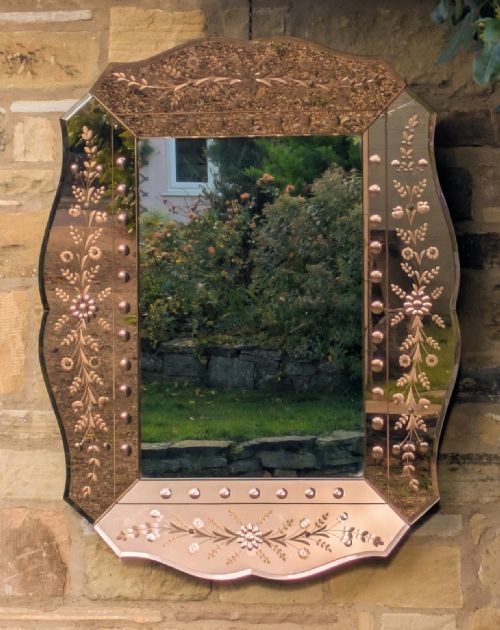
Plates of mirrored, silvered, or peach glass receive decoration through acid etching, wheel-cutting, or surface engraving. Frames incorporate carved wood, gesso, gilt bronze, chrome, and painted finishes.
Construction methods unite traditional joinery on nineteenth-century carved wooden frames with later twentieth-century frameless or metal-mounted designs holding bevelled glass plates.
Vintage Etched Wall Mirror Retail Price Guide 2026
Typical asking prices for vintage etched wall mirror among the pieces listed under this phrase on Sellingantiques today, from the lower quarter to the upper quarter. They describe what is for sale here now, not the wider market.
Pub mirrors from Maida Vale recorded the daily atmosphere of Edwardian London before finding new walls to reflect.
Distinctions in quality and execution
The standard of carving on wooden or gesso frames and the crispness of the engraved or etched detail on the glass plate determine the distinction between ordinary and superior pieces. Elaborate Venetian cushion mirrors with extensive hand-cut elements represent higher workmanship than simpler commercial formats.
The integrity of the original silvering and the depth of the bevel on the glass surface indicate the degree of care taken during manufacture.
The Vintage Etched Wall Mirror Glossary
- Etched glass
- Glass treated with acid to create decorative surface patterns by eating away portions of the material. This technique allows for detailed figurative or abstract designs.
- Overmantel mirror
- A large horizontal mirror specifically designed to hang above a fireplace mantelpiece. These pieces often feature arched tops or elaborate frames.
- Silvered glass
- Glass coated on the rear surface with a reflective metallic compound to create a mirror. Nineteenth-century examples often utilise mercury or silver solutions.
- Cushion mirror
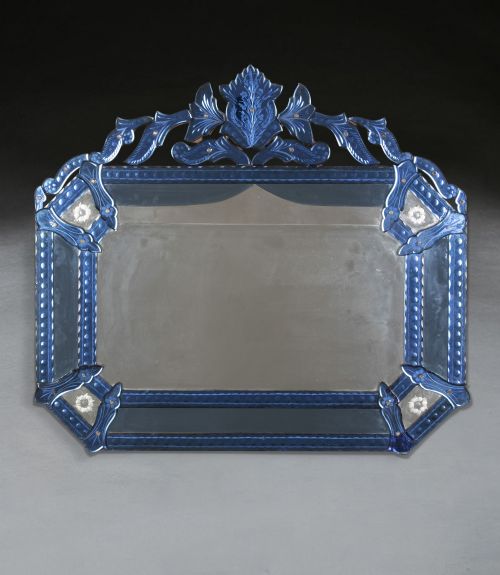
- A mirror style featuring a convex or sloping central frame section composed of individual bevelled glass panels. Venetian workshops frequently employed this format.
- Foxed plate
- Glass showing speckled or spotted ageing marks where the reflective backing has deteriorated over time. Collectors often value this natural patination.
Vintage Etched Wall Mirror: Frequently Asked Questions
How do I hang a heavy overmantel mirror safely?
Large overmantel mirrors require secure wall fixings distributed evenly across the weight-bearing structure of the wall rather than plaster alone. Using professional brackets suited to the weight of the wooden or gilt frame prevents movement.
Ensuring the fixings anchor directly into wall studs or masonry provides the necessary support for antique glass pieces.
What causes foxing on vintage mirror glass?
Foxing occurs when moisture penetrates the protective backing behind the glass over decades, interacting with the silver layer. This chemical reaction creates the characteristic dark spots and cloudy patches seen on older plates.
Many collectors appreciate this aged appearance as evidence of authenticity rather than a defect.
How do I clean an antique etched glass mirror?
Cleaning requires a soft microfiber cloth and a gentle, non-ammonia cleaning solution applied to the cloth rather than directly onto the glass. Avoiding harsh chemicals prevents damage to both the etched surface and the fragile silvered backing.
Special care must be taken around the edges where the original frame meets the plate.
What is the difference between Venetian and Art Deco mirrors?
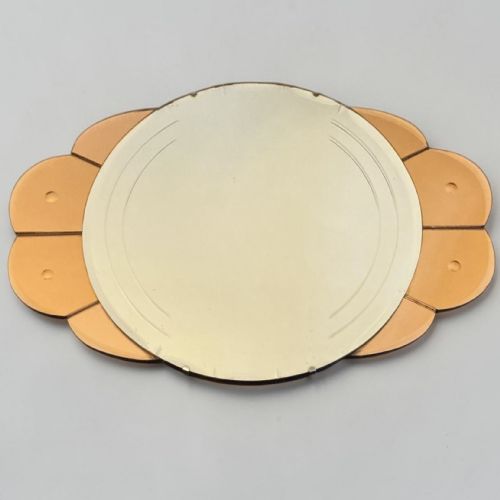
Venetian mirrors typically feature intricate hand-engraved floral motifs, glass frames, and cushion-moulded panels reflecting eighteenth and nineteenth-century Italian traditions. Art Deco mirrors favour geometric shapes, peach-tinted glass, and streamlined metal mounts from the twentieth century.
These distinct aesthetics help differentiate the decorative periods represented in the collection.