

Vintage Equestrian Figure
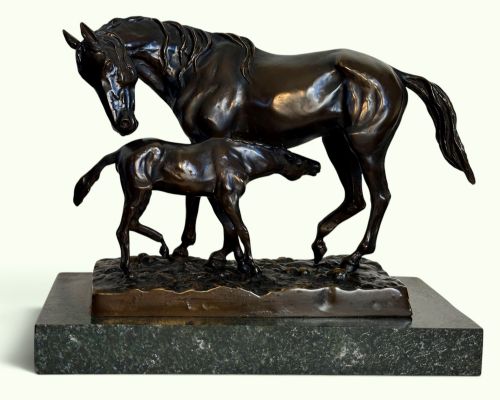
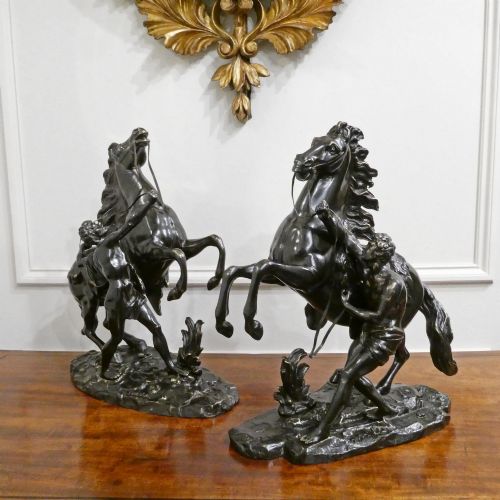
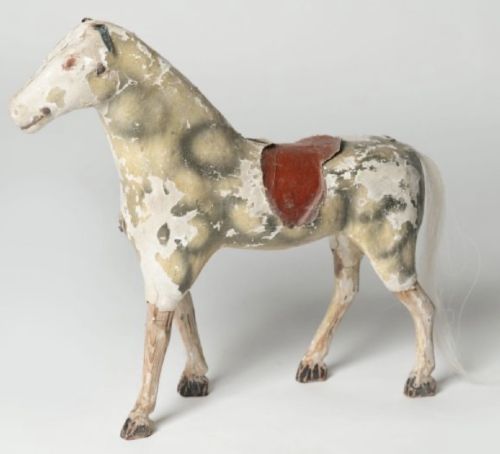
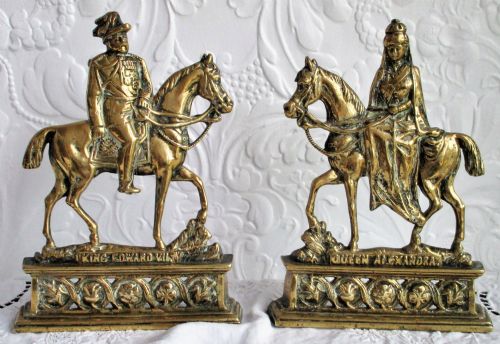
A vintage equestrian figure captures the movement and form of the horse through bronze, wood, brass, and earthenware.
Vintage Equestrian Figure
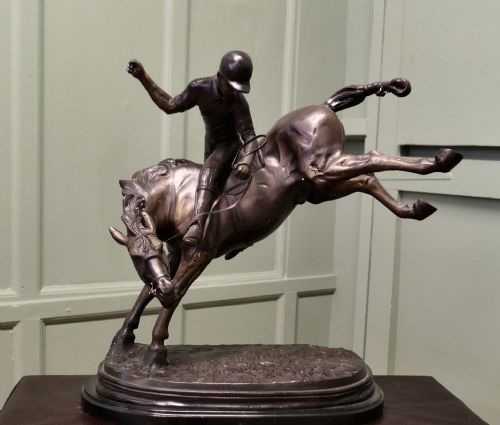
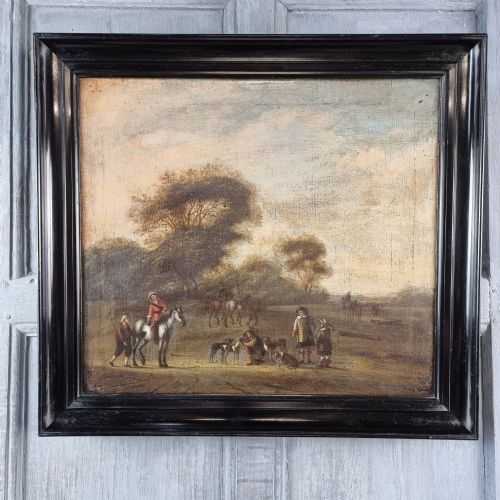
A vintage equestrian figure represents horses, riders, and racing subjects produced across the Victorian, Edwardian, and early twentieth-century periods.
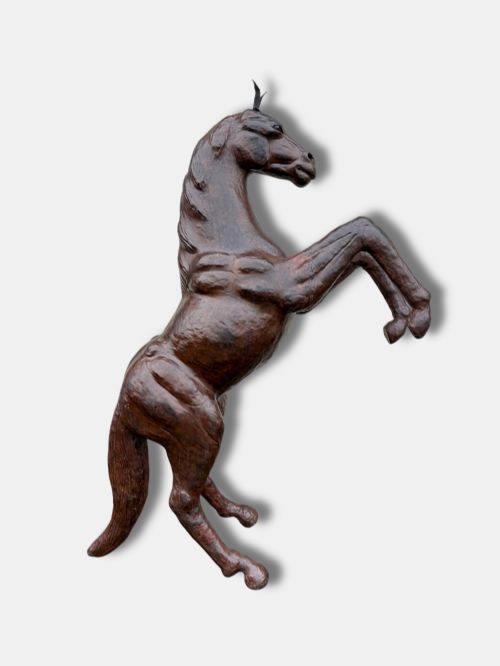
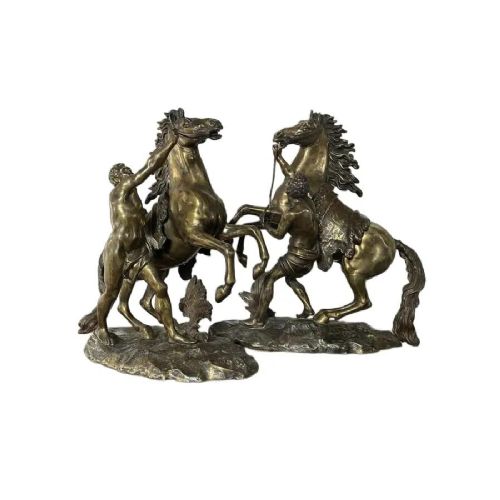
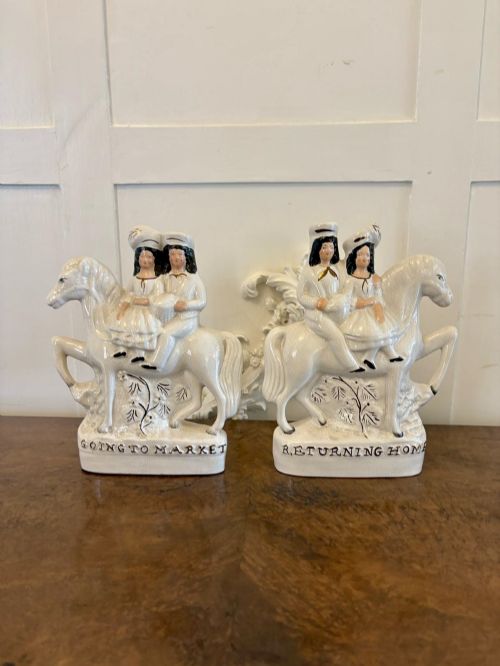
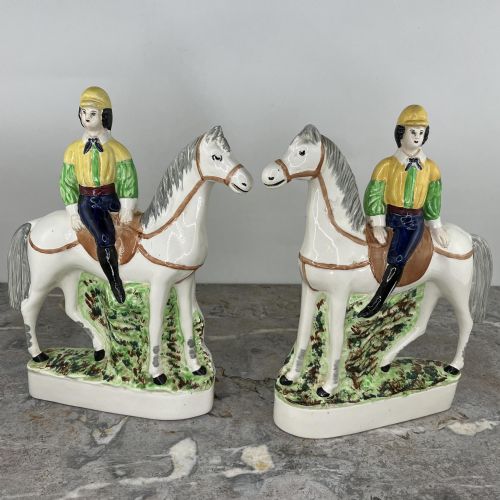
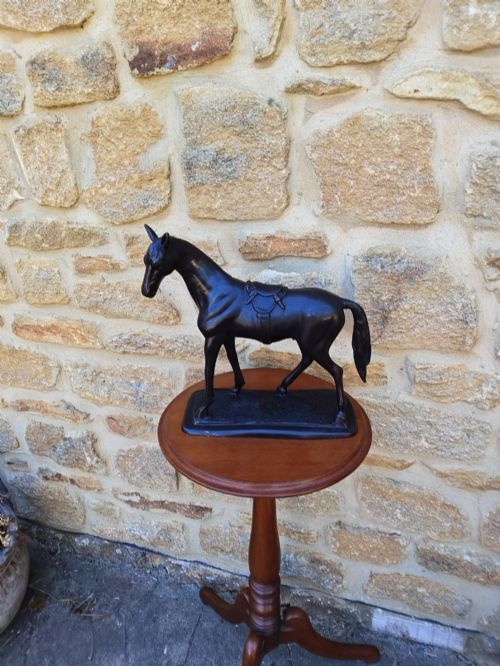
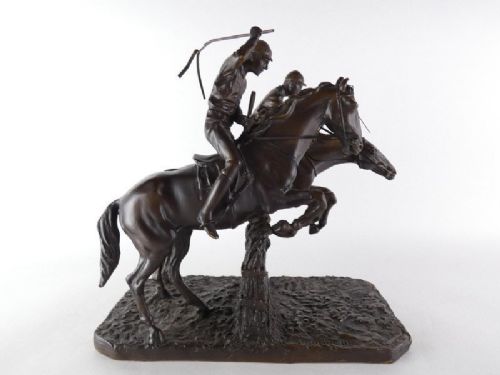
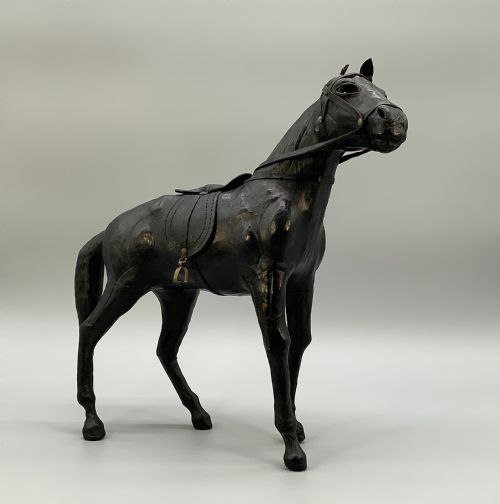
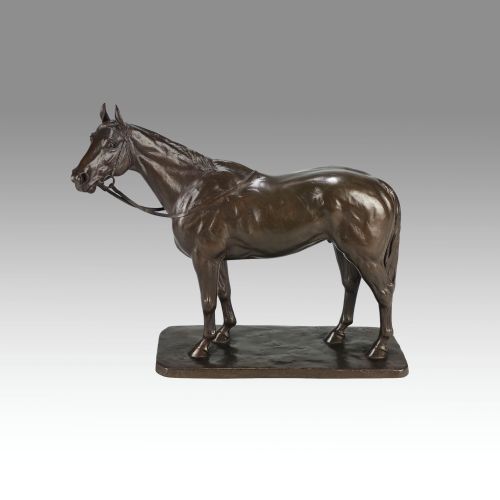
The selections encountered here include bronze sculptures, brass doorstops, Staffordshire ceramics, and leather models depicting subjects such as polo players, steeplechase racers, and draught horses.
Originating from English, French, Italian, and Japanese makers, these forms serve as decorative sculptures, bookends, and desk accessories.
How they were made
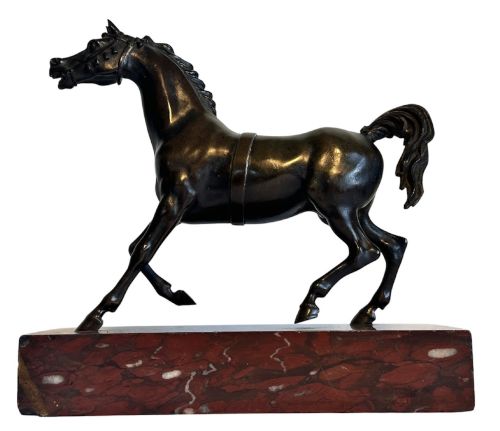
Metals such as bronze and brass are cast using traditional methods, often mounted on marble bases or finished with cold-painted detailing.
Organic materials including wood, leather, and earthenware are carved, moulded, or glazed by hand to shape distinct equine models and folk art figures.
Vintage Equestrian Figure Retail Price Guide 2026
Typical asking prices for vintage equestrian figure among the pieces listed under this phrase on Sellingantiques today, from the lower quarter to the upper quarter. They describe what is for sale here now, not the wider market.
Materials span cast bronze, carved wood, marble, brass, leather, and earthenware across Victorian and twentieth-century periods.
What varies in quality
The standard of modelling determines the realism and fluidity of the animal's anatomy, separating basic casts from sharply articulated sculptures.
Surface finish and material selection dictate overall merit, distinguishing heavy cast bronze or detailed leather-bound work from simpler brass or plaster items.
Liberty and Co·Kunio Ito·Sakai Kozan·Pierre Lenordez
The Vintage Equestrian Figure Glossary
- Animalier
- A nineteenth-century artistic movement focusing on the realistic portrayal of animals, particularly predators, horses, and hounds. This style is frequently observed in French bronze sculptures.
- Cold-painted bronze
- A technique where bronze figures are painted with oil-based colours after casting rather than fired in a kiln. This method allows for subtle polychrome details on small decorative items.
- Grand Tour
- A traditional trip through Europe undertaken by upper-class young men in the eighteenth and nineteenth centuries to collect cultural artefacts. Souvenirs from these journeys often included small bronze studies.
- Staffordshire
- Earthenware pottery produced in the English county of Staffordshire, encompassing decorative figures and chimney ornaments. These pieces typically feature hand-painted or glazed surfaces.
Vintage Equestrian Figure: Frequently Asked Questions
What materials are vintage equestrian figures made from?
These pieces appear in cast bronze, solid brass, carved wood, leather, and glazed earthenware or pottery.
Some examples combine metals with marble plinths, stone bases, or painted finishes.
How do I date a vintage horse sculpture?
Dating relies on stylistic markers associated with periods such as the Victorian era, Art Deco, or the early twentieth century.
Maker stamps, foundry marks, and material composition also help establish the age of the piece.
Were brass horse figures used as doorstops?
Heavy cast brass and iron versions served practical roles as doorstops and chimney ornaments in Victorian and Edwardian homes.
Other smaller forms functioned as desk weights, bookends, or purely decorative sculptures.
What is an Animalier bronze figure?
Animalier refers to nineteenth-century sculptures that depict animals with anatomical precision and active movement.
French and international foundries produced many bronze horses, riders, and racing scenes in this tradition.