



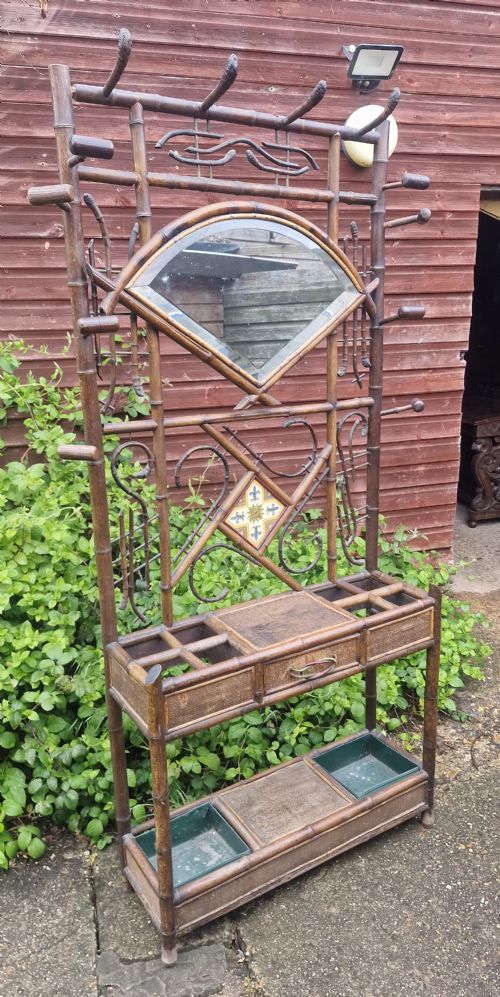


Vintage Entry Hall Rack
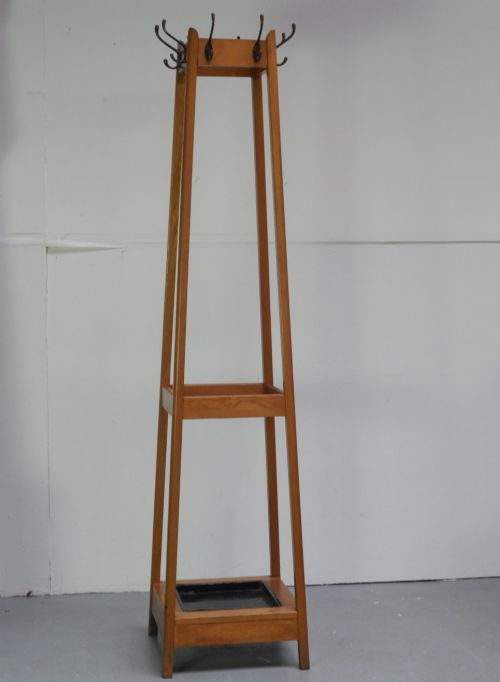
A vintage entry hall rack welcomes visitors with practical storage, combining umbrella stands and coat hooks in functional period furniture.
Vintage Entry Hall Rack
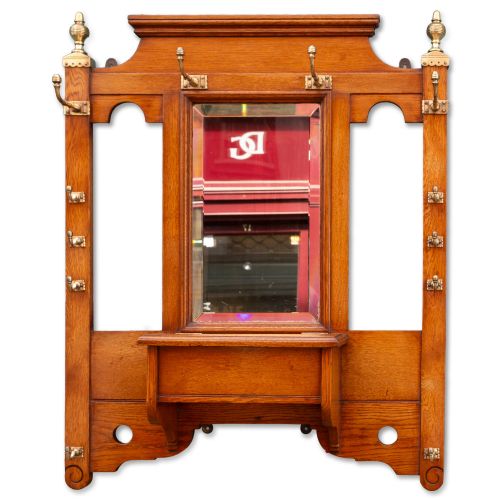
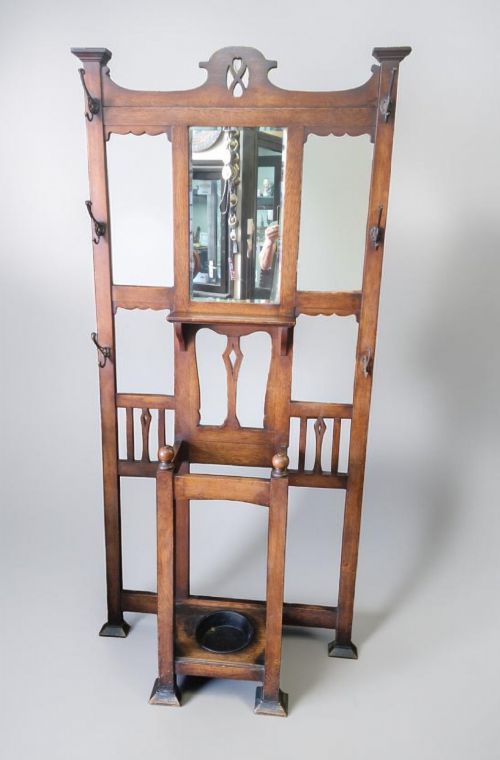
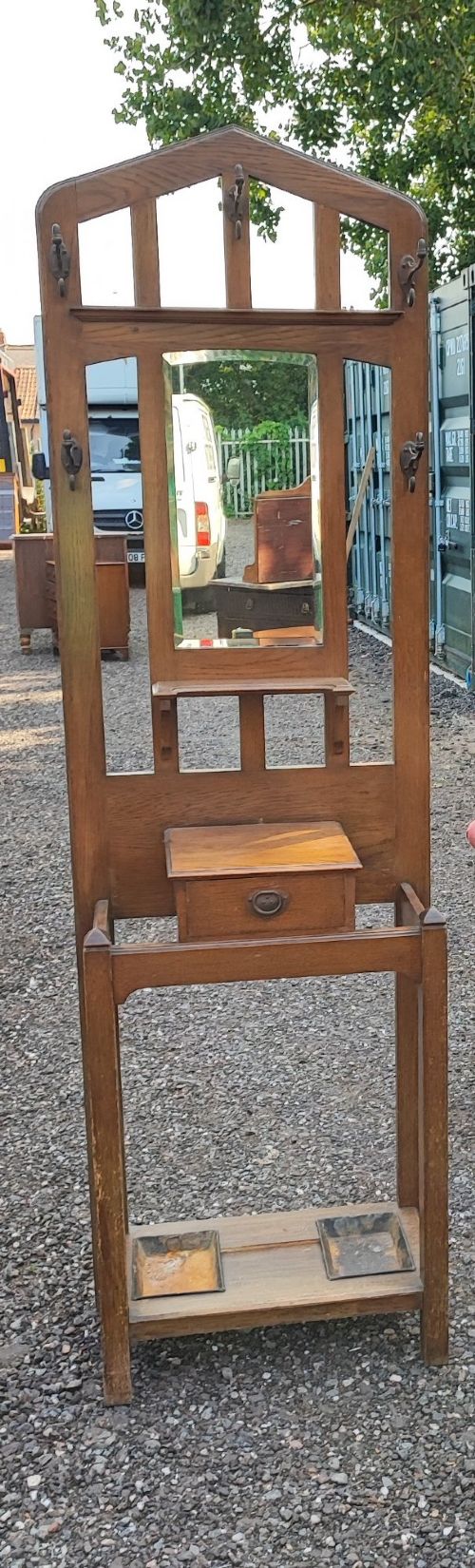
When you search for a vintage entry hall rack, you encounter multi-functional furniture designed for hallways from the Victorian, Edwardian, and Art Deco periods. These pieces combine mirrors, coat hooks, hat shelves, and umbrella stands into a single freestanding or wall-mounted unit.
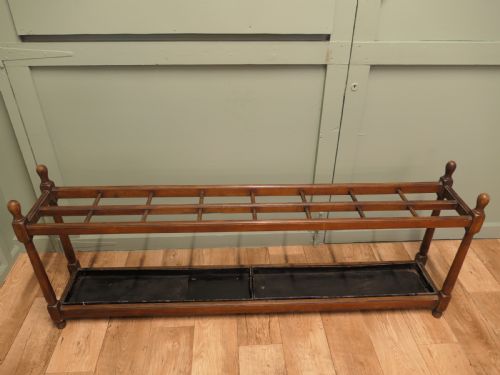
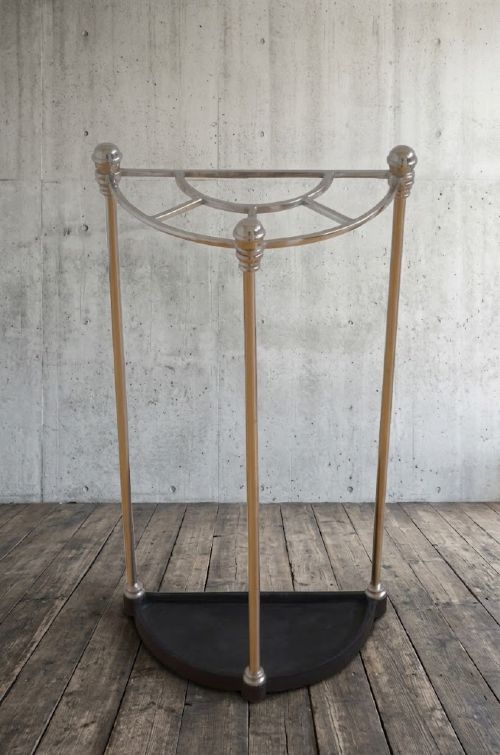
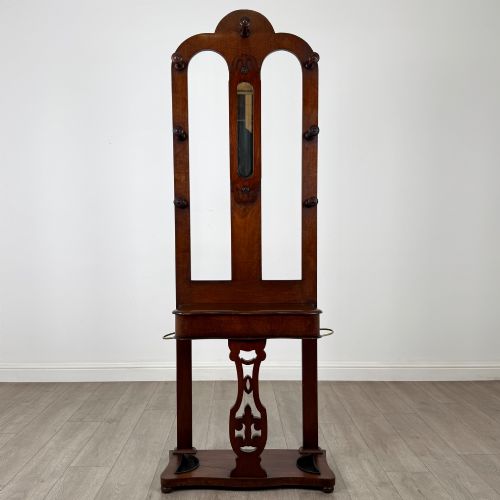
You are most likely to meet solid oak hallstands from the early twentieth century or substantial mahogany and walnut examples from the Victorian era. Simpler forms include wall-mounted brass and nickel-plated coat racks alongside cast iron and bamboo stick stands.
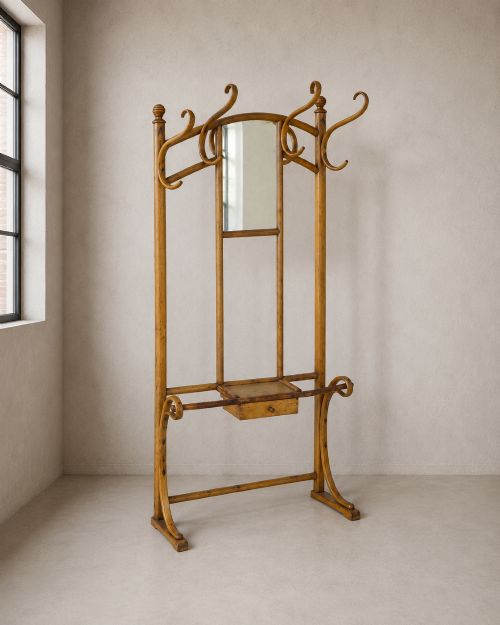
The selection ranges from elaborate carved oak pieces with lift-up lids and marble inserts to streamlined bentwood designs and industrial iron frames. Each piece serves the traditional purpose of organising outerwear and walking gear near the front door.
How they were made
Cabinetmakers utilised hardwoods such as oak, mahogany, walnut, and pitch pine, often shaping them through carving, turning, and steam-bending. Bentwood techniques created lightweight curved frames, while heavy furniture relied on mortise and tenon joinery for stability.
Metal components involved cast iron, brass, wrought iron, and nickel plating, frequently paired with mirrored glass plates and ceramic or brass drip pans. These diverse materials were assembled to withstand daily use in busy entrance halls.
Vintage Entry Hall Rack Retail Price Guide 2026
Typical asking prices for vintage entry hall rack among the pieces listed under this phrase on Sellingantiques today, from the lower quarter to the upper quarter. They describe what is for sale here now, not the wider market.
Some pieces feature lift-up lids hiding secret compartments for damp gloves.
What varies in quality
The distinction between ordinary and superior pieces rests on the choice of timber and the ambition of the construction. Dense golden oak, figured mahogany, and intricate carved detailing separate substantial country house furniture from simpler utility pieces.
Integrity of the original elements defines the standing of a hall rack. The presence of matching drip trays, original mirror plates, intact brass hooks, and uncompromised structural frames determines how closely a piece retains its original character.
Thonet·Coalbrookdale·Astrola
The Vintage Entry Hall Rack Glossary
- Bentwood
- Wood softened by steam and bent into curved shapes. This technique produced lightweight yet resilient frames for hats and coats.
- Demi-lune
- Half-moon shape. Hall tables and umbrella stands often used this curved profile to fit flush against entrance walls.
- Portmanteau
- A combined piece of hall furniture incorporating a mirror, coat hooks, and umbrella storage. These large units served as the central storage hub in Victorian hallways.
- Stick stand
- A receptacle designed specifically for walking sticks and umbrellas. They frequently incorporated metal drip pans at the base to catch rainwater.
Vintage Entry Hall Rack: Frequently Asked Questions
How do I choose the right size hall rack?
Measure your hallway width and ceiling height carefully before selecting a piece. Freestanding hallstands require adequate floor space and clearance for coats, whereas wall-mounted racks suit narrower corridors.
Consider whether you need lower umbrella wells or simple hat hooks. Matching the proportions to your entrance space ensures the furniture remains functional rather than obstructive.
Were these racks meant for small hallways?
Most substantial hallstands were designed for generous Victorian and Edwardian entrance halls, acting as grand architectural statements. However, compact wall-mounted racks and narrow bamboo stands catered to more modest townhouses.
Freestanding umbrella stands and slim stick holders provided practical solutions where floor space was strictly limited. Selecting the right format depends entirely on the scale of your own entryway.
How do I care for wooden hall furniture?
Dust the timber regularly with a dry cloth and apply occasional wax to nourish the antique polish. Avoid placing wooden hall furniture near direct heat sources that might dry out the wood.
Check metal drip pans periodically and empty accumulated moisture to protect the surrounding timber base. Gentle maintenance preserves the natural patina developed over decades of daily use.
How can I tell the period of a hall stand?
Examine the timber selection, decorative motifs, and hardware construction to identify the era. Victorian pieces often feature heavy carved oak, walnut, or cast iron, while Edwardian examples show lighter oak and arts and crafts influences.
Art Deco and 1920s pieces introduce nickel plating, geometric wrought iron, and bentwood frames. Mirror bevels and screw types also offer reliable clues to manufacturing dates.