

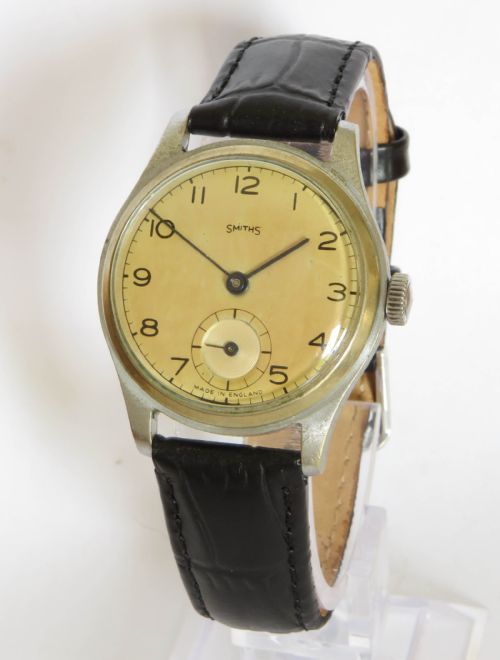

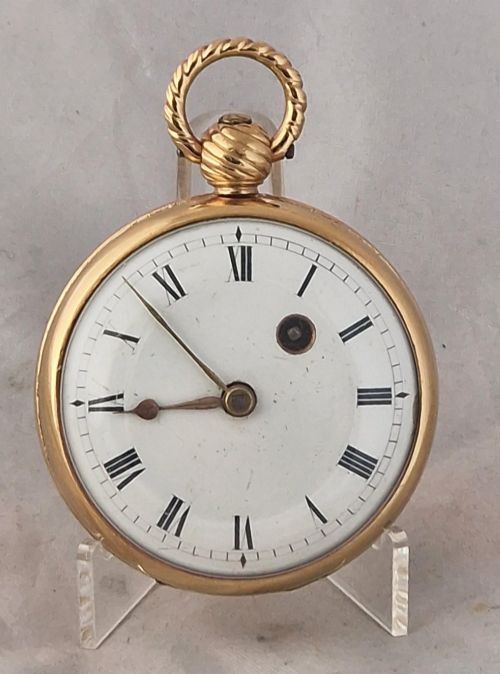
Vintage English Watch
A vintage English watch carries the weight of British horological history, offering a reliable daily timepiece or pocket companion rooted in centuries of craftsmanship.
Vintage English Watch
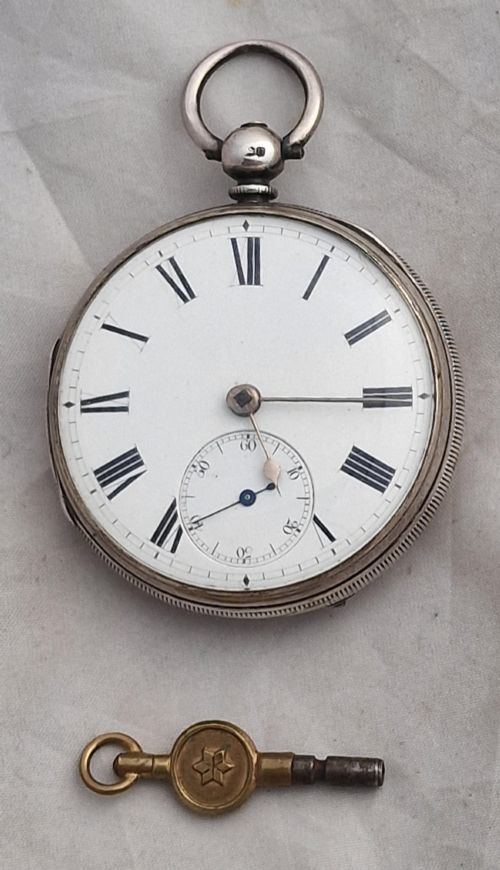
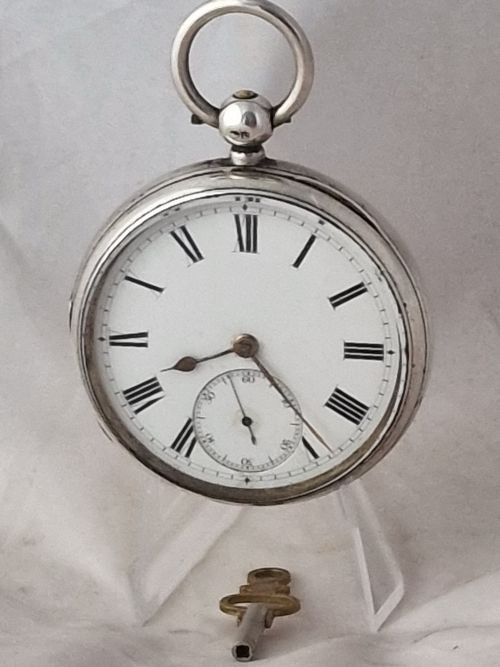
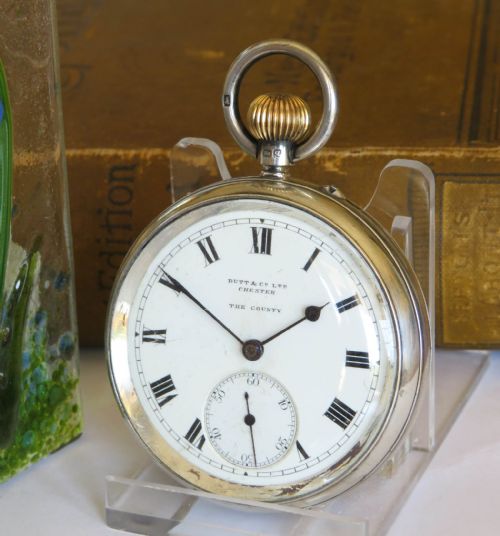
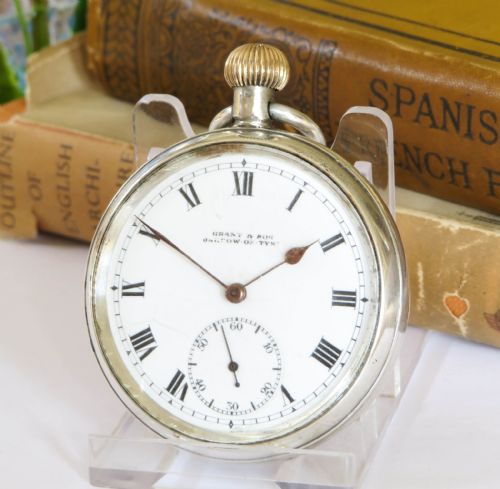
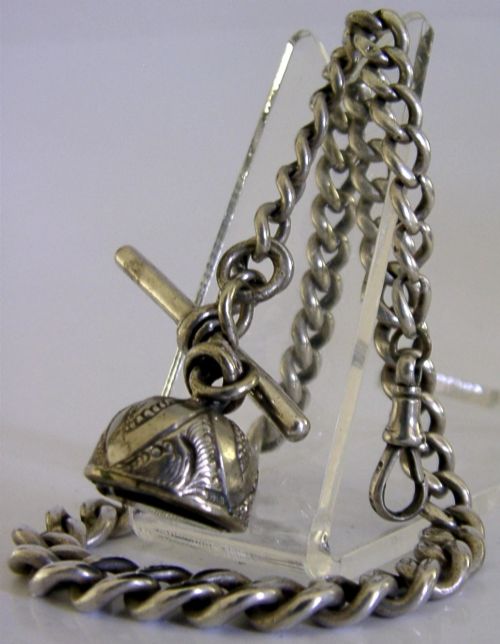
A vintage English watch encompasses diverse horological forms, from nineteenth-century fusee pocket watches to mid-century wristwatches and double watch chains. Buyers searching for a vintage English watch encounter everything from early mechanical pocket movements to military-issued timepieces and associated accessories.
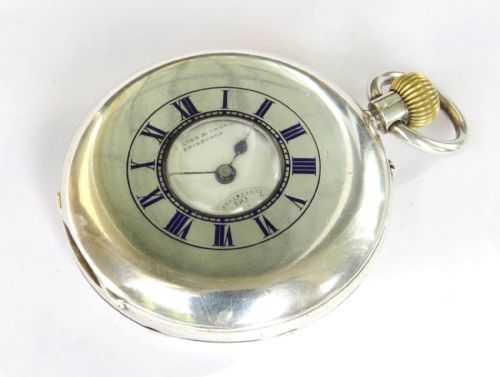
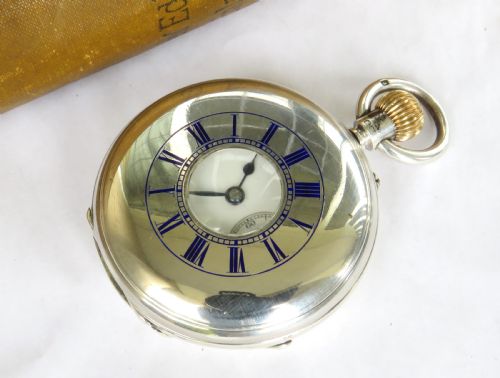
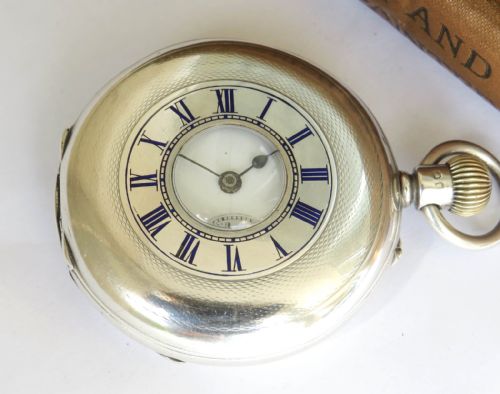
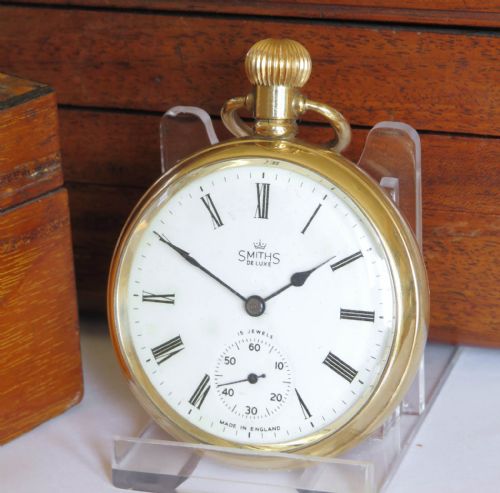
Pocket watches dominate the earlier periods, featuring silver hunter and half hunter cases alongside robust fusee mechanisms. Wristwatches emerge strongly in the mid-century selections, representing the domestic output of firms like Smiths during the nineteen-forties and nineteen-fifties.
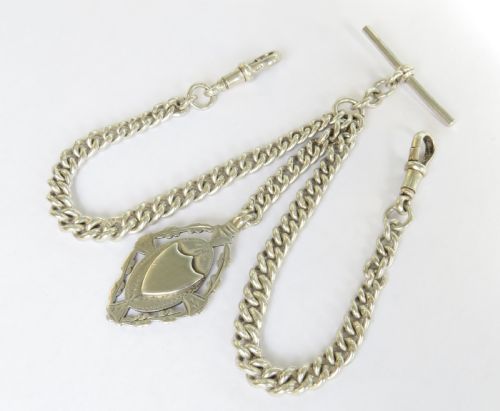
The material evidence spans solid sterling silver, nine-carat gold, brass, glass and enamel dials. Associated items such as silver watch chains, seal fobs, mahogany night watch holders and display domes also appear alongside the core horological pieces.
Materials and Construction
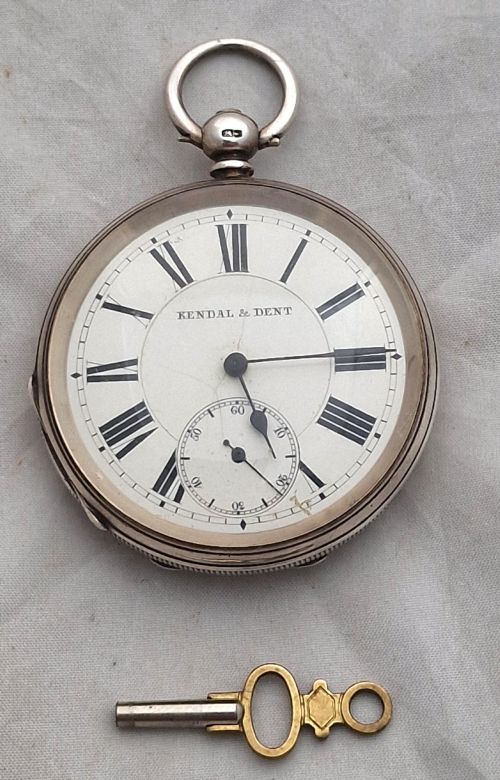
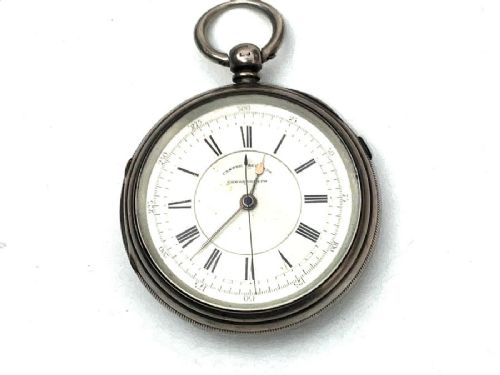
Cases utilise solid sterling silver, nine-carat gold, brass and steel, frequently bearing British hallmarks that confirm assay offices and production dates. Dials incorporate white enamel with contrasting Roman or Arabic numerals, protected by fitted glass crystals.
Internal movements rely on traditional mechanical construction, utilising fusee chain drives in earlier examples and jewelled lever escapements in later wristwatches. Makers housed these mechanisms in heavy hunter or open-face metal cases designed for daily durability.
Several pieces include fitted mahogany night watch holders, allowing eighteenth and nineteenth-century owners to read the time securely from their beds.
Evaluating Quality and Execution
Quality separates through the sophistication of the movement and the crispness of the case execution, where signed dial work and hallmarked precious metals indicate superior workshop standards. Finer examples display meticulous hand-finishing on internal plates and precise engraving on silver or gold outer cases.
The integrity of the enamel dial and the original matching hands contribute significantly to the standing of a piece. Maker reputation, such as signed movements by established provincial or London watchmakers, further distinguishes the tier of the item.
Hamilton and Inches·Kendal and Dent·JW Benson·Smiths·Ross of London
The Vintage English Watch Glossary
- Fusee
- An antique mechanical movement featuring a cone-shaped pulley designed to maintain even tension as the mainspring unwinds. This mechanism ensures more consistent timekeeping in older pocket watches.
- Hunter
- A pocket watch case fitted with a spring-loaded metal cover that protects the glass dial from damage. Half hunter variants feature a small glass aperture in the centre of the lid to read the hands directly.
- Verge
- An early escapement type used in antique pocket watches, characterised by a crown wheel and a vertical axis with pallets. It represents traditional horological construction found in Georgian and early nineteenth-century pieces.
- Hallmark
- An official stamp applied by a British assay office indicating the metal purity, place of origin and year of manufacture. These marks provide definitive evidence for dating silver and gold cases.
- Albertt
- A traditional chain attached to a pocket watch, designed to secure the timepiece to a waistcoat or belt. They often include attached seal fobs or silver drops.
Vintage English Watch: Frequently Asked Questions
How do I wind a mechanical pocket watch?
Mechanical pocket watches require gentle turning of the crown or a dedicated key until resistance is felt, avoiding over-winding to protect the internal mainspring.
Modern daily use benefits from consistent winding habits at approximately the same time each day to maintain steady operation.
What is the difference between a hunter and an open face?
Hunter pocket watches feature a protective metal cover over the glass dial, whereas open face variants leave the crystal exposed for immediate viewing.
Open face watches were typically worn mounted on watch chains in waistcoats, while hunters offered extra protection during outdoor pursuits.
Can I wear a vintage watch every day?
Many vintage timepieces handle daily wear provided they receive regular mechanical servicing by a qualified horologist and avoidance of moisture.
Early fusee movements and delicate enamel dials require more mindful handling than mid-century wristwatches due to their age and historical nature.
How do I date an English silver watch?
Dating relies primarily on the assay office hallmarks stamped inside the silver case, which correspond to specific letter codes and date years.
Stylistic elements like dial typography, case shape and movement architecture offer additional clues when hallmarks are rubbed or indistinct.