





Vintage English Hall Chairs
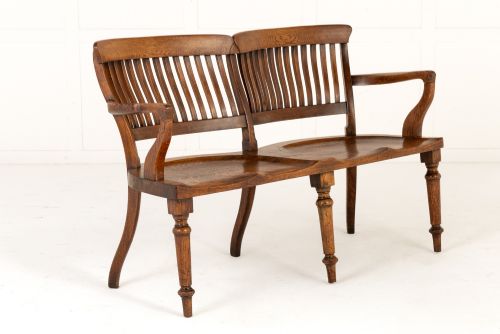
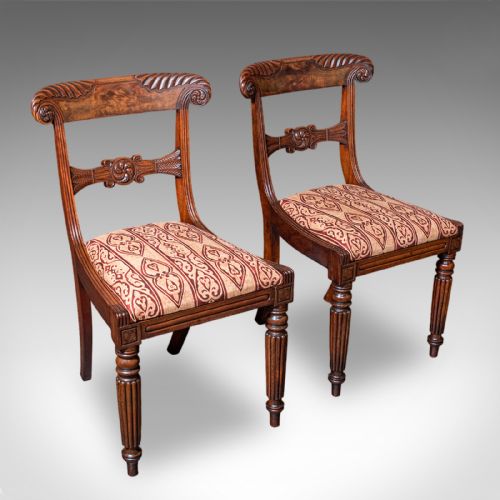
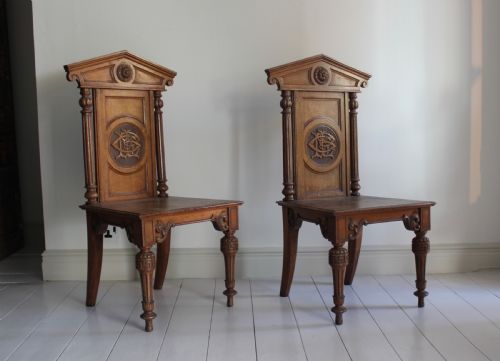
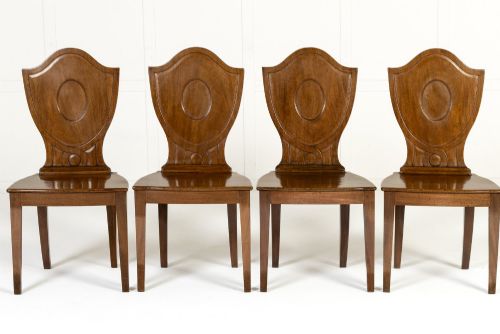
These vintage English hall chairs are sturdy timber seats designed for grand entryways, offering crisp carved detail and commanding presence.
Vintage English Hall Chairs
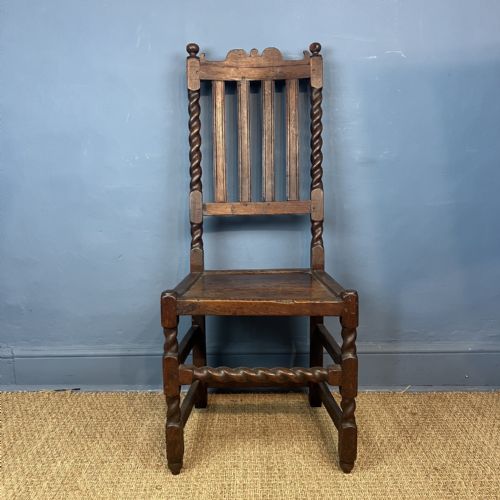
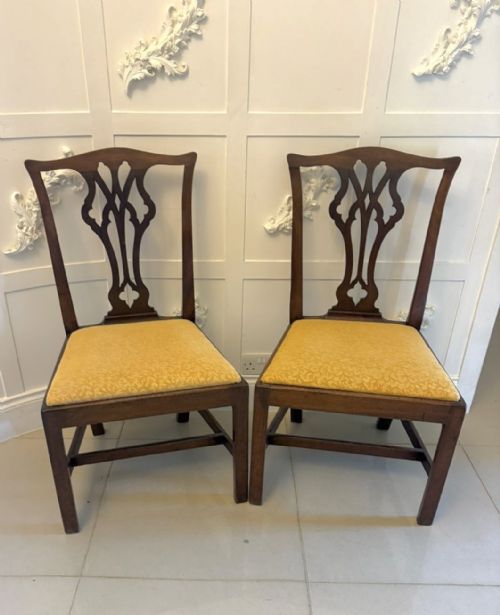
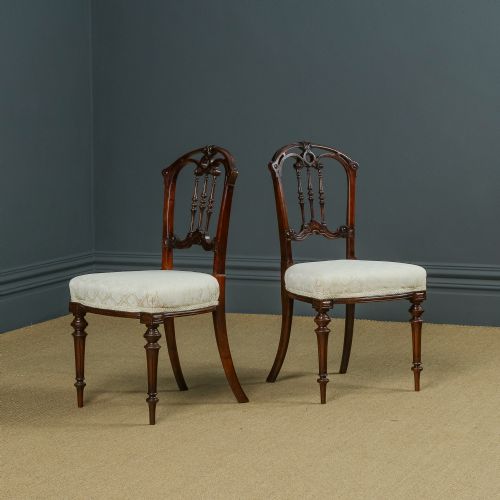
The selection on this page stretches from seventeenth-century carved oak and bobbin-turned pieces to nineteenth-century Regency, Victorian, and Edwardian examples. Alongside formal hall chairs, the inventory includes related side chair forms and occasional seating such as monks benches and gossip chairs.
How they were made
Cabinetmakers utilised solid native hardwoods, shaping oak, elm, walnut, and mahogany into sturdy frames built to withstand heavy daily use in busy reception areas. Joinery relied on traditional pegged or glued joints, often enhanced by elaborate turning or hand carving.
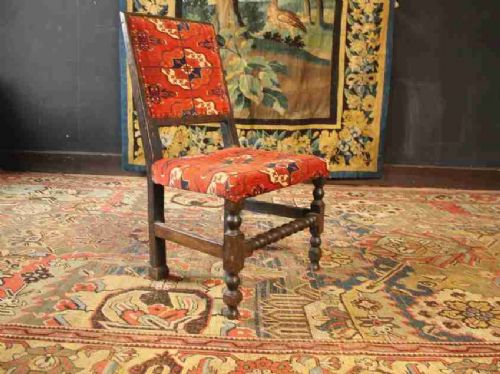
Many examples incorporate upholstery elements, ranging from textile and fabric panels to tapestry, needlepoint, and specialised coverings like Mouseman leather or woven seating. Surface finishes depended on the period, with polish and wax applied to accentuate the natural grain of the timber.
Vintage English Hall Chairs Retail Price Guide 2026
Typical asking prices for vintage english hall chairs among the pieces listed under this phrase on Sellingantiques today, from the lower quarter to the upper quarter. They describe what is for sale here now, not the wider market.
Listings span periods from the 17th century through the Edwardian era, utilising oak, mahogany, walnut, elm, and beech.
What varies in quality
The standard of a hall chair rests upon the crispness of its hand carving and the integrity of its timber frame. Superior pieces display thoughtful proportions, robust joinery, and well-figured wood grain that has aged gracefully over generations.
Subtleties in regional turning, the depth of relief work in carved oak panels, and the retention of original upholstery textiles distinguish finer examples from more utilitarian workshop output.
Mouseman
The Vintage English Hall Chairs Glossary
- Bobbin turned
- Timber turned on a lathe to resemble a string of beads or bobbins. This decorative turning method appears frequently on seventeenth-century framework.
- Needlepoint
- Canvas work embroidery stitched by hand using wool or silk yarn. It provides durable and colourful decorative panels for seat backs and inserts.
- Monks bench
- A convertible wooden seating form featuring a hinged back that folds down over the arms to create a small table. These multifunctional pieces served practical purposes in hallways and parlours.
- Side chair
- An upright chair without arms designed for dining or placement against a wall. They form a significant portion of the seating found in period hallways.
Vintage English Hall Chairs: Frequently Asked Questions
What is a hall chair?
A hall chair is a rigid wooden seat designed primarily for display and brief sitting in an entrance hall or reception room rather than for long periods of lounging. These chairs often feature solid timber backs carved with family crests or decorative motifs.
They stood against hallway walls to greet visitors and demonstrate the household's taste before guests entered the main reception rooms.
How old are these chairs?
The pieces span multiple centuries, ranging from seventeenth-century joined oak examples to nineteenth-century Victorian and Edwardian revivals. Each era brought distinct carving styles and wood preferences to the workshop.
Examining the construction methods, tool marks, and timber shrinkage helps determine the approximate age of an individual chair.
Where should I place one?
These chairs suit entrance halls, landings, bedrooms, and reception rooms where their upright profiles and decorative backs provide an architectural accent. Their narrow footprints make them practical for tight spaces.
Pairing a single hall chair with a small table creates a functional focal point in an otherwise empty corridor.
How do I care for wooden chairs?
Maintain antique timber by keeping it away from direct heat sources and sudden humidity changes that can cause wood to crack. Regular dusting with a soft cloth preserves the surface polish.
Applying a light coat of natural wax periodically feeds the wood and protects the vintage finish without building up heavy residue.