


Vintage English Art Pottery
Vintage English art pottery brings together sculptural earthenware and rich glazes from the Victorian, Edwardian, and Art Deco periods.
Vintage English Art Pottery
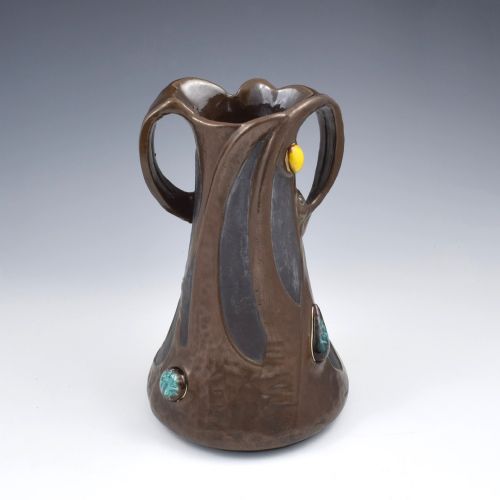
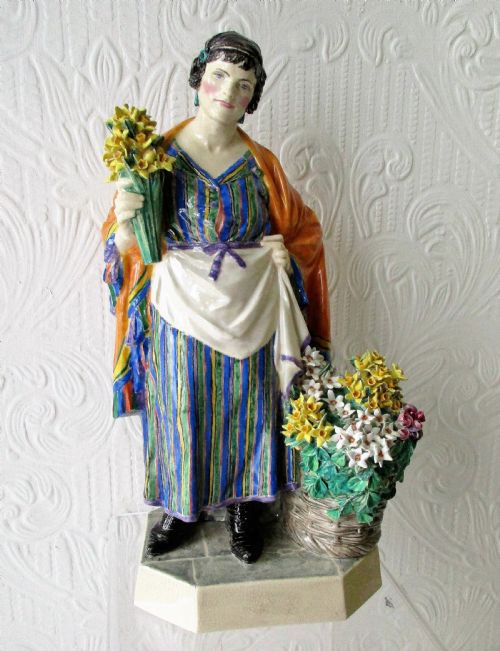
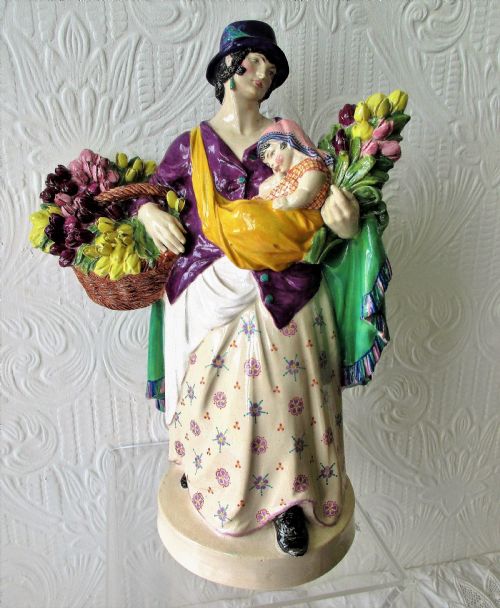
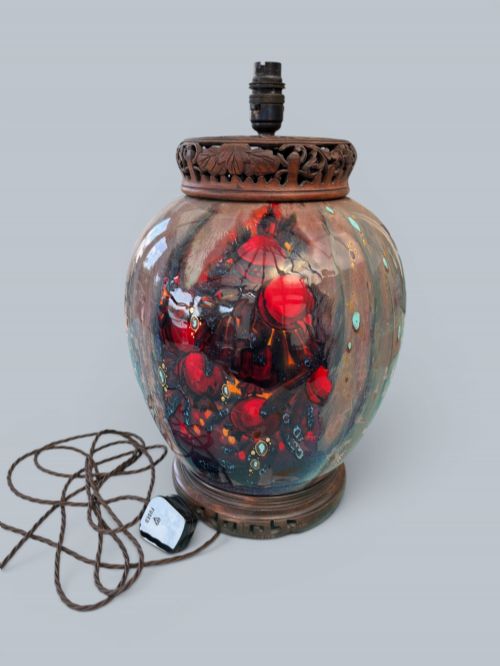
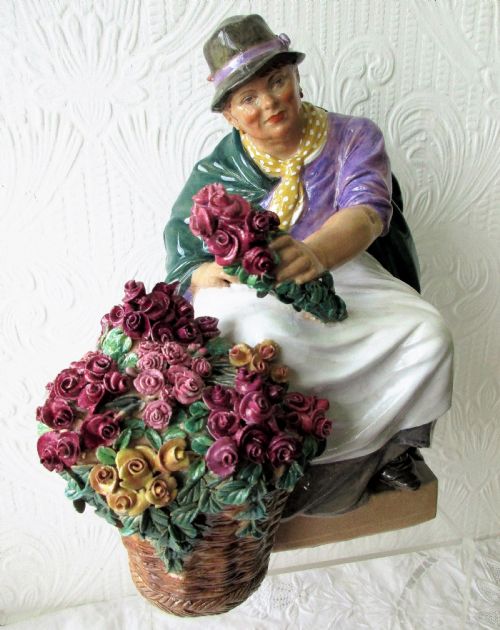
Vintage English art pottery encompasses vases, bowls, figurines, and table lamps created across the late nineteenth and early twentieth centuries. These works span distinct decorative movements, including Victorian Arts and Crafts, Art Nouveau, and Art Deco.
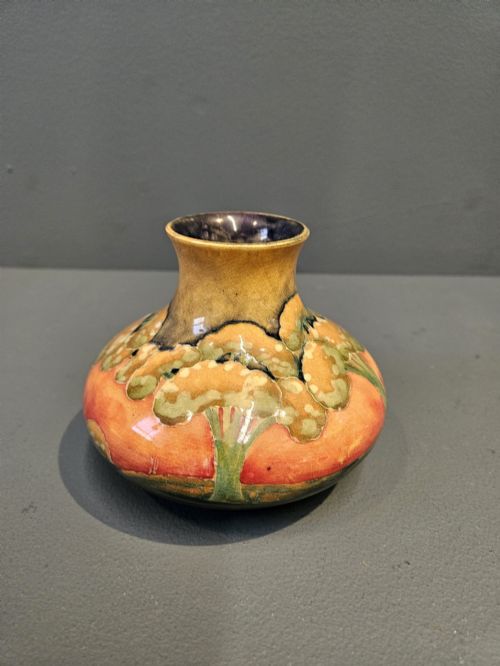
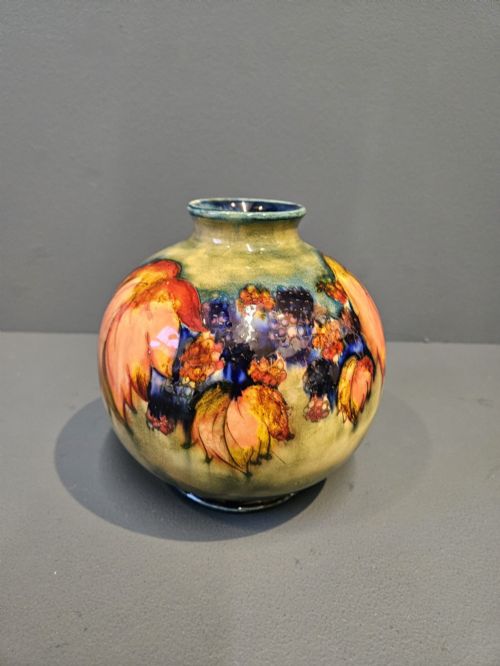
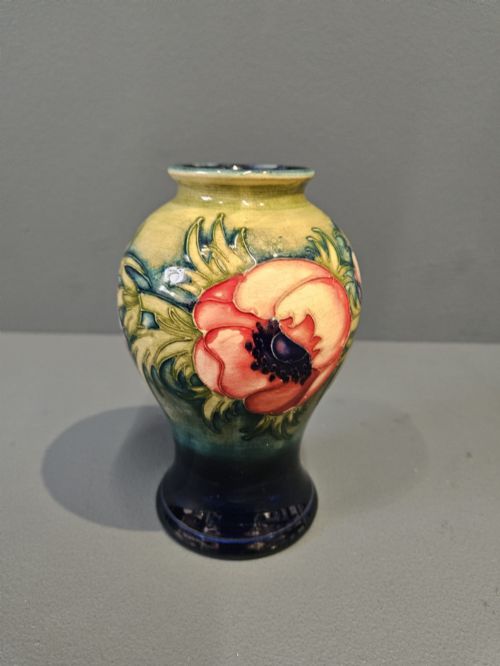
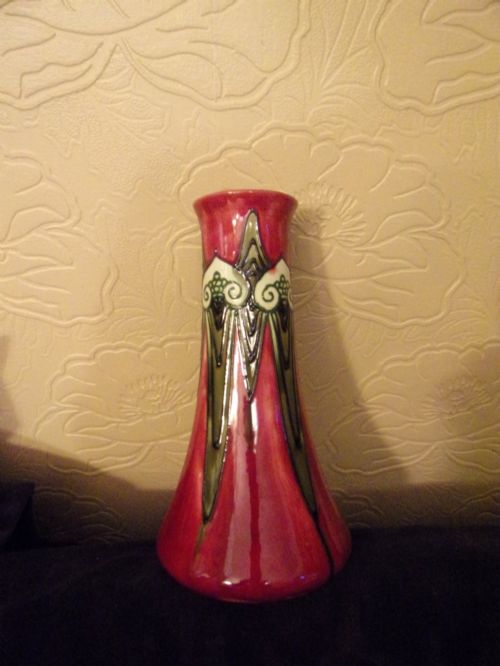
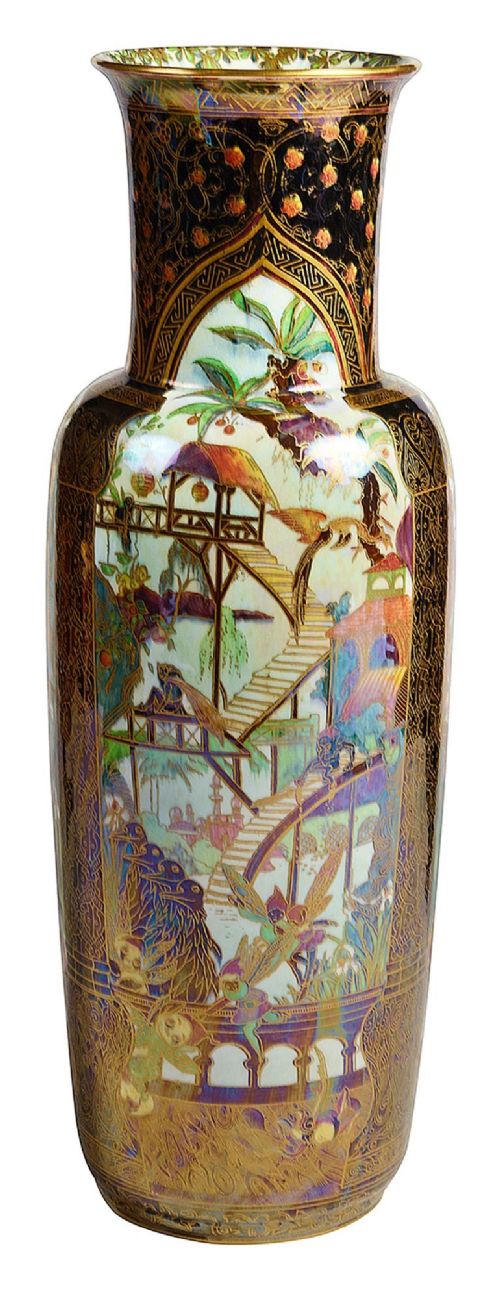
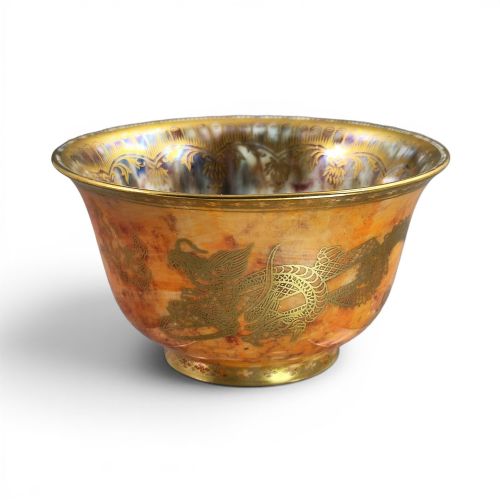
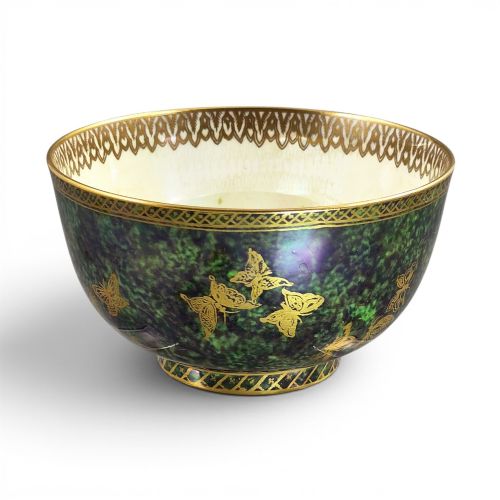
The selections available lean heavily toward the early decades of the twentieth century, featuring vibrant lustreware bowls and tubelined earthenware chargers. Pieces range from large decorative showpieces to delicate porcelain tableware.
How they were made
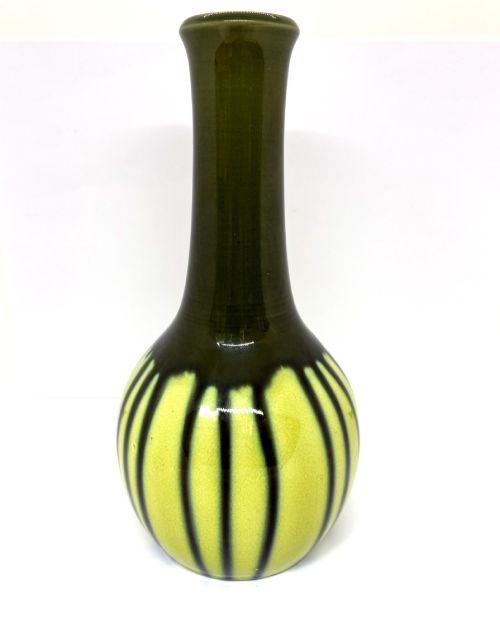
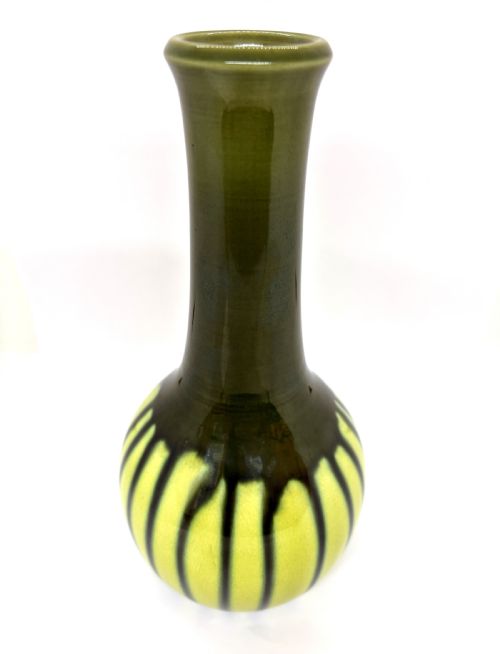
Makers utilised earthenware, stoneware, and porcelain bodies, shaping them into vases, jugs, and figurines. Glazing techniques defined the aesthetic, ranging from metallic lustre finishes to rich slipware and drip glazes.
Decoration often involved intricate hand-painting, gold leaf accents, and raised tubelined outlines that gave patterns a distinct tactile relief.
Vintage English Art Pottery Retail Price Guide 2026
Typical asking prices for vintage english art pottery among the pieces listed under this phrase on Sellingantiques today, from the lower quarter to the upper quarter. They describe what is for sale here now, not the wider market.
Listings feature earthenware, stoneware, and porcelain forms spanning the Victorian, Edwardian, and Art Deco eras.
What varies in quality
Quality rests in the precision of the hand-applied decoration and the depth of the glaze, particularly in complex lustre and tubelined designs. Works bearing specific designer signatures or studio attribution command closer attention.
The crispness of moulded details and the balance of form separate standard production pieces from exceptional exhibition works.
Moorcroft·Wedgwood·Royal Doulton·Clarice Cliff·Charles Vyse
The Vintage English Art Pottery Glossary
- Tubelined
- A decorative technique where liquid clay is squeezed through a nozzle onto the ceramic surface to create raised outlines for enamel colours.
- Lustreware
- Pottery finished with a metallic glaze that produces an iridescent sheen when caught by the light.
- Slipware
- Earthenware decorated with a liquid clay mixture poured or trailed onto the body before firing.
- Faience
- A term used historically for tin-glazed earthenware, often applied to decorative Victorian art pottery.
Vintage English Art Pottery: Frequently Asked Questions
What defines vintage English art pottery?
These pieces are decorative and functional ceramics produced in Britain from the Victorian era through the Art Deco period. They reflect changing tastes from organic Art Nouveau motifs to geometric modernist designs.
Potters focused on artistic expression rather than mass production, employing skilled decorators and experimental glaze recipes.
How do I identify different periods?
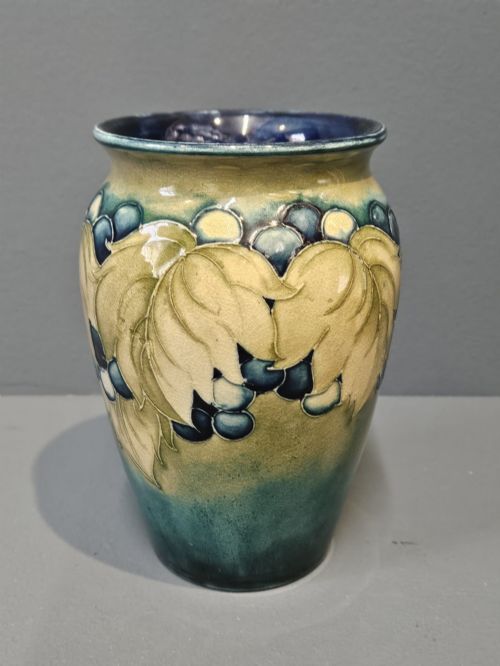
Victorian and Edwardian pieces often feature heavy floral relief, Arts and Crafts motifs, or rich cobalt blues and greens. Art Deco items show cleaner geometric lines, bolder palettes, and stylised patterns.
Checking base stamps, painted monograms, and registration numbers helps narrow down the production decade.
Where were these ceramics made?
Production centred around traditional ceramic hubs like Stoke-on-Trent, alongside notable regional potteries in London, Dorset, and the West Country. Each region brought distinct local clays and regional decorating traditions to the finished works.
Studio potters also worked independently, creating limited runs of hand-thrown figurines and vases.
How should I display lustreware?
Lustre glazes thrive in well-lit spaces where natural light can catch the iridescent metallic sheen on the surface. Placing bowls and vases away from direct, harsh sunlight preserves the delicate surface colours.
Keep pieces on stable surfaces where their vibrant glazes become a focal point in the room.