

Vintage English Art Picture
When you search for vintage english art picture, you uncover a broad selection of historic paintings, watercolours, and framed prints.
Vintage English Art Picture
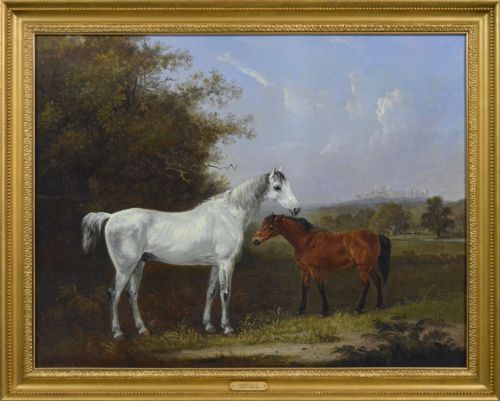
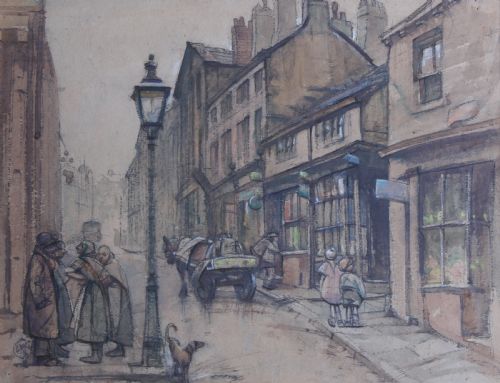
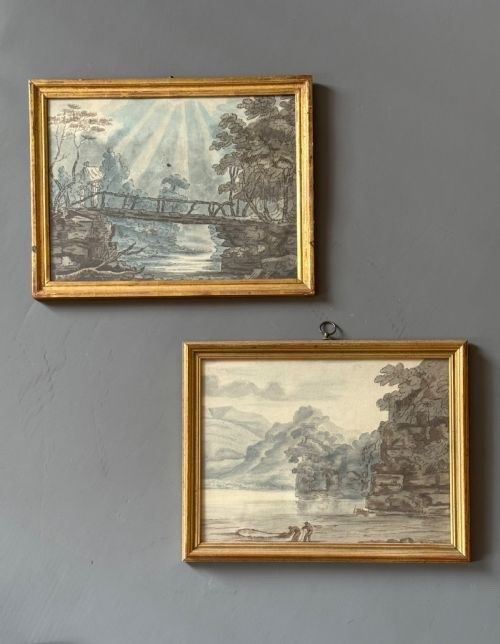
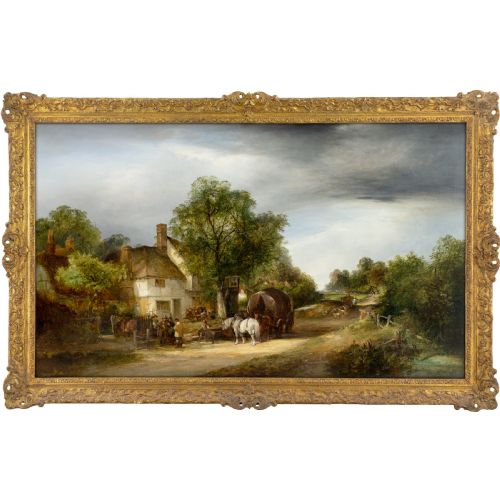
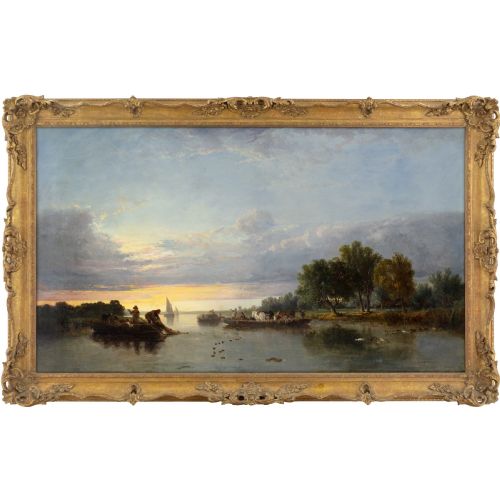
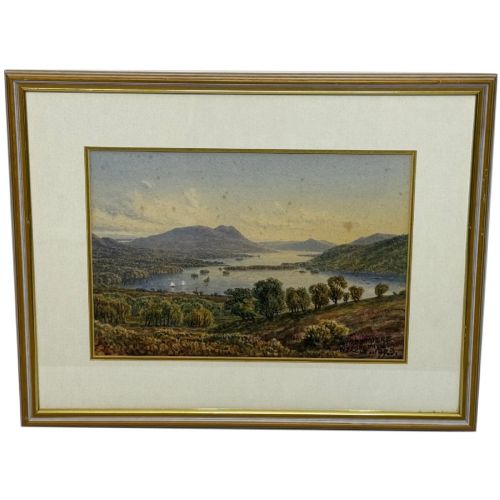
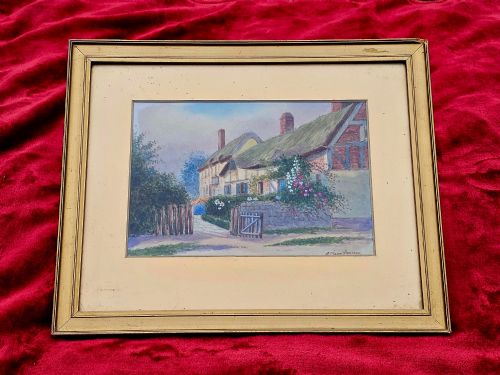
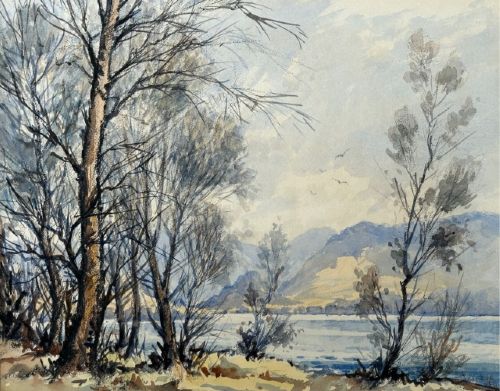
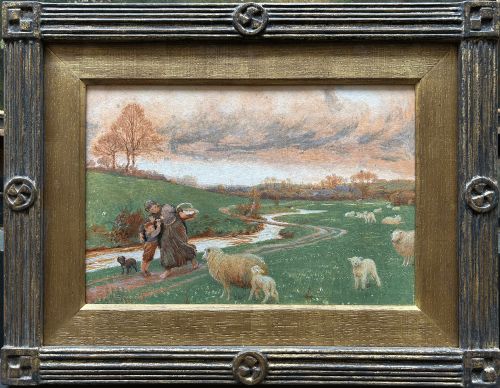
A vintage english art picture encompasses diverse wall art, paintings, oil paintings, and watercolour paintings originating from British creators and schools.
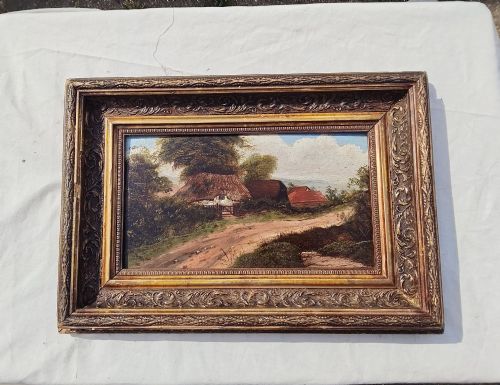
The selection ranges from Victorian and Edwardian landscapes to mid-century modern works, capturing rural scenes, portraits, and maritime views.
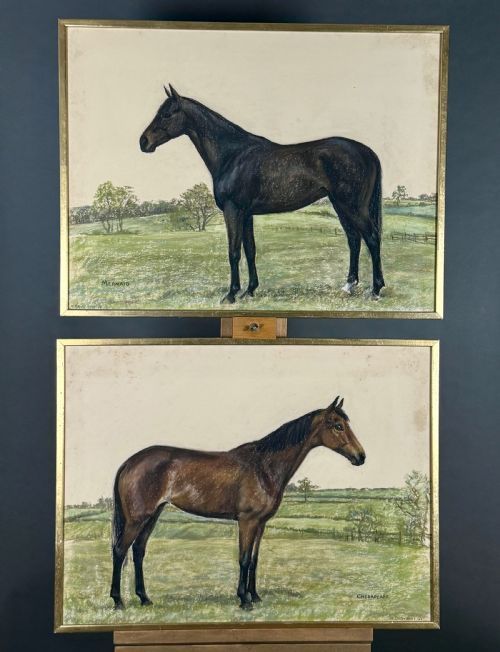
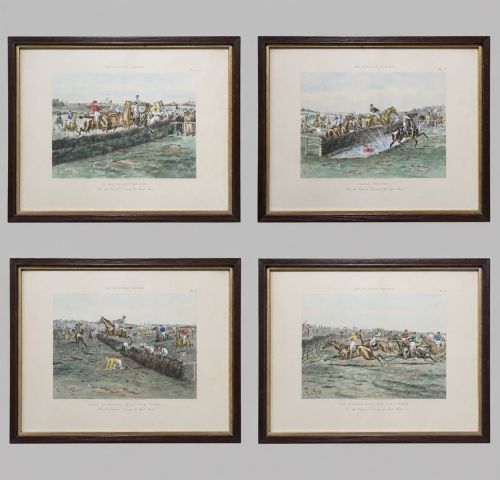
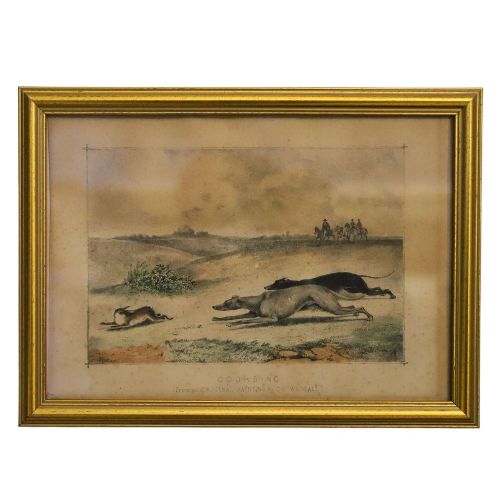
Buyers frequently encounter framed prints, botanical studies, and pastel drawings dating across the nineteenth and twentieth centuries.
Materials and technique
Artisans applied watercolour pigment, oil on canvas, oil on board, and charcoal pencil onto paper, wood panels, and card.
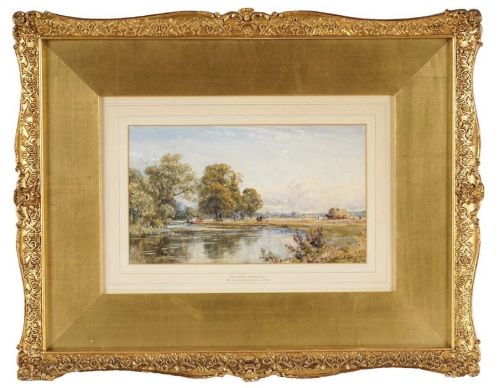
Framing often incorporates gilt wood and gold leaf, while related picture frames utilise sterling silver with engine-turned decoration.
Listings span the 19th Century, Victorian, Edwardian, and mid-century modern periods, utilising paper, wood, glass, and gold leaf.
Quality variations
Depth of composition and clarity of brushwork distinguish accomplished original paintings from standard reproduction prints.
The handling of light in oil and watercolour mediums creates the visual distinction found across different periods.
Herbert Dicksee·Alfred Young Nutt·Robert Leslie Howey·Charles Napier Hemy·Arthur Wardle
The Vintage English Art Picture Glossary
- Watercolour
- A painting method where the paints are made of pigments suspended in a water-based solution. It appears frequently on paper supports.
- Oil on Canvas
- A traditional technique utilising pigments bound in a drying oil applied to woven fabric stretched across a frame.
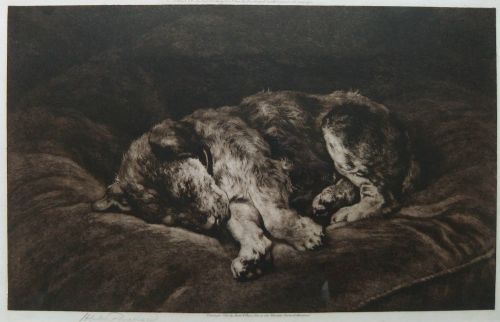
- Etching
- A printmaking process where lines are incised into a metal plate with acid before ink is applied for transfer.
- Gilt Wood
- Timber surface treated with gold leaf or gold paint to provide a decorative metallic finish on frames.
Vintage English Art Picture: Frequently Asked Questions
How do I date an antique painting?
Examine the materials, stretcher types, and artist signatures recorded in the listing details. Pigment analysis and framing styles also offer clues to the period.
Compare the technique against known works from specific schools such as the Victorian or Edwardian eras to narrow down the decade of creation.
Where should I hang these artworks?
Historic paintings and watercolours suit traditional interiors, studies, and hallways where lighting can be carefully managed. Keep them away from direct sunlight to protect the paper and pigments.
Pairing framed artwork with complementary silver picture frames creates a cohesive display on panelled or neutral walls.
What is the difference between an etching and a watercolour?
An etching is a printed multiple produced from an incised metal plate, showing fine linear detail. A watercolour is a unique painted composition on paper.
Both mediums offer distinct aesthetic qualities suited to different collecting preferences.
How do I care for antique paper art?
Protect watercolours and drawings behind glass with acid-free mounts to prevent environmental degradation. Maintain stable humidity levels in the room.
Avoid hanging works where temperature fluctuations occur frequently throughout the year.