

Vintage Enamel Watch
A vintage enamel watch brings together decorative dial work and mechanical timekeeping from the late nineteenth century to the mid-twentieth century.
Vintage Enamel Watch
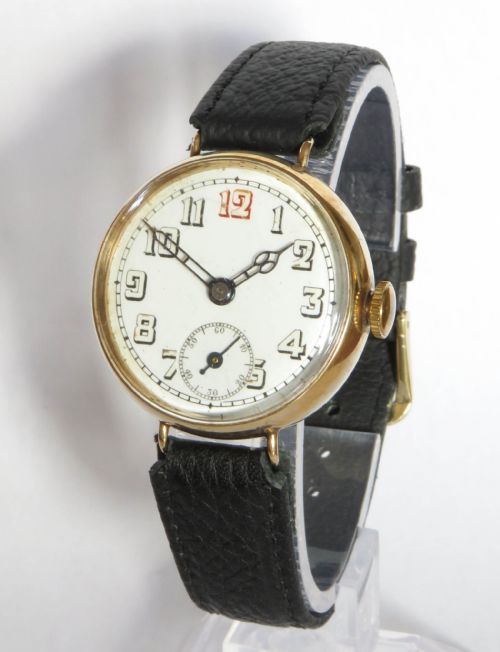
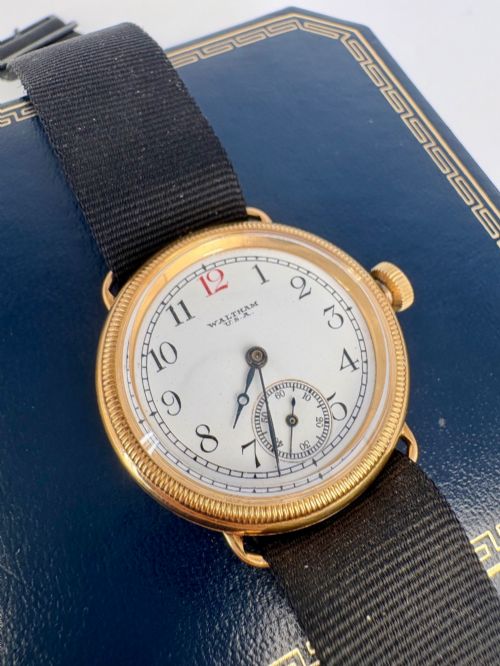
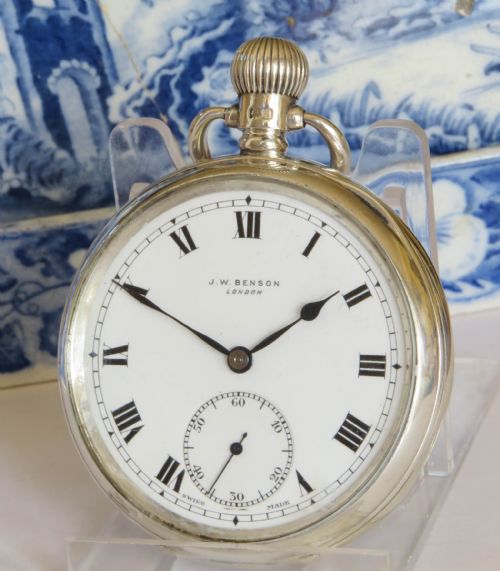
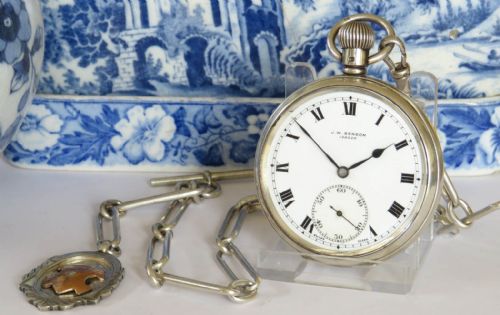
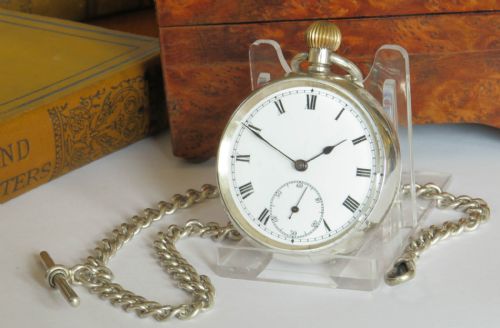
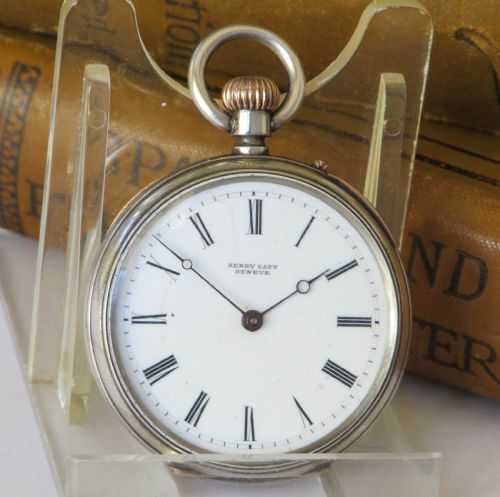
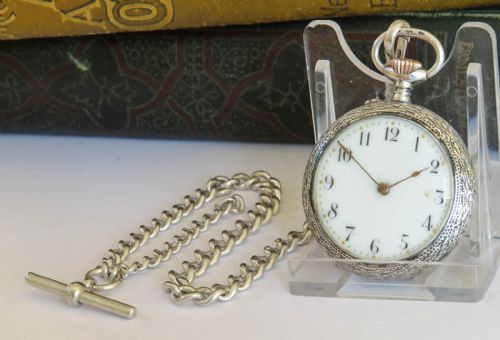
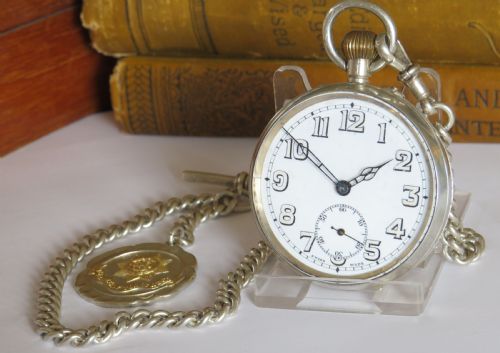
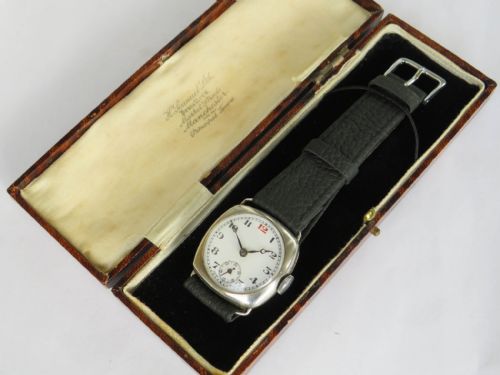
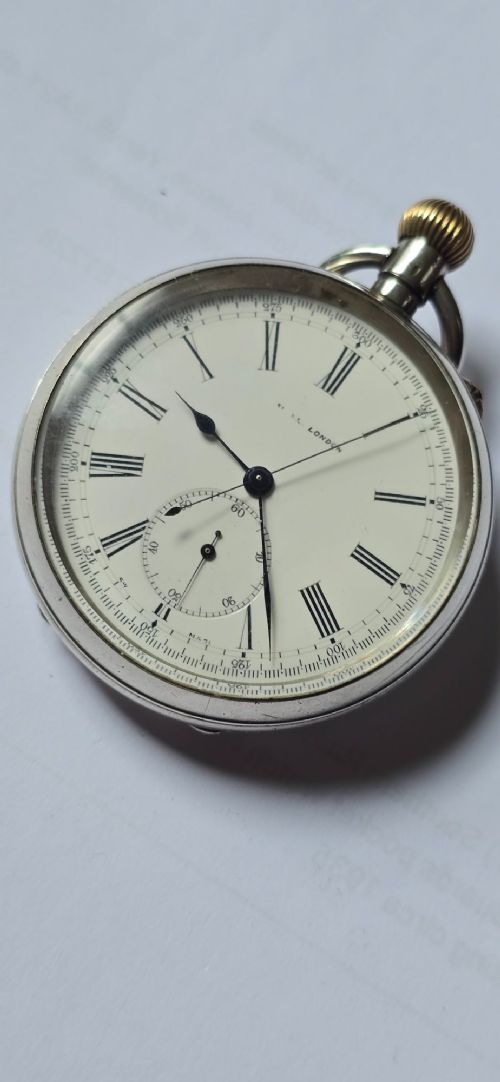
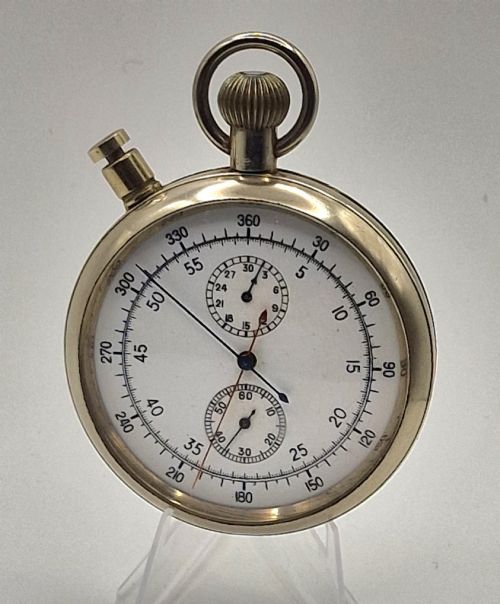
A vintage enamel watch encompasses pocket watches, half hunters, wristwatches, and stopwatches produced across the Victorian, Edwardian, Art Deco, and mid-century periods. The most frequent encounters on this page are silver pocket watches and half hunters from Swiss and English makers dating between the 1890s and the 1930s.
The selection ranges from railway and military issue timepieces to decorative fob watches with chains. Regional production centres such as Coventry, London, Paris, and various Swiss towns supply the core of these listings.
Materials and Construction
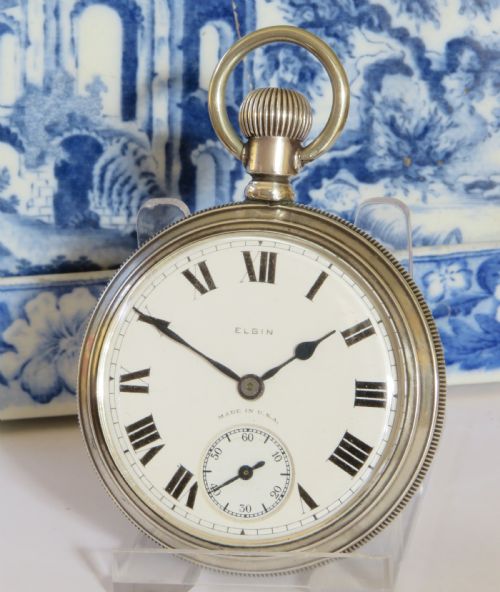
Cases utilise sterling silver, gold plate, gunmetal, steel, and brass, often paired with glass crystals protecting fragile dials. Enamel serves as the primary medium for the watch faces, applied to metal bases and fired to create crisp chapter rings and minute tracks.
Movements rely on mechanical gear trains driven by mainsprings, housed within metal cases that frequently incorporate hinged dust covers. Fusee movements, lever escapements, and chronograph mechanisms dictate the internal architecture of the better pieces.
Vintage Enamel Watch Retail Price Guide 2026
Typical asking prices for vintage enamel watch among the pieces listed under this phrase on Sellingantiques today, from the lower quarter to the upper quarter. They describe what is for sale here now, not the wider market.
The listings span the Victorian, Edwardian, Art Deco, and mid-century eras, utilising silver, gold plate, brass, and steel.
Distinctions in Standard
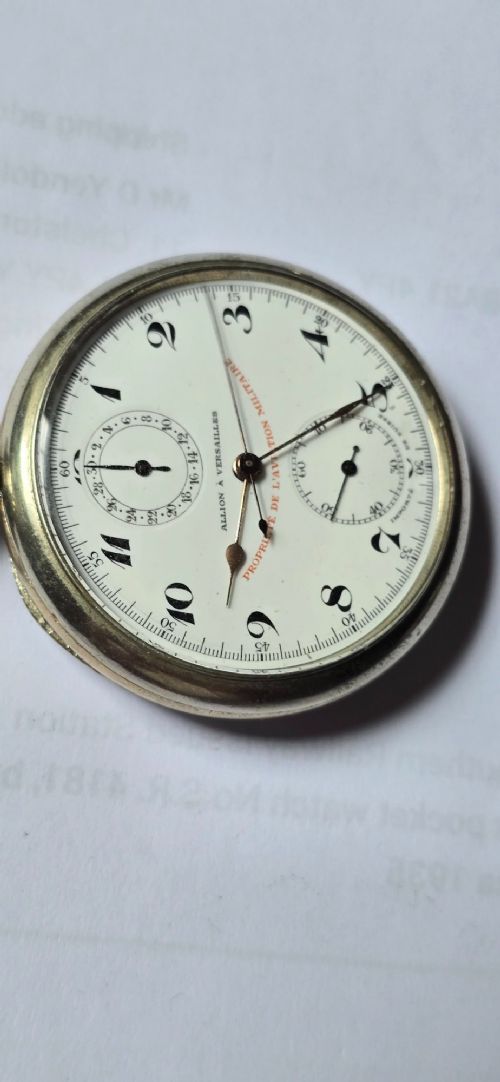
The degree of preservation on the enamel dial separates standard examples from superior ones, as hairline cracks or chips alter the visual harmony. Precision of the movement and complexity of the complication, such as split-seconds chronographs or calendar moonface displays, elevate individual pieces.
The provenance and casing material contribute substantially to the standing of a watch, with solid sterling silver and gold plating outlasting base metals. Hallmarks, maker signatures, and military or railway association inscriptions provide documentary evidence of original purpose.
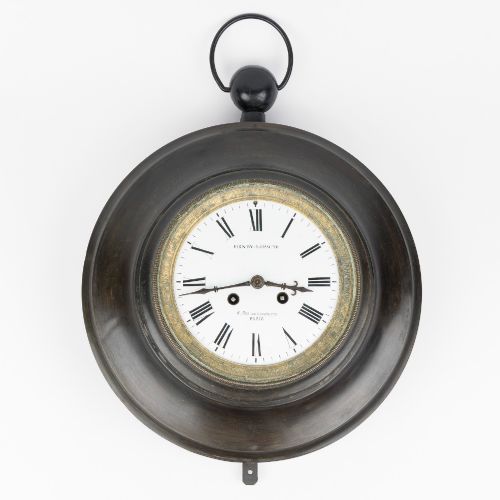
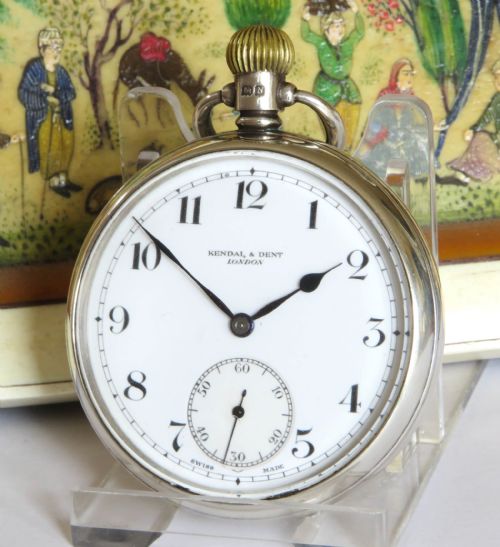
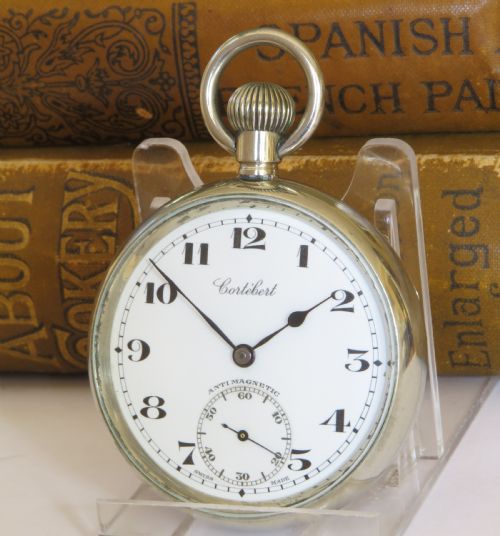
Henry-Lepaute·Tavannes·Henry Capt·Elgin·Waltham·Cortebert·Kendal & Dent·Omega·Allion·Bickley·Limit Revue·Octava·Lange & Sohne·Minerva·Longines·Stauffer
The Vintage Enamel Watch Glossary
- Half hunter
- A pocket watch case featuring a closed metal outer cover with a glass centre window, allowing the time to be read without opening the case.
- Fusee
- A conical pulley device inside older mechanical watches that equalises the declining power of the mainspring as it unwinds.
- Chronograph
- A watch equipped with an independent sweep-second hand that can be started, stopped, and returned to zero for timing intervals.
- Enamel
- A glassy substance fused to metal under high heat to form a smooth, durable surface for dial numerals and markings.
Vintage Enamel Watch: Frequently Asked Questions
What is a half hunter pocket watch?
A half hunter is a pocket watch with a protective metal cover over the glass dial, featuring a small circular aperture in the centre.
This opening lets the user check the hands without opening the front case.
How do I wind a vintage mechanical watch?
Most pocket watches and early wristwatches require turning the crown or winding key clockwise until resistance is felt.
Care must be taken not to overwind the mainspring, as this can damage the internal gearing.
What is an enamel dial?
An enamel dial is made by fusing powdered glass to a metal plate at high temperatures to create a smooth, white surface.
Black or coloured numerals are then painted and fired onto the face for permanence.
How can I tell the age of a watch?
The age can often be determined by hallmarks stamped inside the silver or gold cases, or by serial numbers on the movement.
Maker records and stylistic cues such as typography and case shape also help narrow down the decade of production.