



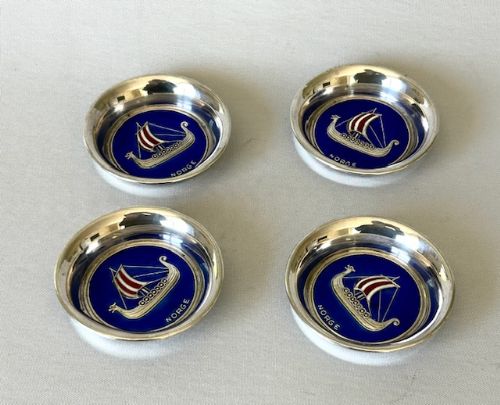


Vintage Enamel Trinket
These vintage enamel trinket pieces span centuries of decorative metalwork, offering collectors intricate miniature boxes and jars.
Vintage Enamel Trinket
A vintage enamel trinket selection comprises small containers such as pill boxes, snuff boxes, dressing table jars, and powder compacts. These items serve to hold small valuables and cosmetic items on a dressing table or in a pocket.
The objects stem from diverse periods ranging from the 18th century through to the mid-20th century. Buyers most frequently encounter Edwardian and Art Deco examples featuring sterling silver mountings alongside colourful enamel work.
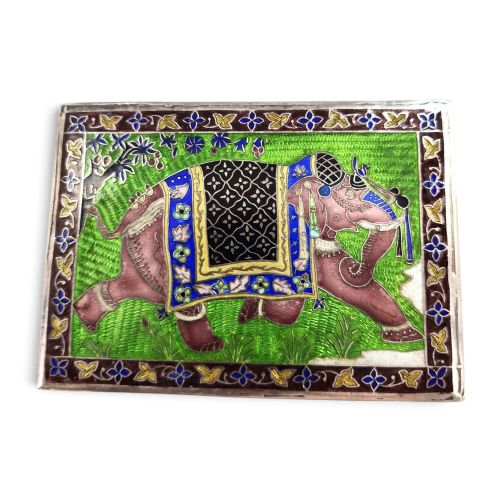
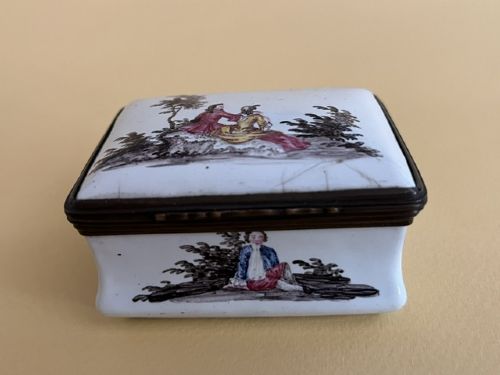
Forms include rectangular patch boxes, circular pill pots, and larger vanity jars incorporating cut glass or pottery bodies. Each piece reflects the functional decorative arts of its respective decade.
How they were made
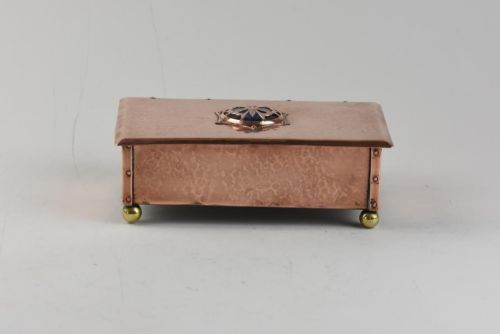
The construction typically combines a base metal framework of sterling silver, copper, or bronze with vitreous enamel decoration. Artisans applied powdered glass to a metal surface and fired it at high temperatures to achieve a fused, glossy finish.
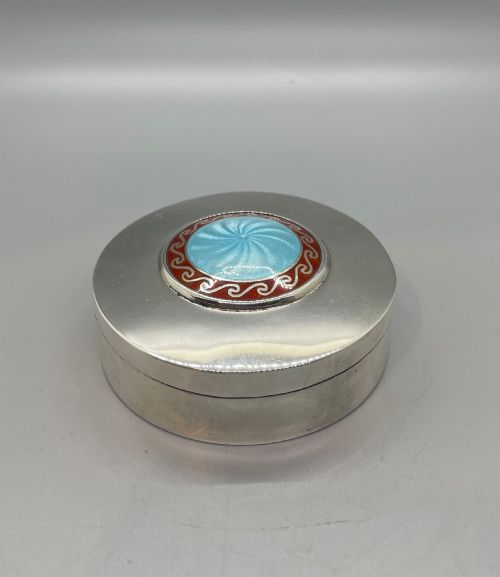
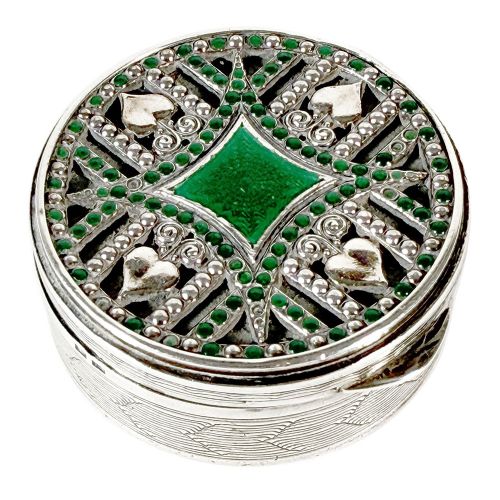
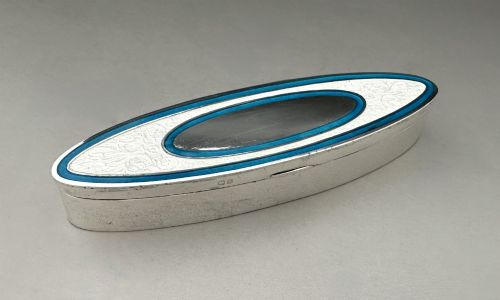
Guilloche techniques involve machine-turning a geometric pattern onto the underlying metal before applying translucent enamel, allowing the light to reflect through the coloured layer. Certain items integrate cut glass bodies, pottery, or carved wood fitted with hinged metal lids.
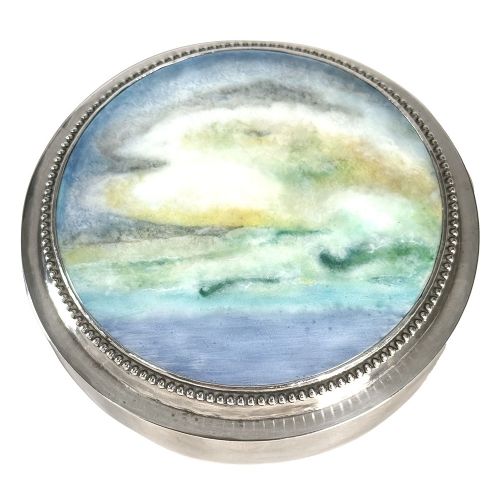
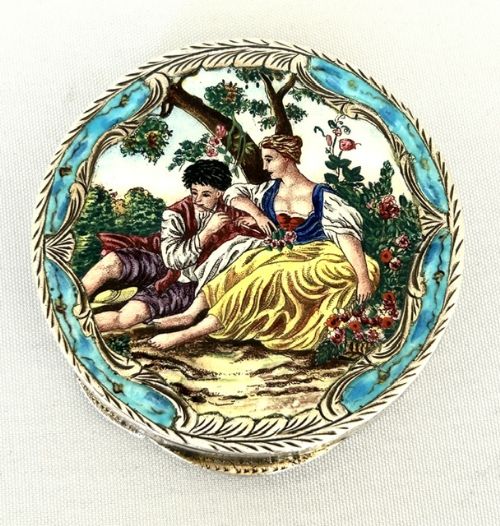
Specialised workshops employed cloisonne and painted enamel methods, particularly for scenic panels and figurative plaques. Precious metals were often hallmarked in cities such as Birmingham and London to denote purity and date.
Vintage Enamel Trinket Retail Price Guide 2026
Typical asking prices for vintage enamel trinket among the pieces listed under this phrase on Sellingantiques today, from the lower quarter to the upper quarter. They describe what is for sale here now, not the wider market.
Materials span sterling silver, copper, glass, brass, pottery, and wood alongside vitreous and guilloche enamel.
What varies in quality
The standard of execution in the metalwork and the complexity of the enamel distinguish simpler containers from finer specimens. Intricate engine-turned guilloche patterns and hand-painted scenic plaques indicate higher workshop skill.
The weight and purity of the housing metal, such as heavy sterling silver or silver-gilt, contribute to the overall substance of a box. Preservation of the vitreous surface without chipping or extensive hairline cracking remains central to the integrity of each item.
Guild of Handicrafts·Henry Clifford Davis·George Adam Scheid·S Theeman
The Vintage Enamel Trinket Glossary
- Guilloche enamel
- A decorative technique where a precise geometric pattern is mechanically engraved beneath translucent enamel. This creates depth and plays with light across the surface of the metal.
- Vitreous enamel
- A material made by fusing powdered glass to a substrate by firing, usually between 750 and 850 degrees Celsius. The resulting compound is durable and maintains its colour over centuries.
- Patch box
- A small container originally designed to hold cosmetic beauty patches used in the 18th century. These boxes frequently feature mirrors fitted inside the hinged lid.
- Cloisonne
- An ancient technique for decorating metalwork objects with coloured material held in place by thin metal strips. The individual wires form compartments that receive distinct enamel pastes before firing.
Vintage Enamel Trinket: Frequently Asked Questions
What were vintage enamel trinket boxes used for?
These small vessels served practical purposes for holding personal items such as snuff, cosmetic patches, pins, and medicinal pills.
Wealthy owners kept them on dressing tables or carried them in waistcoats for daily use.
How do I identify an Art Deco enamel box?
Art Deco examples typically display geometric guilloche patterns, stark lines, and vibrant blue or red enamels mounted in sterling silver.
Birmingham hallmarks from the 1920s and 1930s frequently confirm this period.
Are these boxes made of solid silver?
Many pieces utilise sterling silver for the frames, lids, and mounts, often accompanied by assay office hallmarks.
Other specimens combine enamel with copper, pewter, bronze, or glass bodies.
How should I care for an enamel trinket box?
Keep the items away from moisture and direct sunlight to protect the metal mountings and prevent enamel discoloration.
Clean the surfaces gently with a soft, dry cloth without using harsh chemical polishes.