



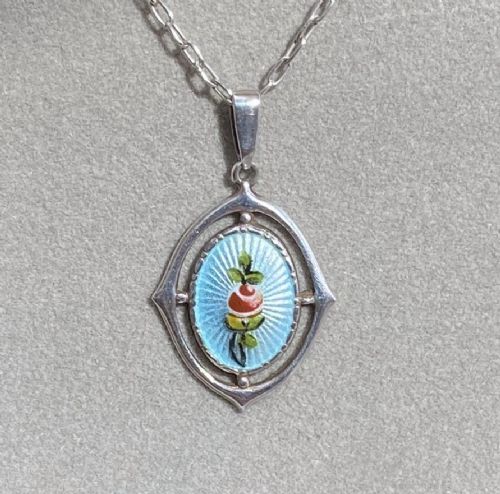


Vintage Enamel Locket
A vintage enamel locket brings together rich metalwork and colourful glass fusion, offering a wearable piece of history.
Vintage Enamel Locket
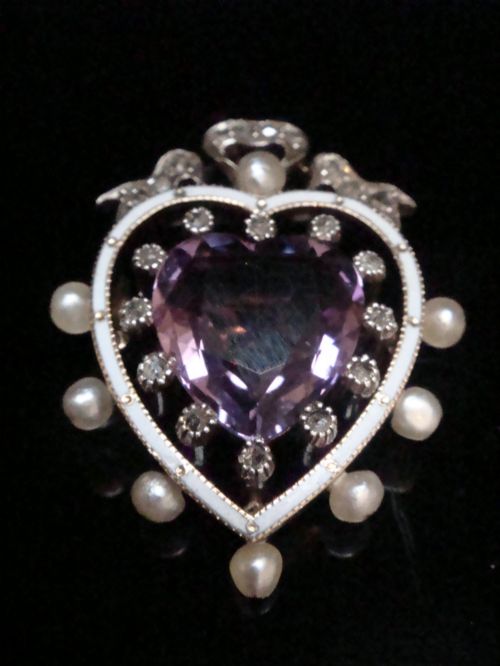
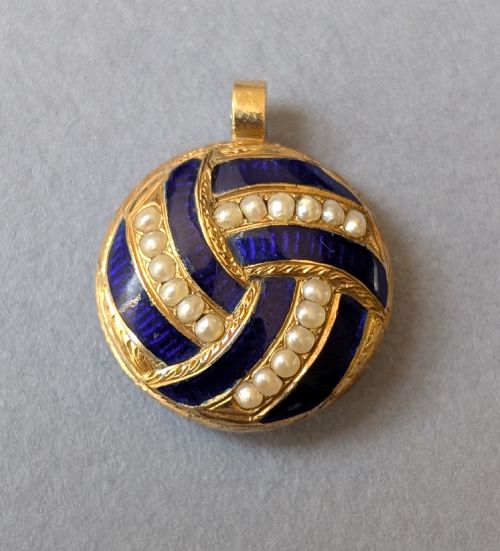
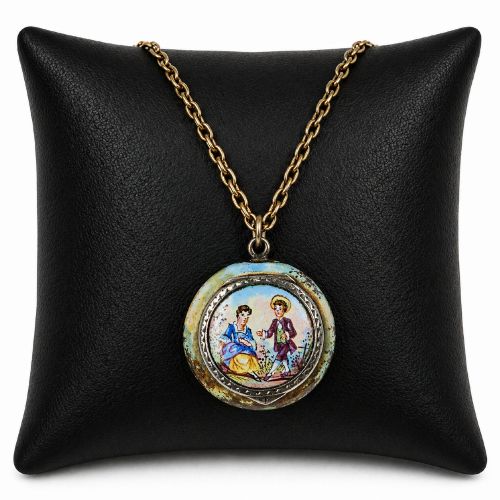
When you search for a vintage enamel locket, you encounter small hinged pendants and compacts designed to hold miniature portraits or keepsakes close to the heart. The pieces on this page span from the nineteenth century through the Edwardian era and into the Art Deco period, showcasing varied historical shapes.
Origins stretch across British workshops in Birmingham, French ateliers of the Belle Epoque, and Viennese studios. The selection ranges from romantic floral motifs to geometric designs associated with the early twentieth century.
How they were made
Maker's workshops utilised sterling silver, silver gilt, and yellow gold ranging from fifteen to eighteen carats as the structural base for these items. Metalsmiths formed lockets, compacts, and charms through casting and stamping before applying decorative finishes.
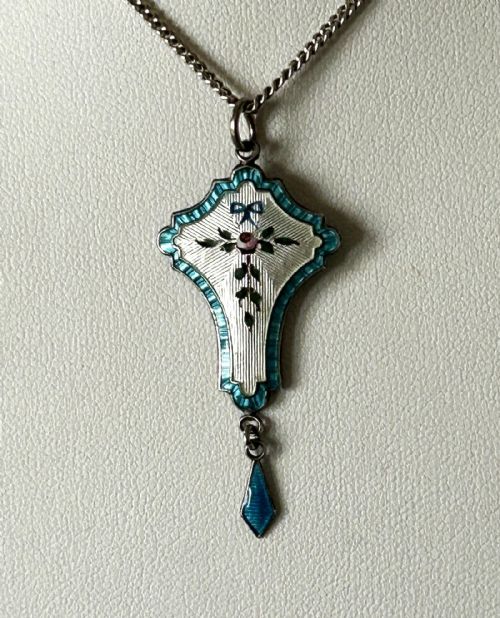
Glass fusion techniques involved applying vitreous enamel to the metal surface, frequently over machine turned guilloche engraving to create a shimmering translucent effect. Artisans then set small diamonds, pearls, or amethysts by hand into the gold or silver mountings.
Vintage Enamel Locket Retail Price Guide 2026
Typical asking prices for vintage enamel locket among the pieces listed under this phrase on Sellingantiques today, from the lower quarter to the upper quarter. They describe what is for sale here now, not the wider market.
Miniature egg charms open to reveal tiny surprises, combining Victorians' love for hidden compartments with precision enamel work.
What varies in quality
The standard of execution in the metalwork and the glass fusion dictates the distinction between ordinary and exceptional pieces. Finely turned guilloche patterns beneath translucent enamel reveal a crisper optical depth than plain or hastily prepared surfaces.
The choice of precious metals and accompanying gemstones elevates certain examples, particularly those employing high carat gold, natural pearls, or well matched diamonds. Maker attribution also plays a role, with documented workshops commanding greater attention from collectors.
Henry Perkins & Sons·Meyle & Mayer·Charles Horner
The Vintage Enamel Locket Glossary
- Guilloche
- A decorative engraving technique where a mechanical lathe cuts a precise, intricate repeating pattern into a metal surface. This worked base is then covered with translucent enamel so the pattern shows through.
- Vitreous enamel
- A material made by fusing powdered glass to a metallic substrate by firing at high temperatures. The resulting glossy coating resists tarnishing and provides lasting colour.
- Silver gilt
- Sterling silver that has been coated with a thin layer of gold on its surface. This technique offers the appearance of solid gold while utilising a silver core.
- Puffy heart
- A hollow pendant formed from two convex metal halves joined together to create a three dimensional heart shape. These pieces were often utilised as romantic tokens during the nineteenth and early twentieth centuries.
Vintage Enamel Locket: Frequently Asked Questions
What is inside a vintage enamel locket?
These pieces typically contain small hollow compartments designed to hold folded photographs, locks of hair, or miniature paper mementos.
The hinged covers keep these personal keepsakes secure against the body while the wearer moves throughout the day.
How do I care for my locket?
Enamel requires gentle handling because hard impacts can chip or crack the fused glass surface. Clean the metal and glass gently with a soft dry cloth and avoid harsh chemical dips.
Keep the piece stored separately in a lined box to prevent scratching from harder jewellery items.
How can I tell the period?
Stylistic cues such as flowing asymmetrical lines point towards Art Nouveau origins, while geometric symmetry indicates Art Deco manufacture. Maker marks and assay office hallmarks stamped on the metal provide definitive dates of creation.
Materials like fifteen carat gold and specific fastener styles also help narrow down the decade of production.
Were compacts used as lockets?
Powder compacts served a functional cosmetic purpose with internal mirrors and powder wells, differing from traditional portrait lockets. However, smaller compacts and egg charms often shared the same hinged construction and guilloche enamel decoration.
Both item types reflect the detailed metalworking skills of early twentieth century workshops.