
Vintage Embroidery Hanging
A vintage embroidery hanging brings rich textile history to a room, offering tactile warmth and centuries of global craft traditions.
Vintage Embroidery Hanging
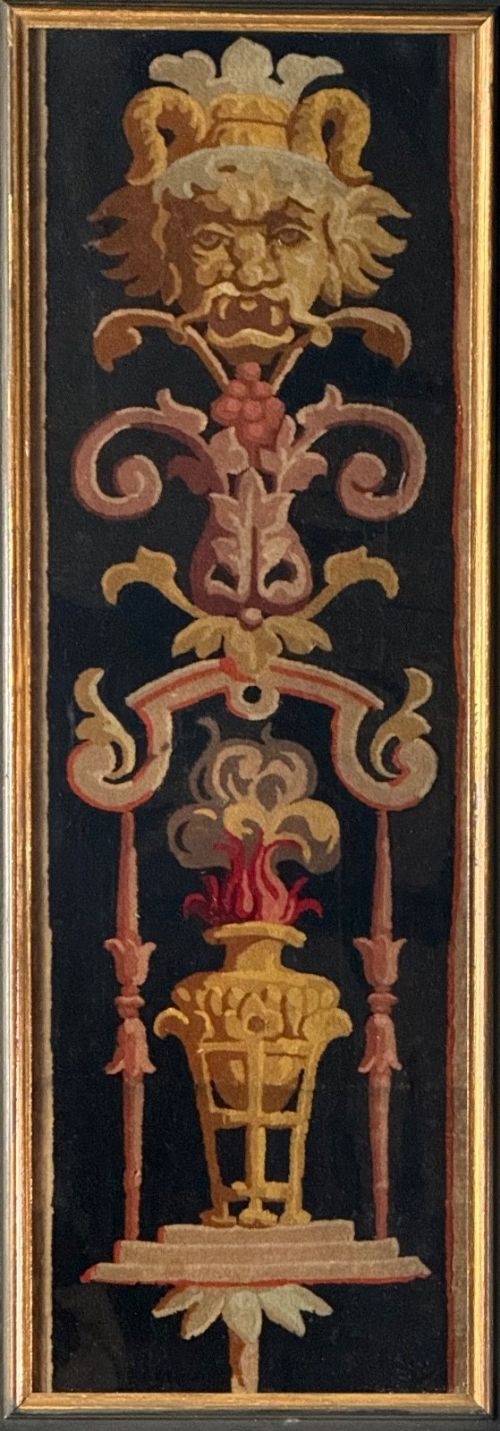
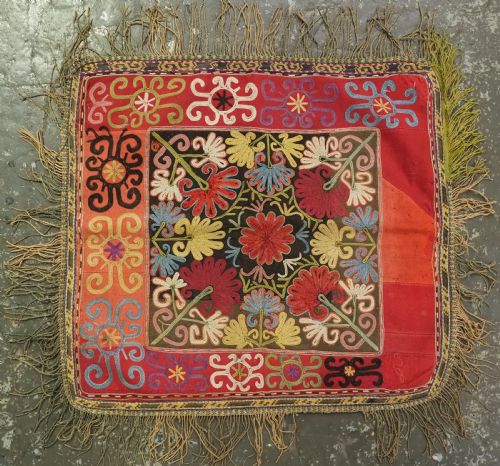
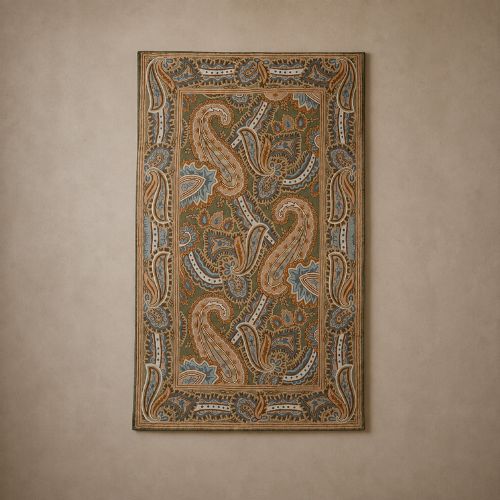
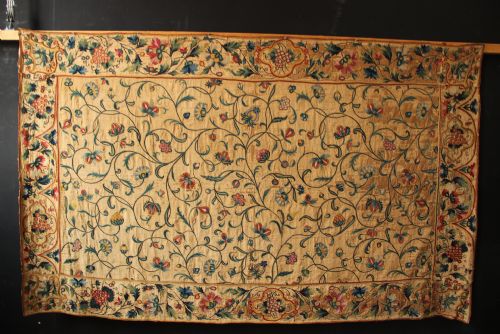
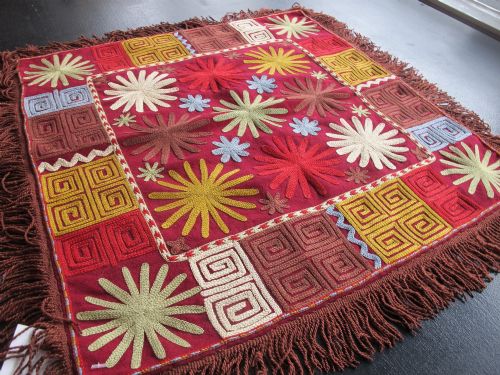
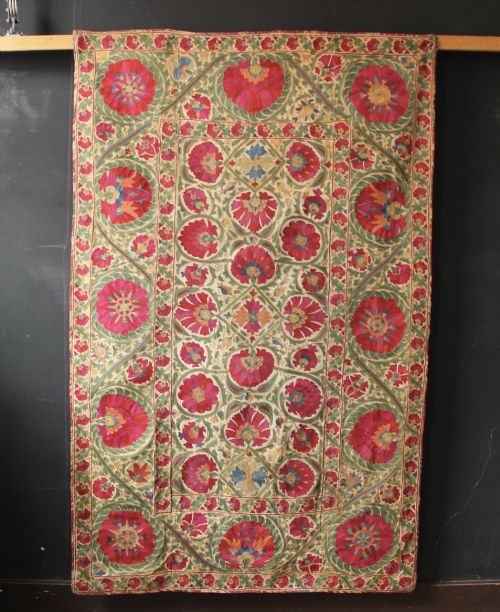
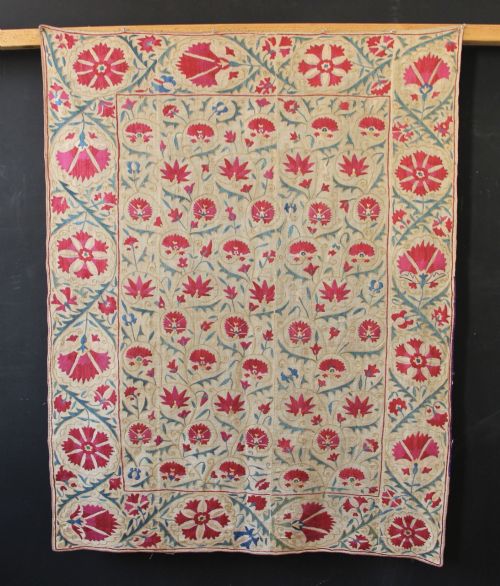
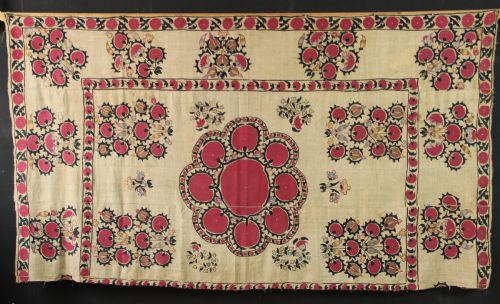
A vintage embroidery hanging encompasses a diverse range of historic textile art, from Central Asian dowry pieces to English crewelwork panels. When searching for this phrase, collectors encounter domestic wall hangings, ceremonial horse covers, and architectural panels produced across multiple centuries.
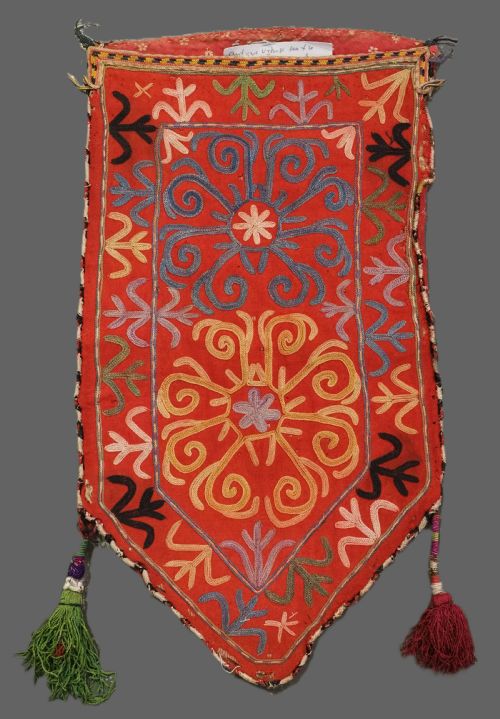
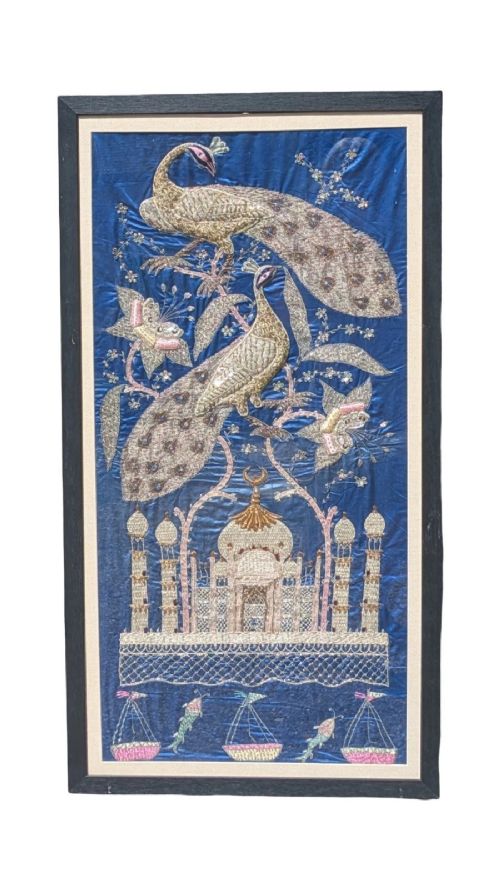
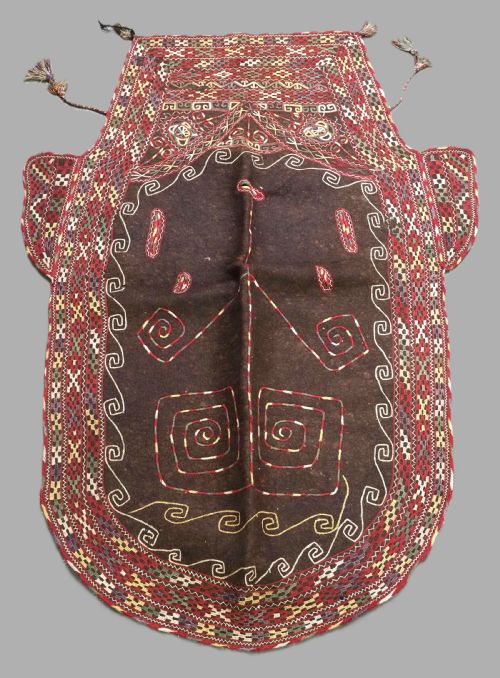
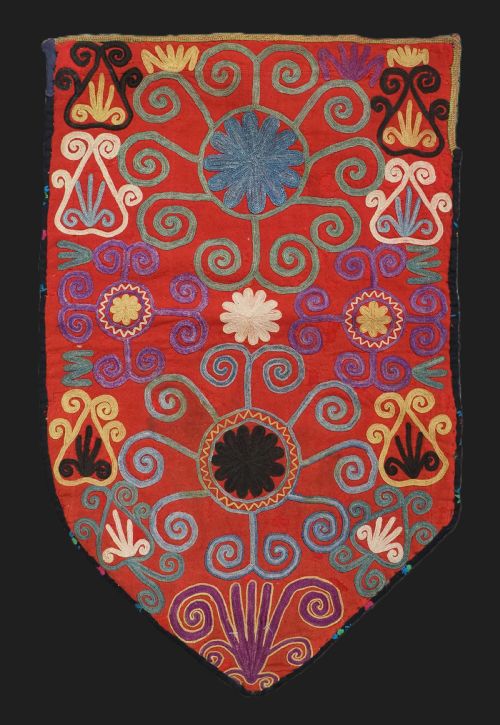
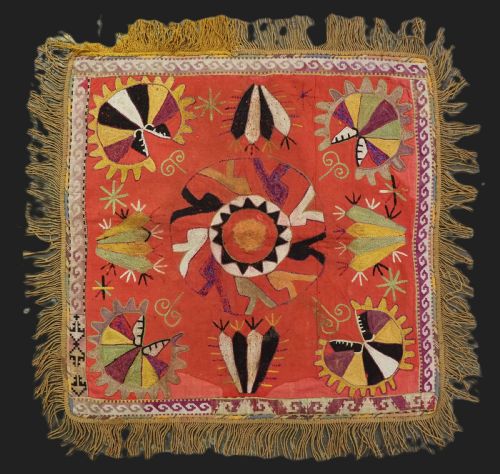
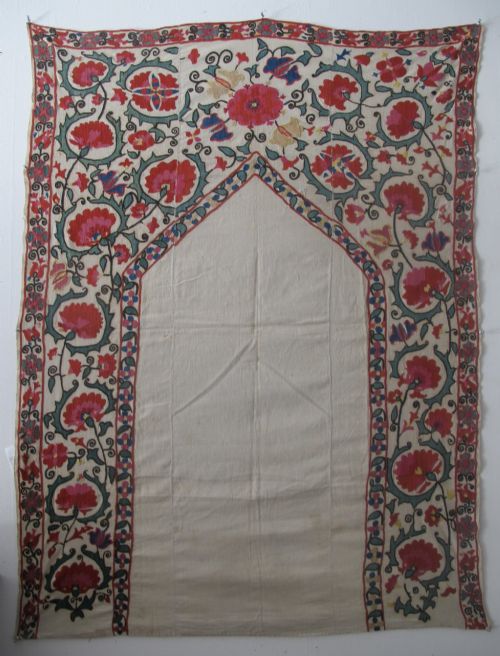
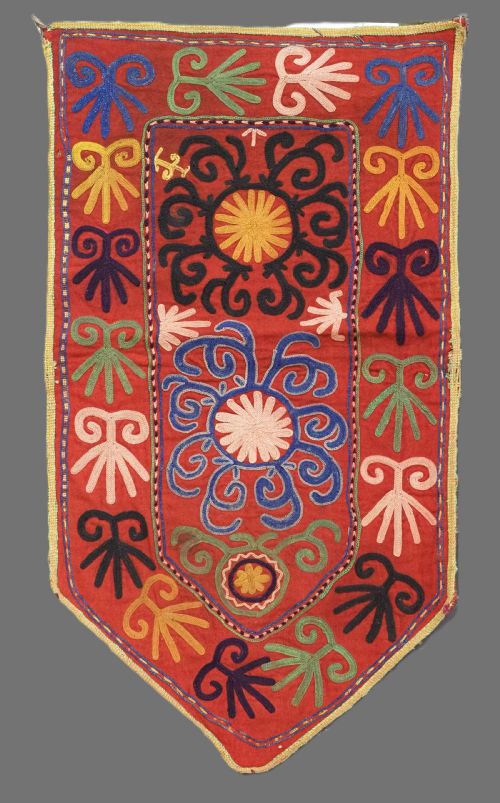
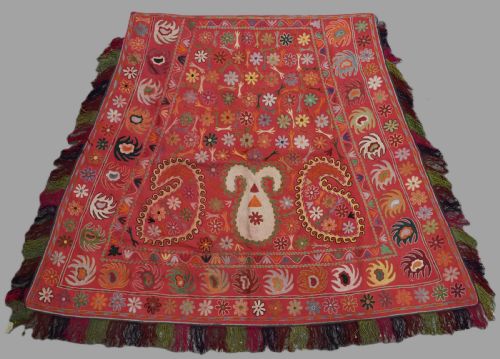
The selection on this page relies heavily on Central Asian traditions, particularly Uzbek suzanis and Lakai tribalilgiches. Pieces span from the seventeenth century through to the nineteen-thirties, reflecting varied origins including India, Persia, and Europe alongside nomadic regions.
Forms vary from small square dowry bags to large wall panels intended for display in grand interiors. Each object retains the specific utilitarian or decorative purpose of its culture of origin, adapted today for wall mounting.
Materials and Construction
Needlework on these textiles generally relies on natural foundations of silk, cotton, wool, linen, and felt. Artisans stitched intricate patterns using dyed silk thread, creating dense surface designs upon woven or felted grounds.
Techniques range from fine surface embroidery and chain stitch to complex applique work. Master makers combined varied stitch types to build texture, volume, and pictorial depth within architectural, floral, or tribal motifs.
Factors of Quality
Quality in these textiles depends heavily on the density and precision of the needlework. Superior examples display tight, uniform stitches that form complex geometric, floral, or figurative compositions without distortion.
The choice and preservation of dyeing materials also dictate the standing of a piece. Well-balanced colour palettes that retain their vibrancy and harmonious contrast elevate the visual impact of the textile.
The Vintage Embroidery Hanging Glossary
- Suzani
- An embroidered textile from Central Asia, traditionally made by brides as part of their dowry. These large panels feature striking floral and medallion designs worked in silk on cotton or linen grounds.
- Ilgich
- A small Central Asian hanging or dowry embroidery, often produced by the Lakai tribe. These pieces are characterised by energetic tribal motifs and varied geometric applique.
- Crewelwork
- A traditional form of embroidery utilising wool yarn on a heavy linen or cotton twill ground. Early English examples frequently depict scrolling floral vines and whimsical creatures.
- Applique
- A technique where pieces of fabric, such as felt or silk, are sewn onto a larger background ground to build up a design. This method is common in Persian Rasht embroidery.
- Torba
- A small ceremonial bag or hanging used in nomadic Central Asian households. They often display skilled needlework intended to adorn yurt interiors.
Vintage Embroidery Hanging: Frequently Asked Questions
How do I hang a vintage textile safely?
Mounting heavy textiles requires distributing the weight evenly across the entire upper edge. Conservation-grade Velcro or a custom-built fabric sleeve stitched to the reverse prevents undue stress on fragile historic fibres.
Direct sunlight causes natural dyes to fade over time. Position panels away from unshaded windows and heat sources to preserve the integrity of the silk and wool threads.
What is the difference between a suzanis and an ilgich?
Suzanis are typically large decorative wall hangings or bed covers produced in urban and rural workshops across Uzbekistan. They often showcase expansive floral sprays and central medallion layouts.
Ilgiches are generally smaller dowry items associated with tribal groups like the Lakai. They tend to feature denser, quirkier geometric motifs executed in a more compact format.
Can I clean an antique embroidery hanging?
Historic textiles demand extreme caution and tolerate domestic washing very poorly. Gentle surface dusting with a soft brush or low-suction vacuum through a mesh screen is the safest method for routine maintenance.
Professional textile conservators should handle any deep cleaning or restoration work. Household detergents and water immersion risk running natural dyes and weakening aged threads.
How are periods identified in these textiles?
Dating relies on stylistic analysis, material composition, and traditional dyeing methods. Natural colorants and specific tribal iconography help associate pieces with nineteenth-century or earlier production eras.
Structural traits such as hand-spun foundations and regional stitching signatures provide further clues. Comparing panels to documented museum examples helps narrow down the decade of creation.