

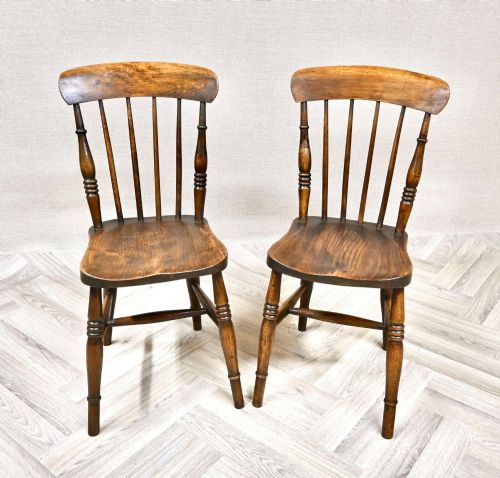
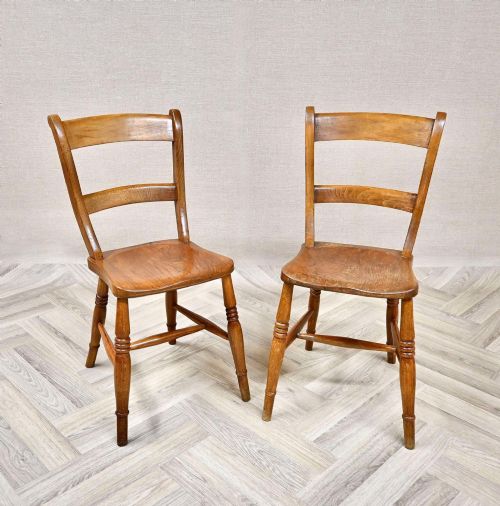
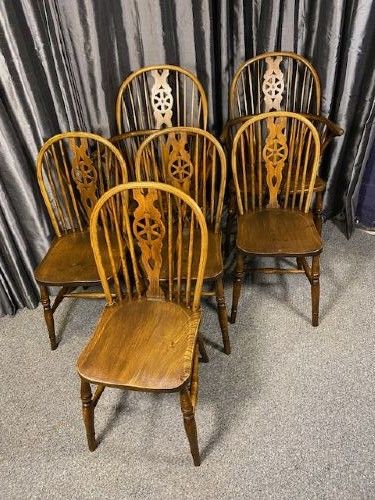
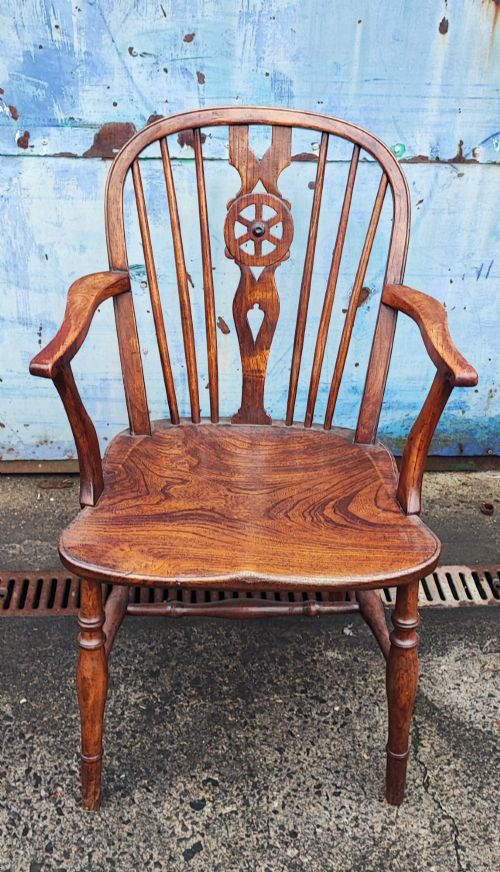

Vintage Elm Seat Chair
These vintage elm seat chair selections offer sturdy vernacular seating built from solid timber across the eighteenth, nineteenth, and early twentieth centuries.
Vintage Elm Seat Chair
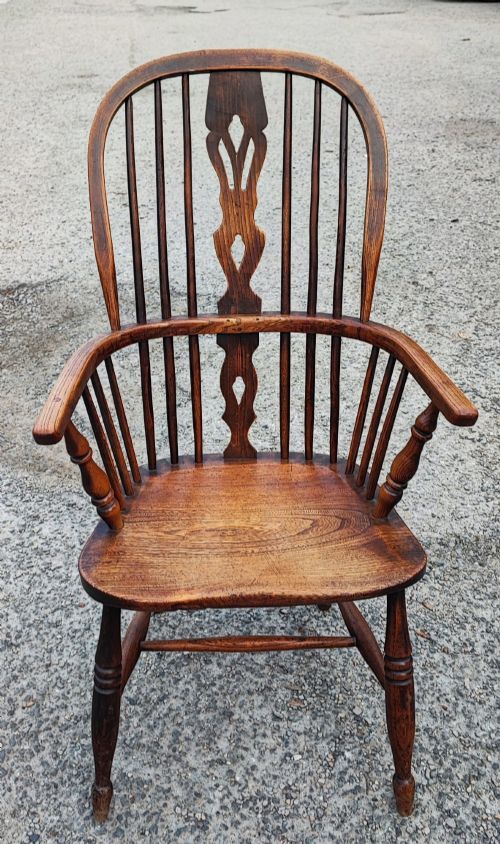
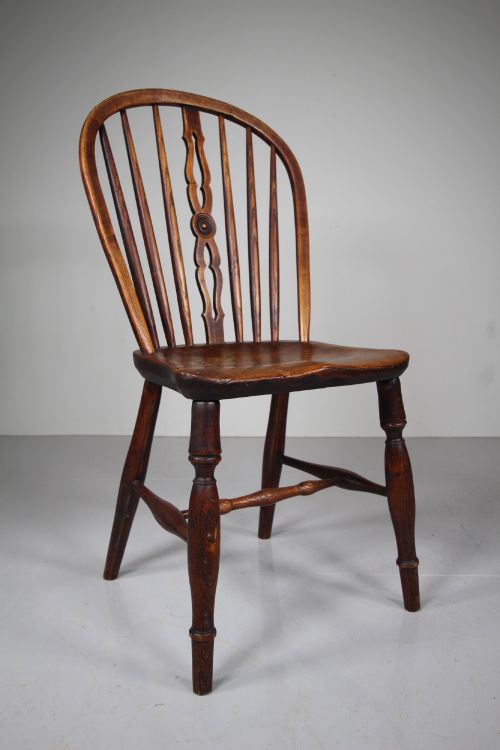
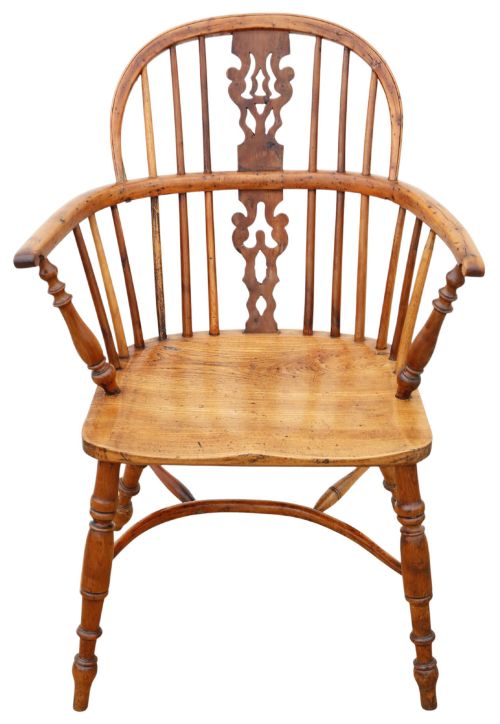
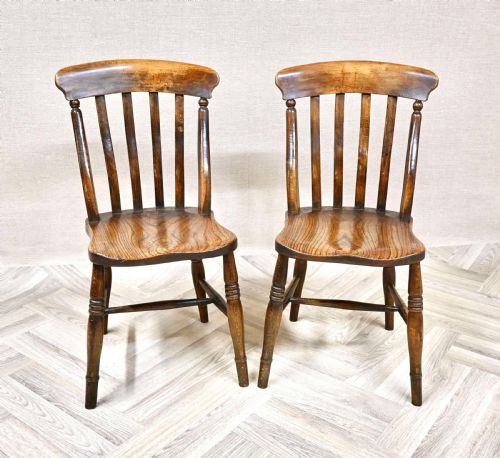
A vintage elm seat chair brings robust country craftsmanship into domestic spaces through enduring forms like the Windsor, smoker's bow, and lath back. Buyers seeking these examples encounter utilitarian seating shaped by regional traditions spanning the Georgian, Victorian, and Edwardian eras.
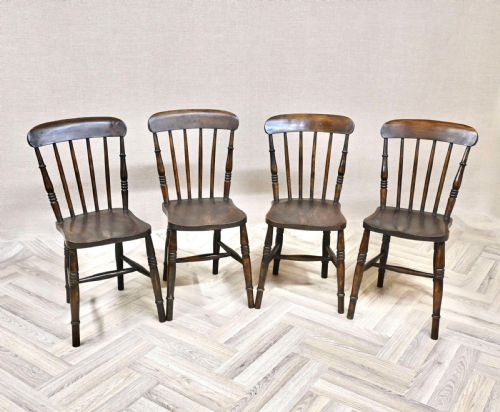
Most pieces on this page originate from English rural workshops and farmhouses, constructed with solid wood seats designed for daily utility. These items vary from single armchairs and carvers to matched sets intended for farmhouse kitchens and dining rooms.
How they were made
Maker construction relies on a combination of timbers, pairing a thick elm seat with turned beech, ash, or fruitwood spindles and legs. Carpenters bored holes directly into the solid elm plank to wedge shaped tenons, securing the components with wooden wedges.
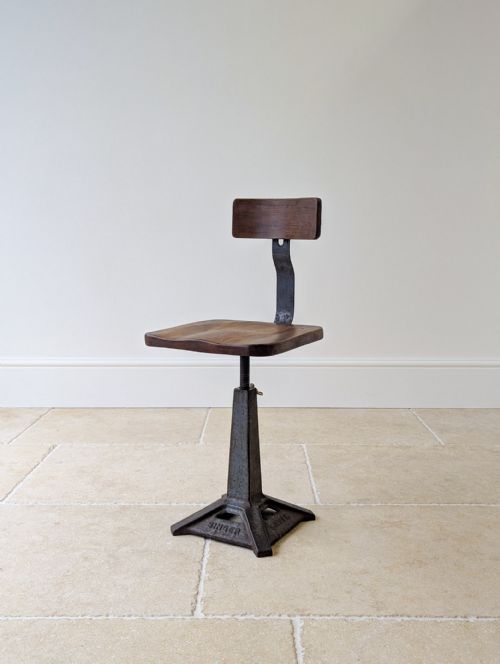
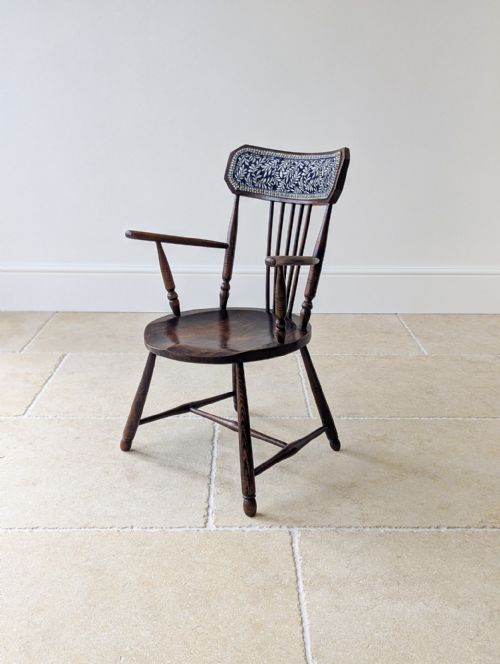
Framing often incorporates steam-bent ash or yew wood for hoops and armrests, providing flexible strength to the upper structure. Cast iron elements occasionally appear in later industrial variants alongside traditional timber joinery.
Vintage Elm Seat Chair Retail Price Guide 2026
Typical asking prices for vintage elm seat chair among the pieces listed under this phrase on Sellingantiques today, from the lower quarter to the upper quarter. They describe what is for sale here now, not the wider market.
Listings feature eighteenth, nineteenth, and early twentieth-century examples in elm, ash, beech, oak, and yew.
What varies in quality
Quality rests upon the depth of the saddle shaping in the elm seat and the integrity of the wedged joints. Thicker planks and balanced, tapering spindles reflect superior regional craftsmanship.
The preservation of original surface patination and matching timber turns across sets dictate the standing of individual chairs.
The Vintage Elm Seat Chair Glossary
- Windsor chair
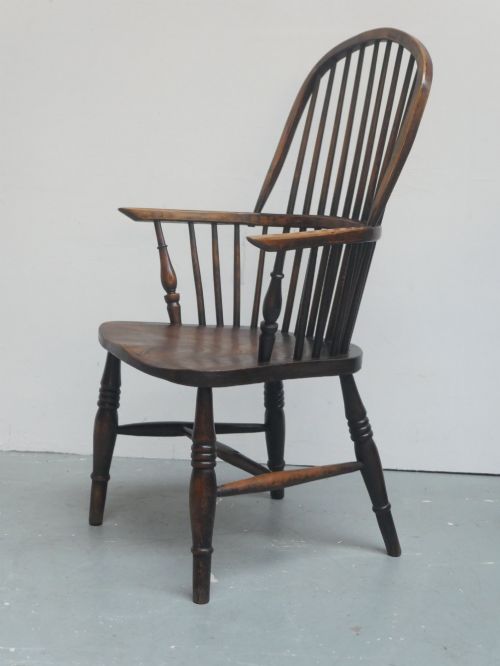
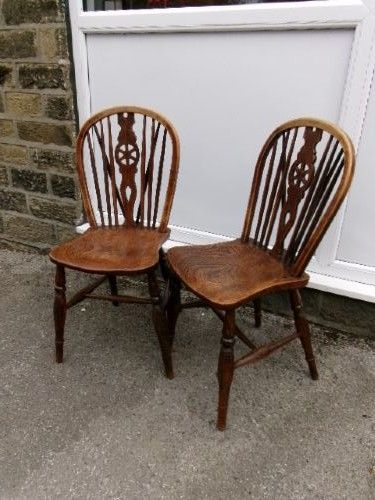
- A wooden chair built with a solid timber saddle-shaped seat into which the back and legs are directly wedged and tenoned. These pieces rely on a heavy undercarriage for structural rigidity.
- Smoker's bow
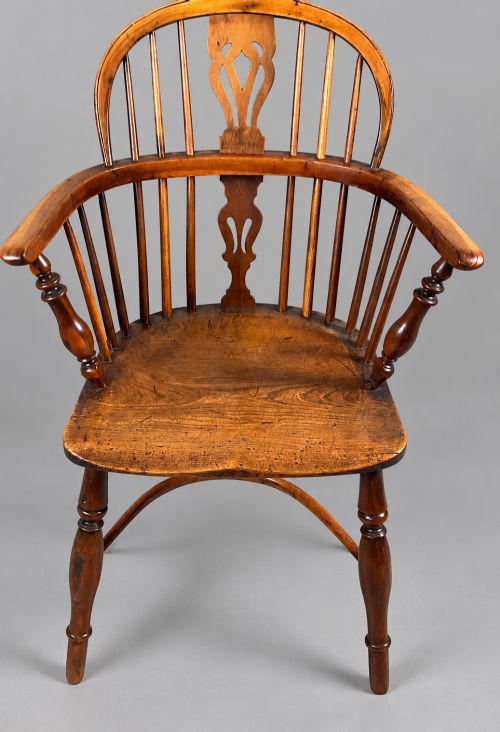
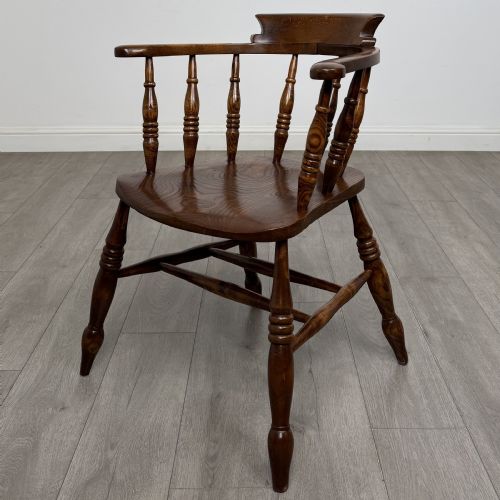
- A low-backed Windsor armchair featuring a continuous curved armrail supported by turned spindles above a solid seat. This form was widely used in Victorian domestic and commercial interiors.
- Crindoline stretcher
- A bentwood under-stretcher shaped like a horseshoe that connects the legs of a Windsor chair. It provides extra bracing and stabilization to the lower frame.
- Vernacular furniture
- Domestic objects made by local craftsmen following regional traditions rather than formal architectural styles. These pieces prioritize function and local timber availability.
Vintage Elm Seat Chair: Frequently Asked Questions
How do I identify a Windsor chair?
A Windsor chair is distinguished by its solid wooden seat slab, into which the legs and back spindles are fitted independently. This construction method avoids a traditional framed chair skeleton.
Look for a saddle-shaped depression carved into the top of the seat for comfort, along with visible wedged joints on the underside.
What timber combinations are common?
These seats are almost exclusively built using elm for the main plank because its interlocking grain resists splitting under heavy use. Secondary woods like ash, beech, and fruitwood are utilised for the turned legs and bentwood parts.
This mixed-timber approach matches the specific mechanical properties required for each part of the chair frame.
How do I care for an elm seat?
Maintain the timber by applying a microcrystalline wax periodically to nourish the surface without attracting dust. Avoid placing these items near direct heat sources or rapid temperature shifts that cause wood movement.
Gentle cleaning with a soft, dry cloth preserves the historical finish and natural patination accumulated over generations.
Can I use these chairs daily?
Solid wood country seating is constructed for robust daily utility and handles regular domestic use easily. Ensure all joints remain tight and secure before putting them into heavy rotation.
Routine inspection of the undercarriage and legs keeps vintage timber stable in modern dining environments.