

Vintage Earthenware Plates
Vintage earthenware plates bring hand-painted motifs and rich transfer-printed scenes directly to the table.
Vintage Earthenware Plates
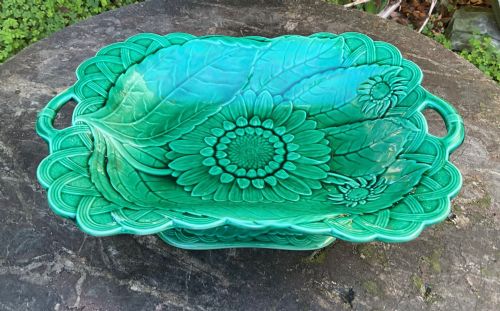
Vintage earthenware plates encompass a wide array of ceramic vessels designed for serving and display, stretching from eighteenth-century creamware to twentieth-century art deco patterns. When searching for vintage earthenware plates, buyers encounter everything from large decorative chargers and meat platters to full dinner services and shallow bowls.
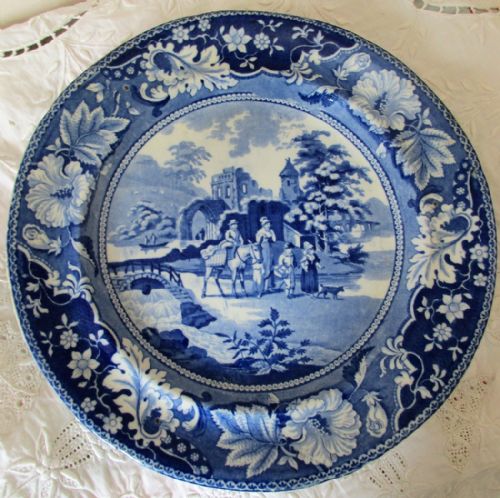
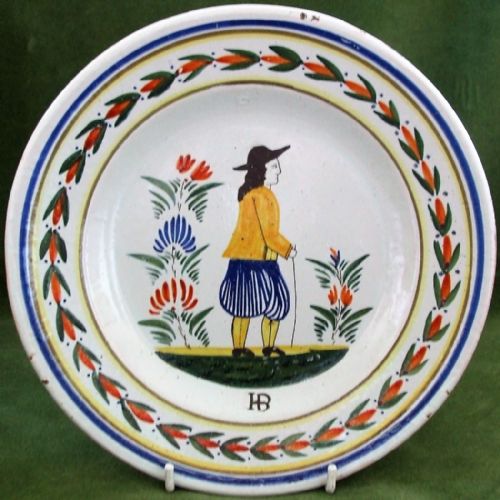
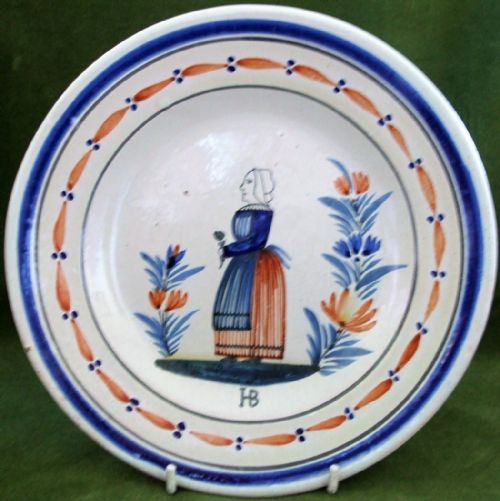
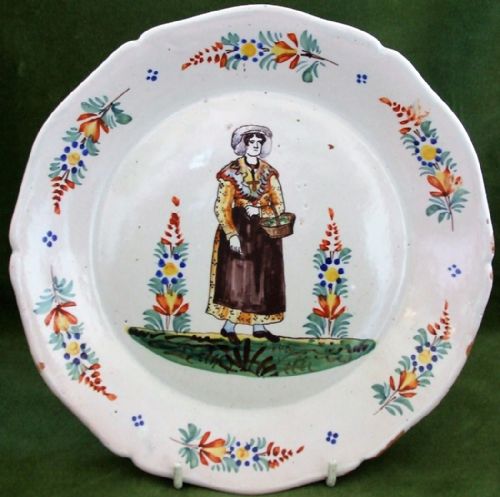
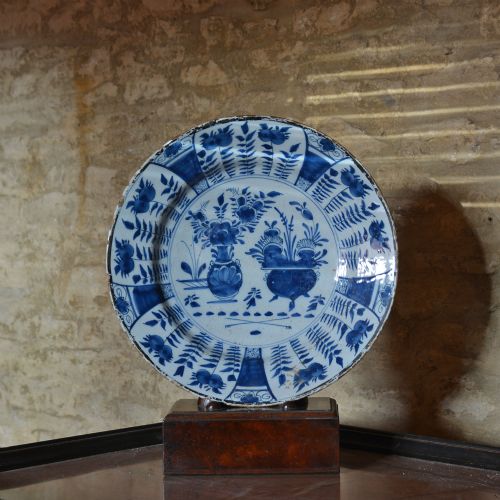
The selection ranges across distinct regional traditions, including English transferware, French faience from Quimper and Desvres, and Dutch Delft chargers. Pieces span multiple eras, showing the heavy influence of Georgian, Victorian, and Art Deco design aesthetics.
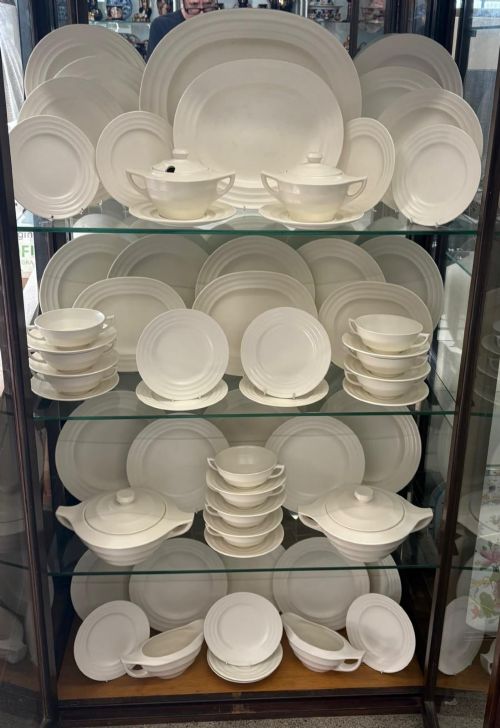
Makers represented in this tradition include notable names like Wedgwood, Keith Murray, George Jones, and Clarice Cliff. Forms vary from simple utilitarian tableware to large display pieces intended for prominent wall mounting or sideboard placement.
Materials and methods of production
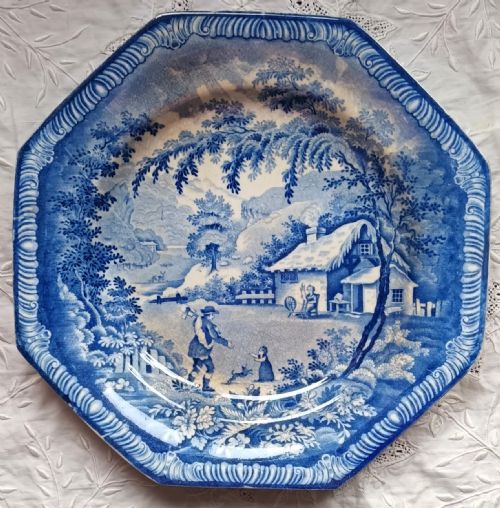
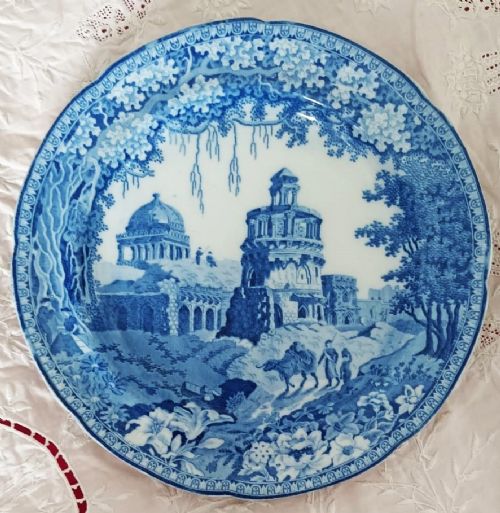
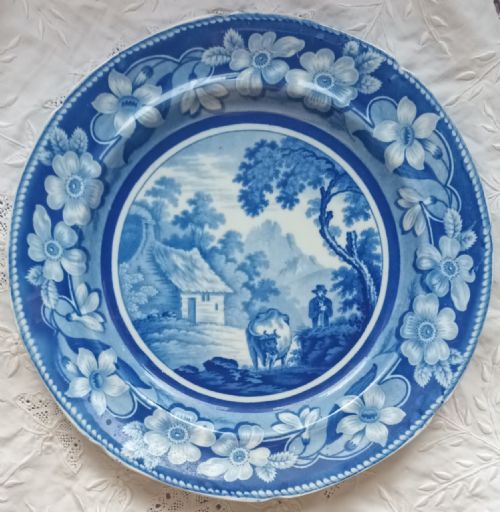
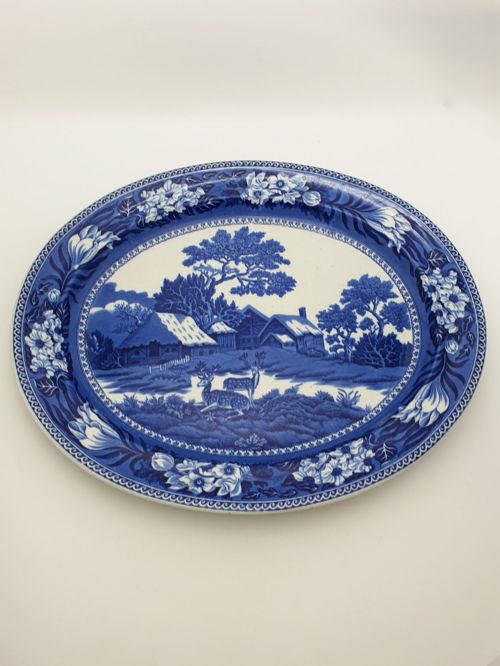
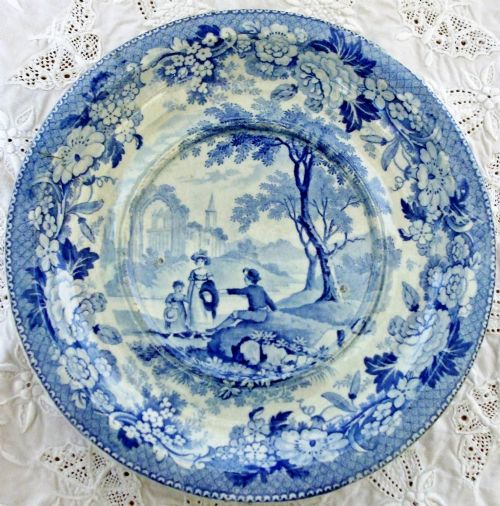
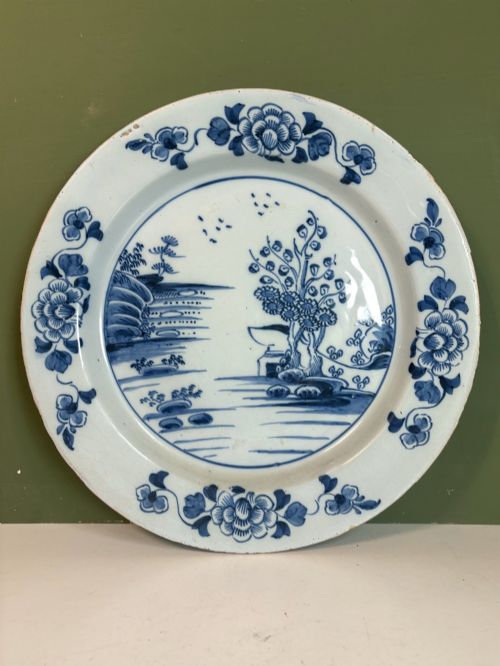
Potters built these items using porous earthenware clay, which was then coated in tin glaze, lead glaze, or enamel to create a smooth, waterproof surface. Cobalt oxide and cobalt pigment provided the deep blue tones seen in early transferware and Delft pieces.
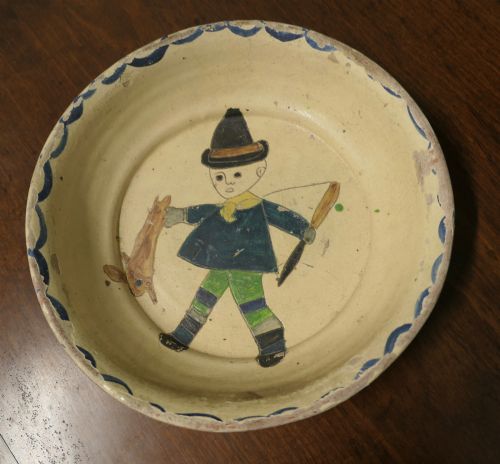
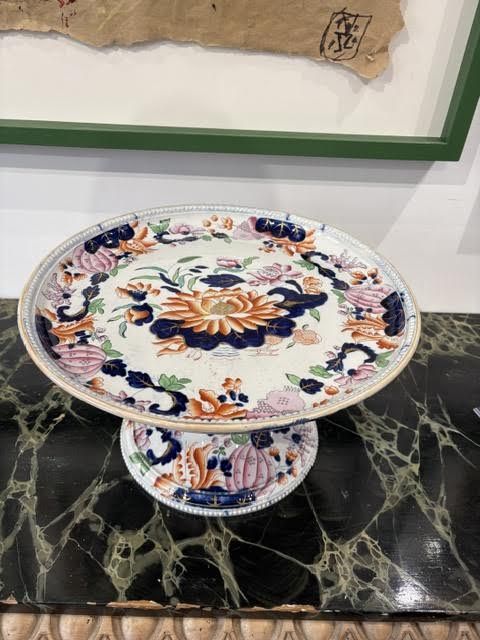
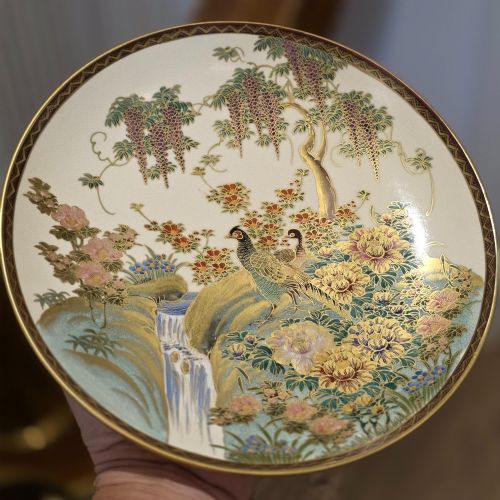
Decoration techniques combined hand-painted floral motifs and polychrome details with mechanical transfer printing to apply intricate pictorial scenes onto the ceramic body. Specialised methods like tubelined design added raised clay outlines to hold coloured glazes in place on later Art Deco pieces.
Vintage Earthenware Plates Retail Price Guide 2026
Typical asking prices for vintage earthenware plates among the pieces listed under this phrase on Sellingantiques today, from the lower quarter to the upper quarter. They describe what is for sale here now, not the wider market.
Listings feature earthenware plates across the eighteenth, nineteenth, and twentieth centuries, utilising materials like tin glaze, enamel, and cobalt pigment.
Factors that distinguish quality
Quality in these ceramics rests upon the crispness of the transfer print or the dexterity of the hand-painted brushwork. Superior items display well-defined pictorial details, balanced proportions, and even glaze application without heavy pooling or pitting.
The reputation of the pottery or the individual artist elevates certain items, as seen in signed works by established designers. The preservation of the original glaze and the clarity of the underlying ceramic body remain central to the overall standard of each piece.
Keith Murray·William Smith and Company·George Jones·John Rogers and Son·Charlotte Rhead·Clarice Cliff
The Vintage Earthenware Plates Glossary
- Earthenware
- A porous type of pottery fired at lower temperatures than stoneware or porcelain, requiring a glaze to become impermeable to liquids. It forms the core material for the vast majority of traditional plates and chargers.
- Tin-Glaze
- A white, opaque glaze containing tin oxide that provides a smooth background for hand-painted decoration. This technique defines traditional Delftware and continental faience.
- Transferware
- A method of decorating ceramics by pressing a paper sheet engraved with a copperplate design onto the biscuit or glazed surface. This allowed factories to produce intricate scenes like landscapes and historical events consistently.
- Creamware
- A refined, light-coloured earthenware developed in the eighteenth century by English potters such as Leeds. It is known for its warm, pale yellow hue and delicate potting.
- Charger
- A large decorative plate intended primarily for display on a sideboard or wall rather than for everyday dining. These pieces frequently feature elaborate painted or printed scenes across a wide surface.
Vintage Earthenware Plates: Frequently Asked Questions
How do I care for vintage earthenware plates?
Wash these ceramics gently by hand in warm water using mild soap, avoiding abrasive scrubbers or modern dishwashers that can craze the glaze.
Store them carefully with padded dividers between stacked pieces to protect the rims and painted surfaces from chipping.
Can I use these plates for daily dining?
Many vintage plates remain structurally sound for serving food, though fragile glazes and historical value often lead owners to reserve them for special occasions.
Inspect older pieces for heavy wear on the glaze surface before serving acidic or wet foods directly upon them.
What is the difference between a plate and a charger?
Plates are standard sizes made for holding individual portions of food during a meal or dessert service.
Chargers are significantly larger plates designed to serve as a base setting or to be hung on a wall for purely decorative purposes.