

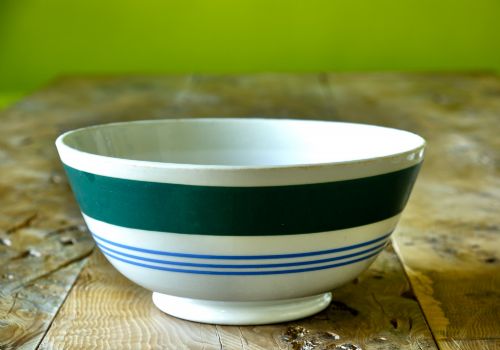


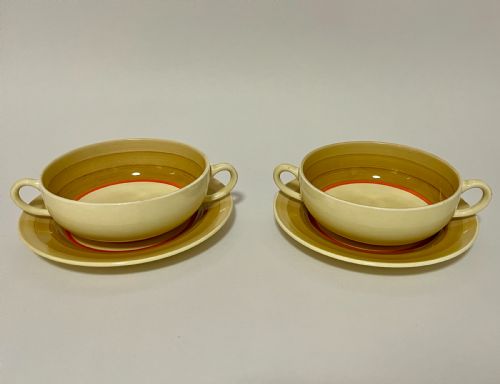
Vintage Earthenware Bowl
When choosing a vintage earthenware bowl, you are looking for honest pottery shaped by daily utility and decorated with enduring skill.
Vintage Earthenware Bowl
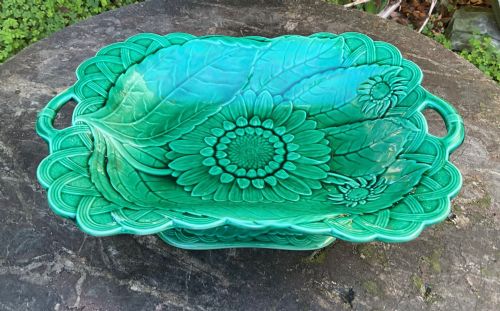
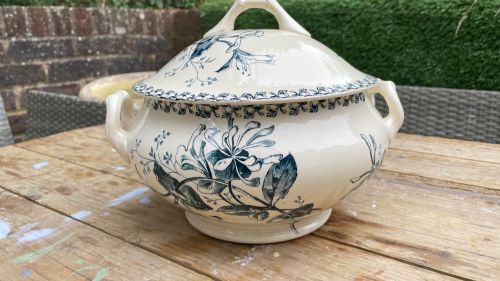
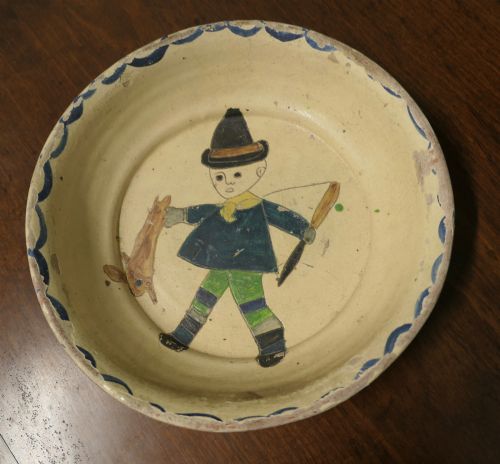
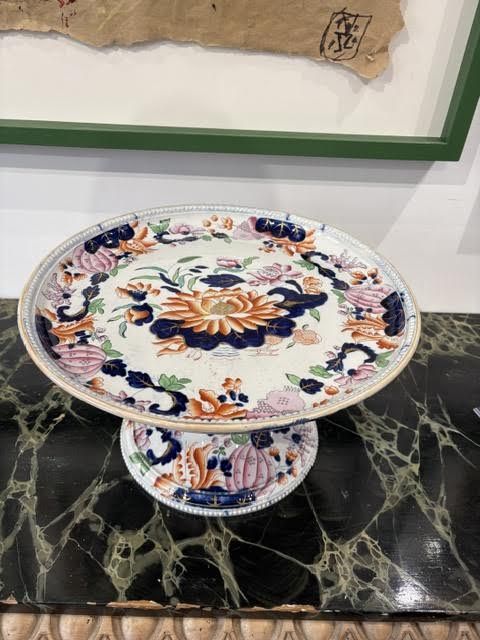
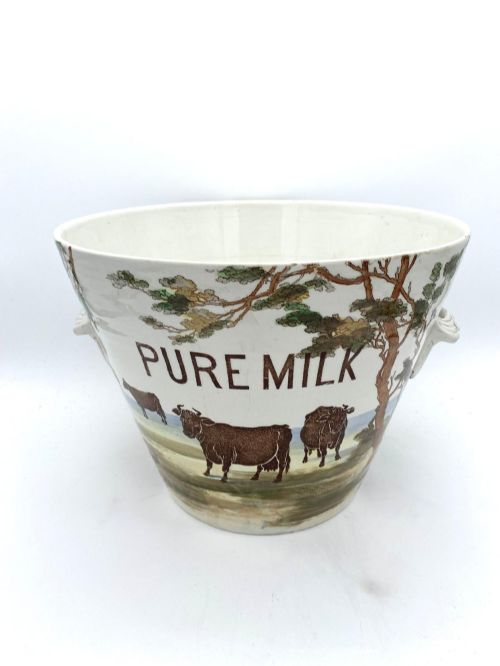
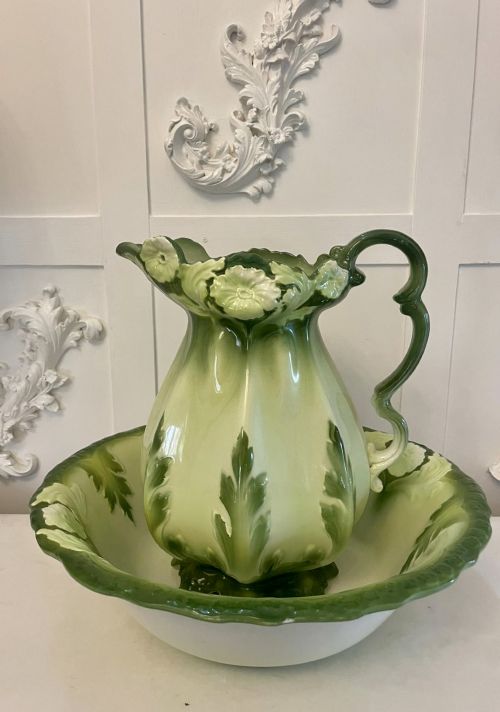
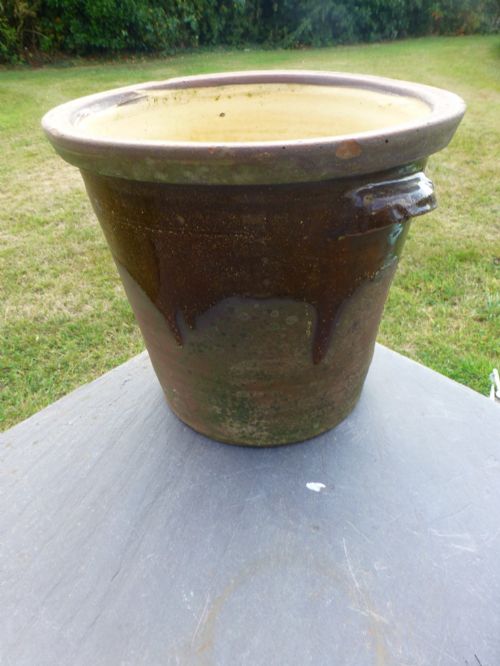
A vintage earthenware bowl encompasses utilitarian vessels, large footbaths, dairy crocks, and decorative dishes originating from periods spanning the eighteenth century through the mid twentieth century. These items include robust country wares alongside refined glazed ceramics from British, French, and Japanese makers.
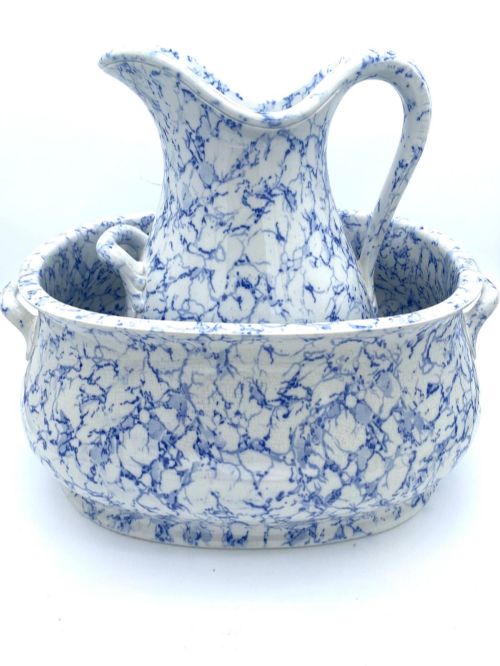
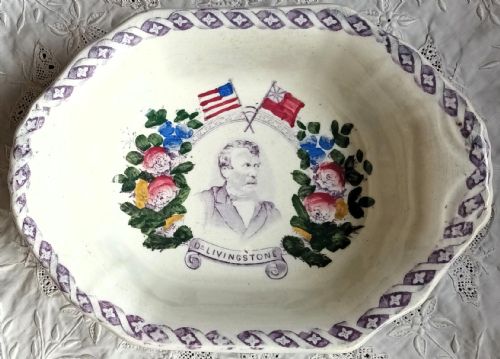
The assortment on this page relies heavily on nineteenth century utilitarian forms and twentieth century decorative pieces, including spongeware, delft, and banded kitchen wares. Buyers encounter everything from simple creamware dairy bowls to ornate transfer printed and hand painted table vessels.
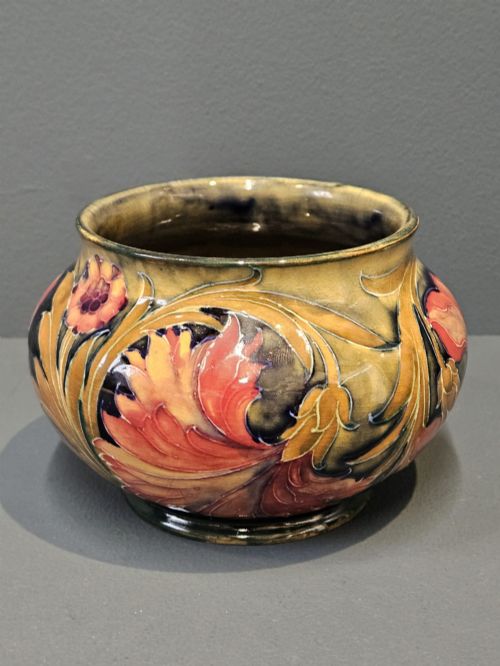
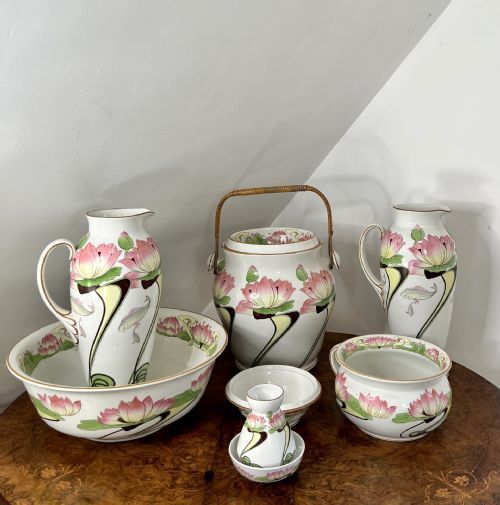
Makers utilised earthenware, terracotta, and soft paste bodies to shape pieces that served practical households or decorated period parlours. Styles shift from rustic vernacular and Georgian blue and white patterns to Art Nouveau curves and Art Deco geometrics.
Materials and construction
Potters shaped these pieces from porous earthenware and terracotta clays, applying liquid glazes to seal the absorbent bodies for holding liquids or foods. Tin glazes provided opaque white surfaces for traditional delft pieces, while slip glazes created durable, glossy finishes on utilitarian kitchen bowls.
Decoration involved hand painting, sponging pigments onto the biscuit clay, or transferring printed scenes onto the damp glaze before firing. Artisans utilised cobalt for blue and white designs, alongside polychrome enamels and occasionally gold leaf accents on high status decorative vessels.
Vintage Earthenware Bowl Retail Price Guide 2026
Typical asking prices for vintage earthenware bowl among the pieces listed under this phrase on Sellingantiques today, from the lower quarter to the upper quarter. They describe what is for sale here now, not the wider market.
Early dairy bowls once measured milk yields and churned butter before retiring to collectors' display cabinets as colourful decorative fruit bowls.
Markers of quality
Quality rests in the crispness of the transfer print, the evenness of the glaze application, and the balance of the thrown or moulded form. Superior examples display precise brushwork or sharp, clear patterns without excessive kiln smudging or pooling glaze.
Artisanal execution separates standard utilitarian kitchenware from signed studio works or pieces bearing factory marks from notable potteries. Weight, wall thickness uniformity, and the complexity of decorative motifs distinguish ordinary vessels from exceptional collector pieces.
Moorcroft·T G Green·Clarice Cliff·Maling·J and R Clews
The Vintage Earthenware Bowl Glossary
- Earthenware
- Porous pottery fired at lower temperatures than stoneware or porcelain, requiring a vitreous glaze to hold water.
- Creamware
- A refined, pale yellow-cream earthenware developed in eighteenth century England, prized for its smooth surface.
- Transfer print
- A decorative technique where an engraved copper plate transfers an ink pattern onto paper and then onto the ceramic body.
- Spongeware
- Pottery decorated by dabbing pigment onto the clay using a sponge, creating mottled or patterned effects.
- Majolica
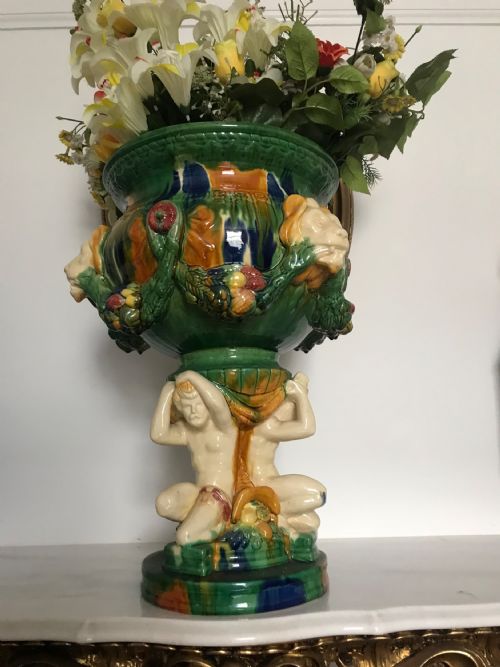
- Low fired earthenware covered with an opaque tin lead glaze, noted for vibrant coloured lead glazes.
Vintage Earthenware Bowl: Frequently Asked Questions
How do I clean an old earthenware bowl?
Wash gently in warm water using mild soap and a soft cloth, avoiding harsh scouring pads that can scratch the aged glaze.
Because historic earthenware bodies remain porous beneath crazed glazes, avoid soaking bowls for extended periods to prevent moisture absorption.
Can I use these bowls for food?
Utilitarian nineteenth century bowls often served dairy or kitchen purposes, but aged glazes may contain trace materials unsuited for modern acidic foods.
Display antique bowls as decorative centerpieces rather than risking damage or chemical leaching during everyday dining.
What causes crazing on glazed pottery?
Crazing appears as a fine network of cracks across the surface glaze, caused by the glaze shrinking slightly faster than the underlying earthenware body over time.
This natural ageing process frequently occurs in nineteenth century ceramics and generally indicates age rather than structural failure.
How do I date a ceramic bowl?
Examine the underside for factory stamps, impressed marks, or handwritten signatures that link the piece to recorded potteries and operating periods.
Style, glaze characteristics, and potting techniques also provide clear clues to whether a piece belongs to the Georgian, Victorian, or Art Deco eras.