



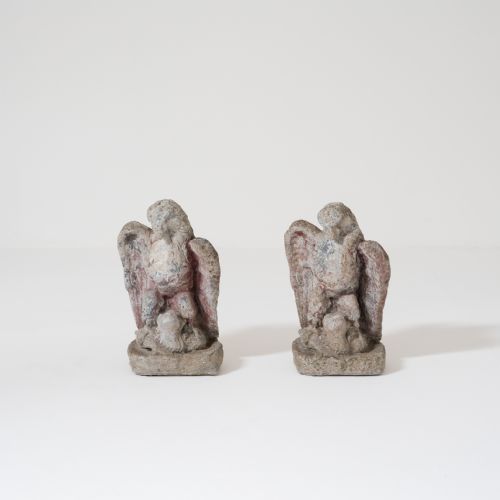


Vintage Eagle Sculpture
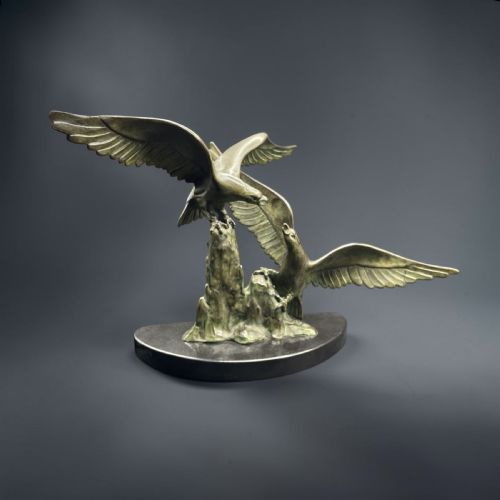
These vintage eagle sculpture pieces bring commanding presence and dramatic form into a room, making them sought after by collectors of striking animalier art.
Vintage Eagle Sculpture
A vintage eagle sculpture represents birds of prey in varied interpretations spanning the nineteenth and twentieth centuries. The selection encompasses forms ranging from domestic table lamps and desk accessories to large garden statues.
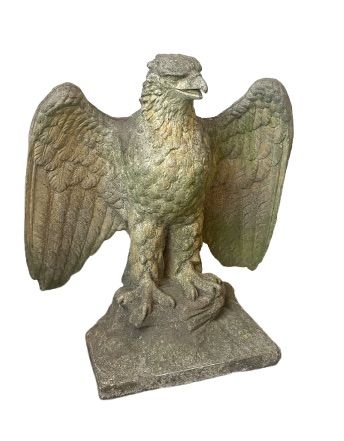
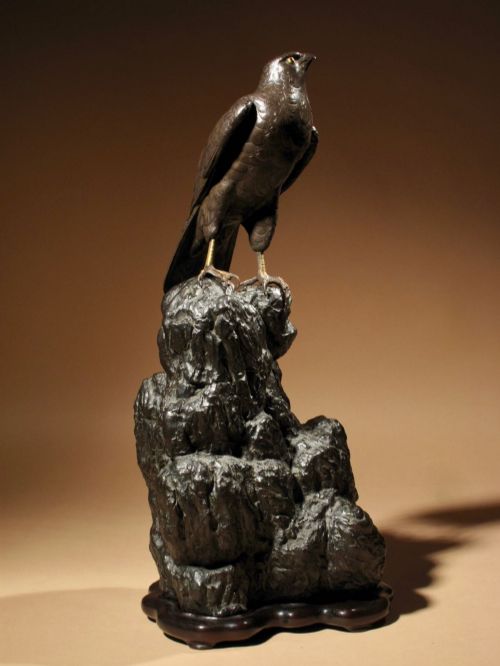
Makers shaped these subjects during periods such as the Victorian, Edwardian, Art Deco, and Mid-Century Modern eras. Examples include distinct French animalier bronzes, Meiji period works, and monumental composition stone garden ornaments.
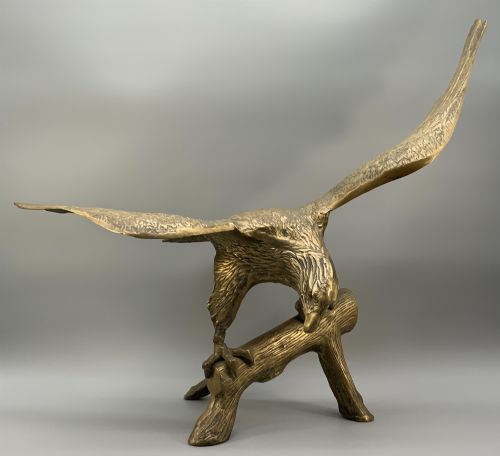
The objects take many shapes, including birds perched on branches, attacking prey, or serving as automotive car mascots. Buyers encounter pieces created for both interior display and exterior architectural or garden settings.
How they were made
Foundries produced metal examples utilising traditional casting methods in bronze, cast brass, and cast iron. Artisans then applied patination, gilding, or polished finishes to highlight anatomical details and plumage.
Sculptors also carved other materials by hand, utilising wood with penwork decoration or shaping composition stone and stoneware for exterior garden use. Glassmakers worked with frosted and moulded glass, notably seen in decorative car mascots.
Makers integrated functional elements into these sculptures, converting figures into table lamps or mounting them as automotive mascots. Each medium required distinct crafting techniques suited to indoor display or harsh outdoor weathering.
Vintage Eagle Sculpture Retail Price Guide 2026
Typical asking prices for vintage eagle sculpture among the pieces listed under this phrase on Sellingantiques today, from the lower quarter to the upper quarter. They describe what is for sale here now, not the wider market.
Periods represented on this page range from the mid-nineteenth century through the Edwardian era and Art Deco period to mid-century modern designs.
What varies in quality
Quality rests upon the crispness of the casting or carving, where superior examples retain sharp feather definition and lifelike anatomical tension. Softer details and blurred textures indicate lower fidelity to the original sculptural form.
The choice of material and surface finish dictates visual depth, from rich patinated bronzes and fire-gilded brass to finely detailed wood penwork. Inferior surfaces lack tonal variation and fail to convey the dynamic energy of the bird.
Provenance and artistic attribution elevate specific works, particularly pieces associated with documented sculptors or distinguished private collections. Unattributed or mass-produced items lack the distinct hand of a skilled maker.
Christophe Fratin·Rene Lalique
The Vintage Eagle Sculpture Glossary
- Animalier
- A nineteenth-century artistic movement dedicated to the realistic portrayal of animals. Sculptors in this tradition focused closely on anatomical accuracy and dynamic movement.
- Car Mascot
- An ornament mounted on the radiator cap of a motor car, particularly popular during the early twentieth century. Master glassmakers and metalworkers produced these miniature sculptures.
- Patina
- The surface sheen or coloration developed through age, oxidation, or intentional chemical treatment by the maker. This layer enhances the visual depth of metal and stone sculptures.
- Chinoiserie
- A European artistic style reflecting Chinese aesthetic influences, particularly prominent in decorative arts and carved woodwork during the nineteenth century.
- Composition Stone
- A manufactured aggregate material cast in moulds to imitate natural carved stone. It provided a durable medium for garden statues and architectural ornaments.
Vintage Eagle Sculpture: Frequently Asked Questions
How do I identify a cast bronze from a brass eagle?
Bronze typically displays a warmer, deeper metallic tone and heavier density, often finished with a rich dark patina applied by the foundry. Brass tends to show a brighter yellow or golden hue when unpolished and responds differently to oxidation over time.
Examining the underside or hidden joints often reveals the casting method and composition of the metal alloy used by the maker.
Where should I place a heavy stone eagle sculpture?
Large composition stone or stoneware eagles suit outdoor garden settings, patios, or architectural gateposts where they can withstand weathering. Ensure the ground or surface provides stable, level support for heavy cast pieces.
Interior placement requires reinforced furniture or dedicated pedestals capable of supporting substantial metal or stone weights safely.
What is an animalier sculpture?
An animalier sculpture depicts animals in realistic poses, capturing natural behaviours such as hunting, perching, or resting. This genre flourished in Europe during the nineteenth century among specialised bronze sculptors.
Artists in this tradition studied live specimens closely to render muscle structure and plumage with scientific precision.
How do I care for antique brass and bronze?
Dust metal sculptures regularly with a soft, dry cloth to prevent grime accumulation on the surface. Avoid harsh chemical cleaners that strip the original historic patina.
Applying microcrystalline wax periodically helps protect exterior or exposed bronze surfaces from moisture and atmospheric wear.