



Vintage Dutch Silver
Vintage dutch silver brings sculptural miniature work, ornate repoussé, and traditional regional motifs straight to a table setting.
Vintage Dutch Silver
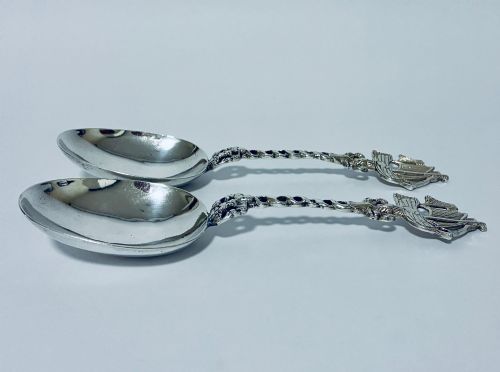
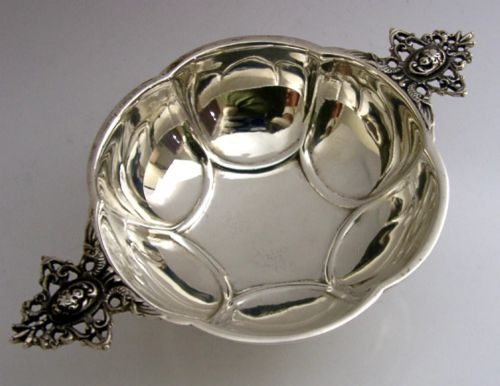
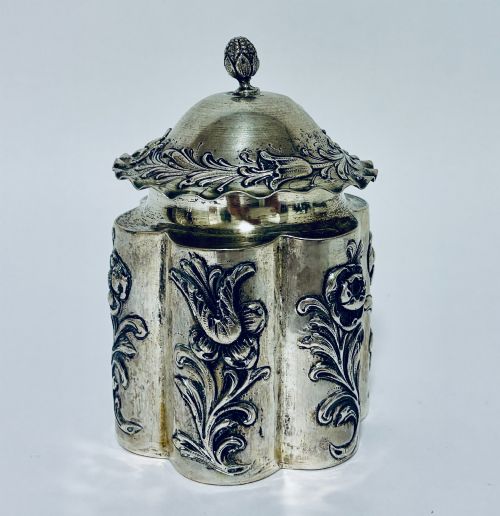
Vintage dutch silver covers domestic items, small decorative objects, and barware created across the late nineteenth and mid twentieth centuries. Collectors searching for vintage dutch silver encounter domestic forms such as miniature chairs, tea caddies, desk boxes, bowls, and spoons.
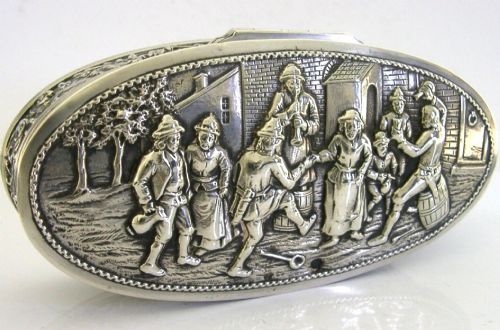
The objects span periods from the Victorian and Edwardian eras through to the nineteen fifties and sixties, drawing heavily on earlier historical design languages. Traditional forms often replicate seventeenth-century baroque aesthetics or regional folk scenes.
Materials and construction
Construction relies primarily on solid silver, sterling silver, and lower-purity silver alloys, frequently paired with glass, enamel, brass, and mother-of-pearl. Silversmiths employed techniques such as repoussé work, chasing, and gilding to achieve high relief and rich surface texture on small items.
Miniatures and spoons display fine hand-assembled detailing, while larger functional items like desk boxes utilise heavier gauge metal plates joined to withstand daily use.
Vintage Dutch Silver Retail Price Guide 2026
Typical asking prices for vintage dutch silver among the pieces listed under this phrase on Sellingantiques today, from the lower quarter to the upper quarter. They describe what is for sale here now, not the wider market.
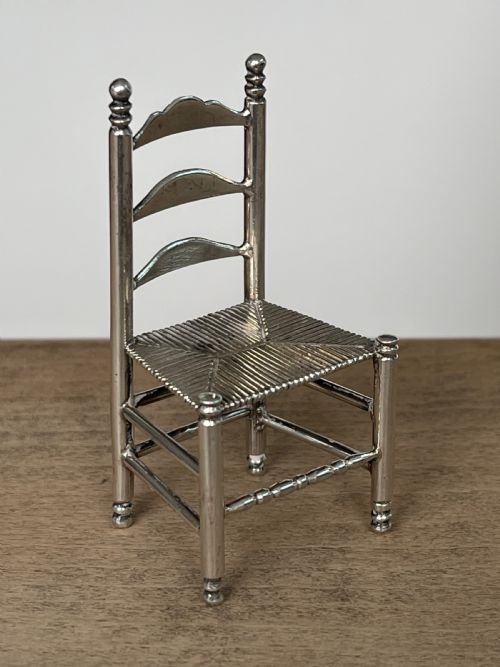
A tiny doll's house chair in solid silver proves that even miniature furniture deserves proper upholstery detail.
Evaluating craftsmanship
Quality rests upon the crispness of the chased or repoussé detail and the structural integrity of hinged elements on boxes and caddies. Superior examples maintain deep relief and sharp definition in figurative scenes, whereas lesser pieces show softened contours from worn or shallow stamping.
The weight of the metal and the precision of assembly distinguish exceptional miniature chairs and desk boxes from standard decorative productions.
The Vintage Dutch Silver Glossary
- Repoussé
- A metalworking technique where the silver is hammered from the reverse side to form a raised design in relief on the front.
- Chasing
- The complementary process of refining and sinking metal from the front side using punches to add surface detail after repoussé work.
- Silver gilt
- Silver objects that have been coated with a thin layer of gold over the surface, sometimes referred to as vermeil.
- Tea caddy
- A small storage jar or box designed to hold loose tea leaves safely in dry conditions.
Vintage Dutch Silver: Frequently Asked Questions
What items count as vintage dutch silver?
Vintage dutch silver includes functional domestic pieces like tea caddies, spoons, desk boxes, and condiment pots alongside decorative miniatures.
These items range from Edwardian and Victorian productions up to pieces made in the nineteen sixties.
How do I spot silver miniatures?
Silver miniatures typically take the form of miniature furniture, such as doll's house chairs, fashioned with intricate detail.
Craftsmen produced these small scale items to showcase technical skill in repoussé and assembly.
How are these pieces decorated?
Decoration relies heavily on historical revival styles, incorporating Dutch baroque patterns, rococo curves, and traditional regional motifs.
Artisans used chasing and hammering techniques to create complex textured surfaces across boxes, bowls, and spoons.
What metals are used?
Objects utilise solid silver and sterling silver alongside specific continental silver standards, occasionally accented with enamel, brass, or mother-of-pearl.
Heavier items like desk boxes feature thick silver plates, while smaller accessories employ lighter gauges.