



Vintage Dressing Table Container
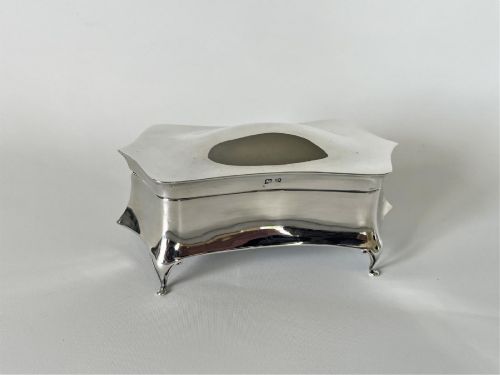
These vintage dressing table containers are practical vanity accessories and trinket boxes designed to hold powder, jewellery, and cosmetics on a dressing table.
Vintage Dressing Table Container
A vintage dressing table container encompasses a varied selection of vanity accessories, trinket boxes, powder jars, and scent bottles designed for dressing table use. Buyers searching this phrase encounter pieces ranging from Victorian and Edwardian examples to Art Deco and Scandinavian mid-century designs.
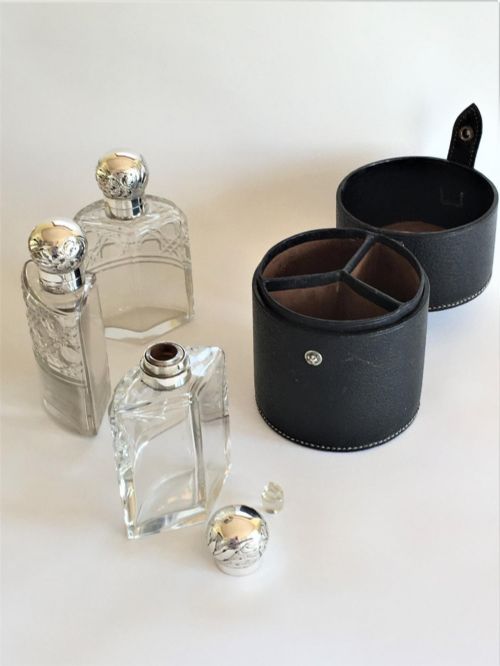
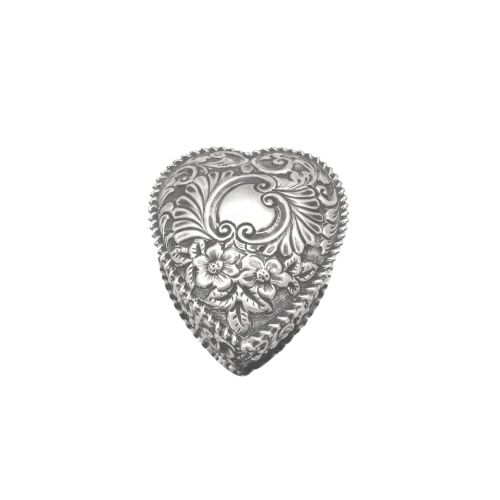
The assortment spans traditional heart-shaped trinket boxes and travelling cologne bottle trios alongside ceramic flapper powder puff stands and novelty powder bowls. Origins stretch from British makers in Birmingham to continental European workshops in Germany and Austria.
Materials and Construction
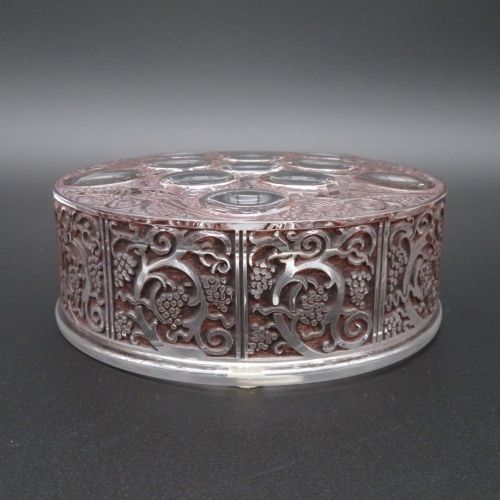
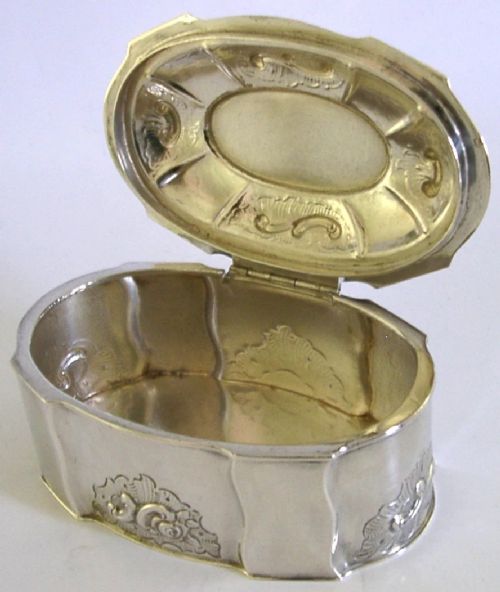
These items utilise sterling silver, solid silver, and gilt bronze combined with cut glass, crystal, porcelain, and ebonised wood. Silver mounts frequently frame glass vanity jars, while enamel and tortoiseshell provide decorative lids.
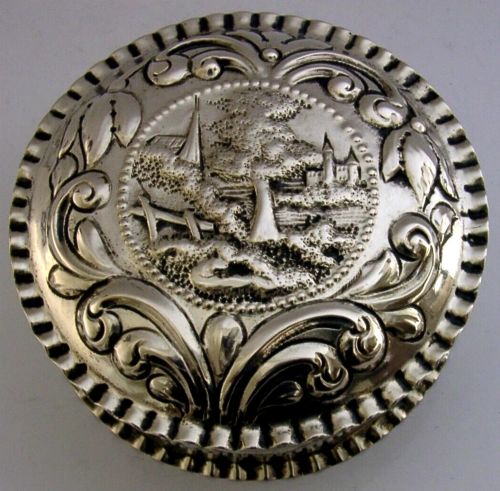
Makers employed techniques such as silver casting for heavy picture castle top boxes, guilloche enamel work for colourful lids, and ceramic moulding for figural powder jars and half doll flapper girl stands.
Materials across these listings include sterling silver, cut glass, guilloche enamel, porcelain, tortoiseshell, and ebonised wood.
Design and Execution
Quality differentiates through the weight of the metal, the clarity of cut glass, and the complexity of decorative work like guilloche enamel. Heavier solid silver pieces and substantial crystal vessels stand apart from lighter mounted alternatives.
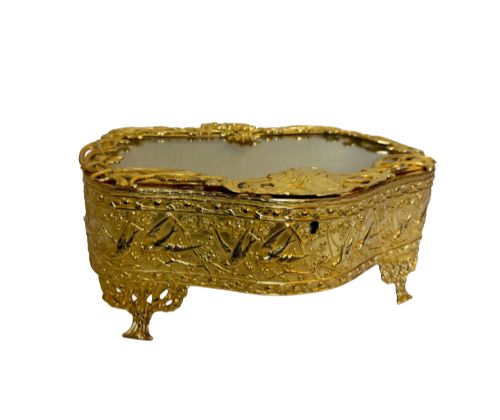
The artistic ambition of the style, whether an intricate Art Nouveau bronze mount or a detailed Art Deco ceramic figure, dictates the visual presence of each container on the dressing table.
Elkington and Co·Henry Williamson Ltd
The Vintage Dressing Table Container Glossary
- Guilloche enamel
- A decorative mechanical engraving technique covered with translucent enamel, frequently seen on twentieth-century silver jar lids. This process creates geometric patterns that show through the glossy coloured surface.
- Castle top box
- A heavy silver trinket box featuring a detailed architectural relief cast onto the hinged lid. These pictorial designs often depict historic buildings or stately homes.
- Vanity jar
- A glass or crystal container with a fitted metal, silver, or tortoiseshell lid intended for creams, pins, or cosmetics. They sit on dressing tables for daily use.
- Flapper powder bowl
- A ceramic or porcelain container topped with a modelled half-doll figure, popular during the Art Deco period. The lower bowl stores face powder while the upper figure acts as the handle or cover.
Vintage Dressing Table Container: Frequently Asked Questions
What were dressing table containers used for originally?
These vessels held loose face powder, hair pins, rouge, and daily jewellery while keeping bedroom surfaces tidy.
Ladies utilised them during morning and evening routines for cosmetic storage and organisation.
How do I identify an Art Deco powder jar?
Art Deco containers typically feature geometric lines, stylised ceramic figures, or guilloche enamel in vibrant colour palettes.
They often date from the nineteen thirties and incorporate moulded glass or porcelain bodies.
Are sterling silver trinket boxes marked with hallmarks?
British silver boxes usually bear clear hallmarks indicating the assay office, such as Birmingham, alongside maker marks.
These stamps help verify the metal standard and approximate year of manufacture.
How should I care for silver and glass vanity items?
Clean glass bodies gently with warm soapy water while keeping moisture away from lined interiors or glued silver mounts.
Polish silver elements sparingly with a soft cloth to preserve the original finish.